10 Best Steel Metal Castings Suppliers for Global Buyers

Time:2026-09-12 Author:Aria
0%

Steel Metal Castings remain essential to modern infrastructure, energy systems, transport, and heavy machinery. Buyers still need dependable suppliers, not simply attractive prices. A casting may look smooth on delivery, yet hidden porosity can weaken a critical housing months later.

The World Steel Association reported approximately 1.89 billion tonnes of crude steel production in 2023. That scale shows the depth of the global steel supply chain. However, production volume does not guarantee casting quality. The American Foundry Society continues to emphasize process control, skilled labor, testing, and traceability across metalcasting operations. These factors matter when comparing international suppliers.

John Campbell, a respected casting researcher and author of Complete Casting Handbook, stated, “The quality of a casting is determined by the quality of the liquid metal.” His observation remains practical. Clean melting, controlled pouring, proper mold design, and disciplined inspection often separate reliable suppliers from inconsistent ones.

This guide evaluates ten Steel Metal Castings suppliers for global buyers. It considers manufacturing capacity, material range, quality certifications, export experience, machining support, and communication standards. Supplier claims require verification. Certifications can expire. Factory photographs can mislead. Even well-known companies may perform differently across product lines.

The ranking is not perfect. Regional freight costs, tooling requirements, and project complexity can change the best choice. Buyers should request recent inspection records, sample reports, and production references before signing contracts. A careful comparison can reduce delays, scrap, and costly redesigns. That is the real purpose of this supplier guide.
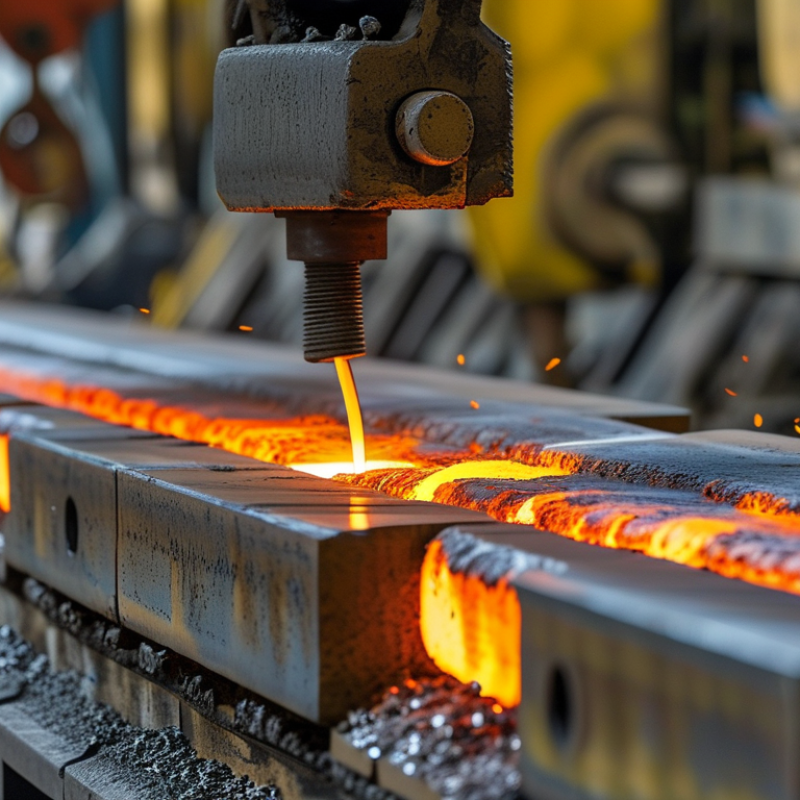
10 Best Steel Metal Castings Suppliers for Global Buyers

What Steel Metal Castings Are and Why Global Buyers Need Them

Steel metal castings are parts formed by pouring molten steel into a prepared mold. After cooling, each casting is cleaned, inspected, and machined when required. This method creates complex shapes that may be expensive to produce from solid bar stock. Valve bodies, pump housings, structural brackets, and equipment bases commonly use cast steel.

Global buyers need these components because steel offers strength, heat resistance, and reliable performance under repeated loads. A well-made casting can support heavy machinery in mines, energy facilities, shipyards, and construction projects. Material selection remains important. Carbon steel suits many general applications, while alloy grades can improve wear resistance, corrosion resistance, or high-temperature performance. The right choice depends on load, temperature, fluid exposure, and service life.

Quality is not proven by a polished surface alone. Buyers should request chemical analysis, mechanical test results, dimensional reports, and inspection records. Ultrasonic or radiographic testing can reveal internal defects hidden by machining. Tolerances, heat treatment, packaging, and traceability also require attention. Small details matter.

Specifications are sometimes incomplete. Teams may focus on unit price and overlook mold costs, machining allowances, or delivery risks. That mistake can cause costly delays. Buyers should review drawings with qualified engineers and confirm applicable standards before production. A reliable supplier explains limitations clearly. No casting is flawless. Control is the goal.

Key Criteria for Evaluating Steel Casting Suppliers

Key Criteria for Evaluating Steel Casting Suppliers

Choosing among steel casting suppliers requires more than comparing prices. The American Foundry Society’s 58th Census reported 109.6 million metric tons of global castings in 2022. This scale makes process control essential. Ask suppliers for melt records, heat numbers, dimensional reports, and non-destructive testing results. Ultrasonic, radiographic, or magnetic-particle testing should match the part’s risk level. A reliable supplier also explains its compliance with relevant ASTM or ISO standards. Vague certificates are warning signs.

Capacity must match your real production needs. The World Steel Association reported 1,882.6 million tonnes of crude steel production in 2024. Steel availability can still vary by region, grade, and delivery schedule. Check whether the foundry controls pattern making, machining, heat treatment, and export packing. Request sample lead times and review their rejection rates. These details reveal operational maturity. I have found that attractive quotations sometimes hide weak inspection systems. That mistake can become expensive.

Tips: Build a supplier scorecard with quality, traceability, capacity, cost, and delivery performance. Visit the facility when possible. Look for clean floors, labeled material, calibrated instruments, and documented furnace controls. Ask for recent corrective-action examples, not polished promises. Also examine energy and emissions reporting, since the International Energy Agency identifies steelmaking as a major industrial emissions source. A supplier may meet drawings yet overlook environmental performance. That deserves reflection.

10 Best Steel Metal Castings Suppliers for Global Buyers - Key Criteria for Evaluating Steel Casting Suppliers

Rank Anonymous Supplier Profile Primary Region Main Casting Processes Typical Steel Grades Typical Unit Weight Typical Dimensional Tolerance Quality Documentation Relevant Certifications Key Industries Served Export Readiness Indicative Lead Time Evaluation Score
1 Profile 01 – Large-Scale Alloy Steel Foundry East Asia Sand casting; investment casting; heat treatment Carbon steel; low-alloy steel; stainless steel 10–12,000 kg CT10–CT12 Chemical analysis; mechanical test results; dimensional report; NDT records ISO 9001; EN 10204 3.1 capability Mining; energy; heavy equipment; infrastructure High 8–14 weeks 94/100
2 Profile 02 – Precision Investment Casting Supplier South Asia Investment casting; vacuum casting; CNC finishing Stainless steel; heat-resistant steel; tool steel 0.05–80 kg CT6–CT8 Material certificates; CMM report; surface inspection; process records ISO 9001; ISO 14001 capability Industrial automation; pumps; medical equipment; aerospace support High 6–12 weeks 92/100
3 Profile 03 – Heavy-Duty Sand Casting Specialist Central Europe Resin sand casting; pattern making; welding repair Carbon steel; abrasion-resistant steel; alloy steel 50–25,000 kg CT11–CT13 Heat-treatment chart; ultrasonic testing; radiographic testing when specified ISO 9001; ISO 3834 capability Rail; mining; shipbuilding; power generation High 10–18 weeks 91/100
4 Profile 04 – Stainless Steel Corrosion-Resistant Foundry North America Investment casting; sand casting; solution annealing 304/316-type stainless steel; duplex stainless steel; nickel-bearing alloys 0.1–1,500 kg CT7–CT10 PMI testing; corrosion-related test data; dimensional and NDT reports ISO 9001; ASME-related quality systems where applicable Chemical processing; food equipment; water treatment; marine systems High 8–16 weeks 89/100
5 Profile 05 – Automated Medium-Series Casting Facility East Asia Automated sand casting; robotic fettling; machining Carbon steel; low-alloy steel; martensitic stainless steel 2–3,000 kg CT9–CT11 First-article inspection; SPC data; hardness and tensile reports ISO 9001; ISO 45001 capability Automotive components; hydraulics; agricultural machinery High 6–10 weeks 87/100
6 Profile 06 – Custom Prototype and Low-Volume Foundry Western Europe 3D-printed sand molds; investment casting; rapid prototyping Stainless steel; carbon steel; heat-resistant steel 0.2–600 kg CT7–CT11 Prototype approval report; material traceability; 3D scanning data ISO 9001; ISO 14001 capability Special machinery; robotics; research equipment; product development Medium–High 4–9 weeks 85/100
7 Profile 07 – Wear-Resistant Alloy Casting Supplier South America Sand casting; centrifugal casting; hardening treatment High-chromium steel; manganese steel; abrasion-resistant alloy steel 20–8,000 kg CT10–CT13 Hardness mapping; chemical analysis; wear-test reports; visual inspection ISO 9001 capability Mining; cement; aggregate processing; bulk material handling Medium–High 9–16 weeks 83/100
8 Profile 08 – Marine and Pressure-Equipment Casting Facility Northern Europe Sand casting; shell molding; pressure testing Stainless steel; low-temperature steel; pressure-vessel steel 5–4,000 kg CT9–CT12 Hydrostatic test records; ultrasonic testing; weld and repair documentation ISO 9001; ISO 3834 capability Marine equipment; valves; pumps; offshore support High 8–15 weeks 82/100
9 Profile 09 – Cost-Competitive General Engineering Foundry Southeast Asia Green sand casting; resin sand casting; basic machining Carbon steel; alloy steel; stainless steel 1–2,500 kg CT11–CT13 Basic material certificate; visual inspection; dimensional report ISO 9001 capability Agricultural equipment; construction machinery; general engineering Medium 7–13 weeks 79/100
10 Profile 10 – Regional Steel Casting and Machining Partner Middle East and North Africa Sand casting; shell molding; CNC machining Carbon steel; low-alloy steel; stainless steel 5–1,800 kg CT10–CT13 Chemical composition report; hardness report; dimensional inspection ISO 9001 capability Oil and gas support; water infrastructure; construction; replacement parts Medium 8–14 weeks 77/100

Note: Supplier identities are intentionally anonymized. Ranges reflect commonly specified capabilities and should be verified through technical quotations, quality audits, sample inspection, material certificates, and signed purchase specifications before ordering.

How to Compare the 10 Best Steel Casting Suppliers

Comparing steel casting suppliers starts with evidence, not polished websites. The 2023 World Casting Census reported global casting production of about 109.7 million metric tons in 2022. Scale matters, but it does not guarantee stable quality. Ask for recent production records, furnace capacity, alloy ranges, and monthly delivery performance.

Request material certificates, heat numbers, chemical analysis, and mechanical test results for the exact grade. EN 10204 3.1 documentation supports traceability, while ASTM testing methods help compare tensile strength, hardness, and impact results. Review nonconformance rates and corrective-action records. Few suppliers publish these figures voluntarily. That gap deserves attention.

Audit process control on the shop floor. Check mold preparation, melting temperature logs, spectrometer calibration, heat treatment charts, and final inspection equipment. The World Steel Association recorded 1.89 billion tonnes of crude steel production in 2023, showing the industry’s enormous scale and supply pressure. Compare landed cost, not only quotation price. Include tooling, machining, packaging, inspection, freight, and potential rework. ISO 9001 certification is useful, but certification alone cannot prove sound castings. I would also test a pilot batch before signing a large contract. It costs time. It may expose assumptions that a supplier presentation hides.

Quality Standards, Manufacturing Capabilities, and Export Services

For global buyers, the ten best steel casting suppliers should show measurable quality, not attractive brochures. World Steel Association data forecasts global steel demand at about 1.75 billion tonnes in 2025. That scale increases pressure on foundries to control chemistry, heat treatment, and delivery accuracy. Strong suppliers provide ISO 9001 systems, material certificates, heat numbers, and inspection records. Ask for tensile, hardness, dimensional, and non-destructive testing results. Radiography may reveal shrinkage hidden beneath a smooth surface. Small defects matter.

Manufacturing capability also determines purchasing risk. A reliable foundry should explain its furnace capacity, casting weight range, mold process, machining tolerance, and repair policy. Industry market analysis estimates the global metal casting market exceeded 150 billion dollars in 2023, with continued growth through 2030. Export readiness is equally practical. Check export packing, moisture protection, pallet strength, customs documents, and Incoterms experience. Request a sample inspection plan before production starts. It exposes vague promises early. Digital traceability is useful, but paper records still matter at ports and during audits. Some suppliers overstate tolerances, and buyers sometimes accept unclear drawings. That mistake is avoidable. A factory video helps, yet an independent pre-shipment inspection offers stronger evidence. Perfect documentation is rare; consistent corrective action is more valuable.

Ordering, Inspection, Shipping, and Supplier Selection Tips

Ordering steel metal castings from overseas requires more than comparing unit prices. Start with a complete drawing, material grade, dimensions, tolerance, and annual quantity. State the casting process and required heat treatment clearly. Ask each supplier for process limits, production lead time, and recent quality records. A capable supplier should explain risks before accepting the order. Do not accept vague promises.

Inspection should begin before production. Request a signed inspection plan covering chemical analysis, mechanical testing, dimensional checks, and surface quality. For critical parts, use an independent inspector near the factory. Review sample reports carefully, especially units, test locations, and acceptance standards. I once focused too heavily on visual quality and missed a dimensional issue. That mistake made later assembly slower and more expensive. Photos help, but they do not replace measured data.

Shipping needs equal attention. Confirm packing materials, corrosion protection, crate markings, gross weight, and shipping documents before dispatch. Heavy castings may require stronger pallets or special lifting points. Ask for a realistic delivery window, including port delays and customs review. When selecting among ten potential suppliers, compare total landed cost, communication speed, traceability, and corrective-action ability. The cheapest quotation may hide weak inspection or costly rework. Keep written approval records for every revision. Small misunderstandings become expensive across oceans.

FAQS

What are steel castings?

Steel castings are parts made by pouring molten steel into prepared molds. After cooling, workers clean, inspect, and machine them when needed. They can form complex shapes.

Where are steel castings commonly used?

Common examples include valve bodies, pump housings, structural brackets, and equipment bases. They support heavy machinery in mines, energy facilities, shipyards, and construction sites. They handle repeated loads.

How should buyers choose the steel grade?

Consider load, temperature, fluid exposure, wear, corrosion, and expected service life. Carbon steel suits many general uses. Alloy grades may perform better under heat or abrasion. The cheapest grade may not be the safest choice.

Which quality documents should buyers request?

Request chemical analysis, mechanical test results, dimensional reports, and inspection records. Also ask for heat numbers and traceability documents. Paperwork matters.

Can surface inspection reveal every casting defect?

No. A polished surface can hide internal problems. Ultrasonic or radiographic testing may reveal voids, cracks, or inclusions. Machining alone does not prove sound quality. I would not rely on appearance.

What should buyers inspect during supplier evaluation?

Review mold preparation, melting temperature records, heat treatment charts, and inspection equipment. Check furnace capacity, alloy experience, production history, and delivery performance. Shop-floor evidence is stronger than attractive photographs.

Why should buyers compare landed cost instead of unit price?

Total cost may include tooling, machining, packaging, inspection, freight, and possible rework. A low quotation can become expensive after delays or corrections. The calculation is easy to underestimate.

Why is a pilot batch useful before a large order?

A pilot batch tests dimensions, material properties, packaging, and communication. It may expose unclear drawings or hidden production limits. It costs time. That cost may prevent a larger mistake.

Conclusion

Steel Metal Castings are essential components for industries that require strong, durable, and precisely shaped parts for demanding applications. This guide explains what steel castings are, why global buyers use them, and how to evaluate suppliers based on material expertise, production capacity, engineering support, quality control, and customization capabilities. It also outlines practical methods for comparing leading suppliers without relying on brand reputation alone, helping buyers identify partners that can consistently meet technical and commercial requirements.

The article further examines quality standards, inspection procedures, manufacturing technologies, export experience, packaging, documentation, and shipping coordination. Buyers will learn how to prepare clear specifications, request meaningful quotations, verify samples, conduct inspections, and assess supplier communication before placing an order. By considering product quality, lead times, pricing, delivery reliability, and after-sales support together, global purchasers can reduce sourcing risks and select a dependable steel casting supplier for long-term cooperation.


Aria

Aria

Aria is a dedicated marketing professional with a deep passion for innovative strategies and a keen understanding of our company's product offerings. With a wealth of experience in the industry, Aria excels at crafting engaging content that highlights the unique features and benefits of our......