Stainless steel parts play a crucial role in various industries. From automotive to medical devices, they offer unique benefits. Buyers often seek durability and aesthetic appeal when choosing materials. Stainless steel is known for its resistance to corrosion and staining. This makes it ideal for environments where hygiene and longevity are essential.
Many manufacturers prefer stainless steel parts for their projects. The alloy’s strength reduces the need for frequent replacements. This can lead to cost savings over time. However, buyers should also consider the initial investment. Stainless steel parts can be pricier than alternatives. Yet, the long-term benefits usually justify the cost.
It's important to choose reliable suppliers. Quality assurance is key in ensuring the integrity of stainless steel parts. Some suppliers may cut corners, impacting performance. Therefore, buyers need to research thoroughly. Understanding the material and manufacturing processes can aid in making informed decisions. Ultimately, stainless steel parts enhance functionality while adding value across various applications.
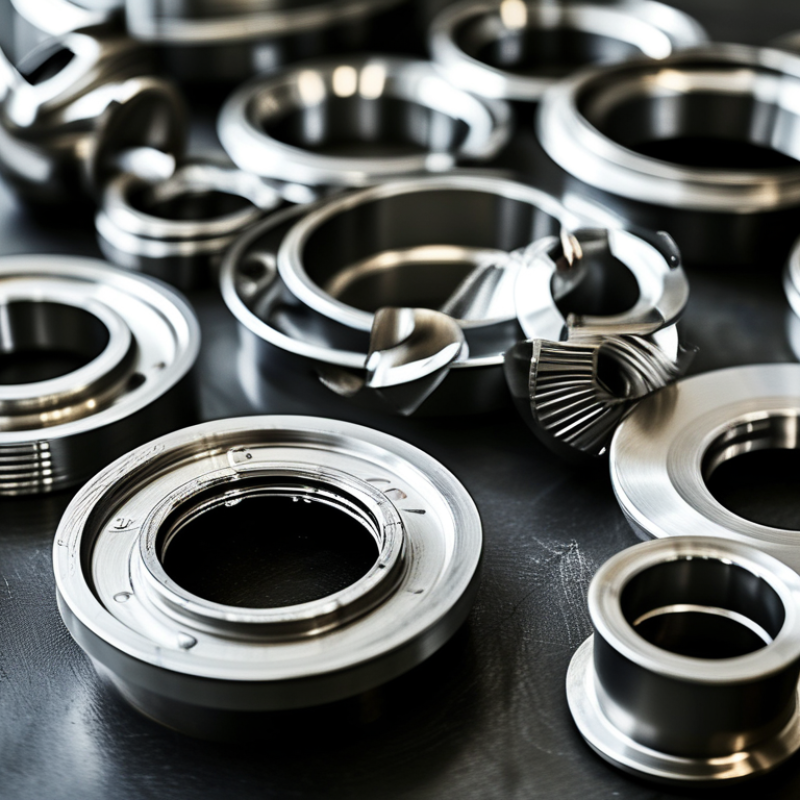
Stainless steel parts are widely used due to their unique properties. They offer corrosion resistance, durability, and aesthetic appeal. These parts are found in various industries, including automotive, construction, and medical equipment. For example, stainless steel fasteners are crucial for ensuring structural integrity in machinery.
The manufacturing of stainless steel components requires precision and expertise. Parts can be molded, cut, and welded to meet specific applications. Even small variations in the alloy composition can affect performance. High-quality stainless steel gives components longevity and reliability but can be costly. Buyers must consider these aspects when making decisions.
Not all stainless steel is created equal. The differences in grades can lead to confusion. Some applications may require special treatments or finishes. Understanding these nuances ensures better product selection, avoiding early failures. In conclusion, while stainless steel parts present many advantages, potential buyers should conduct thorough research to find the best options for their needs.
Stainless steel parts are increasingly popular among manufacturers and buyers. They exhibit remarkable resilience against rust and corrosion. These characteristics make them suitable for various applications, from kitchen appliances to industrial machinery. Buyers appreciate not only their durability but also their aesthetic appeal.
One key characteristic of stainless steel is its high strength-to-weight ratio. This means it can bear significant loads without adding much weight. Additionally, the material is quite versatile. It can be molded into various shapes and sizes. However, not all stainless steel is the same. Different grades exist, each offering unique properties. For example, some might resist more acidic environments better than others.
Cost can be a concern when considering stainless steel parts. They may have a higher upfront price compared to other materials. However, their longevity often compensates for the initial investment. Maintenance requirements are typically low, yet some refining is necessary to maintain their finish. These details are vital for buyers to understand, as choices can affect long-term satisfaction.
Stainless steel parts are widely used in various industries due to their corrosion resistance and durability. Common applications include automotive, aerospace, food processing, and medical devices. These parts play a crucial role in machinery, structural frameworks, and equipment that require high strength and hygiene.
In the automotive industry, stainless steel is crucial for exhaust systems and trims. It withstands harsh environments while maintaining aesthetic quality. In food processing, stainless steel parts ensure hygiene and facilitate easy cleaning. Equipment like sinks, countertops, and storage containers are often made from stainless steel for these reasons.
**Tip:** When selecting stainless steel parts, consider the grade based on your specific needs. Different grades offer varying levels of resistance to corrosion and heat.
In the medical field, stainless steel is preferred for instruments and implants. The material can be sterilized, making it safe for use. Additionally, aerospace applications benefit from stainless steel because of its lightweight and high strength. It ensures safety and efficiency in aircraft design.
**Tip:** Evaluate the environmental conditions your stainless steel parts will face. This helps in choosing the right material grade that provides long-lasting performance.
| Part Type | Common Applications | Benefits |
|---|---|---|
| Bolts and Nuts | Construction, Machinery | Corrosion resistance, strength |
| Pipes | Plumbing, Oil & Gas | Durability, high temperature resistance |
| Sheet Metal | Automotive, Aerospace | Lightweight, formability |
| Fasteners | Furniture, Electronics | Aesthetic appeal, strength |
| Tanks | Chemical Storage, Food Industry | Non-reactive, hygienic |
| Cookware | Culinary, Catering | Heat distribution, easy to clean |
Stainless steel parts offer numerous benefits for buyers in various industries. This material is renowned for its exceptional corrosion resistance, durability, and aesthetic appeal. According to recent industry reports, stainless steel can last up to three times longer than other metals in harsh environments. This durability not only reduces replacement costs but also enhances the safety of products.
Choosing stainless steel leads to lower maintenance. Regular upkeep is minimal due to its resistance to rust and staining. A survey by the Steel Institute reveals that maintenance costs can be cut by nearly 50% when using stainless steel components, making it an economical choice over time. Additionally, stainless steel is 100% recyclable, supporting sustainability goals.
Tip: When selecting stainless steel for your project, consider the specific grade. Different grades offer varied benefits. If you're unsure which grade to choose, consult with a materials expert. The wrong choice can lead to unforeseen challenges, like corrosion in specific environments. Always prioritize quality over cost to ensure long-term performance.
Stainless steel parts are celebrated for their durability and aesthetic appeal. However, proper maintenance is crucial for longevity. Regular cleaning helps prevent rust and stains. Use warm, soapy water and a soft cloth for daily upkeep. Avoid abrasive materials that can scratch the surface.
For more challenging stains, a paste of baking soda and water works wonders. Gently apply it to the affected area, let it sit, then rinse. This method avoids harsh chemicals that could harm the finish.
Make time to inspect your stainless steel products. Look for signs of wear or discoloration. If you find any, take immediate action to address them. Regular checks ensure your stainless steel remains looking new. Remember, care today will save you from costly repairs tomorrow.
This chart illustrates the importance level of various benefits associated with stainless steel parts for buyers. As demonstrated, corrosion resistance and recyclability rank the highest, showcasing why stainless steel is a favored choice in various applications.
: Stainless steel parts resist rust and corrosion. They are durable and aesthetically pleasing, making them popular in many applications.
A high strength-to-weight ratio allows stainless steel to support heavy loads without being overly heavy, enhancing its usability.
No, different grades exist with various properties. Some grades can withstand acidic environments better than others, affecting their suitability.
Yes, they often have a higher upfront cost. However, their longevity can justify the initial investment over time.
Regularly clean with warm, soapy water and a soft cloth. Avoid abrasive materials that may scratch the surface.
A paste of baking soda and water can effectively treat tough stains. Apply it gently, let it sit, then rinse.
Inspect for wear or discoloration. If you notice any issues, address them quickly to maintain the product's appearance.
Regular cleaning is essential. Consistent care today prevents costly repairs in the future. It’s easy to forget, but necessary.
While many use household items, avoid harsh chemicals. They may damage the surface, so careful selection is key.
Neglecting maintenance can lead to rust or stains. This can diminish the product's appearance and increase repair costs over time.
Stainless Steel Parts are components made from stainless steel, an alloy known for its resistance to corrosion and staining. This material possesses key characteristics such as high durability, strength, and aesthetic appeal, making it ideal for a variety of applications, including kitchen equipment, construction, and automotive parts. The advantages of using Stainless Steel Parts for buyers are numerous; they offer longevity, low maintenance requirements, and a hygienic surface, which is particularly beneficial in food-related industries.
To ensure the longevity and performance of Stainless Steel Parts, proper maintenance and care are essential. Regular cleaning with mild detergents and avoiding harsh chemicals will help maintain their finish and functionality. Overall, opting for Stainless Steel Parts is a wise investment for buyers looking for reliability and quality in their products.

Junlong