As the demand for durable and high-performance components grows, Carbon Steel Castings have become vital in various industries. According to a recent market report by Research and Markets, the global carbon steel casting market is projected to reach USD 15 billion by 2025, illustrating a compound annual growth rate (CAGR) of 5.2%. This growth reflects the increasing reliance on these castings in sectors such as automotive, aerospace, and heavy machinery.
Expert in the field, Dr. Emily Chen, highlights the importance of quality in this industry: "Investing in superior Carbon Steel Castings can significantly impact the overall efficiency and longevity of machinery." Her insights underscore the need for buyers to consider reliability and durability in their sourcing decisions. However, achieving quality can pose challenges. Not all suppliers meet the stringent standards necessary for high-performance applications, leading to potential setbacks for manufacturers.
Despite these challenges, the benefits of Carbon Steel Castings are undeniable. They offer superior wear resistance and structural integrity, essential for demanding environments. As global buyers navigate this complex landscape, understanding the nuances of Carbon Steel Castings becomes critical for making informed purchasing choices.
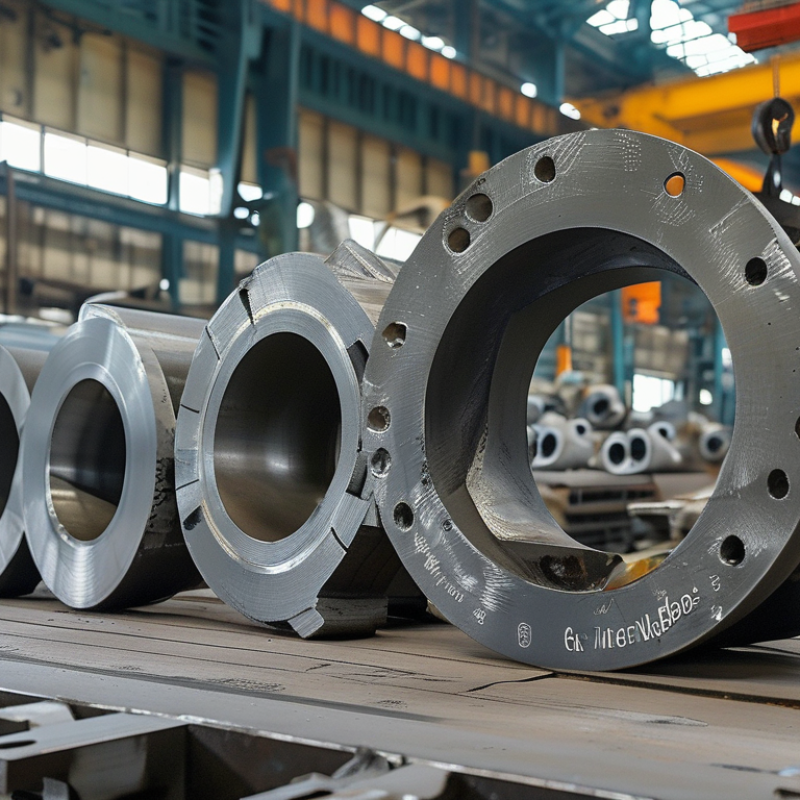
China boasts a robust carbon steel casting industry, known for its versatility and quality. Carbon steel is essential for various applications, including automotive and machinery components. Manufacturing facilities across the country utilize modern techniques, ensuring precision and efficiency. This contributes to their reputation as a leading supplier in the global market.
However, buyers should remain cautious. The quality of castings can vary widely among manufacturers. Not all providers prioritize the same standards. Some may overlook important quality control measures. It's essential for buyers to conduct thorough research before making decisions. Understanding the specific needs for your project will aid in selecting the right supplier.
In addition, communication plays a key role. Language barriers and cultural differences can lead to misunderstandings. Clear specifications and open dialogue can bridge gaps. Many buyers find it beneficial to establish long-term relationships with manufacturers to enhance trust and reliability. Despite the challenges, China's carbon steel castings remain a significant choice for global industries.
When considering carbon steel castings, the quality directly influences performance and durability. High-quality castings should exhibit uniform hardness and excellent machinability. According to the World Steel Association, carbon steel's strength lies in its carbon content. This typically ranges from 0.05% to 2.0%, which affects its overall properties.
Dimensional accuracy is another crucial characteristic. Tolerances of ±0.5 mm are often essential for applications in automotive and machinery parts. Modern casting methods, such as lost wax casting, enhance this precision. Additionally, carbon steel castings should endure extreme temperatures and resist corrosion. Reports indicate that less than 3% of castings fail during operation, highlighting the effectiveness of high-quality production processes.
Surface finish matters as well. A smooth finish reduces friction and wear, increasing longevity. Specifications often call for a surface roughness value (Ra) of under 1.6 micrometers for parts used in critical applications. Despite advancements, issues can still arise. Inconsistent quality or defects remain a challenge, necessitating thorough inspections and testing procedures. Effective quality control measures must be established to ensure reliability.
China is renowned for its expertise in manufacturing carbon steel castings. Leading manufacturers in this sector focus on high-quality production and innovative techniques. They often utilize advanced equipment to ensure precision and durability. The rigorous quality standards in China play a crucial role in the success of these products.
These manufacturers have diverse expertise, producing various components for industries like automotive, machinery, and construction. Each casting undergoes strict testing to meet international standards. While many companies excel in production, inconsistencies can arise in sourcing raw materials. This can impact delivery times and costs, leading to occasional challenges in supply chains.
To find reliable suppliers, buyers should evaluate each manufacturer’s track record. It’s essential to consider their experience and expertise in the industry. Some companies may claim high standards but lack the necessary certifications. Assessing customer feedback and seeking referrals can provide valuable insights. This reflective approach helps buyers identify trustworthy partners in China’s competitive market.
When sourcing carbon steel castings, buyers should consider several crucial factors. Quality is paramount. A study by the American Foundry Society states that poor quality castings can lead to a 30% increase in production costs. Identifying manufacturers with high standards for material properties and process controls is essential. Analyzing tensile strength and fatigue resistance helps ensure durability.
Another significant factor is production capacity. A report from MarketsandMarkets reveals a projected growth rate of 4.5% in the global carbon steel casting market. Buyers must assess whether a supplier can meet the volume requirements without compromising quality. Timely delivery is critical. Delays can disrupt supply chains and increase overall expenses.
Lastly, consider the manufacturer's experience in the industry. Companies with extensive expertise often demonstrate reliability. They likely have a proven track record, which can reduce risks. However, not all long-established firms maintain quality standards. It’s also worth noting that some emerging manufacturers offer innovative solutions, which could be more cost-effective. Balancing experience with innovation requires careful evaluation.
When sourcing carbon steel castings, understanding quality standards and certifications is crucial. These standards ensure that the castings meet required specifications, enhancing the global supply chain's reliability. The International Organization for Standardization (ISO) provides benchmarks many manufacturers follow. Reports indicate that more than 70% of companies prioritize ISO certification when choosing suppliers.
Another important certification is ASTM, which sets standards specifically for material quality. This includes specifications for tensile strength, impact resistance, and chemical composition. Research highlights that carbon steel castings adhering to ASTM standards often demonstrate superior performance in demanding applications.
Tips: Always ask for documentation. Verify that suppliers offer certifications for quality assurance. Regularly review compliance with these standards to avoid costly failures later. Investing time in assessing quality can prevent future issues.
Securing castings that comply with both ISO and ASTM standards can significantly reduce risk. However, not all suppliers maintain stringent compliance. Due diligence in checking certifications can make a difference in your projects' success. Quality assurance should never be taken lightly.
: High-quality castings exhibit uniform hardness, excellent machinability, and dimensional accuracy.
The carbon content usually ranges from 0.05% to 2.0%, affecting its overall properties.
Dimensional accuracy ensures parts fit well, especially in automotive and machinery applications with ±0.5 mm tolerances.
Techniques like lost wax casting enhance precision in product dimensions and quality.
A smooth surface reduces friction and wear, leading to increased longevity.
A surface roughness value (Ra) of under 1.6 micrometers is often preferred.
Poor quality can increase production costs by 30%, affecting the bottom line significantly.
Buyers must assess quality, production capacity, and manufacturers' industry experience for reliability.
Timely delivery prevents disruptions in the supply chain and minimizes extra costs.
Not all long-established firms maintain high standards, so thorough evaluation is crucial.
This article provides a comprehensive guide for global buyers interested in Carbon Steel Castings from China. It begins with an overview of the significance of carbon steel castings in various industries, highlighting their strength, durability, and versatility. Key characteristics of high-quality carbon steel castings are discussed, including surface finish, dimensional accuracy, and mechanical properties that meet international standards.
The article also outlines leading manufacturers in China, emphasizing their expertise and capabilities in producing high-grade castings. Buyers are advised to consider several factors when sourcing carbon steel castings, such as the manufacturer’s experience, production capacity, and supply chain logistics. Furthermore, it details the quality standards and certifications that ensure the reliability and performance of carbon steel castings, providing a valuable resource for buyers looking to make informed decisions in their procurement process.

Junlong