In the ever-evolving landscape of the global manufacturing sector, Pump Castings play a crucial role in various industries. According to a recent market study by Grand View Research, the global pump market is expected to reach $67.3 billion by 2027, driven by rising demand in water management and industrial applications. This growth directly influences the demand for high-quality castings tailored for pump production.
The characteristics of Pump Castings are vital for ensuring efficiency and durability. These castings must withstand high pressures and corrosive environments. However, the challenge lies in maintaining consistent quality amidst production scalability. Reports indicate that about 30% of casting defects originate from inadequate material properties or process inconsistencies. This situation prompts a reflection on the need for stringent quality control in manufacturing processes.
Moreover, the sourcing of Pump Castings has seen a shift towards sustainability, with buyers favoring eco-friendly materials. Industry analysts suggest that by 2026, a significant portion of purchasers will prioritize suppliers who demonstrate environmental responsibility. Therefore, understanding the latest trends and innovations in Pump Castings is key for global buyers aiming to stay competitive in the market.
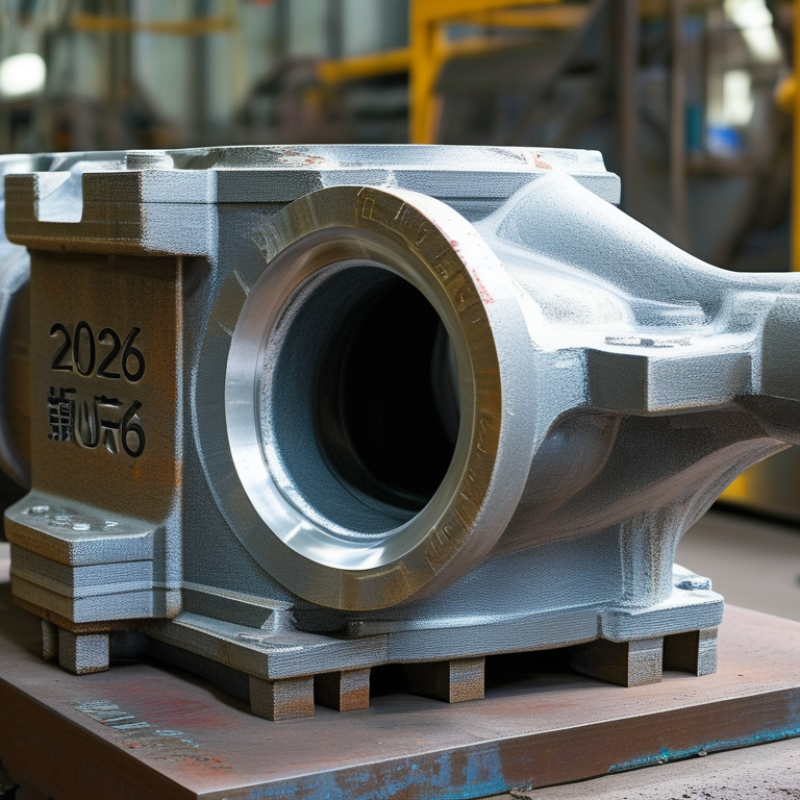
The global market for pump castings is experiencing significant growth. According to recent industry reports, the market is expected to reach a value of approximately $25 billion by 2026. This growth is driven by rising demand from key sectors, including water treatment, oil and gas, and chemical processing.
A report from Research and Markets indicates that Asia Pacific holds the largest share, accounting for about 40% of the global market. This region benefits from rapid industrialization and infrastructure development. Moreover, increasing investments in renewable energy projects boost the demand for efficient pump castings.
However, challenges remain. Quality control and sustainability are critical issues. Many manufacturers struggle with maintaining consistent quality across production batches. Additionally, the environmental impact of materials used in casting is under scrutiny. Companies must navigate these complexities while striving to meet customer demands for both performance and compliance.
When selecting pump castings, key characteristics must be considered. Quality pump castings should exhibit excellent durability. They must handle high pressure and temperature changes. Proper material selection is essential here. Choose alloys with corrosion resistance for added longevity.
Consider the production process. A good casting technique can significantly affect the final product quality. Pay attention to the molding and finishing methods used. Inadequate processing can lead to defaults. Flaws might not be immediately visible but can cause operational issues later.
Tips for buyers: Always ask about quality assurance measures. Manufacturers should follow strict quality control standards. Look for certifications that validate their production methods. Conducting thorough research can save time and money in the long run. Also, don’t hesitate to seek expert testimonials. Their insights can highlight potential pitfalls.
Make sure to evaluate each supplier’s track record. Gathering feedback from previous clients can provide valuable insights. Beware of overly optimistic claims without substantiation. A vigilant approach will ensure you invest in reliable pump castings.
In 2026, the demand for high-quality pump castings continues to rise. Global buyers seek reliable manufacturers and suppliers who can deliver exceptional products. Choosing the right partner is crucial for achieving operational efficiency in industries that rely on pump systems.
Many top manufacturers emphasize quality control and advanced technology. They focus on producing castings that withstand harsh environments. However, buyers must consider not just the specifications, but also the supplier's reputation. Researching customer reviews and industry certifications can lead to better decisions.
Tips: Always assess the supplier's production capabilities before placing an order. Look for companies that offer customization options. A flexible supplier can adapt to unique project requirements.
Another important factor is communication. Clarity in discussions helps prevent misunderstandings. Suppliers who prioritize transparency often foster better long-term relationships.
Tips: Establish clear expectations upfront. Regular check-ins during the production process can also enhance collaboration. This approach ensures that the final product meets your standards.
| Manufacturer Location | Casting Material Type | Annual Production Volume (Tons) | Quality Certification | Main Export Markets |
|---|---|---|---|---|
| Germany | Ductile Iron | 5000 | ISO 9001 | Europe, Asia |
| USA | Aluminum | 3000 | AS9100 | North America, Africa |
| China | Cast Iron | 10000 | ISO 14001 | Asia, Europe |
| India | Bronze | 2000 | ISO 9001 | Middle East, Asia |
| Brazil | Steel | 1500 | OHSAS 18001 | South America, North America |
The landscape of pump casting materials is evolving rapidly. New technologies are emerging to meet the demands of modern industries. Metals like ductile iron and stainless steel continue to dominate due to their strength and durability. However, alternative materials are gaining traction. Composites and lighter alloys are being explored for their potential in reducing weight and improving efficiency.
Innovative casting techniques are transforming production processes. Additive manufacturing is one area that shows promise. It allows for complex designs that traditional methods cannot achieve. However, these technologies come with challenges. The precision required can lead to higher costs and longer lead times. Manufacturers must weigh these factors against the benefits of improved performance.
Another important consideration is sustainability. Industries are facing pressure to reduce their environmental impact. This has led to the exploration of recycled materials in pump castings. While the concept is appealing, questions remain about their reliability and performance. Companies are still testing these materials to ensure they meet industry standards. The shift towards sustainable practices may take time, but it is an essential focus for the future.
The market for pump castings in 2026 is expected to witness significant growth. This growth stems from various industries, including water management and manufacturing. The demand for durable and efficient pump castings will drive advancements in production techniques. Buyers seek products that offer reliability and longevity.
Pricing trends indicate fluctuations in raw material costs. These changes could affect the overall price of pump castings. Manufacturers must remain vigilant about market dynamics. They should assess their supply chains regularly. A balance between cost and quality remains vital. Buyers often desire affordable solutions without compromising on performance.
While many products meet basic standards, some lack the durability needed for demanding applications. It is crucial for buyers to research and compare options. Understanding the nuances of different materials and designs can make all the difference. Not all castings serve every purpose effectively. Thorough evaluation is key to making informed decisions.
: Rising demand from water treatment, oil and gas, and chemical processing sectors drives market growth.
The Asia Pacific region holds about 40% of the global market share due to industrialization and development.
Quality pump castings should exhibit durability, handle high temperatures, and be made from corrosion-resistant materials.
A good production process affects the final product quality, and inadequate processing can lead to hidden flaws.
Buyers should ask about quality assurance measures and gather feedback from previous clients to evaluate reliability.
Composites and lighter alloys are being explored alongside traditional metals like ductile iron and stainless steel.
Companies face pressure to reduce environmental impact, leading to exploration of recycled materials, despite reliability concerns.
Techniques like additive manufacturing can increase costs and lead times due to the precision required in production.
Look for certifications that validate production methods, ensuring manufacturers follow strict quality control standards.
While alternative materials may offer benefits, their reliability and performance are still being tested against industry standards.
The article "2026 Best Pump Castings for Global Buyers Insights" provides a comprehensive overview of the pump castings market, highlighting its significance to global buyers. It details the key characteristics that define quality pump castings, focusing on aspects such as durability, precision, and manufacturing standards.
Additionally, the article outlines the top manufacturers and suppliers anticipated in 2026, showcasing the competitive landscape of the industry. It also explores emerging trends in pump casting materials and technologies, indicating a shift towards more sustainable and efficient options. Finally, the analysis of market demand and pricing trends reveals insights into how the market for pump castings is expected to evolve, providing valuable information for stakeholders aiming to navigate this dynamic environment.

Junlong