What is Carbon Steel Cast Components for Your Manufacturing Needs?

Time:2026-05-15 Author:Mason
0%

When it comes to manufacturing, choosing the right materials is crucial. Carbon Steel Cast Components play a significant role in various industries. These components are known for their durability and strength. They offer a unique combination of performance and cost-effectiveness. Engineers and manufacturers often rely on Carbon Steel for high-stress applications.

The versatility of Carbon Steel Cast Components makes them suitable for many uses. They can be found in automotive, construction, and machinery sectors. Understanding their properties helps in making informed decisions. However, not all carbon steel is created equal. Quality varies, and selecting the wrong type can lead to failures in production.

There’s an increasing demand for reliable components in today’s market. With advancements in technology, manufacturers can create better designs and finishes. Yet, challenges remain. A thorough understanding of the production process is essential. Ensuring quality and reliability in Carbon Steel Cast Components can make or break a project.
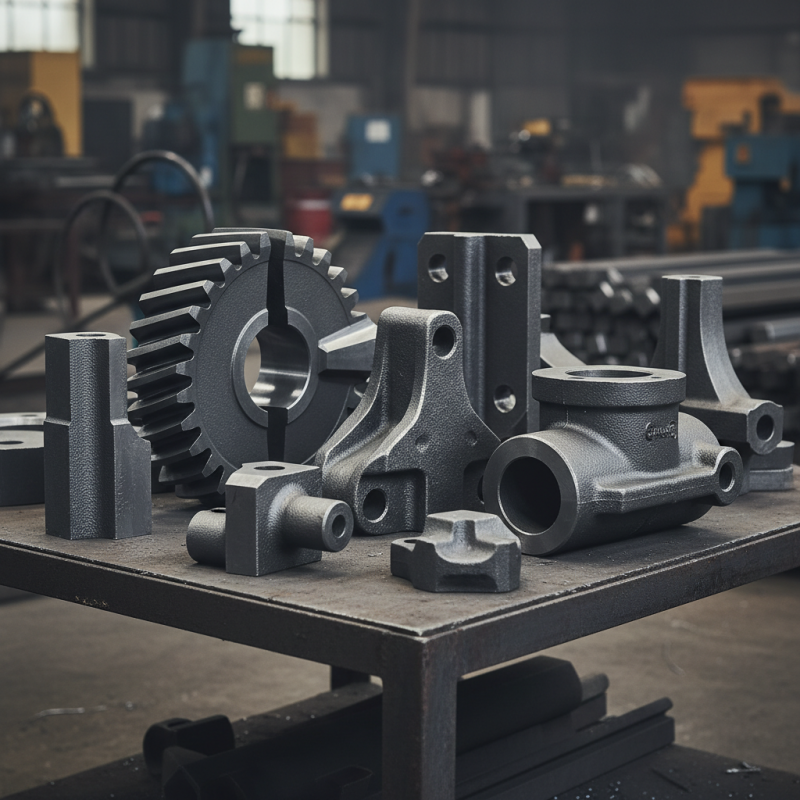
What is Carbon Steel Cast Components for Your Manufacturing Needs?

Definition and Composition of Carbon Steel Cast Components

Carbon steel cast components are essential in various manufacturing processes. They are known for their strong mechanical properties and versatility. The term "carbon steel" refers to iron combined with a specific amount of carbon. Typically, carbon content can range from 0.05% to 2%. This composition greatly affects the material's hardness and strength.

In terms of standard composition, carbon steel usually contains small amounts of manganese, silicon, and copper. These elements enhance its durability and performance under stress. The varying carbon percentages result in different grades of steel, each suitable for specific applications. For instance, low-carbon steels are easier to mold but less strong. High-carbon steels offer greater strength but can be more challenging to work with.

While carbon steel cast components provide significant benefits, manufacturers face challenges as well. Achieving the desired properties requires precise control during casting and cooling. Inconsistent temperatures can result in unwanted defects. Additionally, understanding the trade-offs between ductility and strength is crucial. Each project demands careful consideration of these factors to ensure the final product meets quality standards.

What is Carbon Steel Cast Components for Your Manufacturing Needs? - Definition and Composition of Carbon Steel Cast Components

Component Type Composition (%) Applications Advantages
Low Carbon Steel Carbon: 0.05 - 0.25
Others: Manganese, Iron
Automotive parts, Structural components Good ductility, Easy to weld
Medium Carbon Steel Carbon: 0.25 - 0.60
Others: Manganese, Silicon
Gears, Axles, Crane hooks High strength, Excellent wear resistance
High Carbon Steel Carbon: 0.60 - 1.00
Others: Manganese, Nickel
Cutting tools, Springs, High-strength wires Very high hardness, Excellent edge retention
Alloy Steel Carbon: Varies
Alloys: Chromium, Molybdenum, Vanadium
Aerospace, Heavy machinery Improved toughness, Greater resistance to wear

Applications of Carbon Steel Cast Components in Manufacturing

Carbon steel cast components are widely used in various manufacturing applications. These components offer a unique blend of strength, durability, and versatility. From automotive parts to industrial machinery, they play a crucial role in ensuring functionality and reliability. Their ability to withstand extreme conditions makes them ideal for heavy-duty applications.

In the automotive industry, carbon steel cast components are commonly utilized in the production of engine blocks and transmission cases. These parts must endure high temperatures and heavy loads. The casting process allows for intricate designs, contributing to overall vehicle performance. However, manufacturers must pay attention to quality control during the casting process to avoid defects.

Another significant application is in construction machinery. Components like gears and housings require robust materials. Carbon steel provides resistance to wear and tear, which is vital in demanding environments. Still, the challenge lies in balancing performance and weight. Excessive weight can hinder machinery efficiency. Thus, continual innovation in casting techniques is essential for optimizing these components for future manufacturing needs.

Advantages of Using Carbon Steel Cast Components

Carbon steel cast components have gained popularity in various manufacturing sectors. These components are known for their strength and durability. The casting process ensures uniformity, which is crucial for high-quality production. Manufacturers value these components for their cost-effectiveness and versatility in design.

One significant advantage of carbon steel is its mechanical properties. It offers excellent weldability and machinability, making it easier to work with during production. This adaptability allows manufacturers to create diverse products. The high tensile strength of carbon steel also contributes to the longevity of components, reducing frequent replacements. Engineers appreciate this feature, as it enhances safety and performance.

However, there are challenges. Carbon steel may rust without proper treatment. Manufacturers need to invest in coatings or surface treatments to prevent corrosion. This extra step can increase initial costs, but the long-term benefits often outweigh these concerns. Companies should carefully evaluate their specific needs before deciding. Balancing cost, performance, and maintenance is essential for optimal use of carbon steel cast components.

Common Manufacturing Processes for Carbon Steel Cast Components

Carbon steel cast components are essential in various manufacturing sectors due to their durability and strength. The most common manufacturing processes for producing these components include sand casting, investment casting, and die casting. Each method has unique advantages and applications.

Sand casting is one of the oldest techniques. It involves creating molds from sand and pouring molten metal into them. This method is flexible, accommodating complex shapes. However, achieving a smooth surface finish can be challenging. Investment casting provides more precision. It uses wax patterns for accurate detailing. Despite its advantages, it can be more costly and time-consuming. Die casting is used for mass production. It allows for rapid output of consistent parts. Yet, it may not suit all carbon steel designs.

Choosing the right process depends on various factors, such as design complexity and production volume. Each process has its challenges. Reflecting on these choices helps manufacturers identify the best approach for their specific needs. Striking the right balance between quality, cost, and production speed is crucial.

Considerations for Selecting Carbon Steel Cast Components in Projects

When selecting carbon steel cast components for manufacturing projects, several considerations come into play. Carbon steel offers strength and durability, key traits in many applications. However, the specific type of carbon steel can significantly affect performance. Low-carbon steel is malleable but less sturdy than high-carbon options. Knowing your project's requirements helps in making a sound choice.

Production methods also matter. Some processes can introduce defects, impacting the integrity of the cast components. Look for precision in castings; even small deviations can lead to failure in critical applications. Be wary of surface imperfections, as they may indicate broader issues in quality.

Additionally, consider the environmental conditions the components will face. Moisture and heat can lead to corrosion and deformation over time. Ensure the carbon steel alloy you choose fits the environment it will encounter. This consideration can prevent future cost overruns due to unexpected failures. Balancing these factors requires careful thought and experience in material selection.

FAQS

: What are common manufacturing processes for carbon steel cast components?

: Common methods include sand casting, investment casting, and die casting, each with distinct advantages.

What is sand casting?

Sand casting is an ancient technique using sand molds to shape molten metal. It handles complex shapes well.

What are the challenges of sand casting?

Achieving a smooth surface finish is difficult. Small imperfections may affect the overall quality.

What is investment casting?

Investment casting uses wax patterns for detailed and precise components. It’s generally more costly and time-consuming.

Why choose die casting?

Die casting is ideal for mass production, providing consistent parts quickly. It suits specific designs well.

How do I choose the right manufacturing process?

Consider design complexity, production volume, and the unique challenges of each method for optimal results.

What factors affect the performance of carbon steel?

The type of carbon steel matters. Low-carbon steel is malleable, while high-carbon offers more strength.

How can environmental conditions impact carbon steel components?

Moisture and heat can cause corrosion and deformation. Selecting the right alloy helps prevent failures.

Why is precision important in cast components?

Even small deviations can lead to failures in critical applications. Quality needs careful attention throughout production.

What should I reflect on when selecting materials?

Balancing quality, cost, and production speed requires thoughtful consideration. Experience plays a crucial role.

Conclusion

Carbon Steel Cast Components are essential elements in various manufacturing processes, known for their strength and versatility. Composed primarily of iron and carbon, these components are widely utilized in industries ranging from automotive to construction due to their excellent mechanical properties and cost-effectiveness. The main applications include structural frameworks, machinery parts, and tooling, making them integral to production efficiency.

The advantages of using Carbon Steel Cast Components lie in their durability, ease of machining, and ability to withstand high loads. Common manufacturing processes for these components include sand casting and investment casting, which allow for intricate designs and high precision. When selecting Carbon Steel Cast Components for projects, considerations such as chemical composition, tensile strength, and intended application must be taken into account to ensure optimal performance and longevity in the final products.


Mason

Mason

Mason is a seasoned marketing professional with a deep expertise in the company's offerings and a passion for driving brand awareness. With a strong background in digital marketing strategies, he has an innate ability to connect with diverse audiences and effectively communicate product benefits.......