Carbon Steel Cast Components are increasingly favored for a variety of projects. Industry expert, Dr. Emily Thompson, emphasizes their importance, stating, "Carbon Steel Cast Components provide unmatched strength and versatility." This material choice reflects a balance between strength and ductility. It has unique qualities that set it apart.
The durability of Carbon Steel Cast Components makes them ideal for heavy-duty applications. These components withstand immense pressure and harsh environments. For construction, machinery, and automotive uses, they offer reliability. Customers appreciate the high-quality castings that meet strict industry standards. However, it’s essential to acknowledge that not all projects need this material. Evaluating specific requirements remains crucial.
Moreover, while Carbon Steel Cast Components are robust, they can be susceptible to corrosion. This necessitates proper treatment and maintenance. Engineers must consider these factors during the design phase. Understanding both benefits and limitations is vital for optimal performance. Carbon Steel Cast Components have their place, but careful selection is key for success in any project.
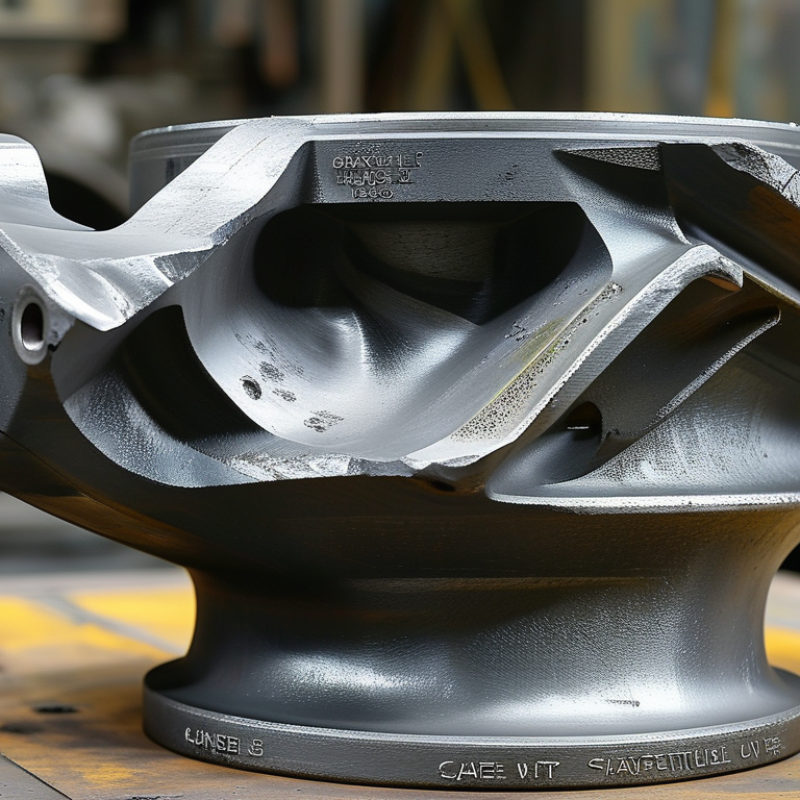
Benefits of Using Carbon Steel in Cast Components
Carbon steel cast components are increasingly popular in various industries, primarily due to their numerous benefits. One significant advantage is their strength and durability. According to a report from the American Iron and Steel Institute, carbon steel demonstrates tensile strengths of 50,000 psi or more, making it suitable for heavy-load applications. This strength translates to longer-lasting products, reducing maintenance costs and downtime for manufacturers.
In addition to their exceptional strength, carbon steel components exhibit excellent machinability. This means they can be easily shaped and fabricated into complex designs. A study by the International Journal of Advanced Manufacturing Technology highlights that carbon steel allows for higher precision in casting processes, resulting in better fit and performance in mechanical applications. However, there are challenges involved, such as susceptibility to corrosion if not treated properly. Therefore, protective coatings or treatments may be necessary.
Moreover, the versatility of carbon steel is noteworthy. It can be alloyed with other elements to enhance specific characteristics, tailoring properties to meet industry demands. The World Steel Association estimates that the global utilization of carbon steel in cast components will continue to grow, driven by advancements in manufacturing techniques. This adaptability can lead to improvements in product efficiency and innovation. However, careful consideration is required for specific project needs, balancing cost and performance for optimal results.
Applications of Carbon Steel Cast Components Across Industries
Carbon steel cast components play a crucial role across various industries. Their unique properties make them suitable for applications requiring durability and strength. According to a report from the World Steel Association, carbon steel accounts for about 90% of total steel production. This widespread usage highlights its importance in structural and mechanical applications. From construction to automotive, carbon steel castings provide the reliability needed for heavy-duty operations.
In the construction sector, carbon steel cast components are frequently used in structural frameworks and machinery. They withstand harsh conditions, making them ideal for bridges and high-rise buildings. In the automotive industry, these components are essential for manufacturing crucial parts, enhancing safety and performance. A detailed analysis from McKinsey indicates that carbon steel’s suitability for complex shapes allows for greater design flexibility, improving overall product efficiency.
Consider these insights: always assess the specific requirements of your project. The choice of materials can impact performance and costs significantly. Regularly review industry standards and updates to ensure compliance with safety regulations. Understanding the nuances of carbon steel castings can lead to smarter choices. Always prioritize quality over cost; a durable component often saves money in the long run.
Why Choose Carbon Steel Cast Components for Your Projects?
| Application Area |
Key Features |
Typical Usage |
Advantages |
| Construction |
High strength, good ductility |
Support beams, frame structures |
Reliable load-bearing capacity, safety |
| Automotive |
Wear resistance, machinability |
Engine components, suspension parts |
Enhanced performance, durability |
| Oil & Gas |
Corrosion resistance, high temperature strength |
Pipes, valves, fittings |
Safety in harsh conditions, longevity |
| Aerospace |
Lightweight, high tensile strength |
Aircraft components, landing gear |
Fuel efficiency, reduced weight |
| Energy |
Thermal stability, high impact resistance |
Turbine parts, power generation equipment |
Consistent performance, reliability |
Comparison of Carbon Steel to Other Material Choices
When selecting materials for industrial projects, carbon steel stands out for several reasons. Compared to stainless steel, carbon steel offers a compelling balance between strength and cost. According to the American Iron and Steel Institute, carbon steel can be roughly 30% cheaper than stainless steel, making it an economical choice for many applications. This cost-effectiveness does not compromise its durability; carbon steel components can withstand significant stress and wear, especially in heavy machinery.
However, the choice between carbon steel and aluminum often sparks debate. Aluminum is lighter and corrosion-resistant. But it typically cannot match the tensile strength of carbon steel. A report by the Metal Service Center Institute highlights that carbon steel can handle more than twice the load before yielding than aluminum components. This makes carbon steel ideal for structural applications where strength is essential.
Despite its advantages, carbon steel does have limitations. It is more susceptible to rust and corrosion than other materials, which can lead to higher maintenance costs over time. Understanding the specific requirements of your project is crucial. Given its strengths and weaknesses, carbon steel remains a reliable choice for many industrial applications.
Why Choose Carbon Steel Cast Components for Your Projects?
Understanding the Manufacturing Process of Carbon Steel Castings
The manufacturing process of carbon steel castings begins with pattern creation. This involves forming a detailed model, which can be made from metal, wood, or plastic. Once created, the pattern is placed in a sand mold. The mold captures the details of the pattern, ensuring precision in the final product. A strong mixture of sand and a binder is typically used to create these molds.
After the mold is prepared, molten carbon steel is poured into it. This step requires careful temperature control to maintain the right viscosity. After the steel solidifies, the mold is removed to reveal the casting. Surface finishing follows, where imperfections are corrected, and the component is made ready for use.
Tips for successful carbon steel casting include ensuring your pattern is free of defects. Even minor imperfections can affect the final product's performance. Additionally, monitor the cooling times closely. Rapid cooling can lead to internal stresses, which may cause cracking later. Regularly reviewing the quality control process can help maintain the integrity of each cast. Remember, every mistake offers a lesson for improvement.
Critical Considerations for Selecting Carbon Steel Components
When selecting carbon steel cast components, several critical factors come into play. Carbon steel is known for its excellent strength and durability, making it ideal for numerous applications. According to a report by the American Society for Metals, carbon steel components can withstand high loads and stress, often exceeding the performance of other materials.
One must consider the specific environment and conditions the components will face. For example, components used in corrosive environments require coatings or treatment. A study by the Steel Construction Institute pointed out that 40% of failures in steel components are due to inadequate surface protection. Ensuring proper treatment can significantly extend the lifespan of components, reducing the overall project costs.
While carbon steel offers many benefits, it is not without its challenges. Cost can fluctuate based on market demand. Additionally, sourcing high-quality materials can be tricky. Some manufacturers may cut corners, leading to compromised quality. Recognizing these hurdles is essential for any project manager. An informed decision can guide you toward reliable suppliers and high-performing components.
Conclusion
Carbon Steel Cast Components are increasingly favored in various industries due to their numerous benefits, such as high strength, durability, and cost-effectiveness. This material is particularly suited for demanding applications where resilience is essential, making it ideal for use in construction, automotive, and manufacturing sectors. Compared to alternative materials, carbon steel offers superior mechanical properties, often resulting in better performance and longevity of the components.
The manufacturing process of carbon steel castings involves several critical steps, ensuring precision and quality. Factors such as design requirements, the expected operational environment, and corrosion resistance play a significant role in selecting the right carbon steel components for specific projects. By understanding these aspects, engineers and project managers can make informed decisions that enhance the efficiency and reliability of their applications.

 Junlong