Industrial Castings have become a fundamental component in modern manufacturing. According to a report by the American Foundry Society, the metal casting industry contributes over $30 billion annually to the U.S. economy. This figure highlights the importance of Industrial Castings in a variety of sectors, including automotive, aerospace, and machinery. These castings offer unmatched versatility and durability, often outperforming alternative manufacturing methods.
The global demand for Industrial Castings is projected to grow at a compound annual growth rate (CAGR) of 5.1% through 2027. This statistic indicates a robust market, reflecting the industry's ability to innovate and meet diverse needs. Industrial Castings are essential not only for creating complex shapes but also for enhancing the mechanical properties of components. However, there are challenges associated with sourcing high-quality castings. Issues such as production consistency and material integrity can arise, necessitating a careful selection of suppliers.
Investing in Industrial Castings is a strategic choice for manufacturers aiming for efficiency and reliability. Careful consideration of these factors can lead to improved product performance and reduced costs. Engaging with a trusted foundry that adheres to strict industry standards is critical. As the manufacturing landscape evolves, the role of Industrial Castings will continue to be pivotal in achieving operational excellence.
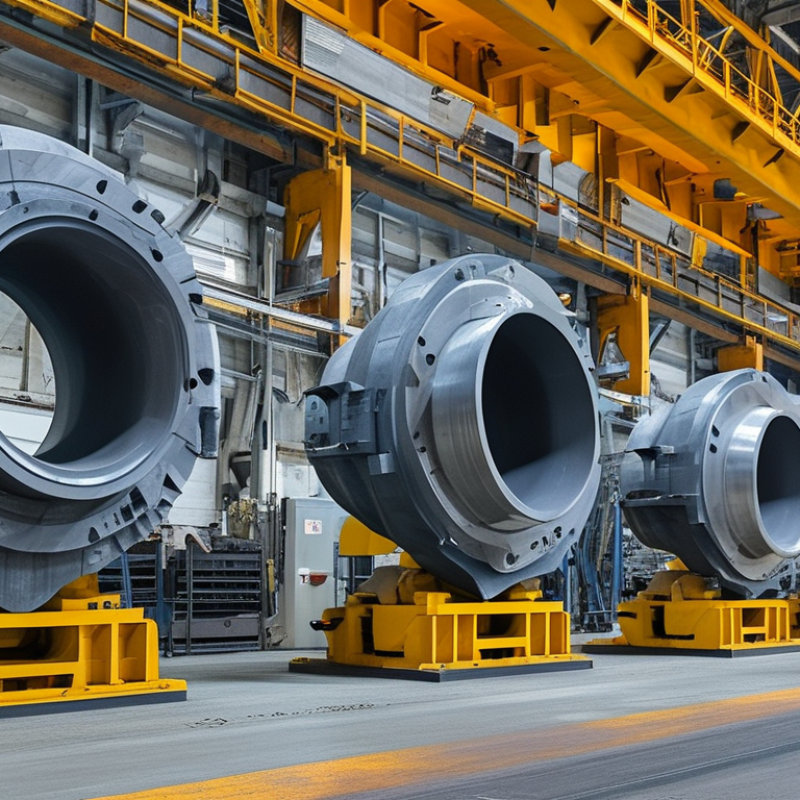
Industrial castings play a crucial role in manufacturing. They offer unique advantages that enhance production efficiency and product quality. One significant benefit is design flexibility. Designers can create complex shapes and sizes that meet exact specifications. This aspect allows for innovative products, which traditional methods may not achieve.
Another advantage is the durability of castings. Made from robust materials, they withstand high stress and harsh environments. This reliability is vital in industries such as automotive and aerospace. Using industrial castings often results in lower maintenance costs over time. However, achieving the right balance in material selection can be challenging.
Production times can also be optimized with industrial castings. Since parts can be produced in bulk, manufacturers save time and resources. Yet, consistent quality control is essential. Inconsistencies can lead to defects that impact overall performance. Proper monitoring during the casting process helps mitigate these risks.
Industrial castings are crucial in manufacturing due to their versatility and durability. They are made from various materials, each providing unique properties. Commonly used materials include iron, aluminum, and steel.
Cast iron is popular for its strength and wear resistance. It is often used in heavy machinery and automotive parts. Aluminum, on the other hand, is lightweight and exhibits excellent corrosion resistance. This makes it suitable for applications in aerospace and consumer goods. Steel castings are known for their toughness and flexibility. They are abundantly used in construction and heavy equipment, often where demanding conditions are present.
Each material has its pros and cons. Choosing the right one requires understanding the application's specific needs. For example, while cast iron is sturdy, it can be brittle under extreme conditions. Understanding these nuances can make a significant difference in production quality. Manufacturers must often revisit their material choices, ensuring they meet both performance and cost-effectiveness.
Industrial castings play a crucial role in modern manufacturing. They provide significant cost-efficiency that can enhance production processes. The use of cast metal components helps reduce material wastage. They can be produced in large quantities with minimal defects, which lowers overall costs. By investing in industrial castings, manufacturers often experience a decrease in the need for extensive machining processes.
Another aspect to consider is the ability to create complex shapes. This complexity reduces assembly times and labor costs. However, the initial investment in good quality molds can be high. This factor requires careful financial planning. It’s also worth noting that not all castings are created equal. Some may not meet performance expectations, leading to additional costs.
Ultimately, companies must weigh the upfront costs against long-term savings. Industrial castings can offer a reliable solution, but they aren't a one-size-fits-all answer. Manufacturers should assess their specific needs and production capabilities. Failing to do so might lead to less efficient operations and unexpected expenses.
Industrial castings play a vital role in enhancing production efficiency and product quality. These components are made through intricate processes that involve pouring molten metal into molds. This method allows for precise shaping of materials, which can lead to improved performance in finished products. When manufacturers use industrial castings, they often notice fewer defects in their components. This reduction translates into a more streamlined production process.
However, achieving optimal results with industrial castings requires significant expertise. The quality of raw materials is crucial. Poor-quality metals can lead to structural weaknesses and disappointments down the line. It’s also essential to choose the right casting process. Different methods can yield varying qualities. Decisions on the mold design and cooling rates can impact the final product's characteristics. Reflection on these factors can identify room for improvement in production practices.
Moreover, understanding the specific needs of a project is paramount. Some designs may initially seem perfect but can be cost-prohibitive. Adaptations may be necessary to balance quality and budget constraints. A thorough analysis of the casting's role in overall manufacturing efficiencies can illuminate paths for future success. Emphasizing real-world applications ensures that the casting process is only as effective as the thought and planning behind it.
The future of industrial castings is shifting, with technological innovations driving significant changes. Industry reports indicate that the global market for industrial castings is projected to reach $300 billion by 2026. This growth is largely fueled by advancements in materials and manufacturing techniques.
Additive manufacturing (AM) is one key trend reshaping the industry. AM allows for complex geometries and reduced waste during production. A study found that nearly 30% of manufacturers are exploring this technology for creating cast components. However, integrating AM into established processes can pose challenges. Skilled labor is often needed to operate new systems effectively, raising concerns about workforce training.
Automation is another critical factor influencing the future of industrial castings. It enhances efficiency and precision. Yet, fully automated systems are not flawlessly reliable. Some manufacturers report that automation can lead to unexpected downtime, requiring human intervention. Striking the right balance between automation and skilled labor is vital. Ultimately, ongoing research and development will dictate the direction of industrial casting innovations.
: Industrial castings offer design flexibility and durability, enabling the production of complex shapes that withstand harsh conditions.
They allow for bulk production, saving time and resources. However, monitoring quality is essential to avoid defects.
Achieving the right material balance can be difficult, potentially leading to structural weaknesses in the final product.
Advancements, such as additive manufacturing, allow for complex designs but require skilled labor for effective implementation.
Inconsistencies in casting can result in defects, affecting overall performance and leading to higher maintenance costs.
The quality of raw materials is crucial; poor-quality metals can significantly compromise the integrity of the products.
Not always. Some designs may be cost-prohibitive, necessitating adaptations to align quality with budget constraints.
The market is projected to grow, driven by technological advancements and innovations that may change traditional practices.
No. Automation can result in unexpected downtime, highlighting the need for human intervention and skilled labor.
A thorough analysis of casting roles in production can reveal areas for improvement and optimize manufacturing practices.
Industrial castings offer numerous advantages in manufacturing processes, including versatility and the ability to produce complex shapes with high precision. Key materials such as iron, steel, and aluminum are commonly used in industrial castings, each possessing unique properties that enhance their suitability for various applications. Notably, industrial castings contribute to cost efficiency by streamlining production workflows and minimizing waste, ultimately reducing overall manufacturing expenses.
In addition to cost savings, industrial castings significantly impact production efficiency and product quality. Advanced casting techniques and innovations are shaping the future of this sector, enabling manufacturers to achieve higher standards and faster turnaround times. As industries continue to evolve, the ongoing technological advancements in industrial castings promise to enhance performance and sustainability in manufacturing.

Junlong