Why Are Heat Resistance Castings Essential for Your Industry?

Time:2026-06-04 Author:Isabella
0%

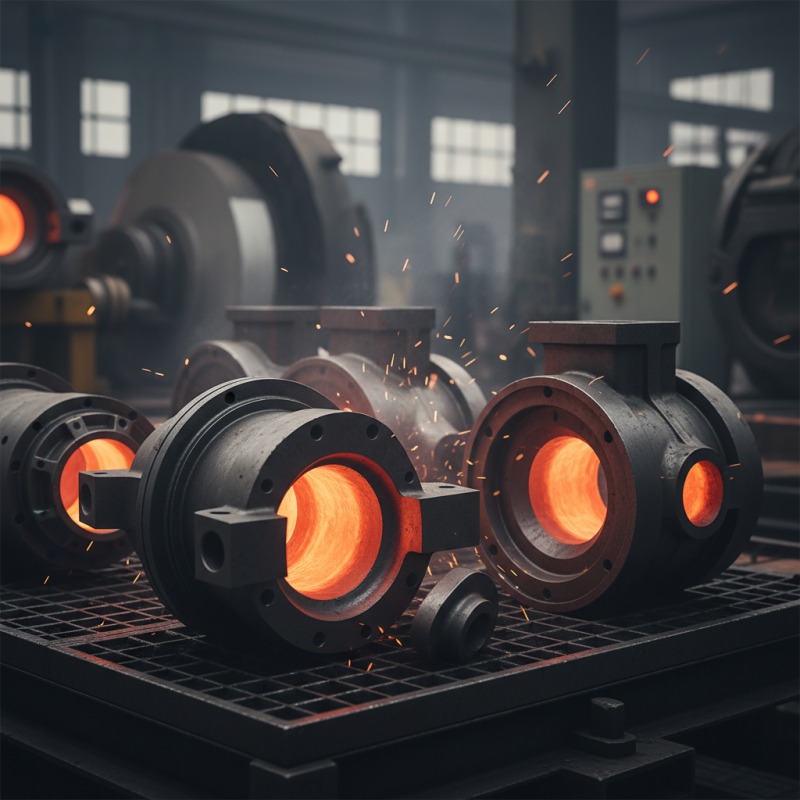
Heat Resistance Castings play a pivotal role across various industries. These specialized castings withstand extreme temperatures, providing durability and reliability. Industries such as aerospace, automotive, and energy heavily rely on these components. The efficiency and safety of machinery depend on high-quality materials that can endure intense heat.

In an increasingly demanding market, the importance of Heat Resistance Castings cannot be overstated. They prevent failures that could lead to costly downtime. Manufacturers must choose the right materials and processes. This choice directly impacts performance and longevity. However, not all castings are created equal. Some may not meet specific standards, leading to unexpected challenges.

When evaluating suppliers, it’s crucial to consider their expertise and track record. Quality assurance measures should be in place. The right partner can provide insight into the latest technologies and materials. Investing in proper Heat Resistance Castings ultimately ensures operational efficiency and enhances overall productivity.
Why Are Heat Resistance Castings Essential for Your Industry?

Importance of Heat Resistance Castings in Industrial Applications

Heat resistance castings play a crucial role in various industrial applications. They are essential for operating in high-temperature environments. Industries like aerospace, automotive, and energy rely on these castings to withstand extreme conditions. Machinery exposed to heat must maintain performance and safety. Heat resistance materials help prevent failures that can lead to costly downtimes or safety hazards.

The properties of heat resistance castings ensure durability. They are designed to endure thermal stress and oxidation. This makes them vital for components like engine parts, furnace linings, and exhaust systems. Choosing the right materials can be challenging. Engineers must consider factors like thermal conductivity and tensile strength. A wrong choice could result in catastrophic failures. This highlights the importance of expertise in material selection.

Moreover, developing heat resistance castings requires continuous innovation. The manufacturing processes evolve to enhance performance. Testing and validation are critical for reliability. Companies often face the pressure to balance cost and quality. Therefore, the demand for skilled professionals in this area is growing. Reflections on past failures can lead to better designs and improved safety protocols.

Understanding the Properties of Heat Resistance Castings

Heat resistance castings play a crucial role in various industries, particularly where high temperatures are a constant factor. These materials demonstrate remarkable durability and stability under extreme conditions. According to a report by the International Journal of Advanced Manufacturing Technology, heat-resistant alloys can withstand temperatures exceeding 1,000 degrees Celsius without significant deformation. This property is vital in sectors such as aerospace, energy, and automotive manufacturing.

Moreover, heat resistance castings exhibit enhanced mechanical properties. They maintain their strength and hardness even in fluctuating thermal environments. A study published in the Materials Science and Engineering journal highlighted that proper alloy compositions lead to a reduction in thermal expansion. Industry experts recommend using alloy systems that balance strength with thermal stability to increase efficiency.

However, not all heat-resistant materials perform equally under stress. Each application may require specific evaluation. Thorough testing can reveal weaknesses in certain casting designs. It is essential for manufacturers to assess the performance parameters of their castings regularly. Keeping up-to-date with industry standards ensures long-term reliability and safety in high-stakes environments.

Why Are Heat Resistance Castings Essential for Your Industry? - Understanding the Properties of Heat Resistance Castings

Property Importance Application Material Types
High Temperature Resistance Essential for maintaining integrity under heat Aerospace components Nickel-based alloys
Thermal Stability Prevents warping and distortion Industrial furnaces Cast iron
Corrosion Resistance Increases longevity of components Chemical processing equipment Stainless steel
Wear Resistance Reduces maintenance costs Mining machinery High-alloy steel
Thermal Conductivity Facilitates heat dissipation Power generation equipment Copper alloys

Common Industries Utilizing Heat Resistance Castings

In various industries, heat resistance castings play a crucial role. The aerospace sector often demands materials that can withstand extreme temperatures. Data shows that over 25% of aerospace component failures arise from thermal fatigue. Efficient casting solutions help reduce this risk significantly.

The automotive industry also heavily relies on heat-resistant castings. In fact, approximately 40% of passenger vehicle parts are subjected to high temperatures. With stringent safety regulations, manufacturers can’t afford failures. Quality castings ensure engine durability and performance.

Moreover, the energy sector benefits greatly from these castings. Power generation facilities often operate at high heat levels. Reports indicate that poorly made castings can lead to efficiency losses of up to 15%. Thus, investing in superior heat resistance casting is essential for reliability in energy production.

Benefits of Heat Resistance Castings for Manufacturing Efficiency

Heat resistance castings play a crucial role in various industries, particularly in enhancing manufacturing efficiency. They are designed to withstand high temperatures, making them ideal for equipment that operates in extreme environments. These castings are often produced from specialized alloys, ensuring they can endure thermal stress without deforming. For factories, this means less downtime due to equipment failure, which can significantly boost productivity.

In many manufacturing processes, the temperature can reach levels that damage standard materials. Heat resistance castings mitigate this risk, protecting machinery and extending its lifespan. Increased durability leads to lower maintenance costs. Manufacturers can allocate resources more efficiently, focusing on production rather than repairs. However, some may overlook the initial investment in high-quality castings. This choice can lead to greater long-term costs, as inferior materials could fail prematurely.

Furthermore, using heat resistant materials often results in improved manufacturing outcomes. High thermal stability can optimize the production cycle, often allowing for faster processing times. Industries that prioritize efficiency might find that integrating these castings into their operation provides a competitive edge. Striking a balance between cost and quality in material choice remains a challenge that requires careful consideration.

Challenges in Selecting and Implementing Heat Resistance Castings

Selecting and implementing heat resistance castings is a complex process. Industries face numerous challenges in finding the right materials. These castings must withstand high temperatures while maintaining performance and durability. According to a recent industry report, over 40% of manufacturing failures result from inappropriate materials used in high-temperature applications. Such failures can lead to costly downtime and decreased productivity.

Many factors influence the selection of heat resistance castings. Engineers must consider temperature limits, corrosion resistance, and mechanical properties. The range of available materials can be overwhelming. This diversity complicates the decision-making process. A mismatch between casting material and application can cause safety hazards and increased costs. Evaluation of compatibility with manufacturing processes is often inadequate, leading to unforeseen issues later.

Tip: Collaborate closely with material scientists during the selection process. Their expertise can streamline the choices and enhance reliability.

It's vital to conduct rigorous testing before implementation. The performance of heat resistance castings varies significantly based on operating conditions. An oversight in this phase can result in subpar performance. Companies may learn from others by analyzing previous failures. Continuous feedback loops are essential for refining casting choices over time.

Tip: Regularly review industry reports and case studies for trends and insights. This practice can improve future decision-making and mitigate risks.

FAQS

: What are heat resistance castings?

: Heat resistance castings are materials designed to endure high temperatures without significant deformation.

Why are heat resistance castings important?

They provide durability and stability in industries like aerospace, energy, and automotive, enhancing overall efficiency.

What temperature can heat resistance castings withstand?

Some alloys can resist temperatures exceeding 1,000 degrees Celsius without losing their strength.

How do heat resistance castings improve manufacturing?

They protect machinery from thermal damage, reducing downtime and maintenance costs, boosting productivity.

What challenges exist in selecting these castings?

It can be complex due to factors like temperature limits, corrosion resistance, and material availability.

How often should manufacturers test their castings?

Regular testing is essential to ensure performance and reliability under varying operating conditions.

What can happen if the wrong materials are used?

Using inappropriate materials may lead to production failures, safety hazards, and increased costs.

How can manufacturers enhance their selection process?

Collaborating with material scientists can help streamline choices and improve the reliability of casting materials.

What should companies consider when choosing heat resistance castings?

They must assess mechanical properties and compatibility with their specific manufacturing processes to avoid issues.

What lessons can be learned from past casting failures?

Analyzing previous failures can inform better decision-making and improve future material selections.

Conclusion

Heat resistance castings play a crucial role in various industrial applications due to their ability to withstand high temperatures and maintain structural integrity. These castings are essential for industries such as aerospace, automotive, and power generation, where thermal performance is critical. Understanding the properties of heat resistance castings helps manufacturers select the right materials to optimize their processes and enhance safety.

The benefits of implementing heat resistance castings include improved manufacturing efficiency, extended product lifespan, and reduced downtime. However, challenges such as selecting appropriate materials and ensuring proper implementation can arise. Addressing these challenges is vital for maximizing the advantages of heat resistance castings and maintaining competitive edge in today's demanding industrial landscape.


Isabella

Isabella

Isabella is a dedicated marketing professional with a sharp focus on driving brand growth and engagement through strategic content creation. With an extensive background in digital marketing, she combines her passion for storytelling with her keen understanding of industry trends to deliver......