How to Source Precision Steel Castings for Your Projects?

Time:2026-05-15 Author:Mason
0%

Precision Steel Castings play a vital role in various industries, including automotive, aerospace, and machinery. These castings offer excellent durability and precision, essential for high-performance applications. According to industry reports, the global market for steel casting is expected to reach $40 billion by 2026, driven by rising demand for lightweight materials and components.

Choosing the right supplier for Precision Steel Castings is crucial. Factors like quality standards, production capabilities, and technical expertise can significantly impact project outcomes. A recent survey indicated that 72% of manufacturers faced challenges in sourcing reliable casting suppliers. This highlights the need for thorough research and understanding of the supply chain dynamics.

Despite the clear benefits, sourcing these castings can be complex. Missteps in selection can lead to costly delays and rework. Such risks necessitate a reflective approach when evaluating potential suppliers. Emphasizing experience and quality can lead to better project success, as every detail matters in the precision casting process.
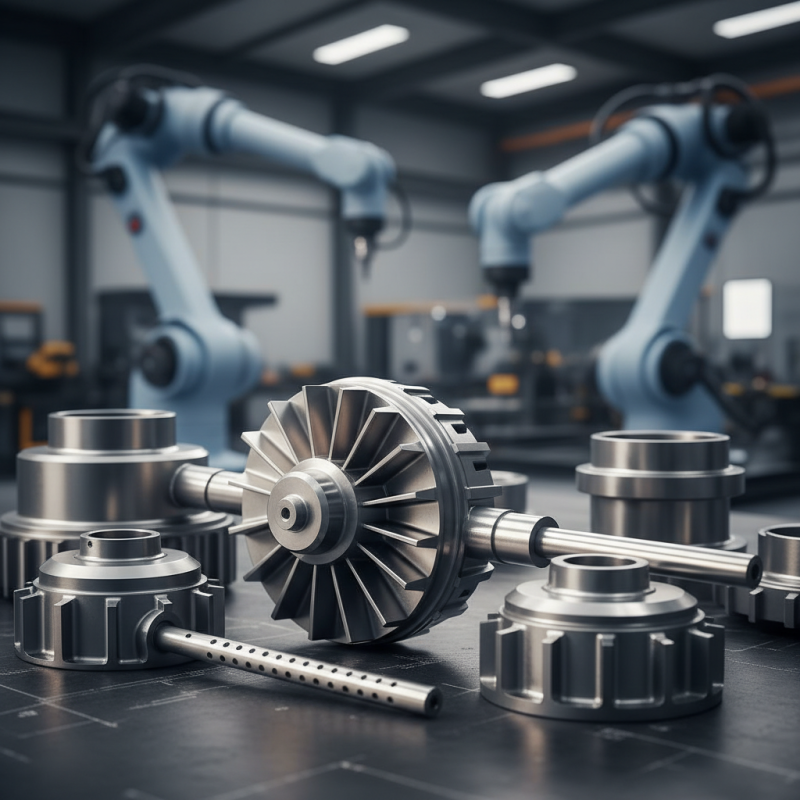
How to Source Precision Steel Castings for Your Projects?

Understanding Precision Steel Castings and Their Applications

Precision steel castings are essential in many industries. They are typically used in aerospace, automotive, and medical applications. Their strength and precision make them ideal for components that require exact specifications.

Understanding the manufacturing process is crucial. Precision steel casting involves pouring molten steel into molds. This technique allows for complex shapes and tight tolerances. However, achieving the desired quality can be challenging. Flaws such as porosity or dimensional errors may arise during casting. Careful monitoring and quality control are necessary to minimize these issues.

Applications vary widely. In aerospace, castings are used for turbine components. In the automotive industry, precision castings provide parts like engine blocks. Medical devices often rely on these castings for durability and performance. It’s essential to identify the right service provider who understands the specific needs of each application. Ensuring that the castings meet industry standards can prevent future complications.

Precision Steel Castings Applications

Identifying Your Project Requirements for Steel Castings

When sourcing precision steel castings, understanding project requirements is essential. Begin by defining specific dimensions and tolerances needed for the components. Data from industry reports indicate that precision steel castings can achieve tolerances as tight as ±0.5 mm. This accuracy significantly reduces the need for further machining, saving time and costs.

Consider the intended application of the castings. Different industries may require special properties. For instance, automotive components often demand high tensile strength and corrosion resistance. According to a recent market analysis, around 40% of precision steel casting applications are in the automotive sector. Gathering information on the environment in which the castings will operate can influence material selection and casting processes.

Tip: Always communicate with potential suppliers early in the process. Their insights can help you refine specifications and potentially identify pitfalls. Also, consider a supplier’s past projects and customer reviews to gauge reliability. This practical knowledge can highlight potential weaknesses in your requirements. Another detail to watch is the availability of post-casting services like machining and finishing. Ensure that your source can support your project needs throughout the lifecycle.

How to Source Precision Steel Castings for Your Projects?

Project Requirement Description Material Specifications Weight Range (kg) Production Method Lead Time (weeks)
Heavy Machinery Components High-strength castings for agricultural machines. Carbon Steel, ASTM A536 50 - 500 Sand Casting 8
Automotive Parts Precision parts for engine components. Alloy Steel, ASTM AISI 4140 10 - 100 Investment Casting 6
Aerospace Components Lightweight and high-strength castings for aircraft. Stainless Steel, ASTM A276 5 - 50 Die Casting 12
Oil & Gas Equipment Durable castings for pressure vessels and pipelines. Ductile Iron, ASTM A395 80 - 1000 Low-Pressure Casting 10

Evaluating Potential Suppliers for Quality and Reliability

When evaluating potential suppliers for precision steel castings, quality is paramount. Check their certifications. A reliable supplier should have ISO or similar certifications. This ensures their processes meet international standards. Ask about their quality control measures. How do they test their products? Regular audits and testing can reveal much about their reliability.

Look into their experience. A supplier with years in the industry likely understands the nuances of precision castings. However, don’t overlook newer companies. They may offer innovative solutions and fresh perspectives. Request case studies or references to gauge their previous projects. This will help you determine if they can meet your specific needs.

Consider their communication practices. A reliable supplier responds quickly to inquiries. They should also be clear about timelines and pricing. Check their ability to handle changes or issues. Flexibility is often a sign of a dependable partner. Finally, trust your instincts. If something feels off, it might be worth further investigation. Balancing these factors helps ensure you select a supplier who is both trustworthy and capable of delivering quality work.

Sourcing Techniques: Where to Find Precision Steel Castings

When sourcing precision steel castings, it’s crucial to explore various techniques to ensure high quality. Start by attending industry trade shows. These events showcase numerous suppliers and allow for direct interaction. Networking at these shows can lead to valuable connections and insights.

Another effective method is utilizing online platforms. Industry-specific directories provide an extensive list of manufacturers. Don’t just settle for the first option. Read reviews and check their certifications. It’s essential to establish a trust-based relationship with suppliers.

Tips: Always request samples before placing a large order. This helps in assessing quality firsthand. Keep track of lead times offered by different suppliers. A longer lead time can sometimes indicate higher quality due to careful production practices. Furthermore, communicate your specific needs clearly. Misunderstandings can lead to wasted resources.

Relying solely on a single source can be risky. Research multiple options to diversify your supply chain. Sometimes smaller manufacturers can provide personalized attention and flexibility. With thorough research and clear communication, you can find the right precision steel castings for your projects.

Assessing Costs and Lead Times for Your Precision Casting Needs

When sourcing precision steel castings, understanding costs and lead times is crucial. Start by outlining your project specifications. Know the materials, tolerances, and dimensions needed. This clarity can significantly influence pricing. Different foundries have varying cost structures. Factors like design complexity and finishing requirements can also impact expenses.

Lead times can vary greatly between manufacturers. On average, expect anywhere from a few weeks to several months. It's vital to inquire about the production schedule upfront. Local suppliers may offer quicker turnaround times, while overseas options might save costs but add delays. Always factor in shipping times and customs when sourcing internationally.

Evaluate multiple quotes and timelines before deciding. It may be tempting to choose the lowest price. However, this could compromise quality or reliability. Consider the manufacturer’s experience and track record. A slightly higher cost might lead to better quality and timely delivery, ultimately benefiting your project in the long run.

FAQS

: What are precision steel castings used for?

: They are used in aerospace, automotive, and medical applications. Their precision is vital for specific components.

What is the manufacturing process for precision steel castings?

Molten steel is poured into molds to create complex shapes. Tight tolerances are important for quality.

What quality issues can occur in precision steel castings?

Common flaws include porosity and dimensional errors. Monitoring and control are essential to reduce these issues.

How can I find reliable suppliers for precision steel castings?

Attend industry trade shows to connect with suppliers. Online directories are also a good resource.

Why is it important to request samples before ordering?

Samples allow you to evaluate quality. This step can prevent larger issues later on.

How can I ensure clear communication with my suppliers?

Clearly articulate your specific needs. Miscommunication can waste time and resources.

Why should I avoid relying on a single source for castings?

Relying on one source is risky. Diversifying suppliers can ensure better quality and reliability.

What should I consider about lead times when sourcing?

Longer lead times may indicate quality production practices. Keep track of lead times from various suppliers.

Can smaller manufacturers be beneficial for sourcing?

Yes, they often provide more personalized service and flexibility. It’s worth considering them in your search.

What happens if castings do not meet industry standards?

Non-compliance can lead to significant complications. It’s crucial to ensure high standards are met from the start.

Conclusion

When sourcing precision steel castings for your projects, it's crucial to first understand their applications and how they can meet your specific requirements. Identifying the precise needs of your project will guide you in selecting the right type of casting. Once you have a clear understanding of your requirements, the next step is to evaluate potential suppliers, focusing on their quality and reliability to ensure that you receive durable products.

Sourcing techniques can vary, but exploring various suppliers, both online and offline, will widen your options. Additionally, it's important to assess costs and lead times associated with your precision casting needs, as this will impact your overall project timeline and budget. By taking these steps, you'll be better equipped to procure the right precision steel castings that align with your project goals.


Mason

Mason

Mason is a seasoned marketing professional with a deep expertise in the company's offerings and a passion for driving brand awareness. With a strong background in digital marketing strategies, he has an innate ability to connect with diverse audiences and effectively communicate product benefits.......