Precision Castings remain essential wherever strength, dimensional accuracy, and complex geometry must coexist. Turbine blades, medical implants, aerospace brackets, and energy components often begin as carefully designed wax patterns.
Market evidence supports this importance. Grand View Research estimated the global investment casting market at approximately USD 16.2 billion in 2023. Its report projects a compound annual growth rate of about 4.7% from 2024 to 2030. Fortune Business Insights also identifies aerospace, automotive, and industrial equipment as major demand sectors. However, market estimates differ because analysts define “investment casting” and “precision casting” differently.
The manufacturing challenge is highly technical. Engineers must control alloy chemistry, shell permeability, pouring temperature, shrinkage, and inspection methods. A small ceramic-shell defect can weaken a component that looks flawless.
John Campbell, a recognized casting researcher and author of Complete Casting Handbook, stated, “The quality of a casting is determined by the quality of the liquid metal.” That principle still matters.
This guide examines 10 Best Precision Castings Manufacturers Worldwide through practical criteria. These include process capability, certifications, alloy range, quality systems, delivery performance, and evidence of demanding project experience. Aerospace accreditation helps. It does not tell the whole story.
No ranking is perfect.
Supplier scale can hide communication problems. A smaller foundry may offer stronger engineering support. Reported capacities may also reflect group networks rather than one facility.
The following manufacturers are therefore considered through a balanced lens. Their technologies, industries served, geographic reach, and quality practices deserve close comparison before any purchasing decision.
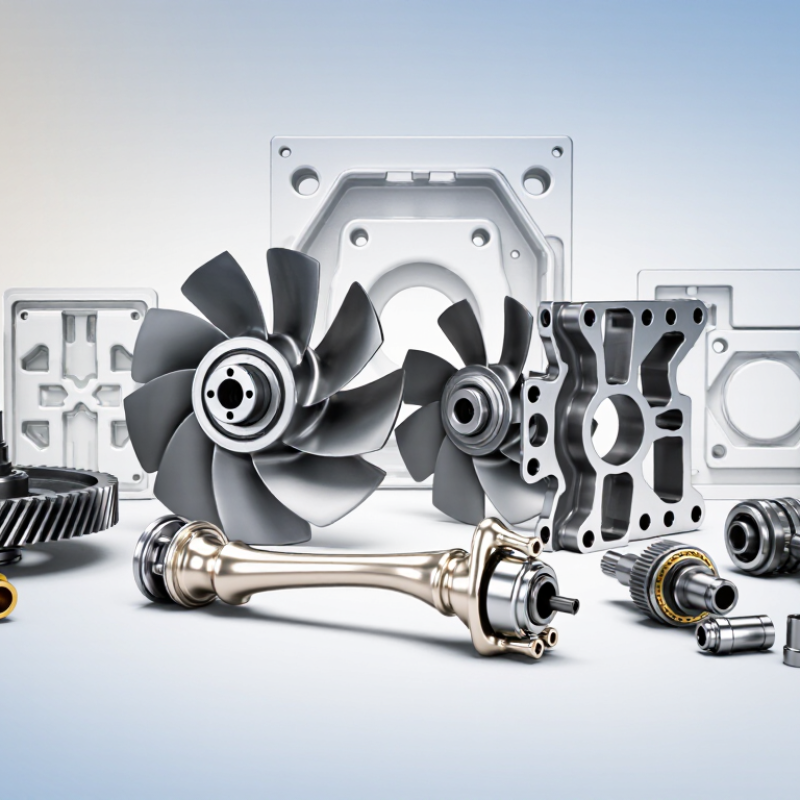
Precision casting creates complex metal parts with tight dimensions and reduced machining waste. Investment casting remains widely used for thin walls, internal passages, and detailed surfaces. The process begins with a wax pattern, followed by ceramic slurry coating and controlled drying. Several layers build the shell. Heat removes the wax before molten metal enters the mold. Small errors spread.
Material selection depends on temperature, corrosion, strength, and service load. Stainless steel suits valves, pumps, and food-processing equipment. Aluminum alloys reduce weight in transport components. Nickel-based alloys tolerate intense heat in turbines and energy systems. Cobalt alloys support wear-resistant medical and industrial parts. Each alloy demands suitable pouring temperatures, mold preheating, and heat treatment. That assumption fails when one process fits every alloy.
Reliable production combines process records with dimensional inspection. Engineers commonly use coordinate measuring machines, radiography, and computed tomography to identify shrinkage, porosity, or incomplete filling. Chemical analysis verifies alloy composition before release. In practical workshops, surface finish can look excellent while hidden defects remain. This is where disciplined testing matters. Design reviews should also check draft angles, feeding paths, and wall transitions before tooling begins. Some drawings are technically precise but difficult to cast economically. A modest design change may improve yield, reduce machining, and strengthen production consistency.
Precision investment casting supports material families used in aerospace, medical, energy, automotive, and industrial applications.
The chart compares approximate room-temperature densities of commonly used precision-casting material families. Aluminum alloys are lightweight, while nickel- and cobalt-based superalloys provide higher density and are frequently selected for demanding high-temperature, wear-resistant, and corrosion-resistant components. Actual values vary by alloy composition.
A credible ranking must measure more than annual sales. Production scale matters, but repeatable quality matters more. The World Foundry Organization’s 2023 census reported global casting production above 100 million tonnes in 2022. Precision casting represents a smaller, higher-value segment within that volume. Market estimates differ, so rankings should disclose their calculation methods.
Our criteria begin with dimensional capability, surface finish, and process control. We examine documented Cpk results, inspection equipment, and nonconformance rates. Material expertise also matters, especially for nickel alloys, stainless steel, and heat-resistant steels. Certifications support credibility, but they do not replace factory evidence. We also assess traceability, delivery performance, engineering support, and practical experience with complex geometries. Environmental reporting receives weight as well. The International Energy Agency continues to highlight industrial efficiency and emissions measurement as major manufacturing priorities. A supplier with clear energy data shows stronger operational discipline. Still, no ranking is perfect. Public information can hide weak internal variation. That deserves reflection.
Tips: Ask for recent inspection records, not only certificates. Confirm the quoted tolerance on comparable parts. Visit the facility when possible. Check how rejected castings are analyzed and corrected. Independent audit results are useful, but customer references reveal daily reliability. Cost should remain a factor, yet the lowest quotation may create expensive machining, delays, or scrap later. Good judgment needs evidence.
Precision casting is gaining attention as aerospace, medical, energy, and industrial equipment makers demand lighter, tighter components. MarketsandMarkets projects the investment casting market to grow from about USD 17.9 billion in 2024 to USD 23.2 billion by 2029. The ten profiles below reflect capabilities that matter in real production, not promotional language.
The first manufacturer serves aerospace programs with vacuum melting and X-ray inspection. The second focuses on medical alloys, producing small implants with controlled surface finishes. The third combines ceramic-shell casting with five-axis machining for complex turbine parts. The fourth specializes in stainless steel valves and records heat-treatment data for every batch. The fifth supports automotive suppliers with rapid tooling and automated dimensional checks. The sixth handles nickel-based superalloys for high-temperature equipment. The seventh offers titanium casting for lightweight structural components. The eighth serves energy projects with large corrosion-resistant housings. The ninth emphasizes short-run prototypes and digital process simulation. The tenth integrates casting, machining, and coordinate-measuring inspection under one quality system.
According to Grand View Research, aerospace and defense remain major investment-casting users because complex shapes can reduce assembly work and material waste. That advantage is real, but not automatic. Poor shell control can create inclusions, distortion, or costly rework. A strong manufacturer therefore shows traceability, operator experience, and independent certification. ASTM standards provide useful benchmarks for testing and acceptance. Still, certificates cannot replace process discipline. Some suppliers communicate beautifully yet disclose little about scrap rates or corrective actions. That gap deserves scrutiny. Real expertise appears in furnace records, inspection images, and honest discussion of limitations.
10 Best Precision Castings Manufacturers Worldwide
Manufacturing Capabilities, Quality Systems, and Certifications
Choosing among the 10 best precision casting manufacturers worldwide requires more than comparing equipment lists. Manufacturing capability begins with alloy control, pattern accuracy, and repeatable shell building. Experienced teams document furnace temperature, pouring time, and cooling behavior for each batch. A casting may look clean. Internal proof matters. Vacuum casting, ceramic cores, and controlled solidification support thin walls and complex passages. However, not every supplier handles tight tolerances equally well. Ask for sample inspection reports, capability studies, and records from similar parts.
A reliable quality system connects the drawing to the shipped component. It should include revision control, operator training, calibrated instruments, and full material traceability. Coordinate measuring machines verify critical dimensions, while radiography or CT scanning can reveal hidden porosity. Surface checks alone are insufficient. Good manufacturers also use statistical process control for recurring dimensions. They investigate nonconformities through documented corrective actions. In practice, response speed matters. A clear escalation process may prevent a small deviation from becoming a costly delay.
Certifications add confidence when their scope matches the work. ISO 9001 supports general quality management, while AS9100 or IATF 16949 may suit aerospace or automotive programs. Verify certificate numbers, expiration dates, and audited locations directly. A certificate is not a substitute for technical judgment. Factory visits reveal practical details, including labeled alloy bins, clean inspection rooms, and protected digital records. Some evaluations remain imperfect; supplier claims can sound stronger than production evidence. Leave room for trial orders, witness inspections, and a second review before scaling output. That caution helps.
| Rank | Anonymous Manufacturer Profile | Primary Casting Processes | Typical Alloy Coverage | Representative Part Weight | Typical Dimensional Capability | Surface Finish Capability | Quality and Inspection Systems | Common Certifications and Standards | Typical End-Use Sectors |
|---|---|---|---|---|---|---|---|---|---|
| 1 | Profile A Aerospace-focused precision foundry | Investment casting Ceramic-core casting Vacuum melting |
Nickel-based superalloys Cobalt alloys Stainless steels |
Approximately 0.02–25 kg | Typically ±0.10–0.25 mm, subject to size and geometry | As-cast Ra approximately 3.2–6.3 µm; additional finishing available |
Coordinate measurement X-ray radiography Fluorescent penetrant inspection Metallographic analysis |
ISO 9001 AS9100 NADCAP-accredited special processes where applicable ASTM and AMS material requirements |
Aerospace propulsion, turbine systems, defense, energy |
| 2 | Profile B High-temperature alloy specialist | Investment casting Directional solidification Single-crystal capability |
Nickel superalloys Cobalt-chromium alloys Heat-resistant stainless steels |
Approximately 0.05–30 kg | Typically ±0.15–0.30 mm for controlled production features | As-cast Ra approximately 3.2–6.3 µm |
Industrial computed tomography X-ray inspection Dye penetrant testing Spectrochemical verification |
ISO 9001 AS9100 or equivalent aerospace quality system ASTM, AMS, and customer-specific specifications |
Gas turbines, aerospace engines, power generation, thermal equipment |
| 3 | Profile C Complex geometry and thin-wall producer | Wax-pattern investment casting Ceramic shell molding Machining integration |
Carbon steel Low-alloy steel Stainless steel Nickel alloys |
Approximately 0.01–15 kg | Typically ±0.10–0.30 mm; thin-wall sections commonly 1.0–2.5 mm | As-cast Ra approximately 3.2–6.3 µm; polished finishes available |
First-article inspection CMM measurement Visual and dimensional process control Penetrant testing |
ISO 9001 ISO 14001 commonly integrated ASTM and EN material standards |
Industrial equipment, fluid control, robotics, medical instruments |
| 4 | Profile D Medical and surgical component producer | Investment casting Precision machining Passivation |
Cobalt-chromium alloys Titanium alloys Stainless steels |
Approximately 0.01–8 kg | Typically ±0.05–0.20 mm on machined or controlled features | As-cast Ra approximately 3.2–6.3 µm; electropolished surfaces may be specified |
CMM inspection Surface roughness measurement Chemical composition testing Biocompatibility-related documentation where required |
ISO 9001 ISO 13485 for medical-device quality systems ASTM F75, ASTM F136, and applicable medical material standards |
Orthopedic devices, surgical instruments, dental equipment, healthcare hardware |
| 5 | Profile E Automotive and transportation supplier | Investment casting Shell molding CNC finishing |
Stainless steel Carbon steel Aluminum alloys Copper-based alloys |
Approximately 0.02–20 kg | Typically ±0.15–0.35 mm before machining | As-cast Ra approximately 3.2–12.5 µm depending on alloy and shell system |
Statistical process control CMM inspection Leak testing Hardness and tensile testing |
IATF 16949 ISO 9001 ISO 14001 commonly applied ASTM, SAE, and customer drawings |
Automotive systems, commercial vehicles, rail, off-road equipment |
| 6 | Profile F Energy and industrial valve specialist | Investment casting Centrifugal casting Weld repair control |
Stainless steel Duplex and super-duplex steels Nickel alloys Carbon steel |
Approximately 0.1–45 kg | Typically ±0.20–0.50 mm depending on casting envelope | As-cast Ra approximately 6.3–12.5 µm; sealing surfaces machined |
Hydrostatic testing Radiographic testing Ultrasonic testing Positive material identification |
ISO 9001 API quality requirements where applicable ASTM, ASME, NACE, and MSS specifications |
Oil and gas, chemical processing, water treatment, power generation |
| 7 | Profile G Aluminum and light-alloy precision producer | Investment casting Permanent mold casting Heat treatment |
Aluminum-silicon alloys Magnesium alloys Copper-based alloys |
Approximately 0.02–12 kg | Typically ±0.10–0.30 mm before machining | As-cast Ra approximately 3.2–6.3 µm |
X-ray inspection CMM measurement Hardness testing Mechanical-property verification |
ISO 9001 AS9100 where aerospace work is supported ASTM, EN, and AMS aluminum specifications |
Aerospace interiors, electronics, mobility, industrial automation |
| 8 | Profile H Small-batch and rapid-development foundry | Investment casting Rapid tooling Additive wax or polymer patterns |
Stainless steel Tool steel Aluminum alloys Bronze and brass |
Approximately 0.01–10 kg | Typically ±0.15–0.40 mm for development and low-volume parts | As-cast Ra approximately 6.3–12.5 µm; secondary finishing available |
Digital inspection reports CMM or optical measurement Material certification Prototype validation documentation |
ISO 9001 ASTM and EN material standards Customer-specific inspection plans |
Product development, industrial design, automation, specialty machinery |
| 9 | Profile I Large-scale global production operation | Investment casting Robotic shell handling Integrated machining |
Carbon steel Stainless steel Low-alloy steel Nickel and cobalt alloys |
Approximately 0.05–60 kg | Typically ±0.20–0.50 mm, with tighter machined tolerances available | As-cast Ra approximately 6.3–12.5 µm |
Automated dimensional inspection Process capability studies Radiographic and penetrant testing Lot traceability |
ISO 9001 ISO 14001 IATF 16949 or AS9100 depending on market segment ASTM, EN, and customer specifications |
Automotive, construction equipment, industrial machinery, energy |
| 10 | Profile J Highly regulated defense and infrastructure supplier | Investment casting Sand and shell casting Precision machining |
Stainless steel Nickel alloys Copper-nickel alloys High-strength low-alloy steel |
Approximately 0.1–50 kg | Typically ±0.20–0.50 mm before machining | As-cast Ra approximately 6.3–12.5 µm; functional surfaces machined |
Ultrasonic testing Magnetic-particle inspection Penetrant testing Configuration and lot traceability |
ISO 9001 AS9100 where aerospace programs apply ISO 45001 commonly adopted ASTM, ASME, MIL, and customer-specific requirements |
Defense, infrastructure, marine systems, heavy industrial equipment |
Choosing the ten best precision casting manufacturers requires more than polished brochures. Grand View Research estimates the global investment casting market reached USD 17.67 billion in 2023. It projects a 4.7% annual growth rate through 2030. That growth increases pressure on suppliers. Compare wax injection, ceramic shell control, vacuum melting, and CT inspection. A capable factory shares process capability data, not only equipment lists.
Technology directly affects cost and repeatability. Deloitte’s 2024 smart manufacturing survey found that 86% of manufacturing executives view smart manufacturing as a primary competitiveness driver. Ask whether digital monitoring improves actual yield. Dimensional capability must be proven on your alloy and geometry. Quoted prices should include tooling, scrap, machining, inspection, packaging, and freight. A low quotation can age badly.
Capacity means validated monthly output, not furnace size. Compare sample-to-production lead time, average batch size, and overtime flexibility. APQC benchmarks distinguish on-time delivery from perfect-order fulfillment, which is important. A shipment can arrive punctually with missing certificates or incorrect dimensions. Review at least twelve months of delivery records when possible.
No ranking is flawless. My own scorecards can overvalue advanced equipment and undervalue communication during a failed trial. Supplier resilience also deserves a direct test: request a realistic recovery plan for a cracked shell, delayed alloy, or failed inspection. Some market estimates differ because report scopes are not identical. That uncertainty should remain visible.
Precision casting produces complex metal parts with tight dimensions and less machining waste. It suits thin walls and detailed surfaces.
A wax pattern receives several ceramic slurry layers. Heat removes the wax before molten metal fills the hardened shell.
Small errors spread. Uneven drying, poor preheating, or incorrect pouring temperatures can affect many finished parts.
Consider temperature, corrosion, strength, and service load. Stainless steel suits pumps and valves. Aluminum alloys reduce transport component weight.
Nickel-based alloys handle intense turbine and energy-system temperatures. They still require suitable pouring and heat-treatment controls.
Dimensional machines check geometry. Radiography and computed tomography can reveal porosity, shrinkage, and incomplete filling.
Check draft angles, feeding paths, wall transitions, and machining allowances. A small design change may improve yield.
Compare proven capability, validated monthly output, lead times, inspection methods, and delivery records. Furnace size alone proves little.
Review tooling, scrap, machining, inspection, packaging, and freight. A low quotation can become expensive later.
No scorecard is perfect. Equipment matters, but communication during failed trials and recovery planning also deserve direct evaluation.
This article presents a practical overview of Precision Castings, explaining the primary casting processes, commonly used materials, and applications across aerospace, automotive, energy, medical, and industrial equipment sectors. It also establishes a clear framework for evaluating global manufacturers, considering technical expertise, production consistency, material control, engineering support, and the ability to meet demanding dimensional and performance requirements.
The profiles compare ten leading manufacturers through their manufacturing capabilities, quality management systems, certifications, inspection procedures, and experience with complex components. Readers will also find guidance on comparing suppliers by casting technology, cost structure, production capacity, lead times, delivery reliability, and communication efficiency. By combining these factors, the article helps procurement teams and engineers identify suitable partners for both prototype development and large-scale production while balancing quality, value, and long-term supply stability.

Junlong