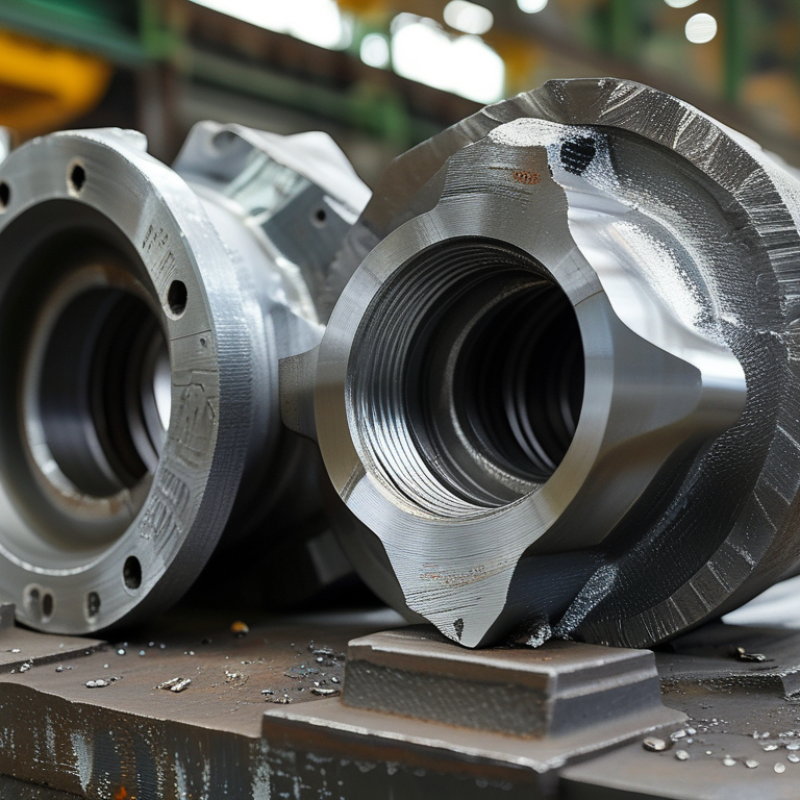
In the competitive landscape of manufacturing, Alloy Steel Castings are becoming increasingly vital. These castings offer a unique blend of strength and durability, making them ideal for various applications. Their adaptability allows industries to meet specific challenges, from automotive to heavy machinery.
As global demand grows, knowing the top suppliers and trends becomes essential. Market players must focus on innovation and quality. Enhancements in casting techniques lead to improved performance and lower costs. However, this rapid change raises questions about standards and reliability.
Buyers must be cautious and stay informed. The market can be unpredictable. Research and partnerships are crucial for navigating this complex terrain. Understanding Alloy Steel Castings in 2026 means expecting the unexpected. It involves recognizing both opportunities and pitfalls in sourcing and manufacturing processes.
Overview of Alloy Steel Castings in 2026
The global market for alloy steel castings is expected to experience significant growth by 2026. Analysts project a compound annual growth rate (CAGR) of 5% during this period. This growth can be attributed to the increasing demand for durable materials in various industries. The automotive and aerospace sectors are leading this demand, as they require high-strength castings for improved performance.
Alloy steel castings provide superior mechanical properties compared to standard steel. They offer enhanced wear resistance, toughness, and tensile strength. According to a recent market report, the automotive segment alone accounted for over 40% of the total alloy steel castings market in 2023. However, there remain challenges in meeting the diverse requirements of end-users. Some players struggle with consistency in quality, which can impact production timelines.
Innovation in alloy steel compositions is crucial for the industry’s advancement. Manufacturers are increasingly experimenting with new alloying elements to improve performance. At the same time, sustainability remains a concern. The production of alloy steel castings can have a substantial environmental impact. This raises questions about balancing quality with eco-friendly practices. Therefore, companies must reflect on their processes to ensure they meet rising environmental standards.
Key Global Markets for Alloy Steel Castings
Alloy steel castings play a crucial role in various industries. In 2026, key global markets for these products are projected to grow significantly. Countries investing in infrastructure, automotive, and energy sectors will demand more alloy steel castings. The construction industry in Asia Pacific stands out. Emerging economies are expanding rapidly. This growth creates a robust market for suppliers.
In North America, the aerospace and defense industries are vital consumers of alloy steel castings. The demand for lighter and stronger materials drives innovation and production. Europe also focuses on renewable energy technology. These markets push for high-quality materials that warranty longevity and efficiency.
Tips: Research local regulations before entering new markets. Understanding regional demands will improve market strategies. Building strong partnerships with local firms can also help. This fosters trust and enhances supply chain reliability. However, ensure that local standards align with your production capabilities. This can prevent costly mistakes and rework. Always be prepared to adapt to changing market trends and customer preferences.
Top Manufacturers and Suppliers of Alloy Steel Castings
In 2026, the demand for alloy steel castings will witness significant growth. Industry reports indicate that the global market for alloy steel castings is expected to reach USD 150 billion by 2026, with a compound annual growth rate (CAGR) of around 5.5% from 2021. This growth is primarily driven by sectors such as automotive, aerospace, and manufacturing.
Top manufacturers and suppliers play a pivotal role in meeting this demand. Leading players in the market focus on advanced production techniques and sustainable practices. They invest in research and development to enhance casting properties. For instance, modern alloy formulations contribute to improved durability and resistance to various environmental factors.
Despite these advancements, challenges remain. The sourcing of high-quality raw materials can be a hurdle. Variability in material properties often requires rigorous testing and quality assurance processes. Suppliers must navigate these issues to maintain reliability. Addressing these challenges is essential for fostering long-term partnerships and ensuring customer satisfaction in the competitive landscape of alloy steel castings.
Innovative Technologies in Alloy Steel Casting Production
Alloy steel castings are crucial in various industries, from automotive to aerospace. The production of these castings is evolving rapidly due to technological innovations. Automated processes now enhance efficiency. However, challenges remain in maintaining quality during mass production.
Additive manufacturing, or 3D printing, is revolutionizing the alloy steel casting landscape. It allows for complex designs that traditional methods can't achieve. This leads to lighter and stronger parts. Still, not every technique fits all applications, which limits broader adoption. As companies experiment, the journey reveals both successes and pitfalls in material durability.
Recycling scrap steel is becoming a standard practice in production. This approach supports sustainability but raises questions about quality control. Ensuring consistent properties in recycled materials is still a challenge. Innovators are working to establish reliable methods for assessing recycled content. The future of alloy steel castings holds promise, but it demands careful consideration and ongoing improvement.
Top Alloy Steel Castings for Global Buyers in 2026
Future Trends and Challenges in Alloy Steel Casting Market
The alloy steel casting market is evolving, facing both opportunities and challenges. Industry reports show a projected growth rate of 6.5% annually from 2026 onward. Demand is driven by sectors like automotive and aerospace, which rely on durable materials. However, fluctuating raw material costs pose a risk to manufacturers. These costs can vary significantly, making pricing strategies complex.
Sustainability is becoming crucial. Many buyers are seeking eco-friendly casting methods. A significant 70% of manufacturers are investing in green technologies. This shift may lead to increased production costs, which some companies cannot absorb. The scarcity of skilled labor is another pressing issue. Reports indicate that 40% of the workforce is nearing retirement, creating a knowledge gap.
Technological advancements are affecting the market, too. Additive manufacturing is gaining traction, reducing waste in the casting process. Yet, these innovations come with challenges. For example, new techniques require specialized training, which many companies may struggle to provide. Balancing innovation with practical implementation will be essential for sustained growth in the alloy steel casting sector.
FAQS
: Alloy steel castings are essential in automotive, aerospace, energy, and construction industries.
The demand is projected to grow significantly, driven by infrastructure and energy sector investments.
The construction industry in Asia Pacific is rapidly expanding, creating a strong market for alloy steel castings.
Maintaining quality during mass production is a significant challenge despite advances in automation.
Additive manufacturing allows complex designs, resulting in lighter and stronger parts, but not all techniques suit every application.
Recycling scrap steel is becoming standard, enhancing sustainability but raising quality control concerns.
Researching local regulations and aligning production capabilities with standards is crucial to avoid costly mistakes.
Yes, challenges remain in achieving consistent properties in recycled materials and ensuring broader adoption of new techniques.
Conclusion
The article titled "Top Alloy Steel Castings for Global Buyers in 2026?" provides a comprehensive overview of the alloy steel castings market anticipated for 2026. It delves into key global markets that are driving demand, highlighting the regions and industries where alloy steel castings are most prominently utilized. The piece also focuses on the leading manufacturers and suppliers in the sector, emphasizing their roles in shaping the market landscape.
Innovative technologies emerging in the production of alloy steel castings are discussed, showcasing how advancements are enhancing efficiency and quality. Finally, the article explores future trends and challenges that the alloy steel casting market may face, providing insights into how these factors could influence market dynamics and buyer decisions in the coming years. Overall, the article serves as a valuable resource for global buyers seeking to navigate the evolving landscape of alloy steel castings in 2026.

 Junlong