Choosing the right steel casting material is crucial for successful manufacturing. Experts emphasize this importance. John Smith, a renowned metallurgical engineer, once said, “Selecting the right steel casting material can make or break a project.”
There are various factors to consider when choosing the perfect steel casting material. Properties like strength, corrosion resistance, and thermal conductivity all play a role. Each application demands specific characteristics. Ignoring these details can lead to significant failures in performance.
Understanding the nuances of steel casting materials can also be daunting. Many might overlook the importance of researching different grades and their applications. Mistakes can be costly, both in time and resources. Striving for an informed decision can ensure better outcomes. Don’t underestimate the impact of your choice; the right steel casting material is essential for project success.
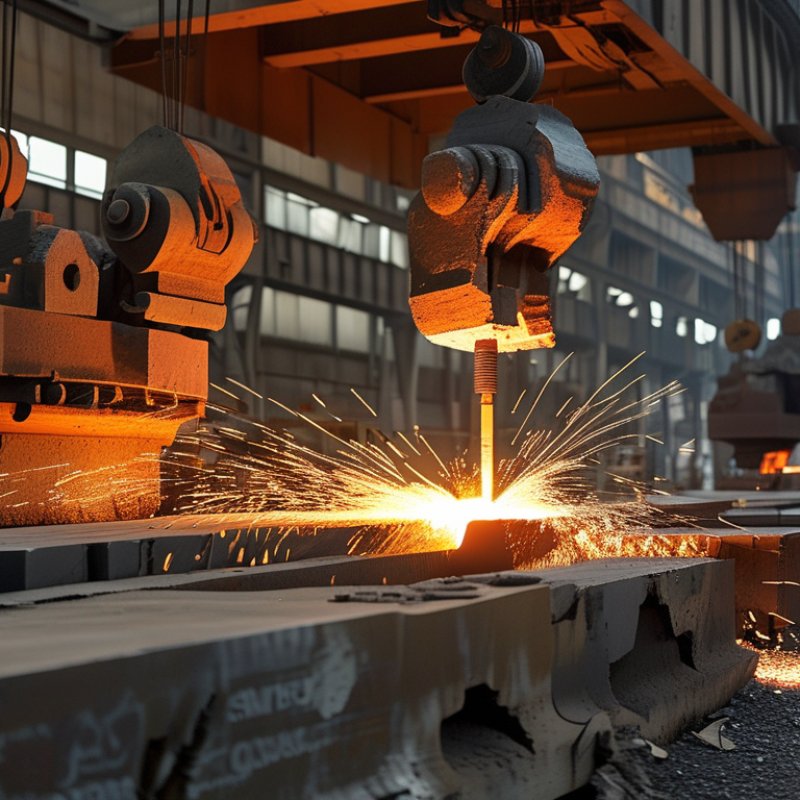
When selecting the right steel casting material, understanding the various types is crucial. Steel casting materials can vary widely in composition and properties.
Low-carbon steel is often used for its excellent ductility and weldability, making it suitable for structural applications. However, it may not withstand high temperatures or corrosive environments.
Alloy steels are another category worth considering. They offer enhanced properties, such as increased hardness and strength. Common alloying elements like chromium and nickel improve resilience but can complicate the casting process. These materials are often more expensive, posing budget considerations.
Tool steels provide high wear resistance, essential for cutting and machining tools. Still, their cost and complexity might not suit every project. Each steel type presents both advantages and challenges, requiring thoughtful evaluation. Balancing performance needs with budget constraints is not always straightforward, which often leads to difficult decisions in material selection. Understanding these nuances can lead to better outcomes in steel casting projects.
When selecting the right steel casting material, examining mechanical properties is crucial. Mechanical properties, such as tensile strength and hardness, determine how the material will perform under stress. Different applications require different levels of strength and ductility. For example, high-tensile steel is ideal for structural applications but may not be suitable for components requiring flexibility.
It’s essential to understand that not all steel castings are the same. Variations in alloying elements can significantly affect performance. Knowing the specifics of your application helps narrow down choices. Conducting tests on sample materials can unveil strengths or weaknesses that might not be obvious. For instance, fatigue resistance is often overlooked but can be critical in high-stress environments.
Choosing the wrong material can lead to costly failures. Experience suggests always re-evaluating your choices. Seek expert advice when in doubt. A knowledgeable consultant can offer insights that may not be apparent during initial evaluations. Staying informed about current steel technologies can also aid in making the right decision, ensuring the material fits the intended application effectively.
When selecting the right steel casting material, environmental and thermal resistance are critical factors. Steel often encounters extreme temperatures during its lifecycle. Choosing a material with high thermal resistance can enhance its longevity. For example, according to industry reports, stainless steel can withstand temperatures up to 1,500°F (815°C) without compromising structural integrity.
Environmental resistance is also essential. Steel exposed to corrosive elements can deteriorate quickly. Studies indicate that carbon steel has a higher corrosion rate in damp environments compared to stainless steel. An uncoated carbon steel can lose up to 3 mm per year in harsh coastal conditions. While stainless steel is more expensive, its ability to resist corrosion can reduce long-term maintenance costs. However, the budgetary constraints may lead to a decision that prioritizes immediate cost over longevity.
It's important to note that not all applications require high-performance materials. Some projects may only need basic steel with adequate heat tolerance. However, neglecting these factors could result in premature failures and costly repairs. Each application should carefully evaluate these conditions to make an informed choice. Balancing initial costs with potential long-term benefits helps achieve a sustainable solution.
When selecting steel casting materials, cost-effectiveness is a vital consideration. According to a 2022 industry report by the ASTM International, the total lifecycle cost of steel components can vary significantly. A well-chosen steel casting material can save 20-30% on production costs, depending on the application and volume. This highlights the importance of thorough analysis.
Choosing the right steel casting often involves balancing quality and cost. For instance, low-grade steel may reduce initial costs, but can lead to higher maintenance expenses later. The same report indicates that inferior materials contribute to a nearly 15% increase in operational downtime. This can have substantial financial implications for manufacturers.
There is a subtle art to navigating these variables. A study from the Metal Casting Industry revealed that nearly 10% of casting failures were attributed to poor material selection. Factors like environmental conditions and mechanical properties should not be overlooked. Cost-effectiveness isn't just about the initial price; it's about the long-term value gained from the right choice.
When selecting steel casting materials, industry standards play a crucial role in ensuring quality and safety. Compliance is not just about meeting legal requirements; it reflects a commitment to excellence. Standards like ASTM and ISO provide guidelines that help manufacturers create reliable products. Understanding these requirements can be challenging but rewarding. Companies often struggle with interpreting these standards, which can lead to costly mistakes.
Moreover, choosing compliant materials can impact the durability and performance of the final product. Non-compliance can result in failures that endanger users and lead to expensive recalls. A thorough review of the standards should be part of the material selection process. Regular audits can identify gaps in understanding, prompting necessary adjustments. Investing time in training employees on these standards ensures better comprehension across the board.
In the end, while compliance may seem tedious, it is essential for trust and reliability. Companies should foster a culture that values quality above all, recognizing the long-term benefits of adhering to industry standards. Reflecting on past choices can uncover areas for improvement, leading to enhanced practices in the future.
: Key properties include tensile strength, hardness, ductility, and fatigue resistance. Each property influences material performance under stress.
Variations in alloying elements significantly impact the performance of steel castings. Understanding these variations can help tailor choices to specific needs.
Testing reveals strengths or weaknesses that may not be obvious initially. For instance, overlooking fatigue resistance could lead to failures in high-stress environments.
Using an inappropriate material can result in costly failures and operational downtimes. Poor material choices affect both quality and maintenance expenses long-term.
It's vital to balance quality and cost. Lower-grade steel may cut initial costs but could lead to higher maintenance and downtime.
Inferior materials can increase operational downtime by nearly 15%, leading to significant financial losses. Long-term value is crucial in decision-making.
Seeking expert advice can provide insights that might be missed during initial assessments. This is particularly important for complex applications.
Staying informed about advancements in steel technologies ensures material selection aligns with modern standards and application requirements.
Balancing initial costs with long-term value is complex. Poor material selection can lead to unforeseen expenses and operational issues over time.
Regularly re-evaluating your choices can prevent costly errors. Changes in technology and application requirements can significantly alter needs.
When selecting the appropriate steel casting material for your project, it is essential to understand the various types available. Each type of steel casting material exhibits unique mechanical properties that can significantly influence the performance and durability of the final product. Evaluating the specific mechanical properties required for your application is crucial to ensure optimal results.
Additionally, factors such as environmental and thermal resistance should be considered, as they impact the material's longevity in different operational conditions. Cost-effectiveness must also be analyzed, as different steel casting options can vary greatly in price and value. Lastly, ensuring compliance with industry standards is vital to maintain quality and safety in your steel castings. Integrating these aspects will help you make an informed choice when selecting the right steel casting material for your needs.
Junlong