The manufacturing landscape for valve castings is evolving rapidly. As we approach 2026, understanding the top suppliers becomes crucial. Valve castings are essential components in various industries, including oil and gas, water management, and aerospace. Quality and reliability are paramount in these applications, making supplier selection critical.
Several factors influence the choice of valve casting suppliers. These include production capabilities, material expertise, and commitment to sustainability. It's not just about finding the cheapest option; experience and innovation play significant roles. A reliable supplier can provide tailored solutions that meet specific project needs.
As we explore the top ten valve castings suppliers, keep in mind their strengths and weaknesses. Not every supplier meets the high standards required for every application. Some may excel in certain areas but lack in others. It's important to critically assess these suppliers to ensure the right fit for your needs. The goal is to foster partnerships that enhance product quality and operational efficiency.
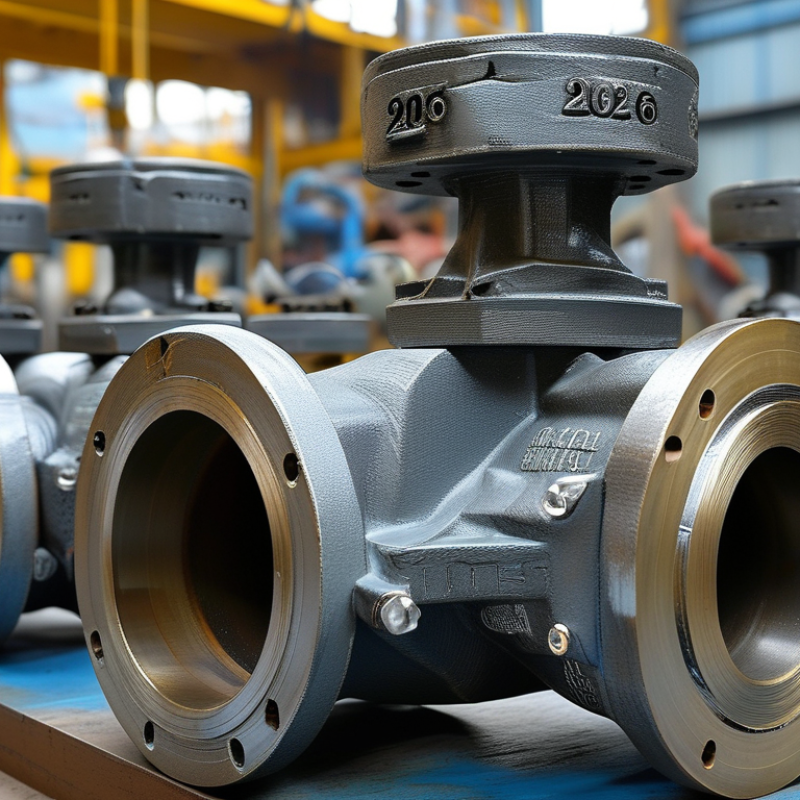
The valve castings industry is evolving rapidly. In 2026, we can expect a shift towards sustainable practices. Companies are investing in eco-friendly materials and processes. This reflects a growing awareness of environmental impact. Advanced technologies like 3D printing are making production more efficient, too.
Tips for staying informed: Follow industry publications and attend relevant trade shows. Networking with professionals can provide insights into market changes. Keep an eye on emerging material trends, as they can disrupt traditional methods.
Another trend is the focus on quality and precision. Manufacturers are prioritizing tighter tolerances and better surface finishes. This can lead to increased costs but also improved product performance. Stakeholders need to balance these aspects carefully. Regular assessments and adaptations to production techniques are crucial.
As the market shifts, companies will face challenges. Not all will adapt quickly enough. Giving time for reflection on strategies can be beneficial. Embracing innovation while retaining core competencies is essential for long-term success.
When selecting valve casting suppliers in 2026, certain criteria hold significant weight. Industry data shows that over 70% of manufacturers prioritize quality management systems. Certifications like ISO 9001 are crucial. They ensure compliance with international standards. Reliable suppliers adopt these practices to maintain high-quality products.
Another vital criterion is their production capacity. Reports suggest that suppliers with at least 100,000 units annually are preferred. This capacity indicates their ability to fulfill large orders. Additionally, flexibility in production is critical. A supplier that adapts to customer needs quickly is more likely to succeed. Data indicates that responsiveness boosts customer satisfaction by 80%.
Cost is also a major factor, but it shouldn't come at the expense of quality. Choosing the cheapest option can compromise performance. It's essential to balance cost with reliability. Ultimately, the ideal supplier demonstrates extensive industry experience. That knowledge builds trust and ensures that suppliers meet evolving market demands.
| Supplier Rank | Annual Revenue ($ Million) | Production Capacity (Units/Year) | Headquarters Location | Certification | Customer Satisfaction (%) |
|---|---|---|---|---|---|
| 1 | 250 | 500,000 | North America | ISO 9001 | 95 |
| 2 | 210 | 480,000 | Europe | ASME, CE | 90 |
| 3 | 180 | 400,000 | Asia | ISO 14001 | 92 |
| 4 | 160 | 420,000 | South America | API | 85 |
| 5 | 140 | 350,000 | Middle East | ISO 9001 | 88 |
| 6 | 120 | 300,000 | Oceania | ISO 45001 | 83 |
| 7 | 110 | 280,000 | Asia | CE | 87 |
| 8 | 100 | 260,000 | North America | ISO 9001 | 89 |
| 9 | 90 | 240,000 | Europe | API | 81 |
| 10 | 80 | 220,000 | South America | ISO 14001 | 80 |
In the world of valve castings, choosing the right supplier is crucial. Various suppliers have unique strengths, yet some stand out in 2026. Their expertise shapes industries worldwide. These suppliers help ensure quality and reliability in products.
Recent evaluations reveal that some companies focus on advanced manufacturing techniques. This allows for precise casting and enhanced durability. Others emphasize strong customer service, aiming for client satisfaction. However, not all companies meet high standards. Some may struggle with delivery times or communication issues. Reflecting on these factors is key.
It's essential to consider not just price, but also the supplier's reputation. Reviews can provide insights into their reliability. Transparency in their processes often reflects a commitment to quality. Understanding these details helps in making informed decisions. This process demands attention and might require reevaluation as industries evolve.
The valve castings industry is rapidly evolving. In 2026, suppliers are expected to embrace innovative technologies to enhance production efficiency. Advanced 3D printing is revolutionizing how castings are developed. This process allows for complex designs that traditional methods cannot easily achieve. According to recent industry reports, 3D printing can reduce lead times by up to 75%.
Another emerging trend is the use of Artificial Intelligence (AI) in predictive maintenance. AI algorithms analyze machinery health in real-time. This ensures that any potential issues are addressed before they disrupt production. Reports indicate that AI can improve equipment uptime by 20%, leading to significant savings. However, the integration of AI may require significant investment and training, presenting challenges for some suppliers.
Additionally, sustainable practices are gaining traction. Many suppliers are exploring eco-friendly materials to reduce their carbon footprints. Industry data shows that approximately 30% of companies aim to utilize recycled materials by 2026. Though the initial cost of sustainable materials can be higher, the long-term benefits may outweigh these expenses. It's crucial for suppliers to weigh these factors carefully in their decision-making processes.
The valve castings market is evolving rapidly. Suppliers must adapt to technological advancements and industry demands. As we look to 2026, several trends are emerging. Sustainability will take center stage. Manufacturers will need to prioritize eco-friendly materials and processes.
At the same time, innovation in design will be crucial. Lightweight, durable materials are in high demand. Suppliers who can offer these solutions will have an edge. However, not all suppliers will keep pace. Some may struggle with adaptation, which can lead to market fragmentation.
Supplier dynamics are shifting. There is a growing emphasis on collaboration between manufacturers and suppliers. This partnership approach can drive efficiency. Yet, challenges will remain. Issues like supply chain disruptions could hinder progress. The need for reliability will be paramount. Suppliers who can maintain consistency will foster stronger relationships in the market.
: The industry is moving towards sustainable practices and advanced technologies like 3D printing.
Following industry publications and attending trade shows is essential. Networking offers valuable insights too.
Manufacturers should focus on tighter tolerances and better surface finishes, even if it increases costs.
Suppliers that adapt quickly to customer needs tend to succeed and boost customer satisfaction.
Key criteria include quality management systems, production capacity, and supplier responsiveness.
3D printing can reduce lead times by up to 75%, allowing for more complex designs.
AI helps with predictive maintenance, improving equipment uptime by 20% but requires investment.
Initial costs may be higher, but the long-term benefits of eco-friendly materials can be significant.
Significant investment and training may be necessary, which can hinder some suppliers' progress.
Choosing the cheapest option can compromise performance, making balance essential for reliability.
The article "Top 10 Valve Castings Suppliers You Should Know in 2026" explores the evolving landscape of the valve castings industry as we approach 2026. It provides a comprehensive overview of current trends, highlighting advancements in technology and material usage that are reshaping supply dynamics. Key criteria for selecting top suppliers are discussed, ensuring that readers understand what to look for in terms of quality, reliability, and innovation.
Additionally, the article profiles the top 10 valve castings suppliers, offering insights into their operations and the innovative technologies they employ to stay competitive in a rapidly changing market. By examining these factors, the article paints a promising future outlook for the valve castings market, emphasizing the importance of adaptability and technological advancement in supplier dynamics.

Junlong