In the competitive landscape of industrial manufacturing, "Wear Resistance Castings" play a crucial role. As industries strive for longevity and performance, these castings are pivotal in enhancing equipment durability. According to a report by Research and Markets, the global wear-resistant materials market is projected to reach $5.8 billion by 2026. This exemplifies the increasing demand for high-quality castings across various sectors.
Manufacturers face challenges in balancing cost with performance. Premium wear resistance castings often come with a higher price tag, but the long-term savings can be significant. A study by Allied Market Research estimates that companies can reduce maintenance costs by up to 30% by investing in superior wear-resistant solutions.
Nonetheless, not all wear resistance castings deliver the expected performance. Selecting the right material requires expertise and understanding of specific application needs. It is essential for buyers to consider factors such as wear conditions, operational environments, and compatibility with existing systems. Investing in the right wear resistance casting can lead to substantial efficiency gains and improved operational reliability.
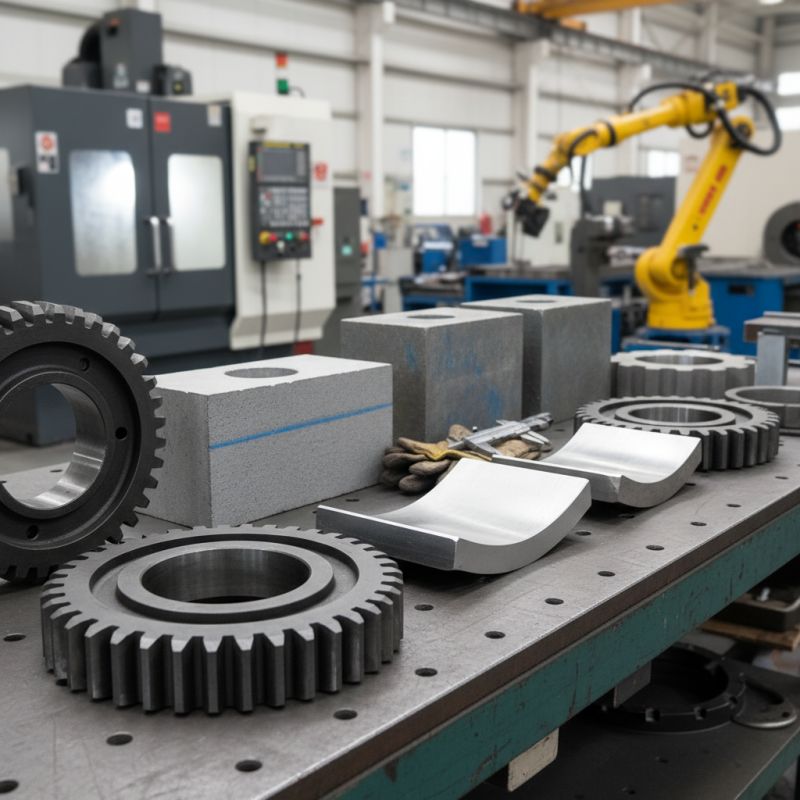
Wear resistance is a crucial factor for castings used across various industries. Materials that display high wear resistance help reduce maintenance costs. According to a report by Smithers, the global market for wear-resistant castings is projected to reach $9 billion by 2025. This growth emphasizes the need for understanding the complexities of wear in materials.
Factors influencing wear resistance include hardness, toughness, and microstructure. For example, castings made from high chrome iron exhibit excellent abrasion resistance. Research indicates that increasing chromium content can improve wear resistance significantly. However, there are trade-offs. A material with high hardness may become more brittle, leading to other forms of failure. Balancing these characteristics is essential in material selection.
Understanding the specific application environment also shapes wear resistance. For instance, castings used in extreme conditions, such as high temperatures or corrosive environments, require specialized materials. Reports highlight that nearly 30% of premature failures in castings result from insufficient wear resistance. This insight stresses the importance of proper testing and evaluation during the design phase, which can mitigate costly consequences down the road.
When discussing high wear resistance castings, material selection plays a crucial role. Common materials include high chrome white iron, which exhibits excellent hardness. Its structure allows it to withstand severe abrasion. Another popular choice is manganese steel. This alloy is known for its ability to work-harden, making it ideal for heavy-duty applications.
Ceramics are also notable. They offer an impressive hardness and resistance to corrosion. Many industries utilize ceramic coatings on metal parts to enhance durability. Understanding the ceramic's properties is essential for maximizing performance.
Yet, it’s not just about choosing the right material. The manufacturing process impacts wear resistance significantly. Casting techniques can affect the final product's performance. This area requires attention to detail and continual improvement. Striking a balance between cost and quality can be challenging. Nonetheless, these materials remain essential for producing long-lasting castings.
Wear resistant castings have become essential in various industries. They withstand harsh conditions and extend machinery life. Applications vary, but mining, construction, and agriculture lead the way. The global market for wear resistant castings is projected to grow significantly. According to a report from Industry Research, the sector is expected to reach over USD 15 billion by 2025. This growth illustrates the rising demand for durable materials.
In mining, wear resistant castings are critical. Equipment experiences extreme abrasion and impact. Using high-performance castings can reduce maintenance costs by up to 30%. In construction, components such as excavator buckets and crusher equipment benefit similarly. The right materials help ensure that operations run smoothly and efficiently. Agriculture also relies on these castings in plows and tillers. However, many buyers struggle to balance cost with quality. This challenge can lead to overspending or equipment failures.
While advancements in materials are noteworthy, challenges persist. Not all manufacturers adhere to strict quality standards. Buyers must be cautious and conduct thorough research. The impact of poor choices can be costly. Understanding the specific needs for each application is vital. This knowledge helps avoid mistakes that can affect productivity and safety.
When sourcing wear-resistant castings, several critical factors come into play. Understanding the specific conditions where the castings will operate is vital. Consider the environment: high temperatures, abrasive materials, or corrosive agents can impact performance significantly. Each material behaves differently under stress; knowing their characteristics before purchase is essential.
Quality assurance is another aspect to evaluate. Reliable suppliers often have a rigorous quality control process in place. They may provide documentation to guarantee the material's strength and durability. Transparency in sourcing is crucial. If a manufacturer cannot explain their process or materials, this should raise a red flag.
Price is a factor, but it should not be the only consideration. Cheaper options may compromise on longevity and performance. Sometimes, spending a little more leads to better outcomes in the long run. Reflect on the total cost of ownership rather than just the upfront price. Make informed decisions based on quality and performance expectations. Always prioritize suppliers that demonstrate experience and expertise in the field.
Wear resistant castings are essential in various industries, from mining to manufacturing. Evaluating their quality and performance requires a comprehensive understanding of material properties and production methods. According to recent industry reports, the global wear-resistant castings market is predicted to reach USD 4.1 billion by 2027, indicating a growing demand for high-performance materials.
When assessing wear resistance, key factors include hardness and toughness. Hardness indicates how well a material can resist deformation, while toughness refers to its ability to withstand impact. Reports reveal that materials with a hardness exceeding 60 HRC often demonstrate superior performance. However, improvements in toughness are sometimes overlooked in favor of hardness. This can lead to brittle failures, especially in dynamic applications.
Another critical aspect is the manufacturing process. Casting techniques can significantly affect the microstructure of the final product. Advanced processes like investment casting offer better control over material properties. Yet, they can increase costs. Balancing cost with performance is a significant challenge for many buyers. As industries evolve, continual evaluation of casting technology and material properties will be necessary for long-term success.
| Material Type | Hardness (HRC) | Wear Resistance (ASTM G65) | Tensile Strength (MPa) | Applications |
|---|---|---|---|---|
| High Chrome Iron | 60-65 | 20-30 mm³ | 400-600 | Mining, Crushing |
| Martensitic Steel | 40-55 | 35-45 mm³ | 500-900 | Construction, Earthmoving |
| Ni-Hard Cast Iron | 55-65 | 15-25 mm³ | 400-600 | Power Plants, Mining |
| Wear-Resistant Alloys | 50-60 | 10-20 mm³ | 300-500 | Quarry, Cement |
: Common materials include high chrome white iron and manganese steel. They provide excellent hardness and durability.
Material selection impacts performance. Different materials behave under stress uniquely, affecting overall quality and longevity.
The manufacturing process can greatly affect material properties. Casting techniques determine the final product's performance.
Consider environmental conditions, material characteristics, and quality assurance. Each factor plays a crucial role in performance.
Reliable suppliers should have a quality control process. Transparency in sourcing helps ensure durability and strength of materials.
Cheaper options can compromise longevity and performance. Sometimes investing more leads to better results in the long term.
Hardness measures deformation resistance; toughness indicates impact endurance. Both qualities are essential for assessing performance.
Focusing solely on hardness might lead to brittle failures. Balancing both qualities is crucial for dynamic applications.
Total cost includes longevity and performance, not just price. Informed decisions benefit long-term operational success.
Techniques like investment casting enhance material properties. But they may increase production costs, requiring careful evaluation.
Wear resistance castings play a crucial role in various industries by providing durability and longevity in challenging environments. Understanding the fundamentals of wear resistance is key to selecting the right materials, which typically include high-performance alloys and specialized composites designed to withstand abrasive conditions. These wear resistant castings are commonly applied in sectors such as mining, construction, and machinery, where direct exposure to wear factors is prevalent.
When sourcing wear resistance castings, several factors must be considered, including the intended application, environmental conditions, and material properties. Evaluating the quality and performance of these castings ensures that they meet operational demands and enhance the efficiency of the equipment. By comprehensively assessing these elements, global buyers can make informed decisions and secure high-quality wear resistant castings that optimize their production processes and reduce maintenance costs.

Junlong