Valve parts play a crucial role in various industries, from manufacturing to energy production. These components ensure smooth operations in systems that rely on fluid control. Understanding what valve parts are and how to source them globally can significantly impact a company's efficiency and reliability.
The sourcing of valve parts involves a keen awareness of quality, cost, and supplier reliability. Many companies face challenges in finding trustworthy suppliers. Global sourcing can lead to complications, such as language barriers and differing standards. It is vital to establish clear communication channels and guidelines.
As an industry expert, I have observed that successful sourcing requires careful planning and firm relationships with suppliers. The emphasis on quality cannot be overstated. A single faulty valve part can lead to serious issues in operations. Therefore, understanding the market and conducting thorough research are essential steps. Addressing these challenges will improve sourcing strategies and enhance the overall competency of operations.
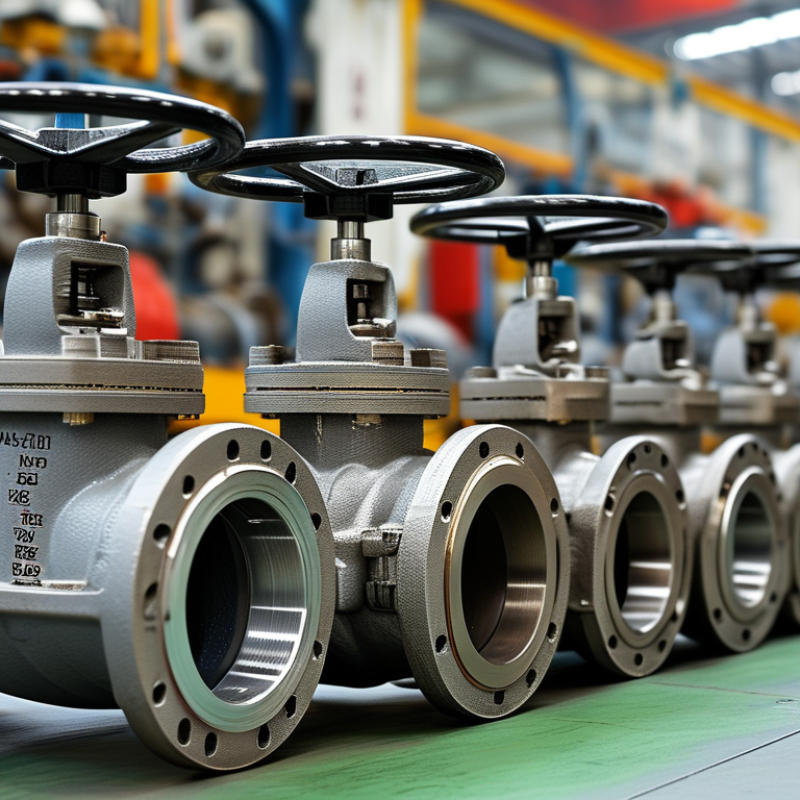
Valves play a critical role in various industrial applications. Understanding their components is essential. Valve parts include the body, bonnet, stem, disc, and seat. Each part contributes to the valve's function, controlling fluid flow precisely. The body encases the internal mechanism, while the bonnet provides access for maintenance. The disc is pivotal in blocking or allowing flow, and the seat offers a tight seal to prevent leaks.
When sourcing valve parts globally, knowledge of material compatibility is crucial. Metals such as stainless steel or brass are common. However, the choice depends on the fluid being handled. Each environment poses unique challenges. Corrosion resistance and temperature tolerance must be considered. Not all suppliers meet reliability standards. Assessing their expertise can prevent future issues. Seeking certifications can add a layer of confidence in your choices.
Challenges arise when navigating international markets. Language barriers and cultural differences may impact communication. Proper documentation is essential for successful transactions. Local regulations can also vary significantly. These complexities require reflection and adaptability. Engaging with experienced partners can mitigate risks and enhance sourcing efficiency. Valuing these partnerships fosters trust and can lead to better outcomes. Understanding the intricacies of valve parts is an ongoing journey.
| Part Name | Function | Materials Used | Common Sizes | Sourcing Locations |
|---|---|---|---|---|
| Body | Houses internal components and withstands pressure | Cast iron, stainless steel, carbon steel | 1"-12" (Diameter) | Asia, Europe, North America |
| Bonnet | Covers the valve's upper section and provides access | Cast iron, aluminum | 1"-12" (Diameter) | Asia, Europe |
| Stem | Controls the opening and closing of the valve | Stainless steel, brass | 0.5"-3" (Length) | Asia, North America |
| Seal | Prevents leakage and ensures tight closure | Rubber, PTFE | Custom sizes | Global |
| Actuator | Automates the opening and closing of the valve | Aluminum, stainless steel | Various sizes | Europe, Asia |
: A strategic approach is essential. Companies need to face challenges in quality and consistency.
Strong relationships foster trust and open communication. They help mitigate risks in international sourcing.
Companies should research suppliers’ production capabilities. Visiting facilities provides insights into their quality standards.
Certifications reflect a supplier's expertise. They ensure compliance with industry standards.
Shipping times and costs crucially impact project timelines. A planned supply chain encourages efficiency.
Companies should reflect on what worked and what didn’t. This can yield valuable lessons for improvement.
Quality control inspections are fundamental. They help maintain standards and identify potential issues early on.
Documentation is vital for verifying a supplier's claims. Discrepancies can lead to performance failures.
Staying informed is crucial. Changes in regulations can impact sourcing strategies and lead to costly errors.
Building a network of informed professionals is helpful. Collaborating with peers leads to better sourcing decisions.
Valve parts play a crucial role in the functionality of various systems across multiple industries. Understanding their specific functions and the various types of valve parts is essential for efficient operations. Different industries utilize distinct types of valve parts, each designed to meet specific operational requirements. This article outlines effective global sourcing strategies for acquiring valve parts, emphasizing the importance of choosing reliable suppliers.
When selecting valve suppliers, key considerations include the quality standards and regulatory compliance associated with valve parts. By adhering to these standards, companies can ensure that the valve components they source are safe, reliable, and suited for their intended applications. Ultimately, a comprehensive understanding of valve parts and strategic sourcing methods enables industries to optimize their equipment performance and maintain operational efficiency.

 Junlong