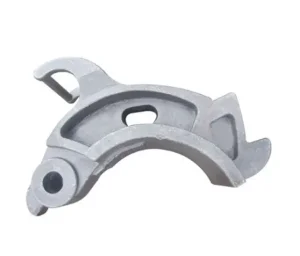
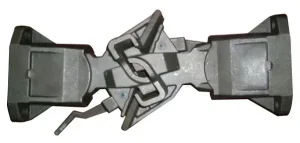
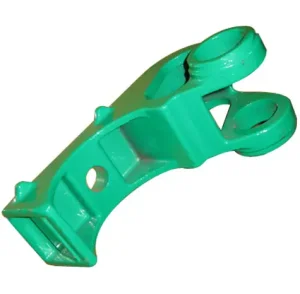
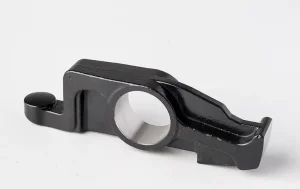
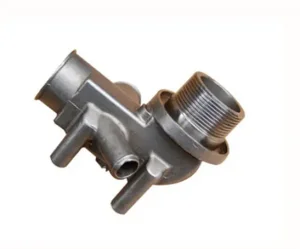
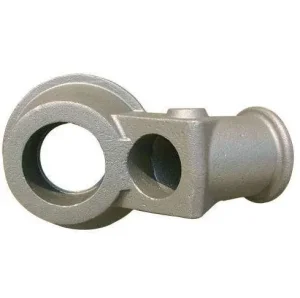
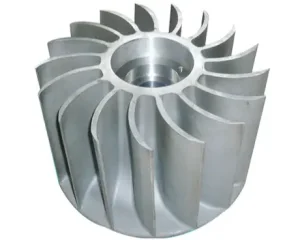
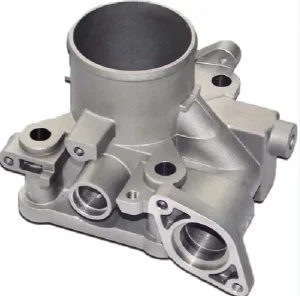
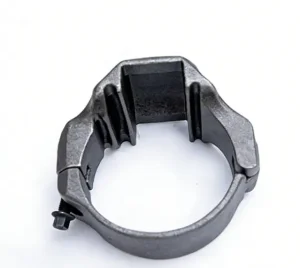
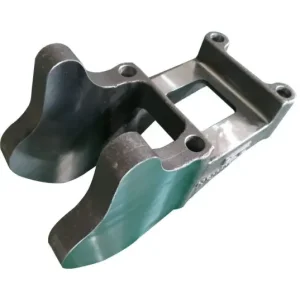
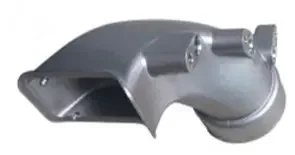
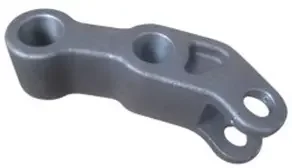
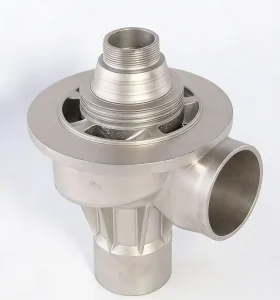
The global railway infrastructure is undergoing a massive transformation, driven by the expansion of high-speed rail networks in Asia and the modernization of heavy-haul freight systems in North America and Europe. Carbon steel railway bracket castings are the "silent heroes" of this growth, providing the structural integrity needed for rail fastening, overhead line support, and bogie frames.
Why Carbon Steel? While stainless and alloy steels have their niches, carbon steel remains the industry standard for railway brackets due to its exceptional balance of tensile strength, toughness, and cost-efficiency. It allows for high load-bearing capacity while maintaining the ductility required to absorb the constant vibrations of rolling stock moving at 300km/h+.
As a global hub for metallurgical excellence, China factories—like JUNLONG Machinery—now integrate AI-driven design and automated investment casting to meet the stringent safety standards (such as TS 16949) required by international rail authorities. This convergence of high capacity and precision has made China the primary source for global railway Tier-1 suppliers.
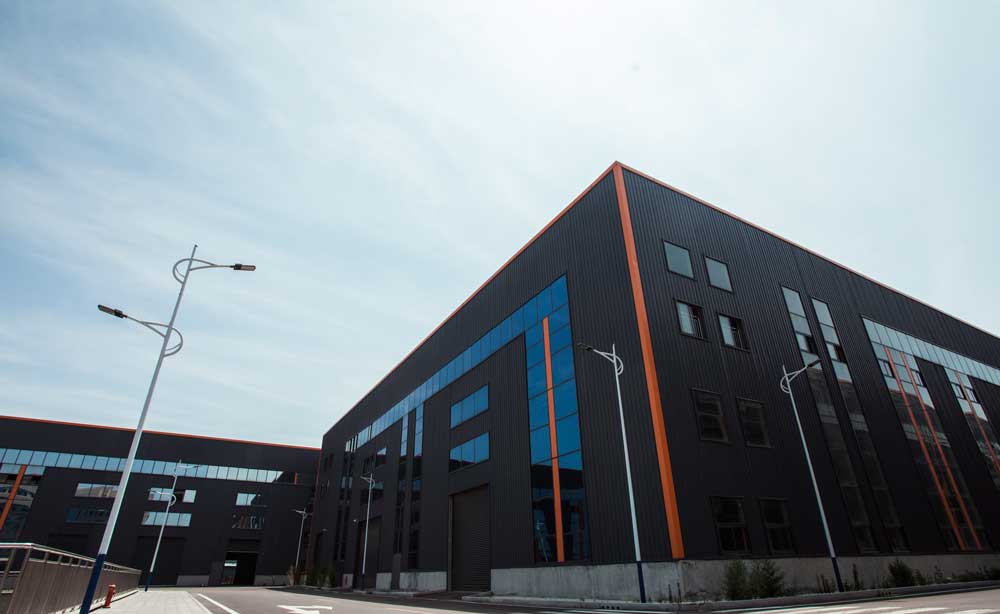
Founded in 2014 and headquartered in Weifang, Shandong, JUNLONG Machinery Co., Ltd. has established itself as a premier destination for high-integrity metal components. Spanning 60,000 square meters, our facility is engineered for a 20,000-ton annual capacity, specializing in Carbon Steel, Alloy Steel, and Stainless Steel precision castings.
With a workforce of over 200 experts, including 30+ senior engineers, we bridge the gap between complex engineering concepts and finished, high-performance parts. Our commitment to the E-E-A-T principle ensures that every railway bracket we produce is backed by decade-long experience, specialized metallurgical expertise, and the authority of international certifications.
Year Founded
Area (m²)
Annual Tonnage
Employees
We utilize advanced simulation software to predict metal flow and solidification patterns. This minimizes porosity and ensures the railway bracket’s structural geometry is optimized for weight-to-strength ratios, critical for reducing the energy consumption of modern trains.
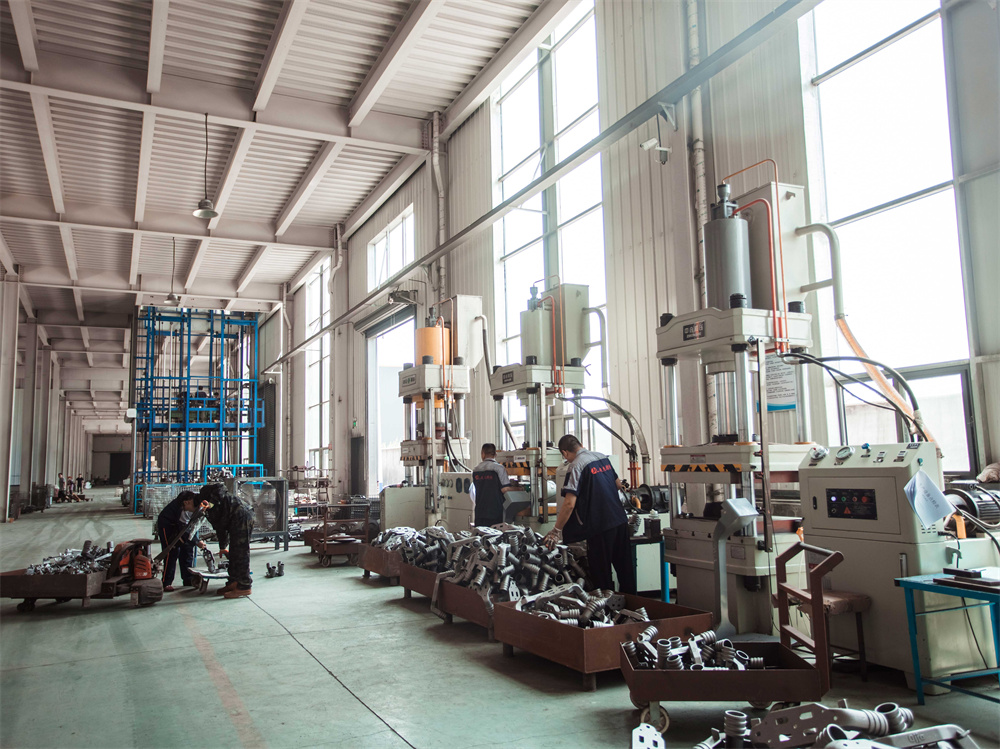
Our automated production lines ensure repeatable precision. The lost wax process allows for complex internal geometries in brackets that are impossible to achieve with traditional sand casting, ensuring smooth surfaces that reduce stress concentrations.
Equipped with horizontal and vertical CNC machining centers, we take raw castings and provide finish-machining to tolerances within microns. This is vital for railway brackets that must integrate perfectly with bolts and fastening systems.
Using specialized quenching and tempering cycles, we manipulate the microstructure of the carbon steel to achieve the specific hardness and impact toughness required by EN 10293 or ASTM A27 standards.
We provide critical components for high-speed rail, subways, and freight logistics. Our carbon steel bracket castings are used in:
Beyond rail, our castings support heavy-duty excavators and material handling machinery. We solve the problem of "Extreme Condition Fatigue" by providing high-tensile components that withstand the corrosive environments of coastal infrastructure and arctic climates.
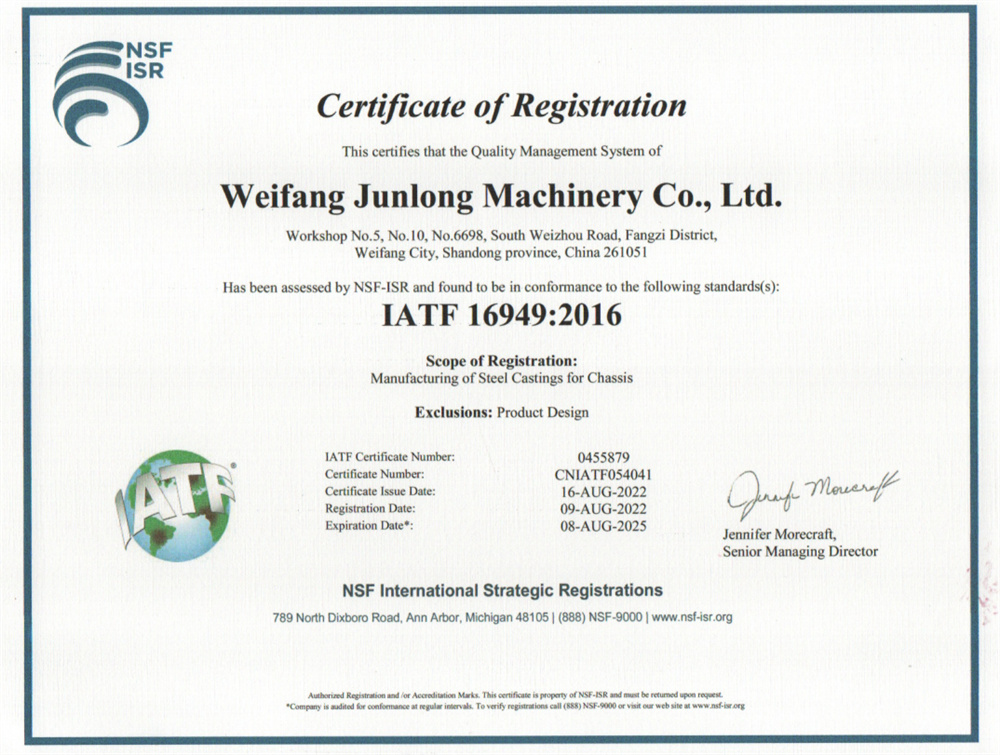
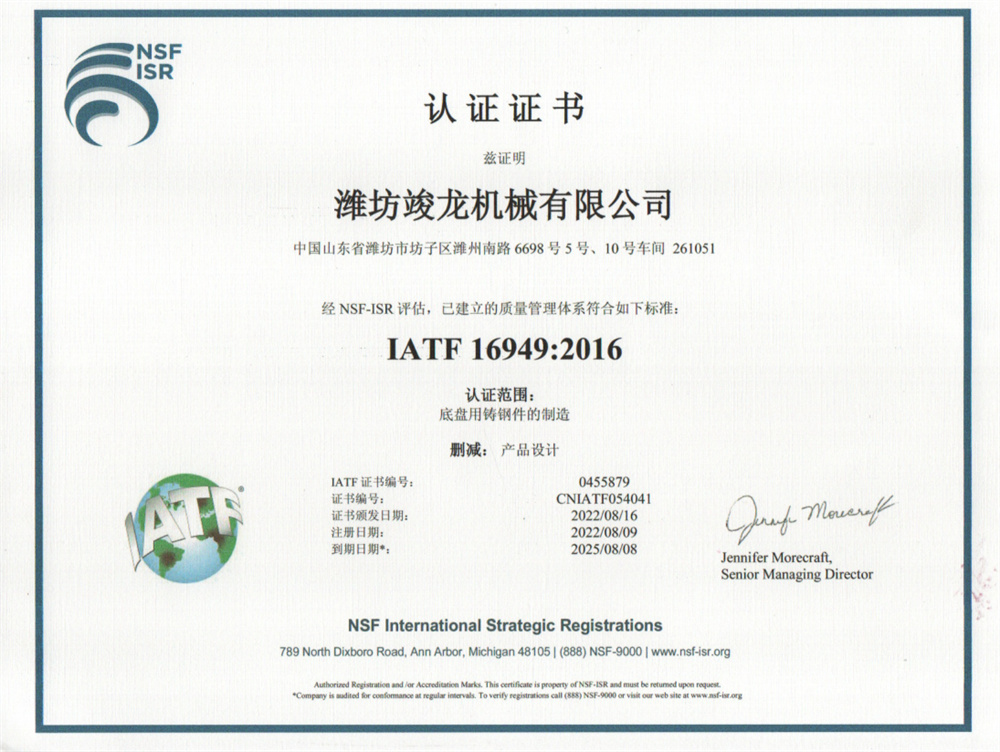
Our commitment to reliability is demonstrated by our ISO 9001, TS 16949, and UL certifications. We don't just "check" quality; we manufacture it into every step of the process. Our facility is equipped with:
The next decade of railway bracket manufacturing will be defined by Sustainability and Intelligence. JUNLONG Machinery is currently pioneering the "Green Foundry" initiative, which focuses on closed-loop sand recycling and energy-efficient induction furnaces to reduce the carbon footprint of every casting.
Furthermore, we are exploring the integration of Digital Twins. By creating a virtual counterpart of each batch of railway castings, we can provide our clients with predictive maintenance data, allowing rail operators to replace parts before fatigue failure occurs, thus maximizing passenger safety and minimizing downtime.
A: We typically use high-grade carbon steels such as WCB, LCB, and customized versions of ASTM A27 or EN 10293 grades, specifically chosen for their balance of weldability and impact resistance at low temperatures.
A: Yes. Our engineering team specializes in OEM/ODM services. We can work from your CAD drawings or perform reverse engineering to create customized casting solutions that meet local rail standards in Germany, the US, or elsewhere.
A: Safety is non-negotiable. Every railway casting undergoes ultrasonic or X-ray testing to ensure zero internal defects. We are TS 16949 certified, which is the gold standard for high-risk component manufacturing.
A: For new molds, the development takes 3-4 weeks. Once approved, mass production typically takes 4-6 weeks depending on the complexity and volume of the order.
 Junlong