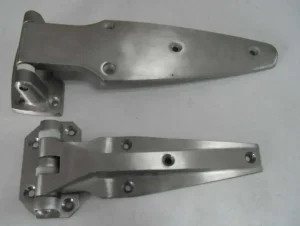
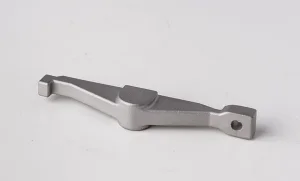
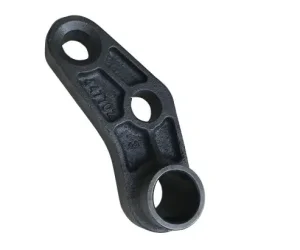
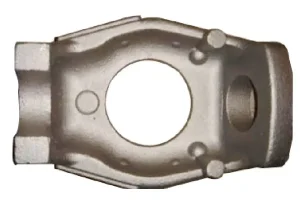
In the global landscape of industrial manufacturing, the demand for high-integrity cast mechanical parts has shifted from simple procurement to strategic partnership. JUNLONG Machinery Co., Ltd., established in 2014 in Weifang, Shandong, stands at the intersection of traditional craftsmanship and "Industry 4.0" automation.
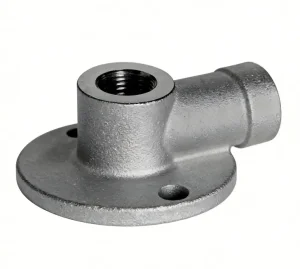
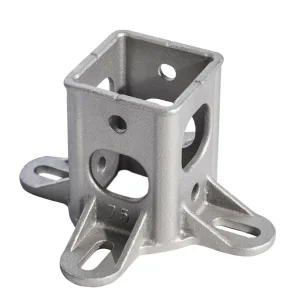
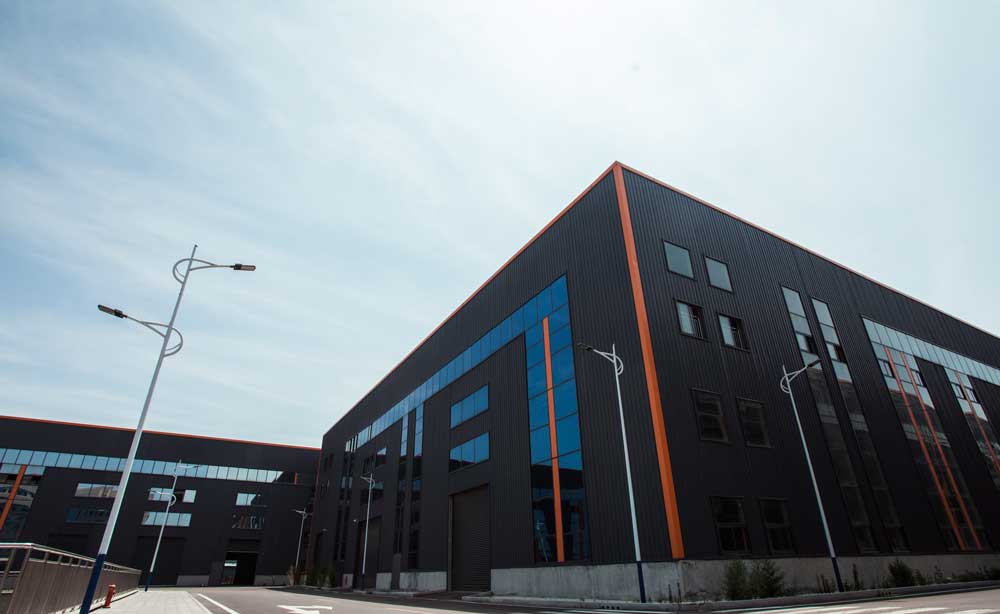
Covering an expansive 60,000 square meters, our facility represents the pinnacle of China's casting capabilities. With an annual output of 20,000 tons of precision castings, we serve as a critical node in the global supply chain, specializing in carbon steel, alloy steel, and high-grade stainless steel components.
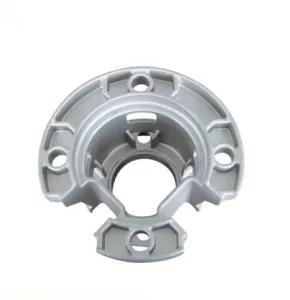
Our technical route utilizes the advanced silica sol investment casting and water glass casting processes, ensuring dimensional tolerances reach CT4-CT6 levels. This roadmap is defined by four core pillars:
Real-time spectral analysis of molten metal to ensure chemistry alignment with international standards (ASTM, DIN, JIS, BS).
Utilizing 3D-printed wax patterns for rapid prototyping and automated shell-building robots to eliminate human error.
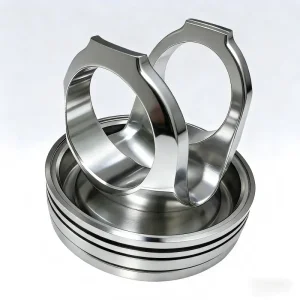
Specialized heat treatment (Normalizing, Quenching, Tempering) and surface finishing (Electropolishing, Sandblasting, Zinc Plating).
By integrating automated casting production facilities, JUNLONG minimizes the "Total Cost of Ownership" for our clients through reduced secondary machining and near-net-shape manufacturing.
Global industrial leaders in Germany, the USA, Italy, and Canada choose JUNLONG not just for cost, but for Supply Chain Agility. China's industrial clusters, particularly in Shandong, offer an unparalleled ecosystem of raw material suppliers, logistics hubs, and technical talent.
Cast mechanical parts are the hidden backbone of modern civilization. We provide mission-critical components across diverse sectors.
Custom lost wax castings for harvesters, tillers, and tractor transmission systems designed for harsh soil conditions.
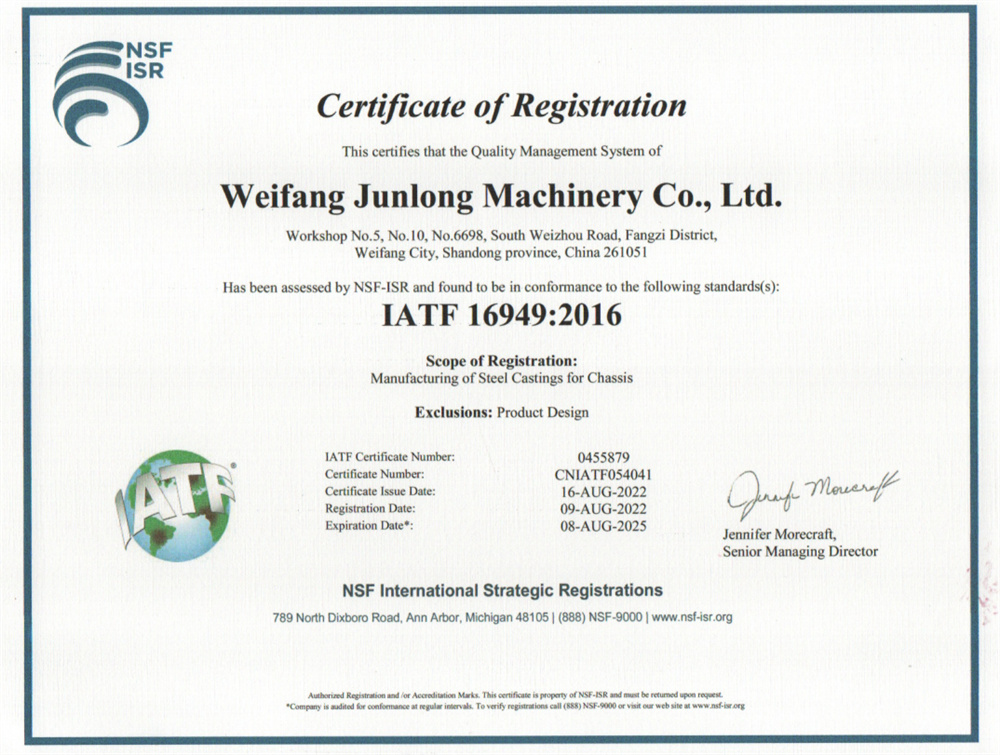
High-chrome alloy components for cooling systems, brake assemblies, and engine mounts meeting IATF 16949 standards.
Investment castings for railway suspension systems and coupling components, ensuring maximum safety and durability.
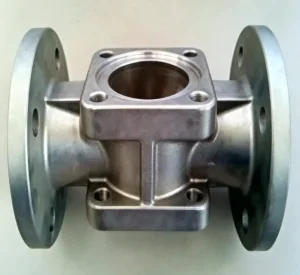
Heavy-duty excavator teeth, hydraulic valve bodies, and structural joints forged for extreme mechanical load.
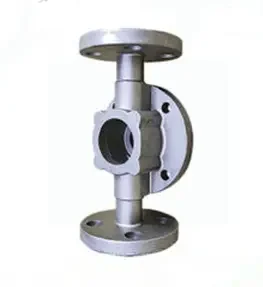
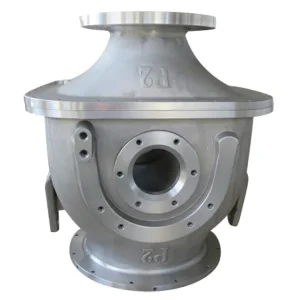
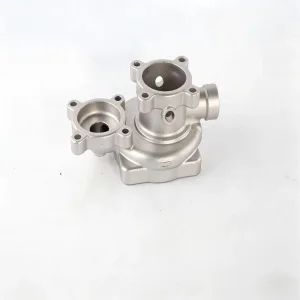
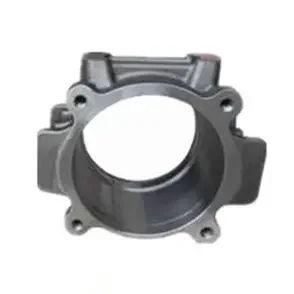
Corrosion-resistant stainless steel pump housings and valve accessories capable of withstanding aggressive environments.
At JUNLONG, quality is not a department; it is a philosophy. Every part undergoes a rigorous verification cycle:
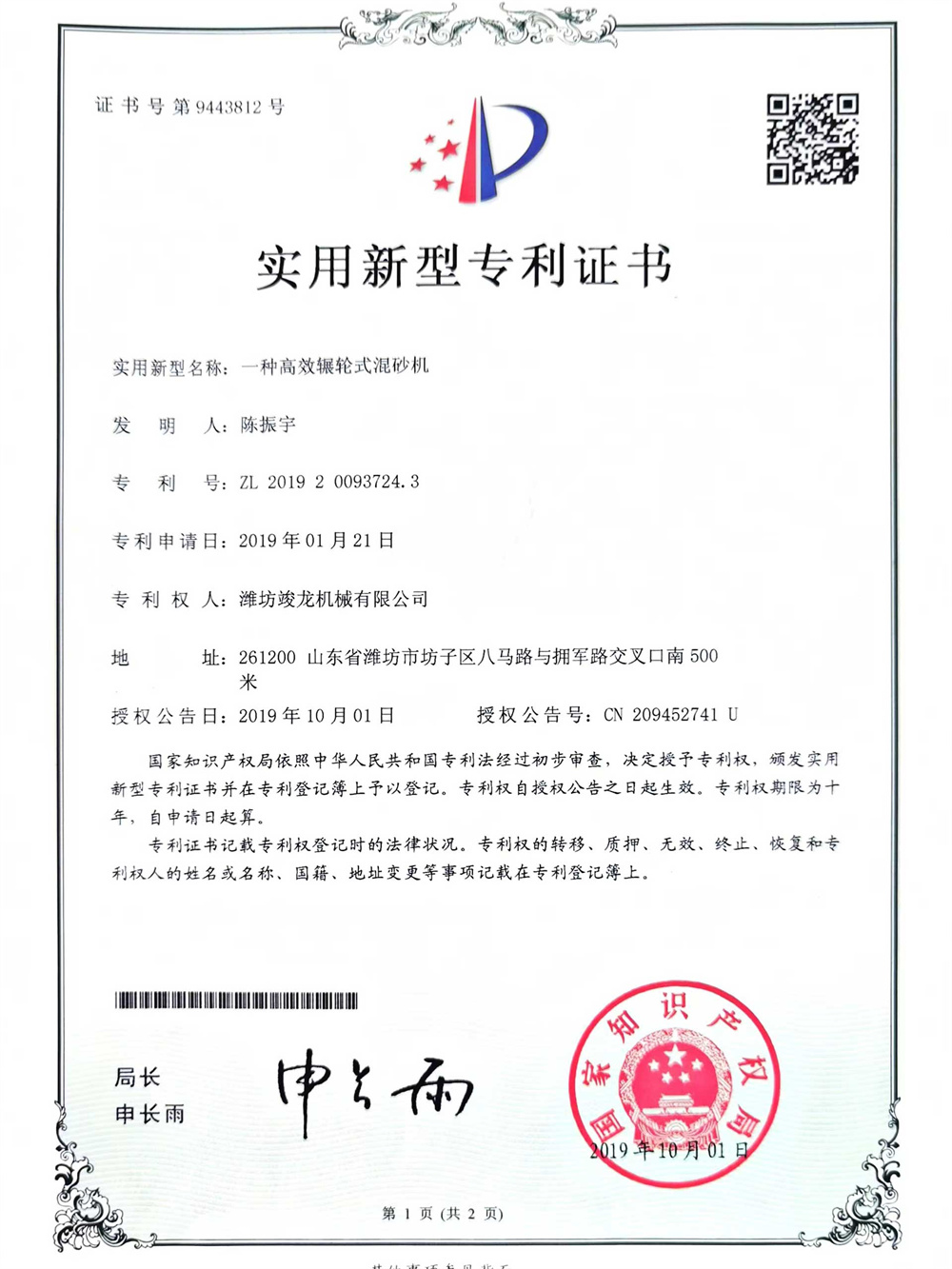
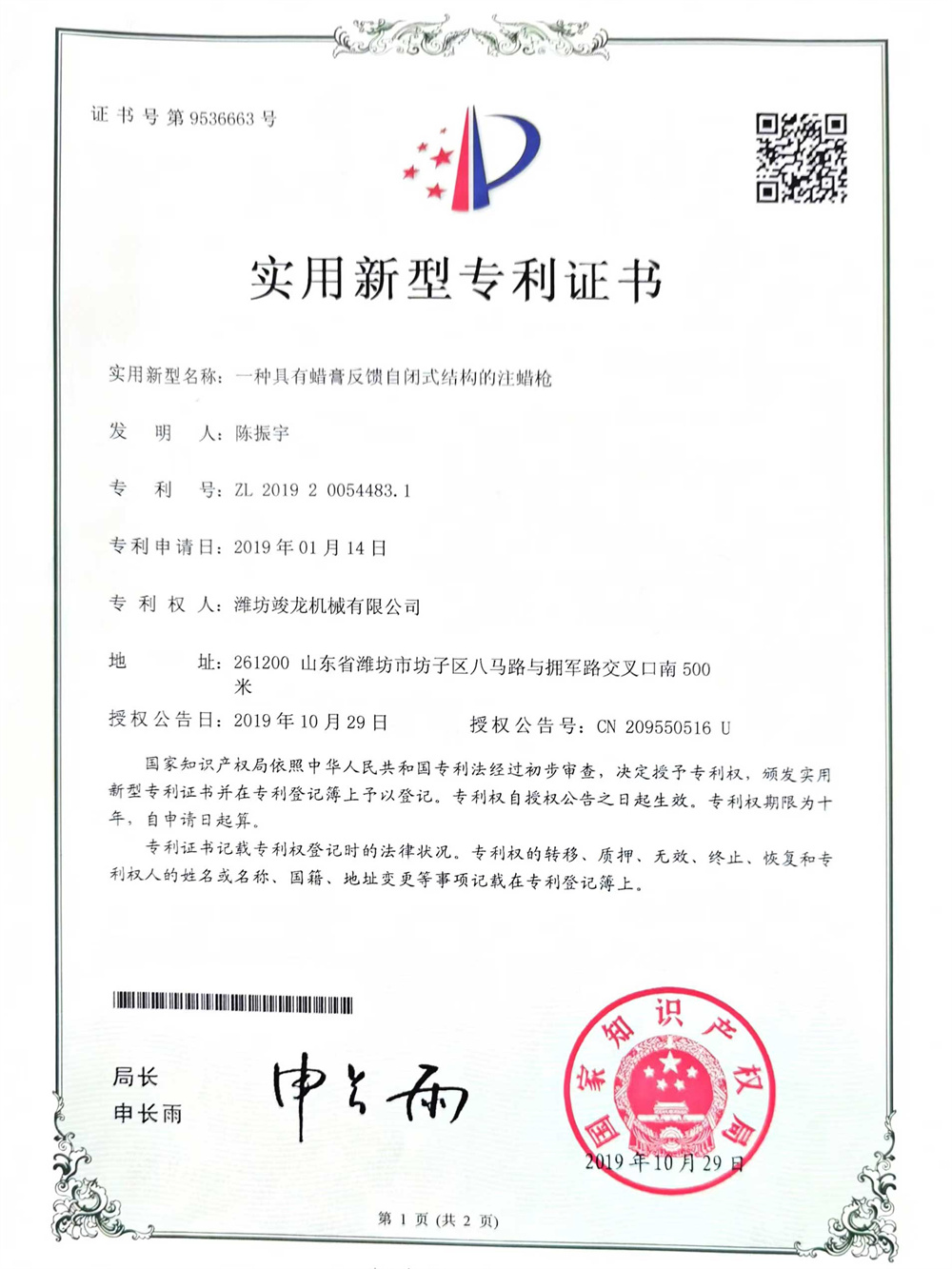
The next decade of "China Cast Mechanical Parts" will be defined by sustainability. JUNLONG is investing in closed-loop sand recycling and induction melting electrification to reduce the carbon footprint of industrial manufacturing. Furthermore, we are implementing AI-driven predictive maintenance for our automated lines, ensuring that our "20,000 tons" capacity remains 100% efficient without downtime.
As a global casting leader, we are transitioning from a manufacturer to a solution provider, offering DFM (Design for Manufacturing) services that help engineers optimize their designs for better castability and lower weight.
A1: Investment casting (lost wax) offers significantly better surface finish (Ra 3.2-6.3) and higher dimensional accuracy, which reduces or eliminates the need for expensive post-casting machining. It also allows for more complex internal geometries that are impossible with traditional sand casting.
A2: We use OES (Optical Emission Spectrometry) to test each heat before pouring. No mold is poured until the chemical composition is confirmed to be within the specified range of the customer's data sheet.
A3: Yes. While we have an annual capacity of 20,000 tons, our agile engineering team is capable of handling small-batch OEM projects, particularly for high-tech industries like medical, aerospace, and specialized chemical processing.
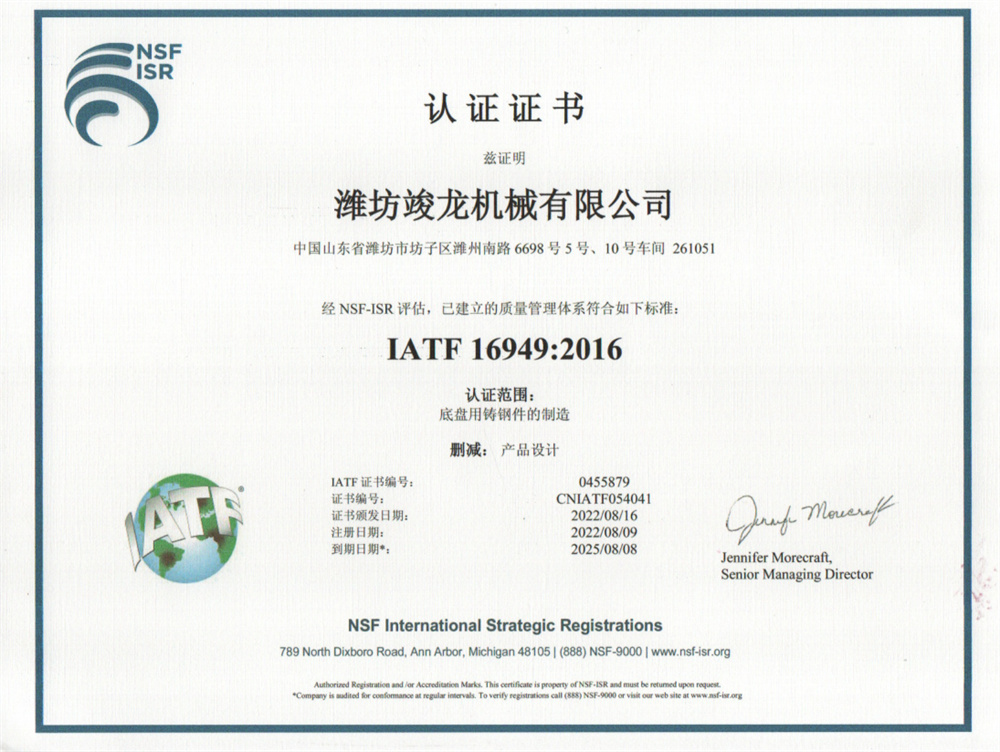
A4: We are fully certified under ISO 9001:2015, IATF 16949 (Automotive), and hold UL certification for specific electrical/hardware components. This ensures our parts are globally accepted without further regulatory barriers.
 Junlong