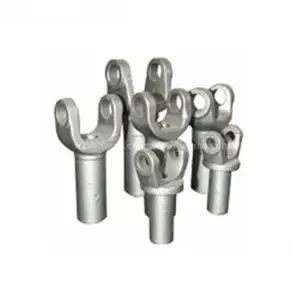
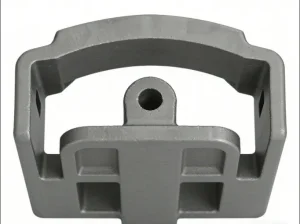
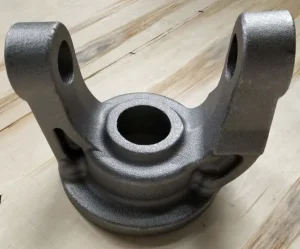
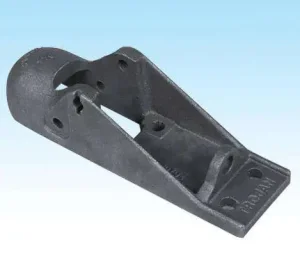
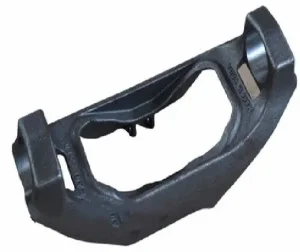
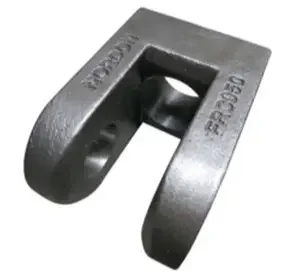
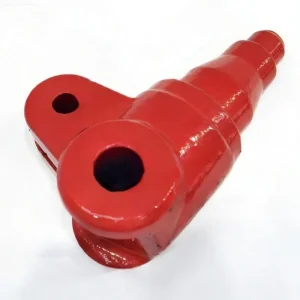
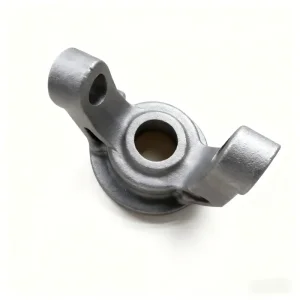
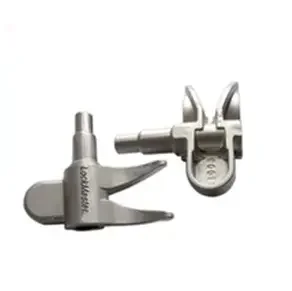
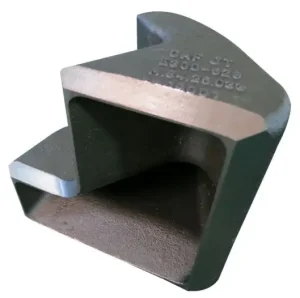
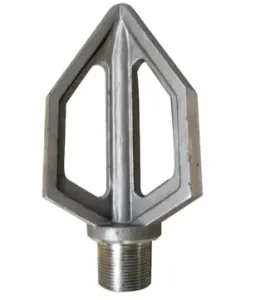
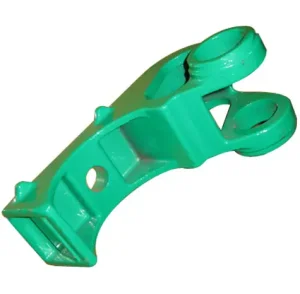
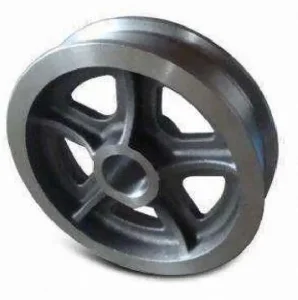
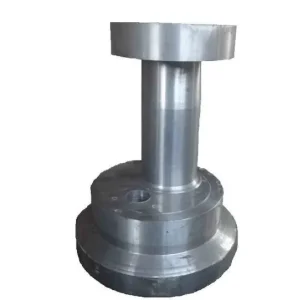
China Petroleum Equipment Castings Supplier & Manufacturers

Leading the Global Energy Supply Chain with High-Precision Investment Casting, Advanced Metallurgy, and End-to-End Manufacturing Excellence.

01 The Crucial Role of Castings in the Global Oil & Gas Infrastructure

In the high-stakes environment of petroleum extraction and processing, the integrity of metal components is non-negotiable. Petroleum equipment castings serve as the backbone for pressure-containing vessels, valves, and flow control systems. As a premier China supplier, we understand that these components must withstand extreme pressures, corrosive fluids (H2S, CO2), and abrasive geological conditions.

Our white paper analysis reveals that the transition to deep-water drilling and unconventional shale gas extraction has increased the demand for Nickel-based alloys and High-strength Alloy Steels. The technical evolution from traditional sand casting to high-fidelity Investment Casting (Lost Wax) allows for thinner walls with higher structural strength, reducing overall rig weight and increasing operational efficiency.
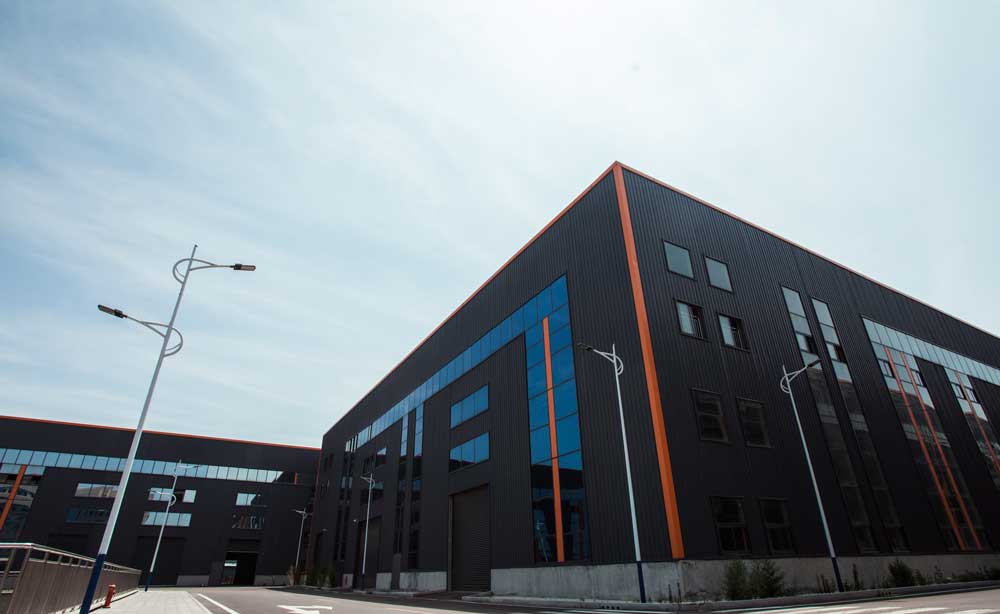
Petroleum Equipment Casting Technology
2014

Founded in Weifang, Shandong - A Decade of Excellence

60,000 m²

Total Production Area & Advanced Casting Facility

20,000 T

Annual Production Capacity of Precision Components

JUNLONG Machinery Co., Ltd.

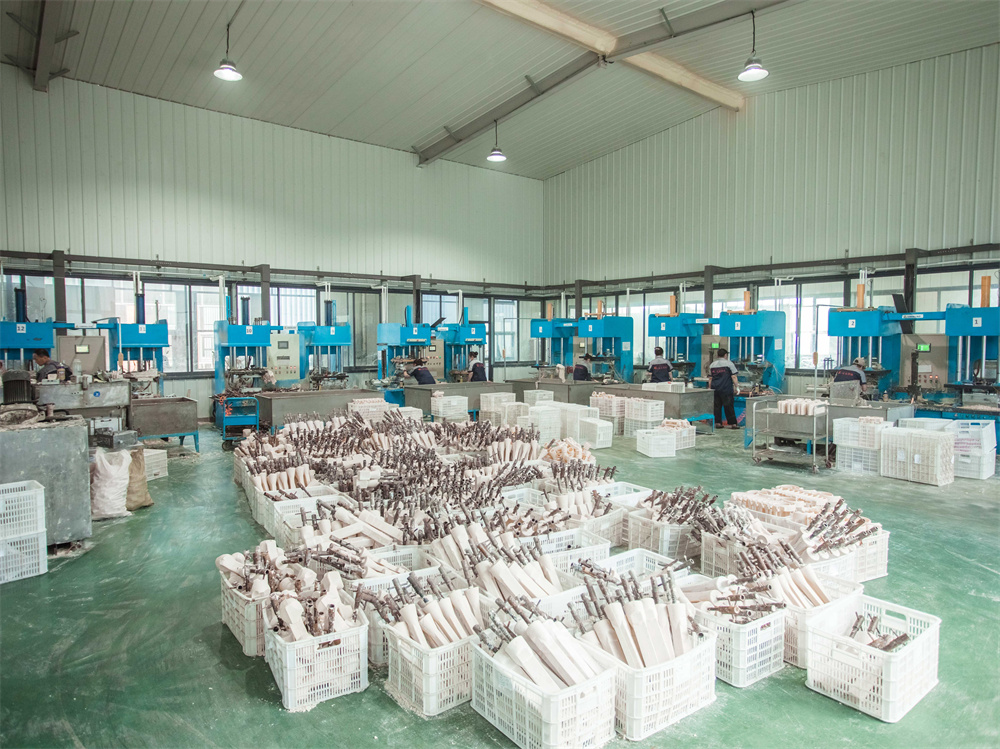
Specializing in carbon steel, alloy steel, and stainless steel, we are a high-quality casting supplier integrating precision casting and deep processing. With over 200 employees, including more than 30 engineering technicians, we provide high-tech solutions to global industry leaders.

📍 Localized Industrial Application Scenarios

Upstream: Drilling & Completion

Our castings are utilized in Blowout Preventer (BOP) bodies, mud pump liners, and drill bit bodies. These components are designed to handle 15,000+ PSI environments in offshore platforms and Arctic exploration sites.

Midstream: Transport & Storage

High-precision valve bodies and compressor housings for long-distance natural gas pipelines. Our stainless steel castings offer superior corrosion resistance for LNG terminal applications.

Downstream: Refining & Petrochemical

Components for heat exchangers, distillation columns, and fluid catalytic cracking units. We ensure material stability under high-temperature cycling (up to 800°C).

🚀 Technical Roadmap & Future Outlook

Digital Twin Integration

Transitioning to AI-driven solidification modeling to predict porosity and structural stress before the first pour.

Green Foundry Initiative

Implementing closed-loop sand recycling and solar-powered electric induction furnaces to reduce carbon footprints.

Hybrid Manufacturing

Combining 3D-printed sand molds with traditional investment casting for rapid prototyping of complex petroleum geometries.

The China Factory Advantage: Resilience & Efficiency

Full Industrial Integration

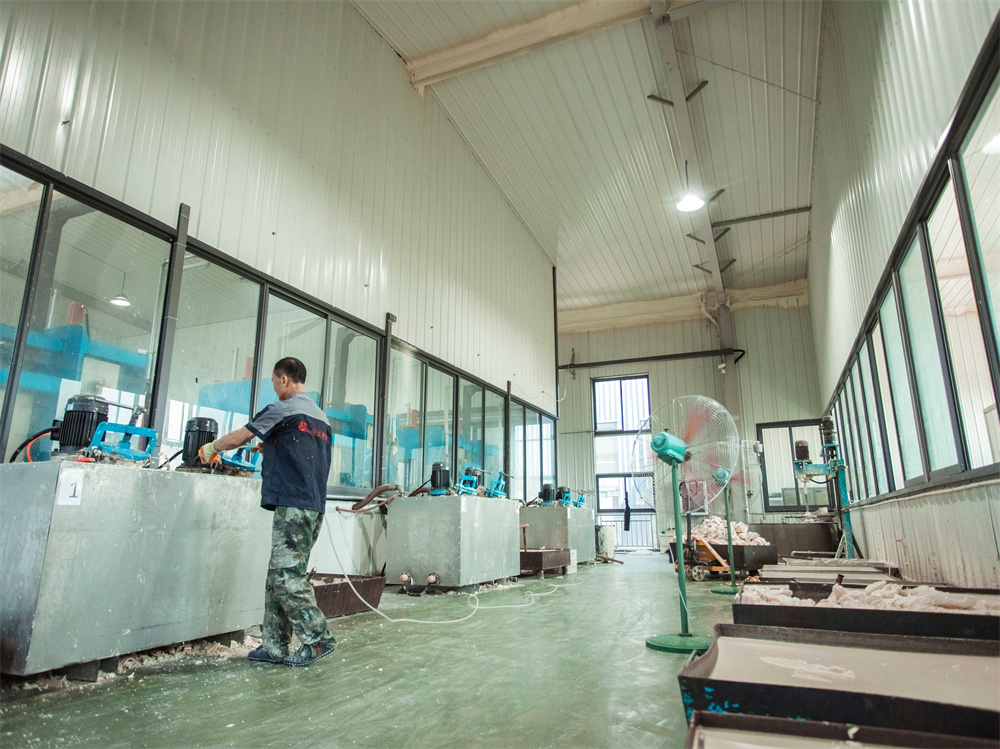
Unlike Western suppliers who outsource machining, our Weifang facility integrates mold making, casting, heat treatment, and 5-axis CNC machining under one roof. This reduces lead times by 30-40%.

Material Diversity

Direct access to high-grade raw materials (Chrome, Moly, Nickel) allows us to offer competitive pricing on specialized alloys like Duplex Stainless Steel and Inconel equivalents.

Logistics Hub

Located near major ports like Qingdao, we ensure seamless global delivery to hubs in Houston, Rotterdam, and Singapore with real-time tracking and compliance handling.
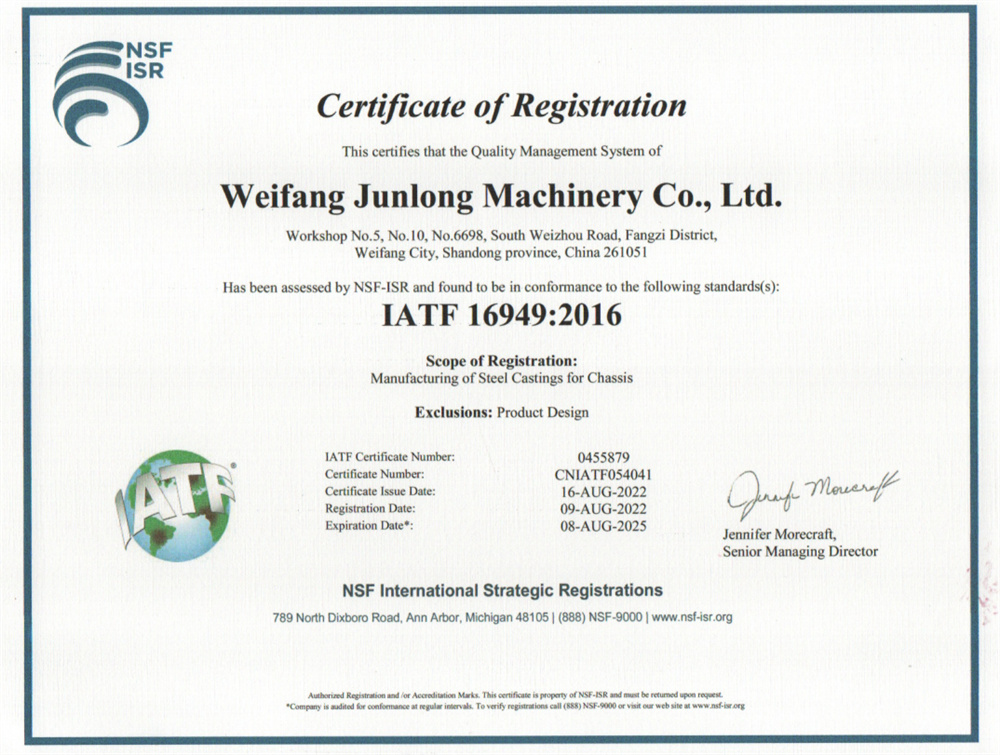
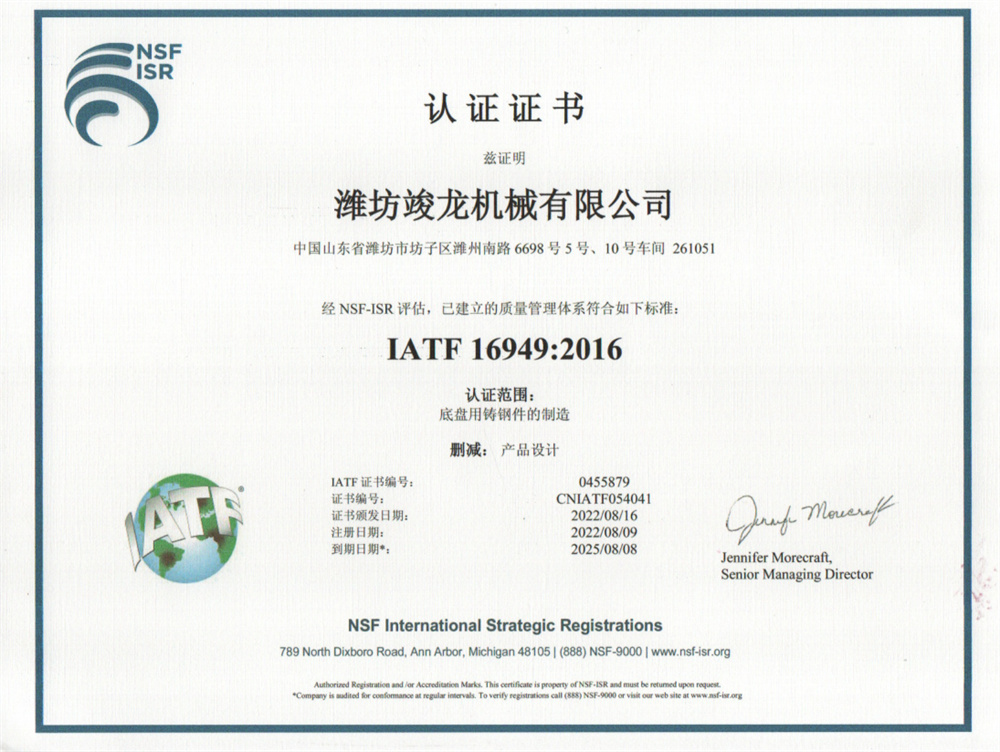
ISO Certification TS 16949 Certification

Global Standards & Compliance

Our facility is certified to ISO 9001 and TS 16949 standards. For petroleum equipment, we adhere to stringent API (American Petroleum Institute) specifications and ASTM/ASME material standards.
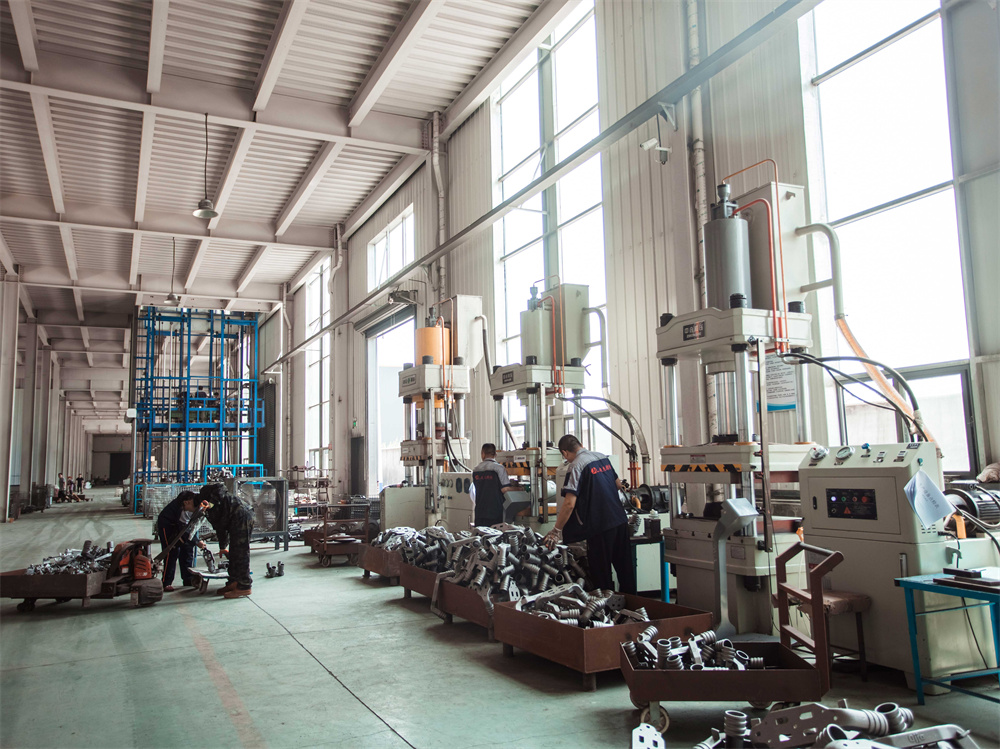
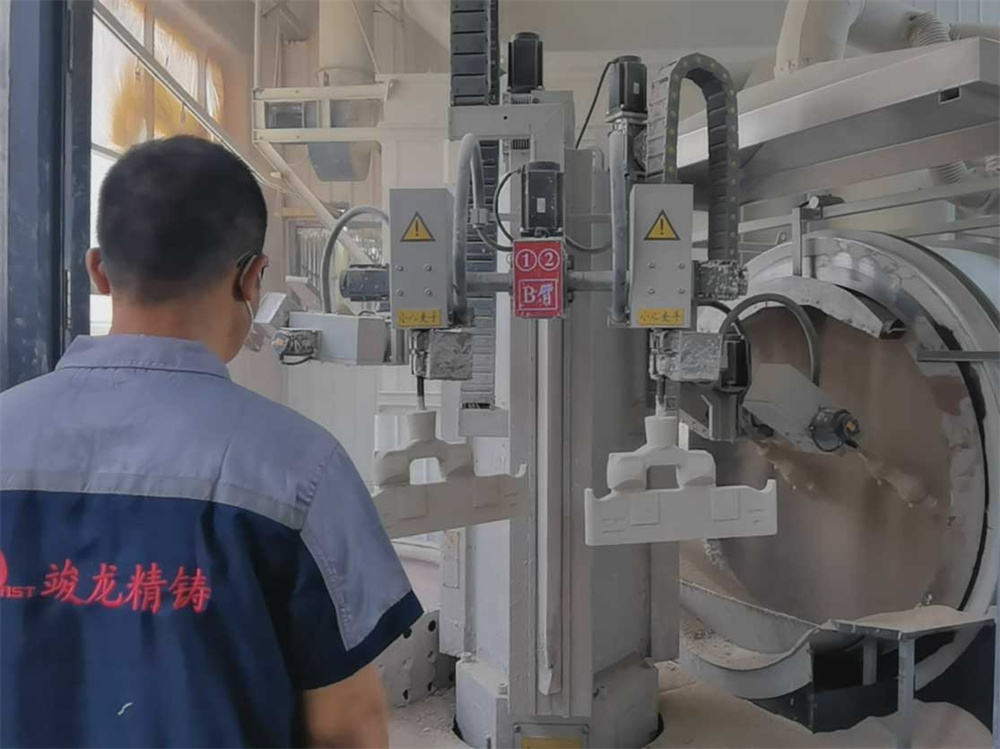
  • ✔️ 100% Spectrometer Material Analysis
  • ✔️ Non-Destructive Testing (X-Ray, Magnetic Particle, Dye Penetrant)
  • ✔️ Ultrasonic Testing for Internal Soundness
  • ✔️ Hydrostatic Pressure Testing for Valve Bodies

Our Advanced Manufacturing Equipment

Equipment 1
Equipment 2
Equipment 3
Equipment 4

Petroleum Castings: Frequently Asked Questions

1. What materials are best for offshore petroleum equipment castings? +
For offshore environments, we typically recommend 316L Stainless Steel or Super Duplex alloys. These provide excellent resistance to chloride stress corrosion cracking. For structural parts not exposed to seawater, high-strength low-alloy (HSLA) steels are preferred for their toughness at low temperatures.
2. How does investment casting improve valve performance? +
Investment casting (lost wax) provides a superior surface finish (RA 3.2 or better) and tighter dimensional tolerances compared to sand casting. This reduces the amount of secondary machining required and improves the flow dynamics within the valve, reducing turbulence and internal erosion.
3. What is the typical lead time for a custom petroleum casting project? +
For new designs, the mold manufacturing phase takes 3-4 weeks. Sample production and approval take another 2 weeks. Once mass production starts, we typically deliver within 4-6 weeks depending on the order volume and complexity of secondary machining or surface treatments.
4. Can you provide NDT reports for every batch? +
Absolutely. As a quality-driven manufacturer, every shipment includes a 3.1 Material Certificate, Dimension Inspection Report, and NDT reports (Radiographic or Magnetic Particle as requested by the client's specifications).
5. How do you handle high-pressure containment requirements? +
We utilize advanced solidification simulation software to ensure there are no internal shrinkages or gas porosities in pressure-critical areas. Every pressure-containing casting undergoes hydrostatic testing at 1.5x its rated working pressure to guarantee safety and reliability.

Ready to Optimize Your Petroleum Equipment Supply Chain?

Contact our engineering team today for a technical consultation or a rapid quote for your precision casting needs.

Inquiry Now →