Leading the market with superior surface finish and dimensional stability.
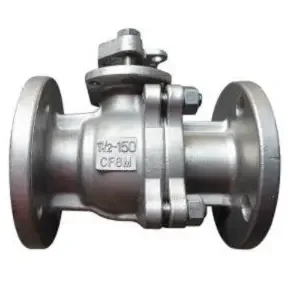
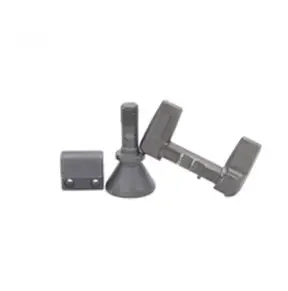
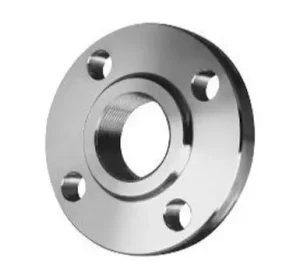
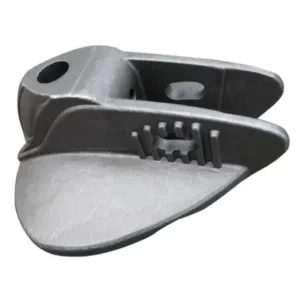
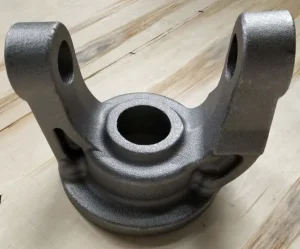
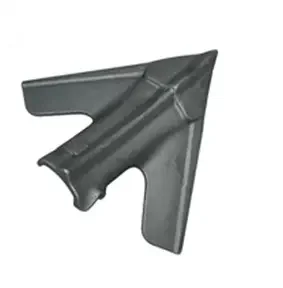
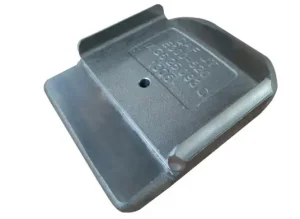
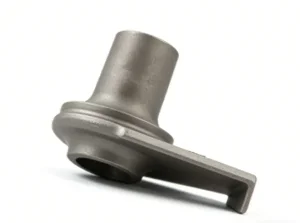
The food processing and packaging industry is undergoing a paradigm shift towards automation and "Ultra-Hygienic Design." Investment casting (Lost Wax process) has become the preferred manufacturing method for critical food-grade components such as mixer blades, pump impellers, valve housings, and filling heads.
Globally, the demand is driven by stringent safety regulations like the FDA (USA), EHEDG (Europe), and CFIA (Canada). Precision casting allows for the creation of complex geometries without the need for welding—eliminating "bacterial traps" and ensuring that components are easy to sanitize (CIP - Clean-In-Place).
Information Gain: Unlike traditional sand casting, our precision investment casting achieves a surface roughness (Ra) as low as 3.2μm, which can be further polished to 0.4μm for medical-grade hygiene.
Annual Tonnage Capacity
Production Area (m²)
Expert Engineering Team
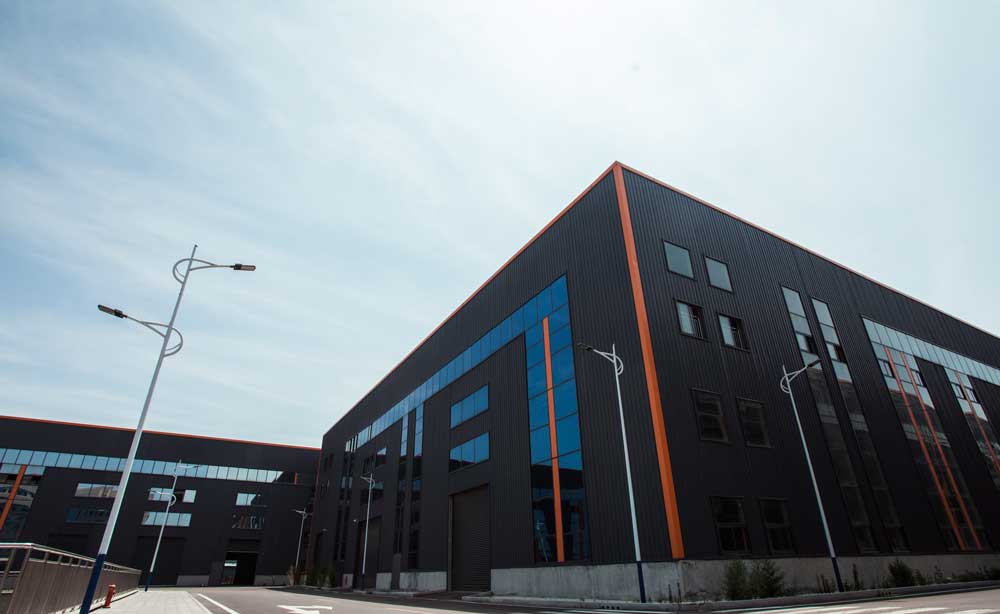
Founded in 2014 and located in Weifang, Shandong, JUNLONG Machinery Co., Ltd. has established itself as a premier destination for global enterprises seeking high-quality casting. Our facility spans 60,000 square meters, housing advanced automated casting lines that integrate physical and chemical analysis in real-time. This ensures that every stainless steel 316L or alloy steel component meets the rigorous mechanical property requirements of high-load food machinery.
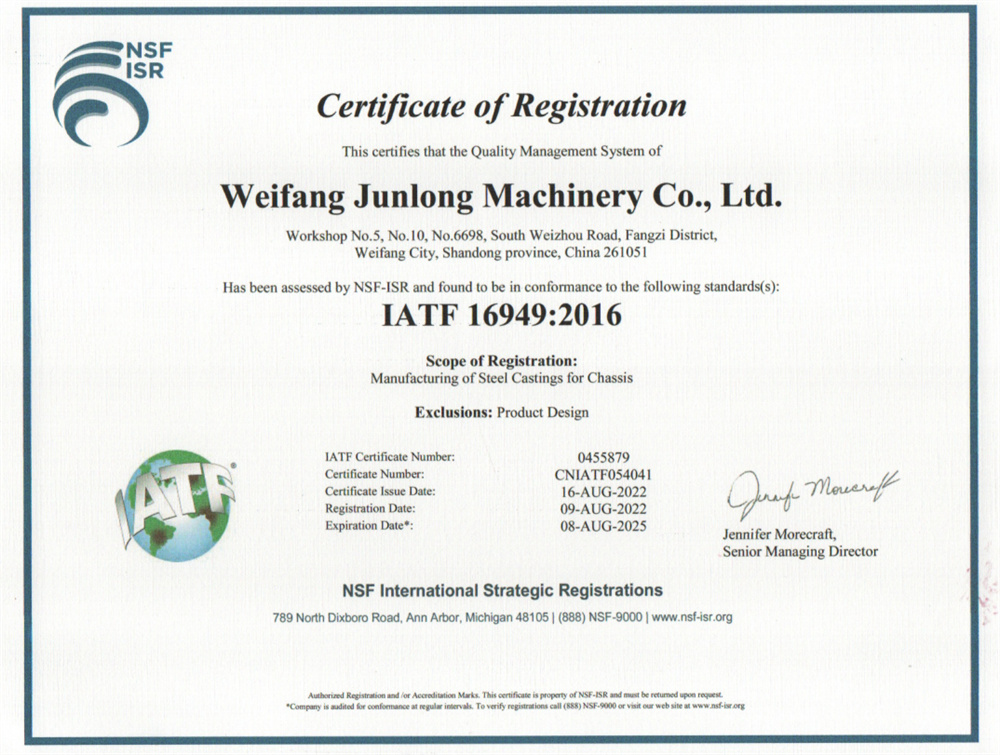
As an ISO 9001 and TS 16949 certified factory, our process control is granular, tracking every batch from the melting furnace to the final CNC machining station.
China's casting industry has evolved from "labor-intensive" to "AI & Automation driven." Our Weifang facility utilizes automated wax injection and robotic shell building, reducing lead times by 30% compared to traditional European suppliers while maintaining superior consistency.
We specialize in 304, 316, and 316L stainless steels, which are non-reactive and corrosion-resistant against food acids and cleaning chemicals. We also provide high-toughness alloy steels for material handling equipment like forklifts used in food warehouses.
From mold design (CAD/CAM) to CNC machining and surface passivation, we handle the entire lifecycle. This "Single Point of Responsibility" reduces quality risks for our clients in the US, Germany, and Italy.
Where our precision castings bring value to the food supply chain.
Filling valves and sanitary pump impellers. Our lost wax process ensures zero porosity, preventing milk-borne pathogens from colonizing internal surfaces.
High-strength stainless steel grinder plates and mixing paddles. These parts withstand extreme torque while remaining completely inert to saline environments.
Precision components for automated sorting lines and forklift attachments. Ensuring durability in cold-storage food environments.
1. Digital Twins & Simulation: We utilize solidification simulation software to predict defects before a single drop of metal is poured. This "First Time Right" approach is crucial for complex food machinery parts.
2. Sustainability: Global procurement now demands green manufacturing. Our factory implements sand recycling and energy-efficient induction furnaces to reduce the carbon footprint of every casting.
3. Advanced Alloys: Development of Duplex Stainless Steels for high-salinity food environments (e.g., seafood processing) where standard 316L might still face pitting corrosion.
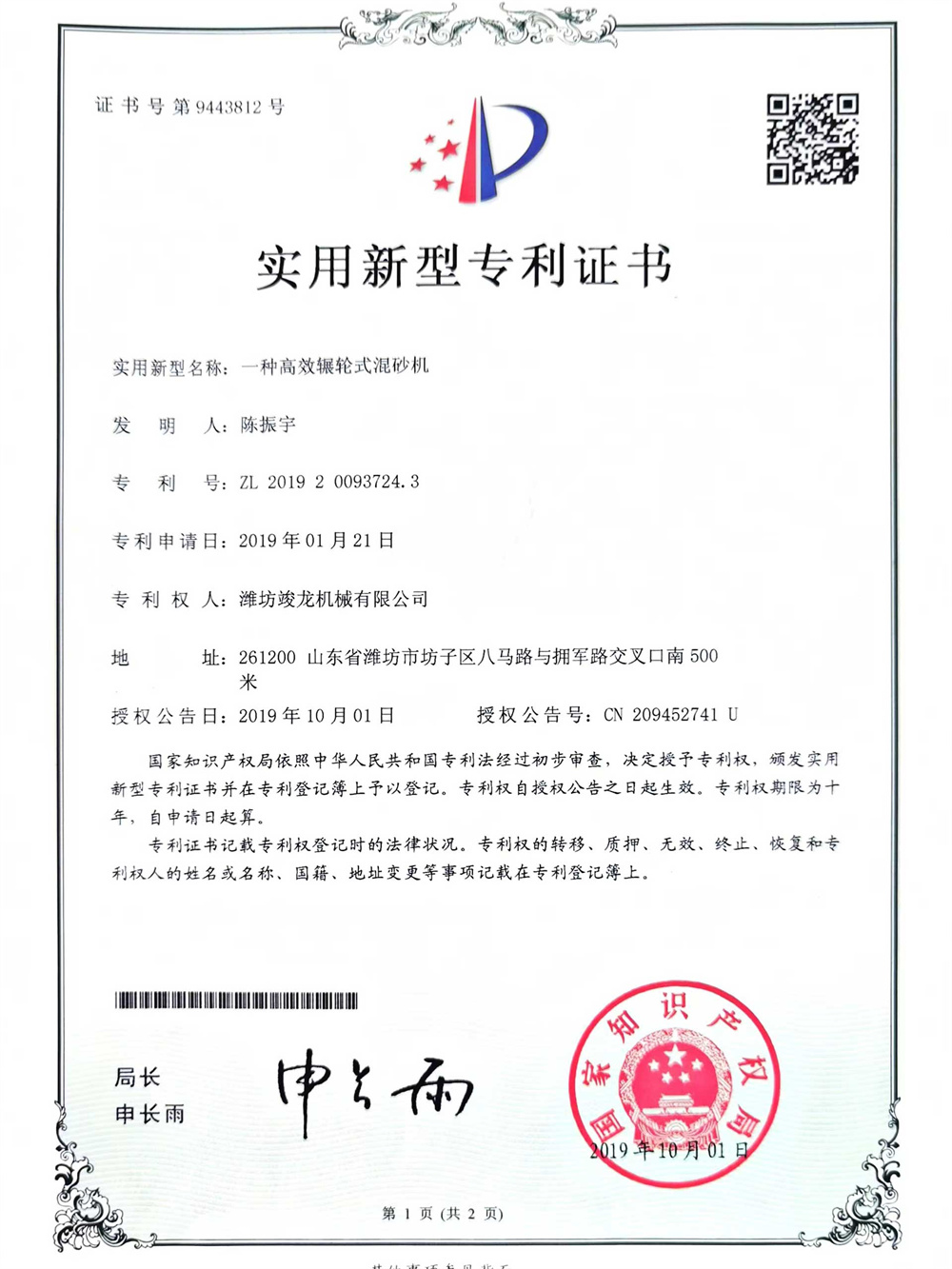
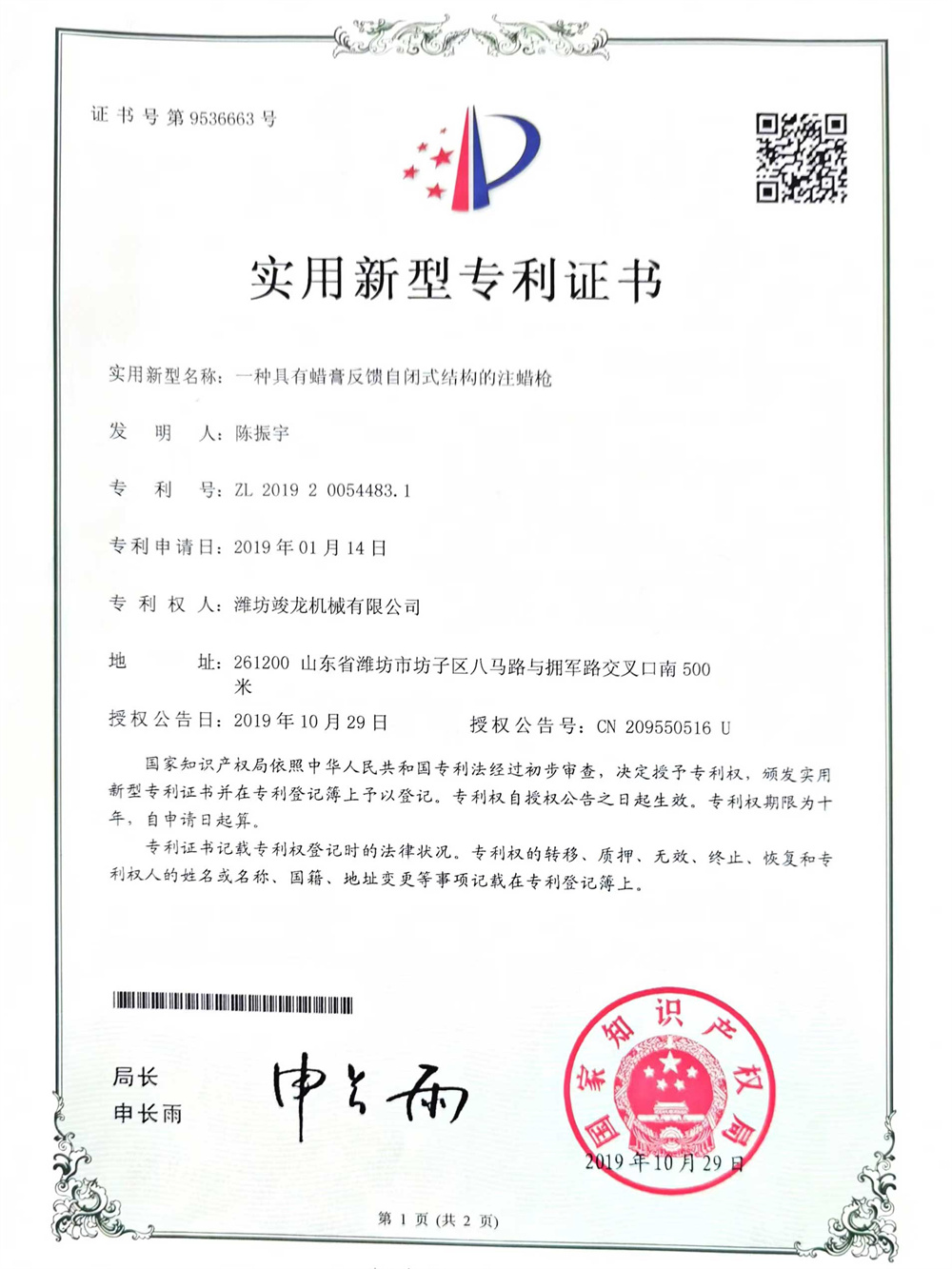
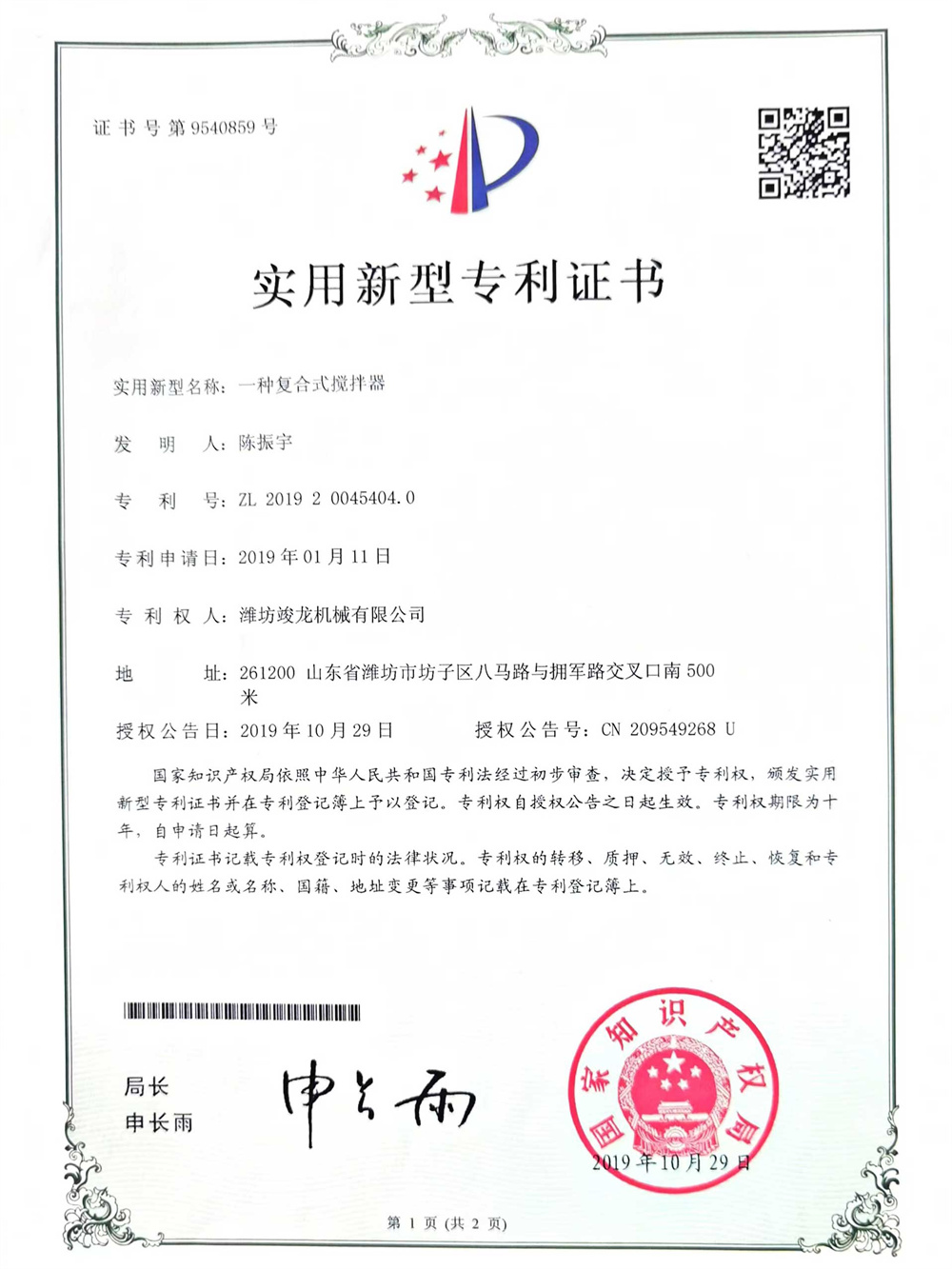
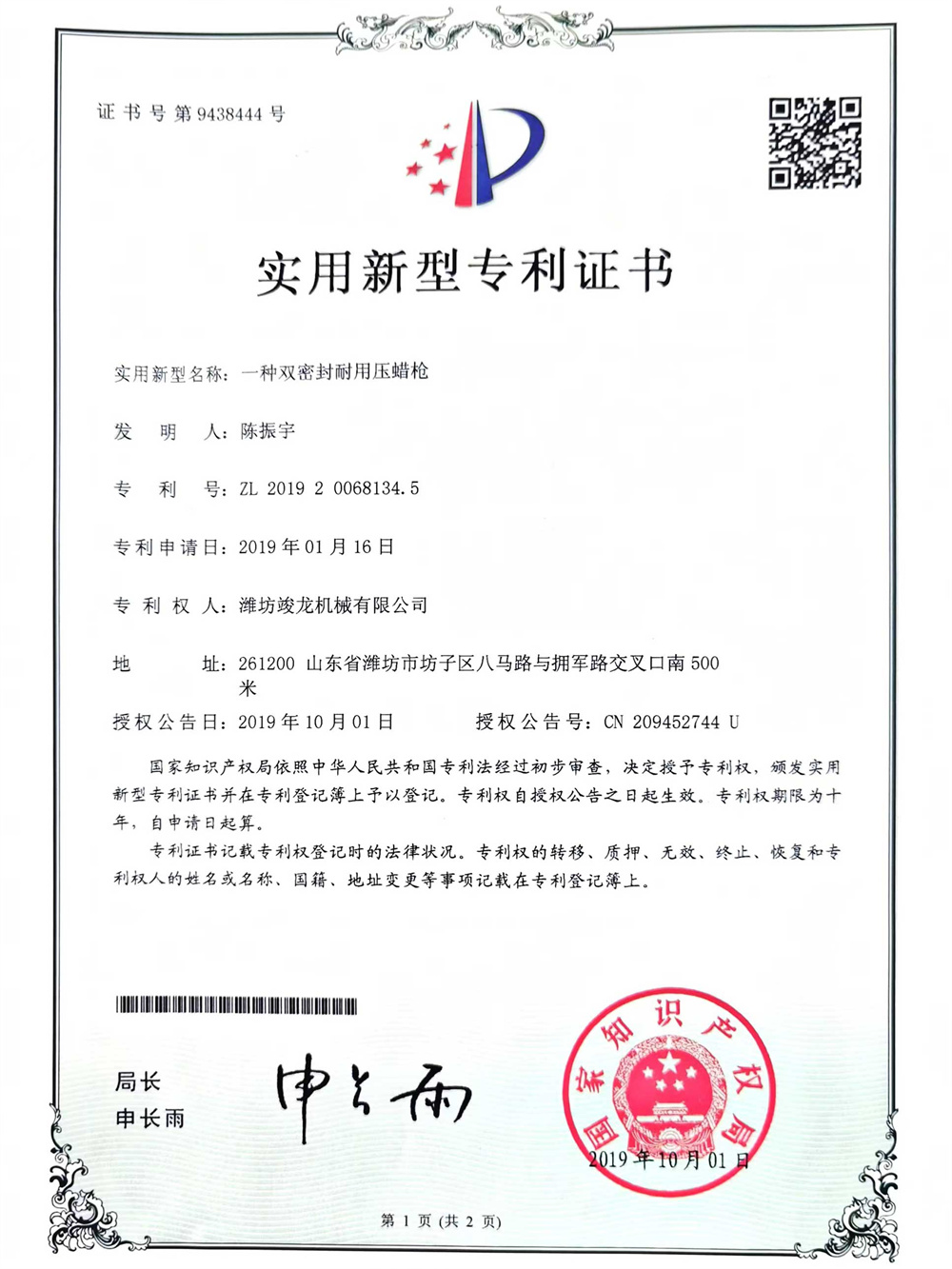
Our company has obtained ISO 9001, TS 16949, UL, and other quality management system certifications, ensuring process control over every production detail.

Expert insights into the precision casting process for food equipment.
A: Investment casting allows for complex internal channels and organic shapes (like curved impeller blades) that are impossible or prohibitively expensive to machine. It also significantly reduces material waste, making it more cost-effective for high-volume production of food-grade 316L parts.
A: We use vacuum-assisted pouring and X-ray non-destructive testing (NDT). For food equipment, internal voids are dangerous as they can weaken the part or harbor bacteria if the void reaches the surface.
A: Typically, mold development takes 2-3 weeks, and the first article inspection (FAI) samples are delivered within 4 weeks. Mass production usually follows in 4-6 week cycles depending on the complexity and volume.
A: Yes. We offer a full range of surface treatments including sandblasting, pickling, passivation, and electropolishing to meet the Ra < 0.8μm standard required for sanitary applications.
Supplying the world's most demanding industrial sectors.
From concept to finished part, JUNLONG Machinery provides the engineering depth and manufacturing scale your food equipment business needs.
Request a Technical Quote Now Junlong