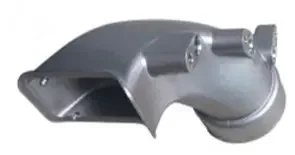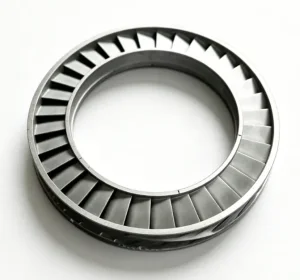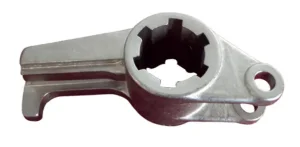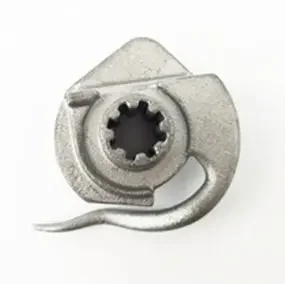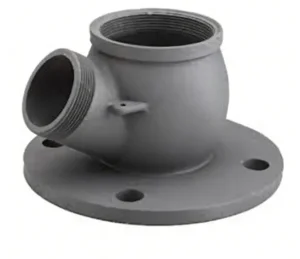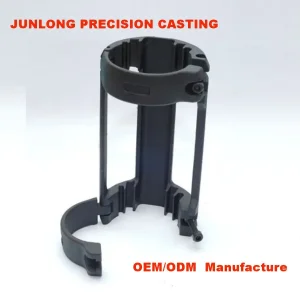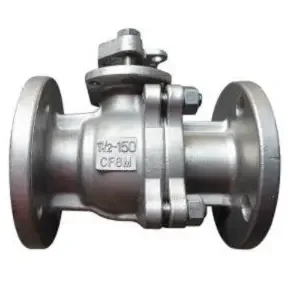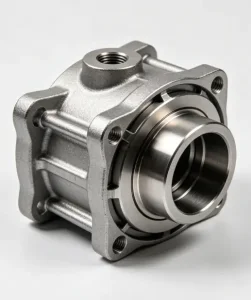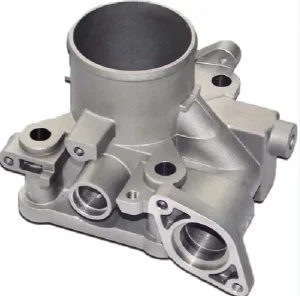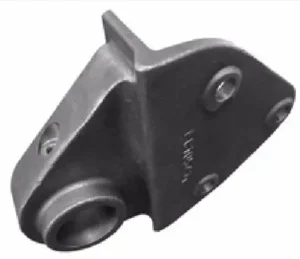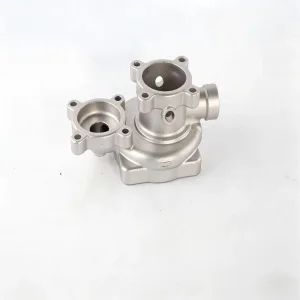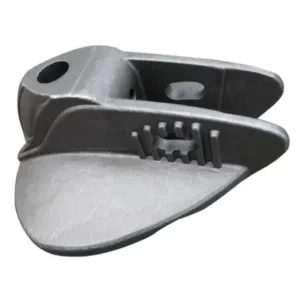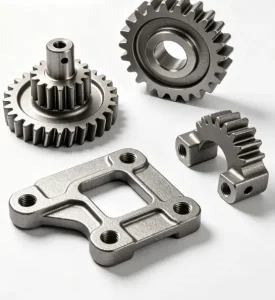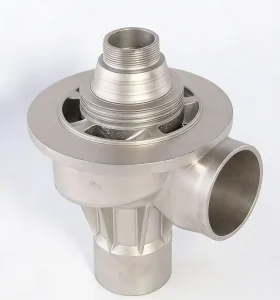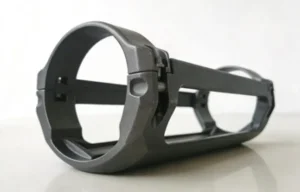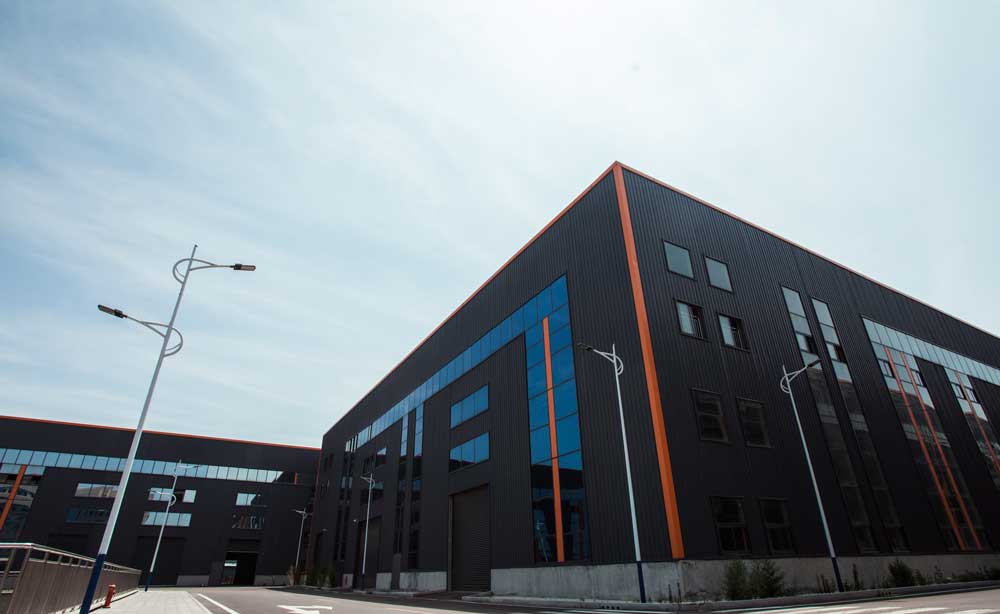
Founded in 2014 and headquartered in Weifang, Shandong, JUNLONG Machinery Co., Ltd. has emerged as a cornerstone of China's precision casting industry. Spanning 60,000 square meters, our facility is engineered for high-volume, high-complexity production of carbon steel, alloy steel, and stainless steel components.
Our workforce of 200+ specialists, including 30+ senior metallurgical engineers, ensures that every "Made in China" casting for the global railway sector meets the rigorous safety standards of modern high-speed and freight transit.
Analyzing the shift from traditional sand casting to high-precision investment processes.
In the modern railway era, fuel efficiency (for diesel locomotives) and energy consumption (for high-speed electric trains) are paramount. The industry trend is moving aggressively toward precision steel castings that offer high strength-to-weight ratios. By utilizing Lost Wax Casting (Investment Casting), manufacturers can achieve wall thicknesses and complex geometries that were previously impossible, reducing the overall weight of bogies, couplers, and braking systems without compromising structural integrity.
Recent breakthroughs in railway metallurgy involve the precise addition of Nickel (Ni) and Chromium (Cr) to carbon steel bases. This creates a "Self-Healing" oxide layer that protects components from the extreme corrosive environments of coastal and alpine rail routes.
The "AI Tech Feel" isn't just a marketing buzzword; it's the reality of Junlong's production line. Advanced simulation software now predicts cooling rates and potential shrinkage porosities before the first mold is even poured. This digital-first approach ensures that safety-critical components, such as Railway Brake Levers and Draft Gears, are zero-defect from the prototype stage.
Global Tier-1 railway contractors require ISO 9001, IATF 16949, and often specific national rail certifications (such as AAR for the USA or TSI for Europe). Junlong's compliance framework ensures total traceability from raw material melt to final machining.
Procurement officers are moving away from fragmented supply chains. Junlong's "All-in-One" factory model—incorporating mold design, casting, heat treatment, and CNC machining—reduces logistical lag by up to 30% compared to traditional multi-vendor sourcing.
Green casting is no longer optional. Our facility utilizes induction melting and sand recycling systems to minimize carbon footprints, aligning with the sustainability goals of international rail operators in Germany, Canada, and Italy.
Utilizing high-precision CNC toolrooms to create aluminum dies for wax injection. Accuracy is maintained within ±0.05mm, ensuring that even the most complex internal railway cooling channels are perfectly cast.
Specialized processing for Carbon Steel (WCB, WCC), Alloy Steel (4130, 4140, 8630), and Stainless Steel (304, 316, 17-4PH). Each batch undergoes 100% Spectrometric analysis.
Magnetic Particle Inspection (MPI), Ultrasonic Testing (UT), and X-Ray analysis are performed to ensure sub-surface integrity, vital for components subjected to high-cycle fatigue in rail transit.
Junlong is currently investing in 3D Printed Sand Molds for rapid prototyping of large-scale railway castings. This technology will allow us to deliver custom-engineered trial components in as little as 10 days, bypassing traditional tooling timelines.
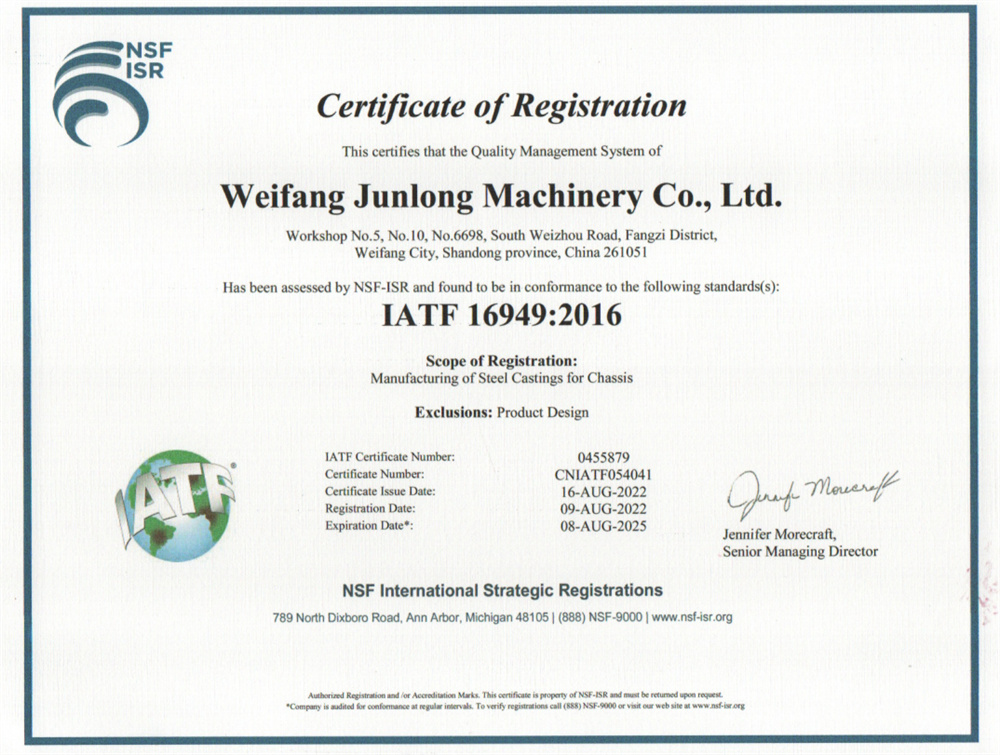
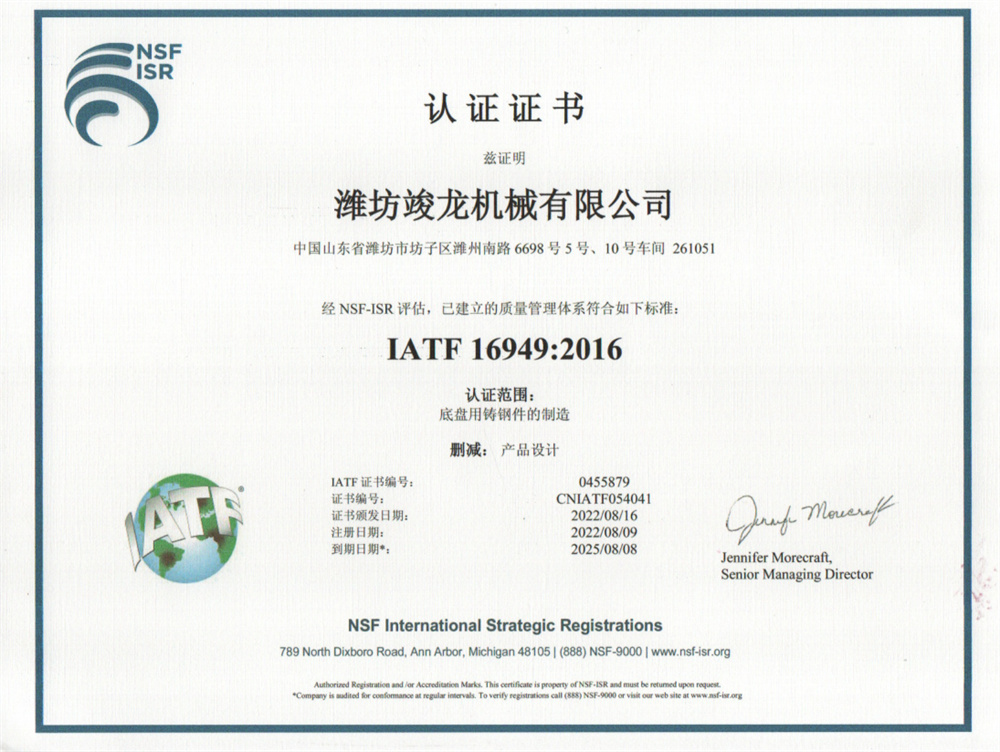
Navigating international trade laws requires more than just manufacturing prowess. We provide comprehensive documentation support for our clients in the USA, Germany, and Italy, including PPAP (Production Part Approval Process) Level 3 reports.
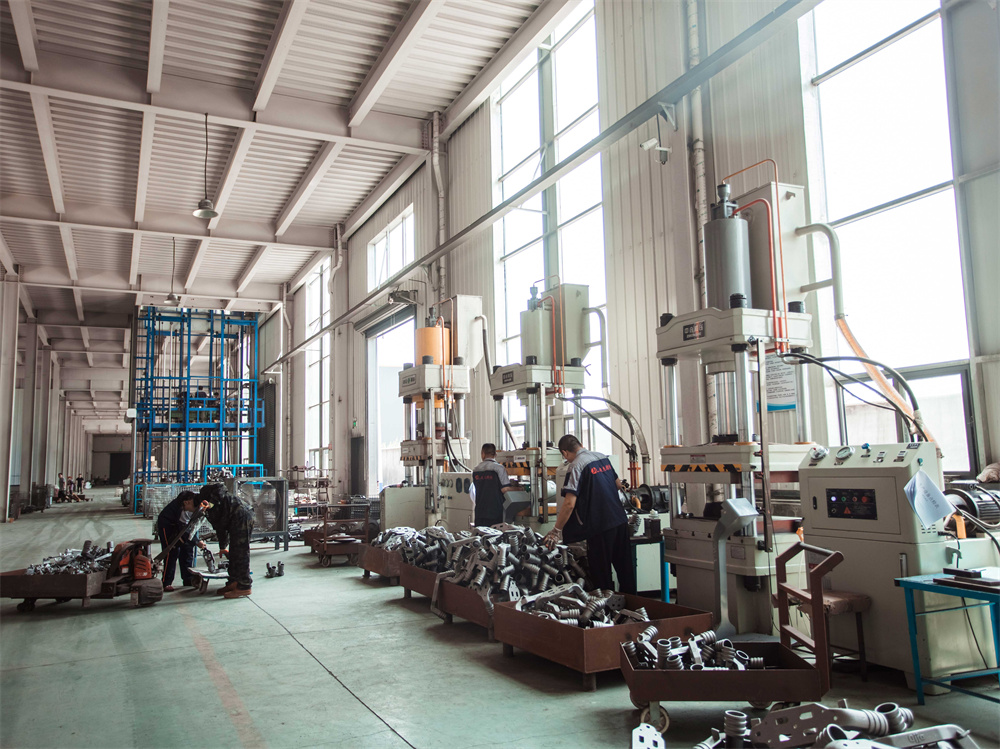
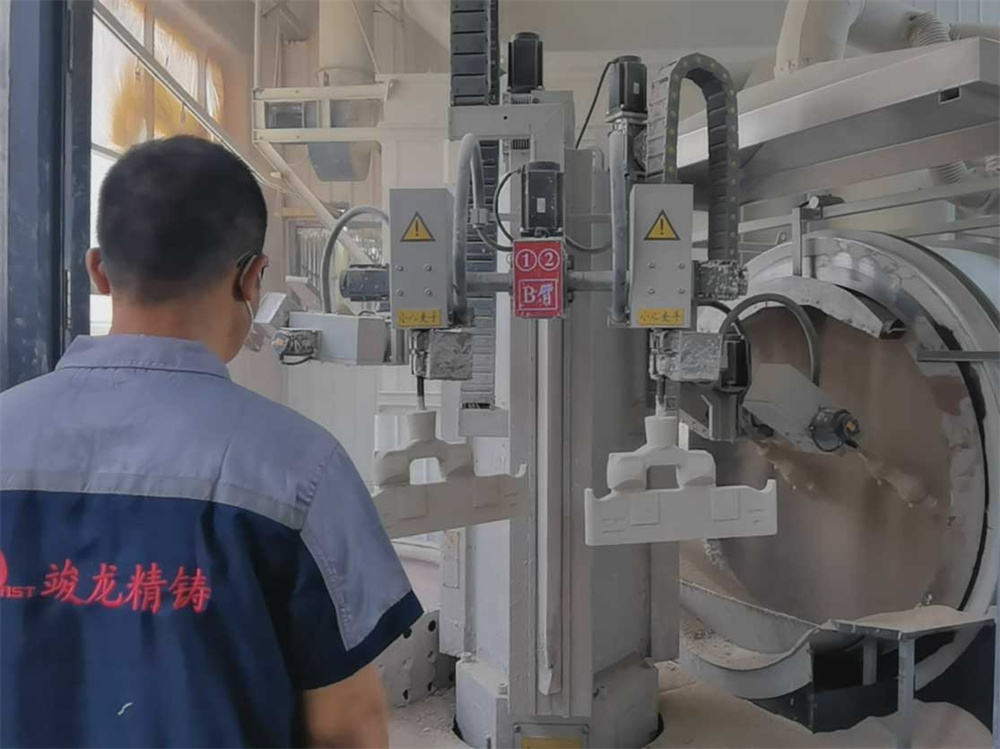
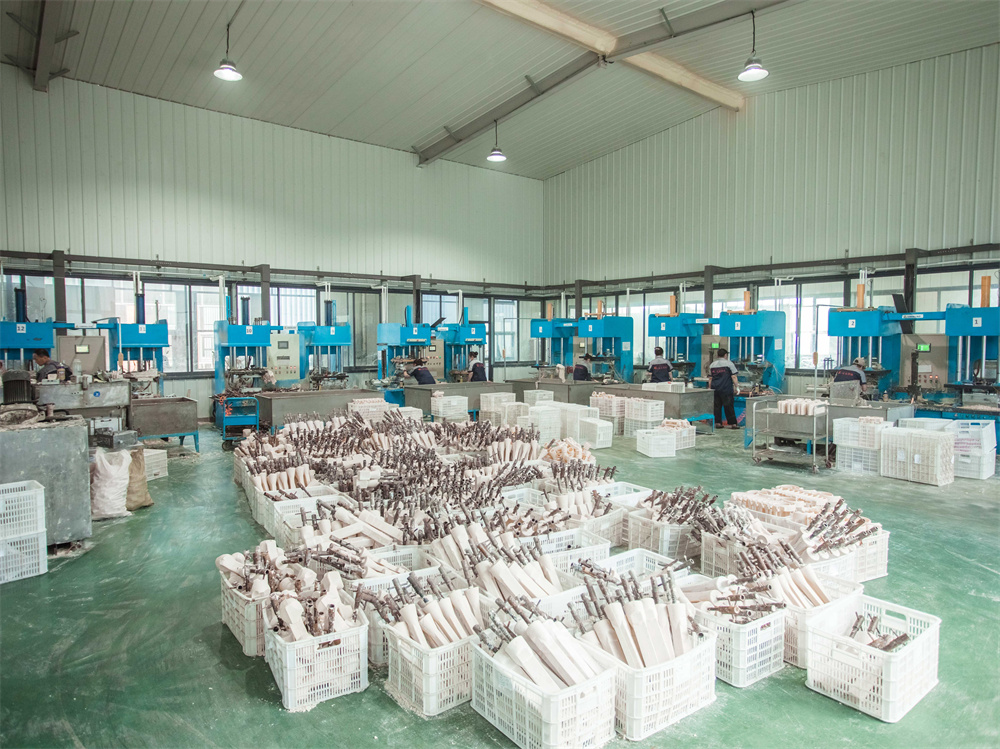
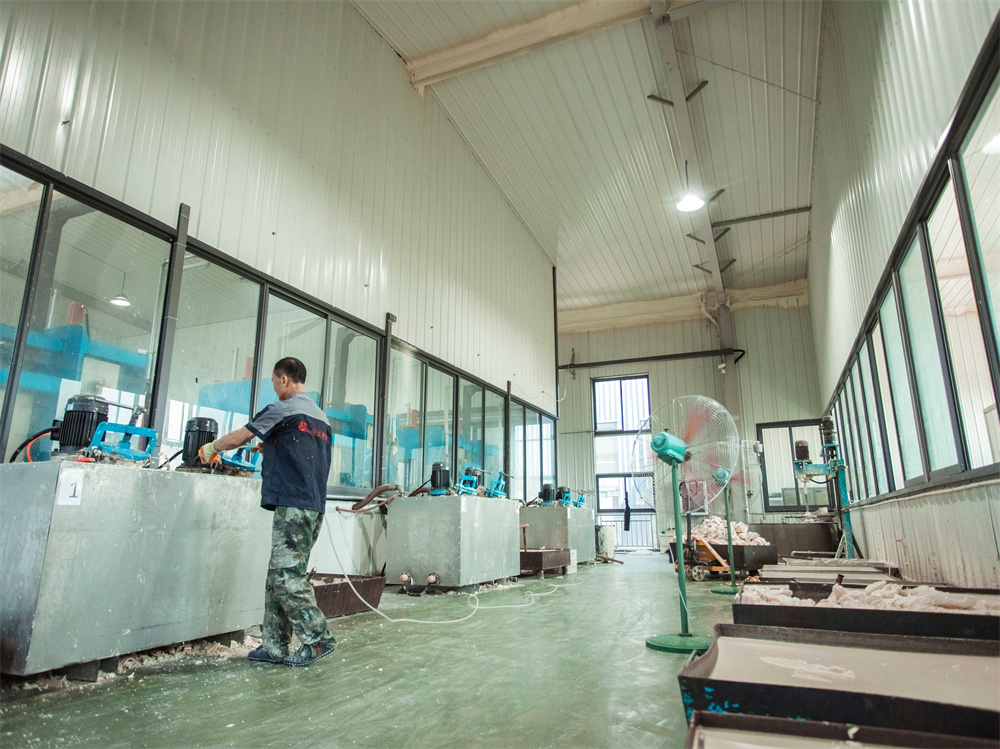
Our facility is equipped with internationally advanced automated casting production lines and physical/chemical analysis labs.
Investment casting (lost wax) provides superior surface finish and dimensional accuracy compared to sand casting. This reduces or eliminates the need for expensive secondary machining, specifically for complex components like valve bodies and brake levers.
We implement a multi-stage testing protocol: Chemical composition analysis (Spectral), Mechanical property testing (Tensile, Hardness, Impact), and Non-Destructive Testing (X-Ray, Magnetic Particle, Ultrasonic). Each part is traceable back to its melt heat number.
Yes. Our engineering team can adjust carbon, manganese, and nickel levels to optimize for low-temperature toughness (arctic rail) or high-corrosion resistance (coastal regions).
Tooling and mold creation usually take 3-4 weeks. Once approved, the first production batch is typically delivered within 4-6 weeks, depending on the volume and machining complexity.
Partner with JUNLONG for world-class precision, 20,000-ton capacity, and unmatched metallurgical expertise.
Request a Technical Consultation Junlong