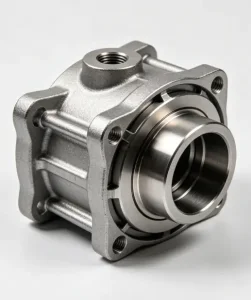
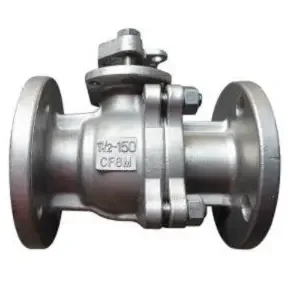
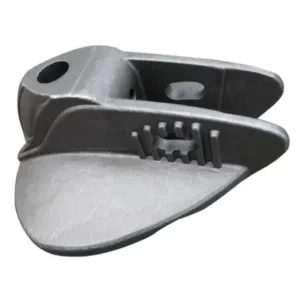
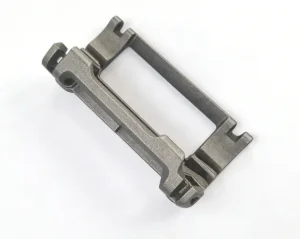
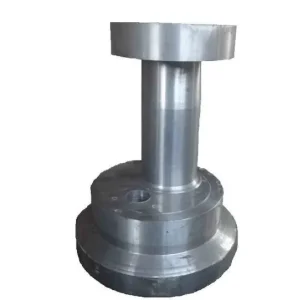
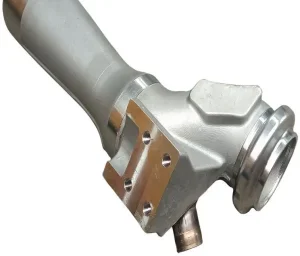
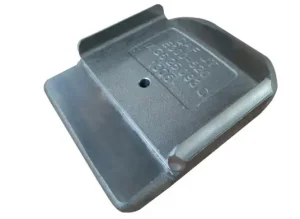
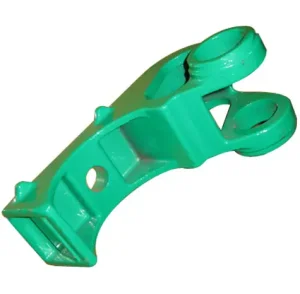
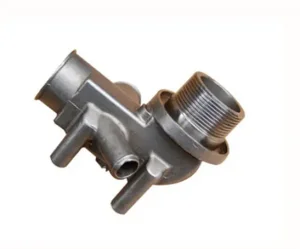
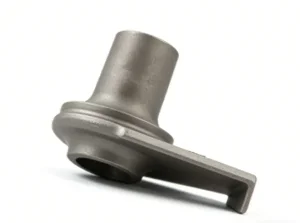
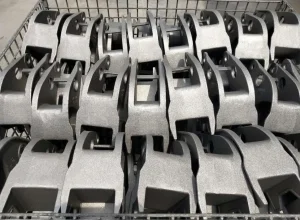
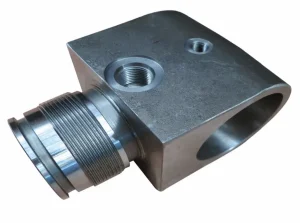
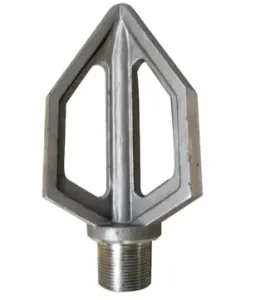
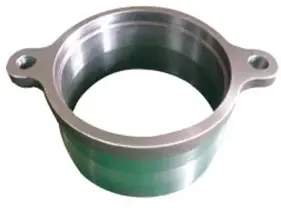
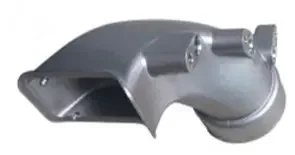
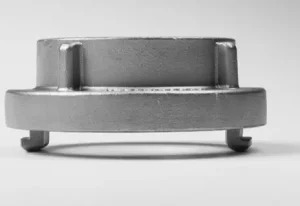
The global railway casting market is undergoing a seismic shift towards high-speed transit and heavy-haul freight systems. As a leading China railway casting parts supplier, we recognize the industry's demand for materials that withstand extreme fatigue, high-impact loads, and corrosive environments. Modern rail networks in Europe, North America, and Southeast Asia are prioritizing Information Gain in their procurement—seeking partners who provide not just parts, but metallurgical data and life-cycle predictability.
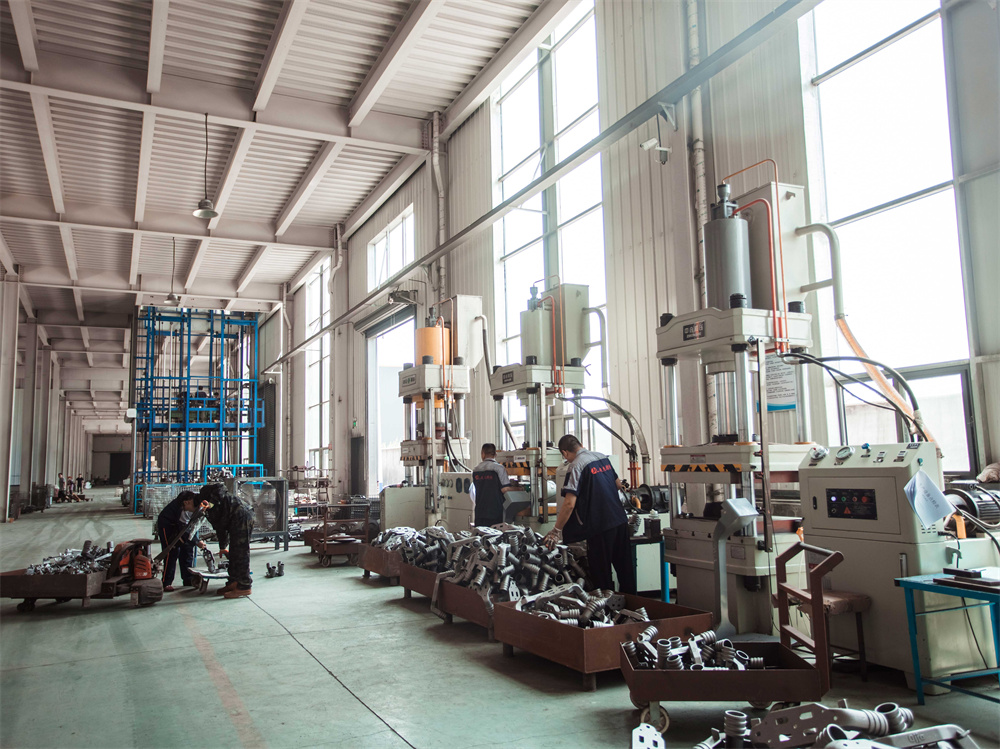
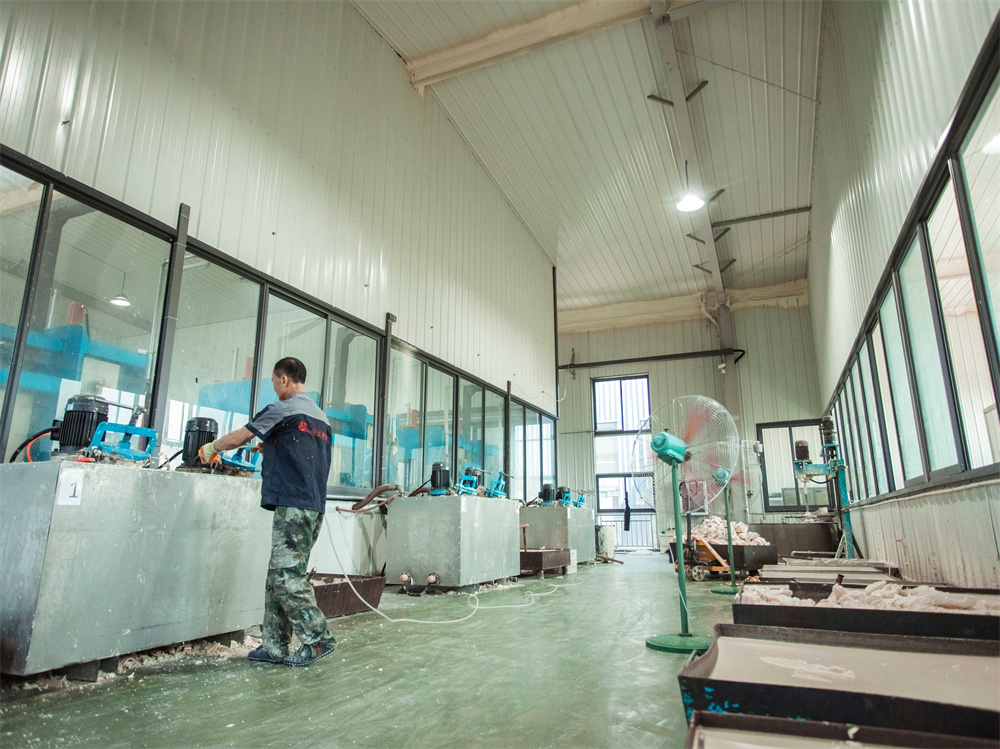
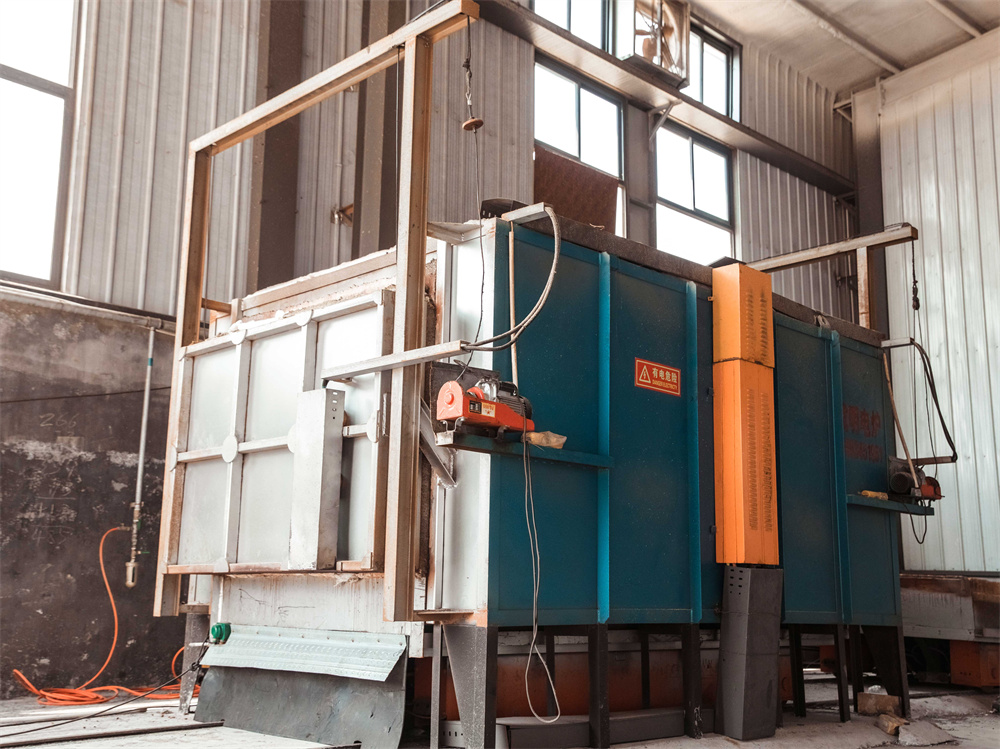
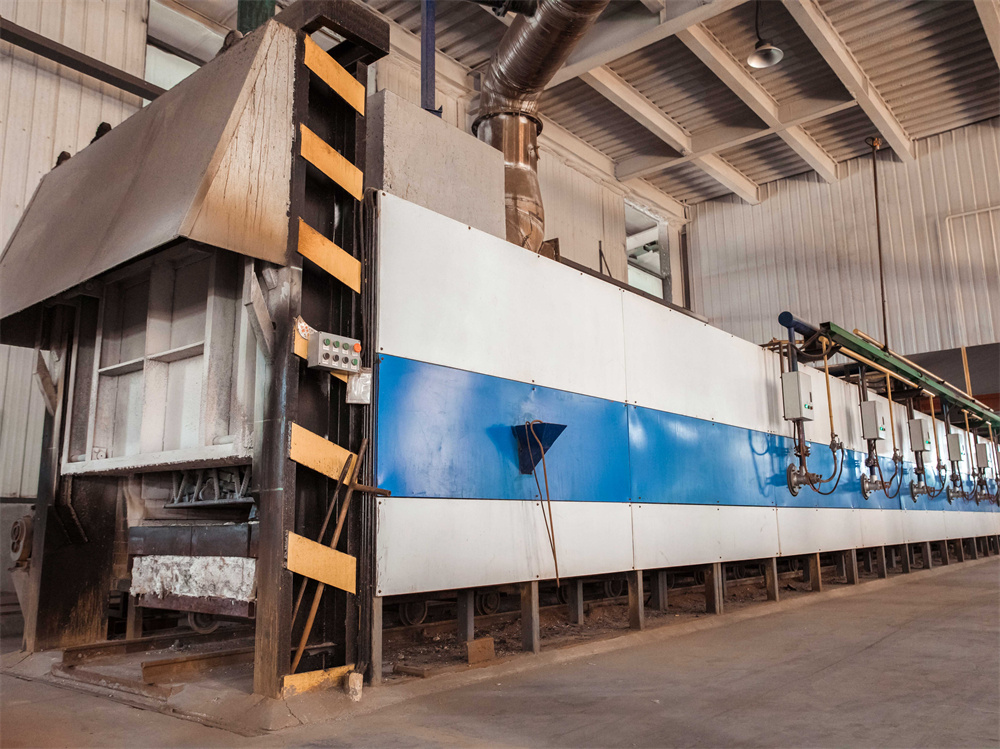
China's dominance as a factory for railway castings is built on vertical integration. Our 60,000 m² facility in Weifang, Shandong, leverages the local industrial cluster to ensure raw material stability and logistical efficiency. We navigate global trade complexities by maintaining ISO 9001 and TS 16949 certifications, ensuring every casting exported meets the rigorous safety standards of international rail regulators.
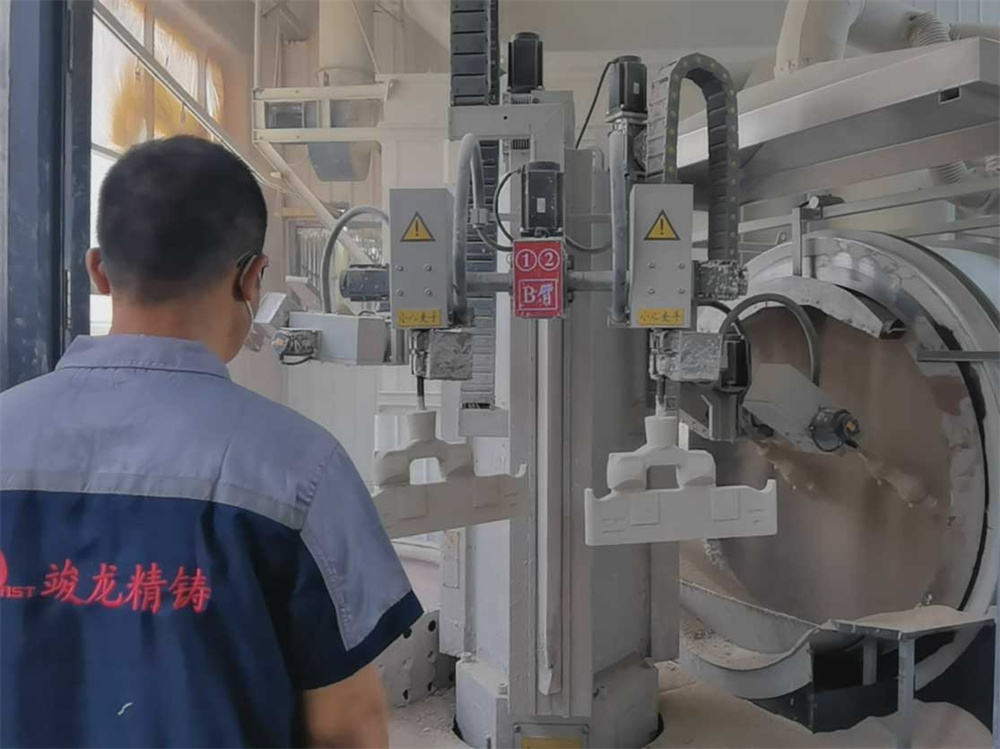
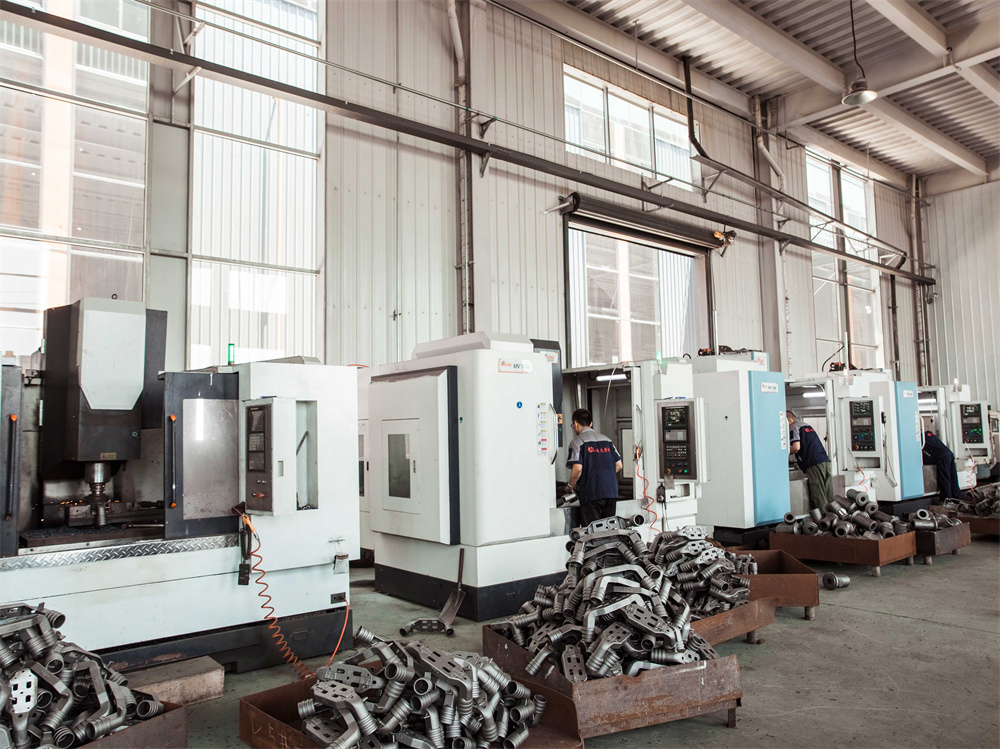
The future of casting lies in AI-driven solidification modeling and automated precision pouring. By 2026, our facility aims to integrate real-time sensor feedback into the lost wax process, reducing dimensional variance to the micron level. This technical roadmap aligns with the global "Industry 4.0" initiative, positioning us as a high-tech supplier for the next generation of maglev and high-speed rail projects.
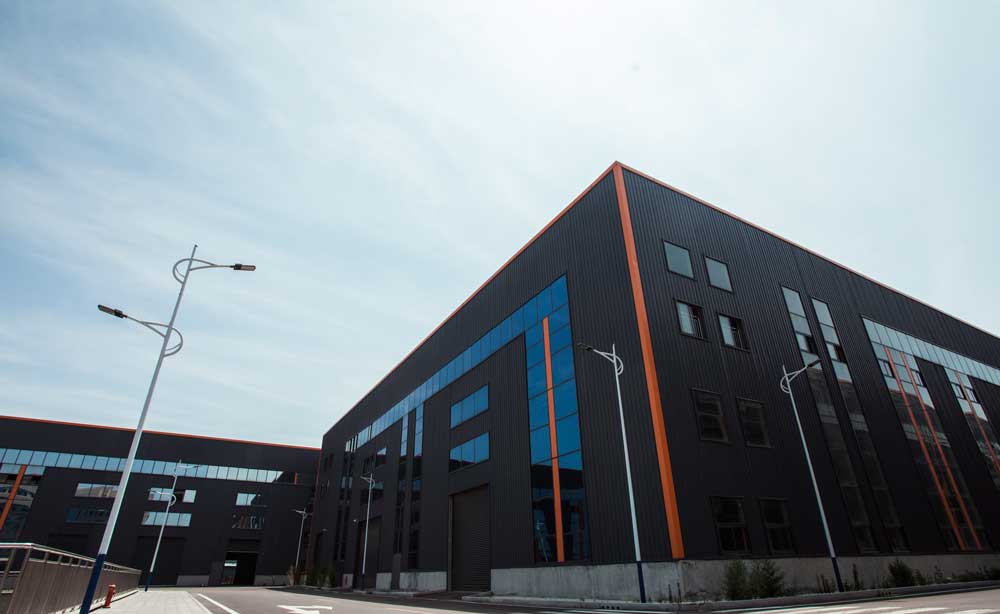
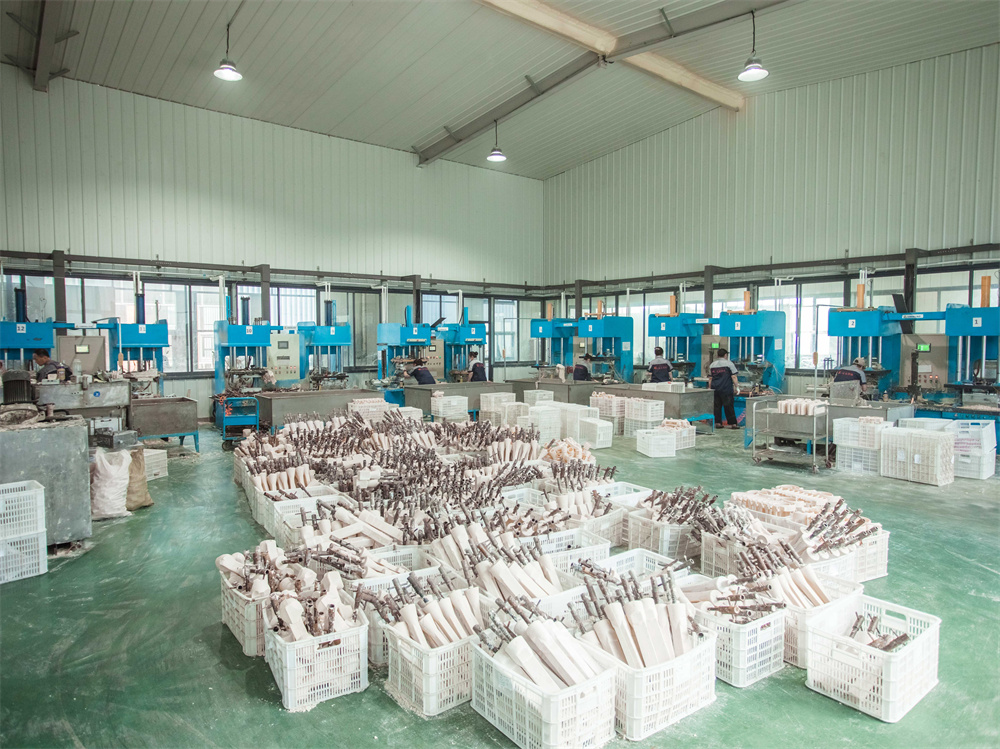
Founded in 2014, JUNLONG Machinery Co., Ltd. has evolved into a global benchmark for quality. Our Shandong-based factory covers 60,000 square meters, producing over 20,000 tons of precision castings annually. We specialize in carbon steel, alloy steel, and stainless steel, serving as a critical link in the global rail transportation supply chain.
Founded Year
Area (m²)
Employees
How our casting components empower diverse industrial ecosystems.
From bogie frames to coupler components, our castings are engineered for the vibration-heavy environment of modern freight. We focus on grain structure refinement to prevent stress fractures during long-haul transits across varying climates, from Siberian cold to Saharan heat.
Our excavators and crane parts utilize Alloy Steel Investment Casting to provide the "mechanical backbone" needed for mining and earthmoving. High wear resistance and impact toughness are the primary design parameters for these localized applications.
Weight reduction without compromising safety is the core intent. Our OEM truck parts precision casting allows for complex geometries that reduce assembly time and overall vehicle weight, contributing to fuel efficiency and carbon emission reduction.
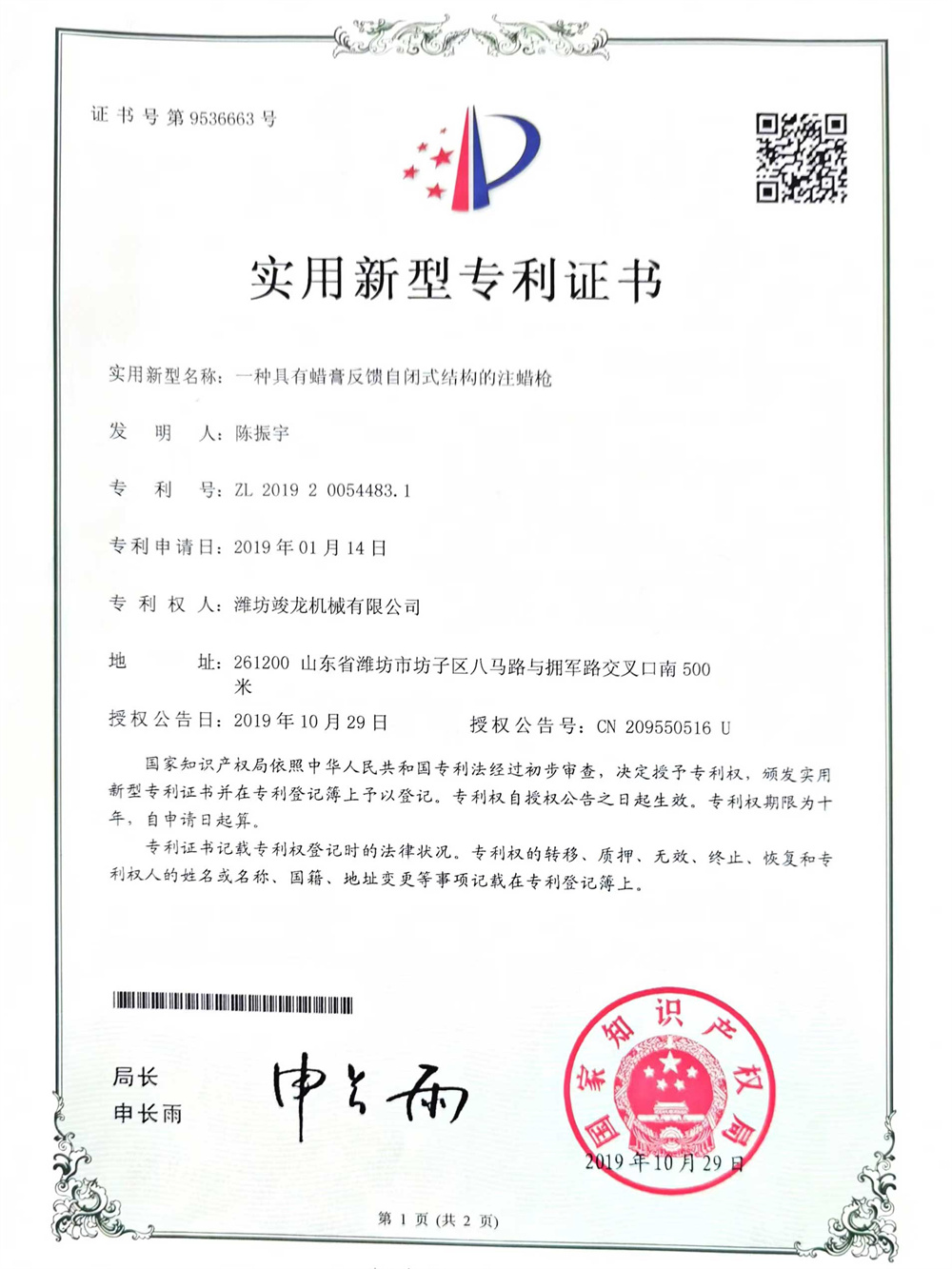
Our commitment to E-E-A-T is validated by our rigorous certification portfolio. We don't just manufacture; we guarantee performance through full-process quality traceability.
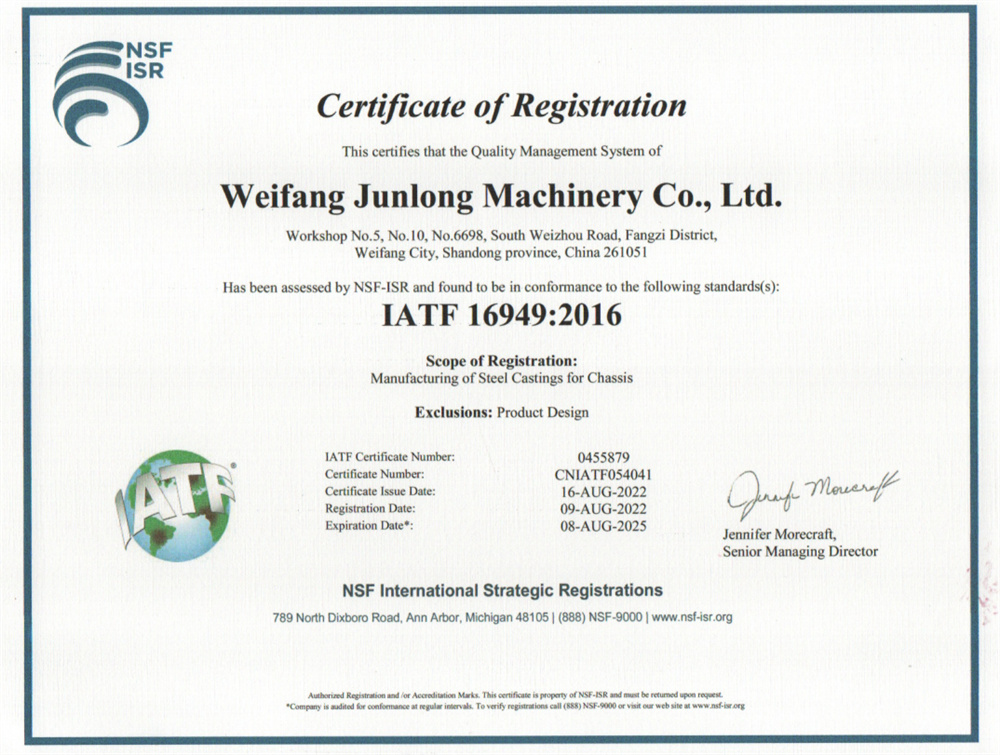
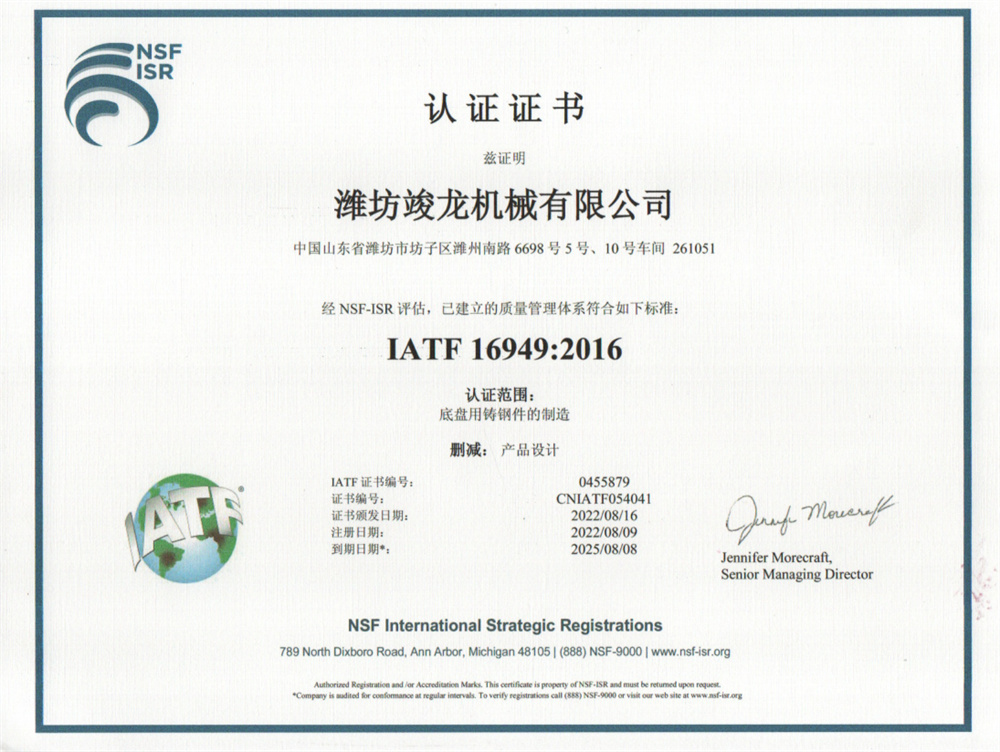
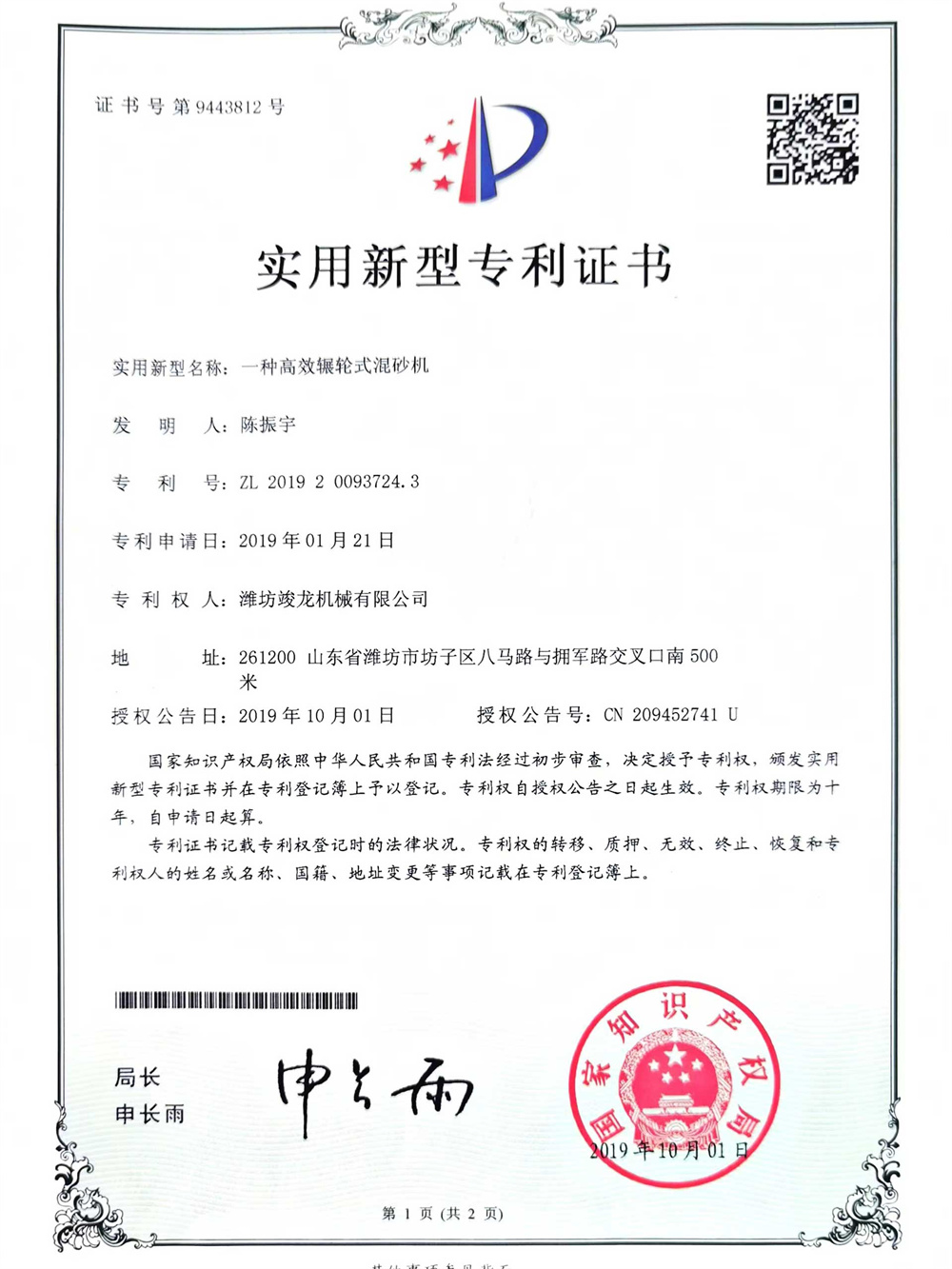

Integrating AI-enhanced casting tech and automated production lines.
Download our full technical specifications or request a custom quote for your railway casting project today. Partner with a supplier that understands the gravity of precision.
Inquiry Now & Get a Technical Consultation Junlong