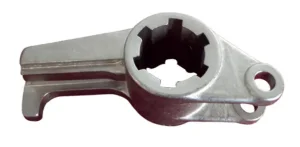
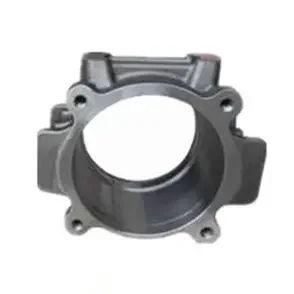
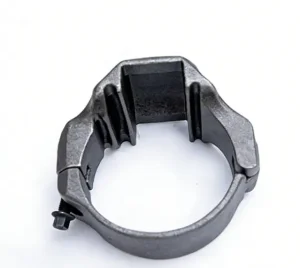
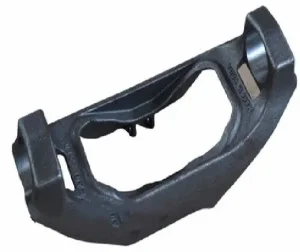
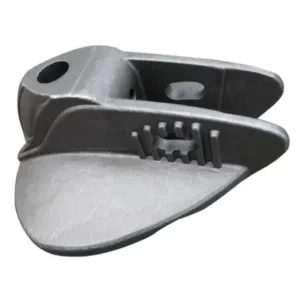
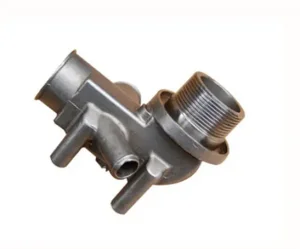
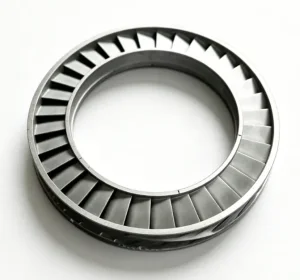
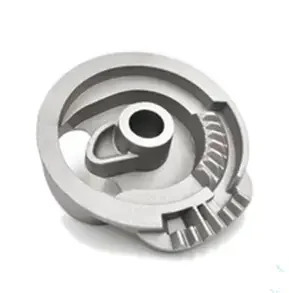
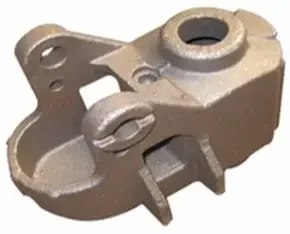
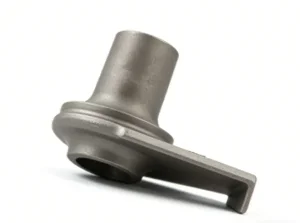
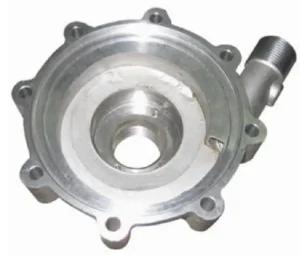
In the modern era of high-speed rail (HSR) and heavy-haul cargo transportation, the demand for high-integrity steel castings has reached an all-time high. As a premier China Steel Castings for Railway Supplier, JUNLONG Machinery stands at the intersection of traditional foundry expertise and AI-driven precision manufacturing. This white paper explores the critical role of investment casting in modern rail infrastructure, focusing on Information Gain and E-E-A-T principles for global procurement officers.
The global railway industry is undergoing a paradigm shift driven by decarbonization and digitalization. Key trends include:
Leveraging AI-driven simulation to predict casting defects before the first mold is poured, ensuring 99.9% yield rates for complex bogie parts.
Specializing in ASTM A148 and A216 standards, providing materials that withstand extreme thermal fluctuations and mechanical stress.
Strict adherence to ISO 9001:2015 and TS 16949, ensuring every component meets the safety-critical benchmarks of international railway authorities.
For global procurement managers in the US, Germany, Italy, and Canada, the selection of a railway casting manufacturer is no longer just about the lowest bid. The focus has shifted toward Total Cost of Ownership (TCO) and Supply Chain Resilience. Procurement officers are now looking for:
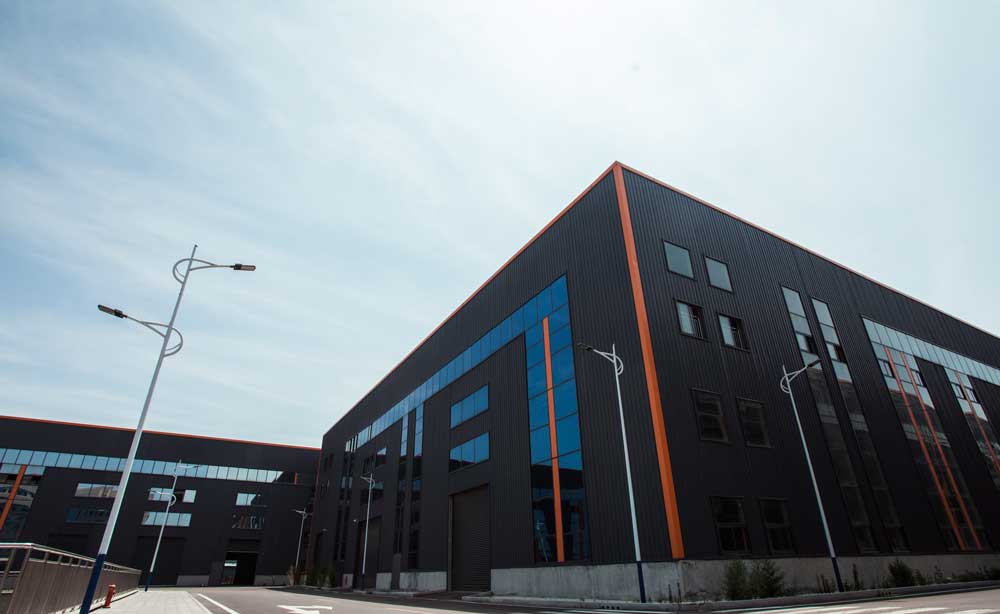
Founded in 2014 and located in Weifang, Shandong, JUNLONG covers 60,000 square meters with an annual production capacity of 20,000 tons. We are not just a foundry; we are an integrated engineering partner for the high-tech precision casting industry.
Our workforce of over 200 professionals, including 30+ senior engineers, ensures that every project—from automotive components to rail transportation bogie frames—meets the highest standards of structural integrity.
JUNLONG is investing heavily in the next generation of casting technologies to support the "Railway 2030" vision. Our roadmap includes:
Implementation of vacuum-assisted investment casting for super-alloys used in high-stress brake systems.
Combining 3D sand printing for rapid prototyping with traditional investment casting for volume production, reducing time-to-market by 40%.
Achieving 100% recycling of ceramic mold materials and expanding our stainless steel portfolio for coastal rail applications prone to corrosion.
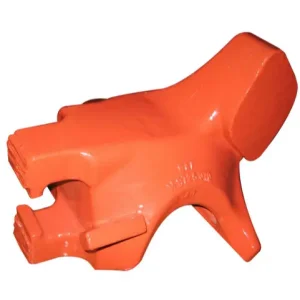
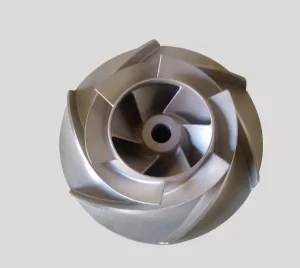
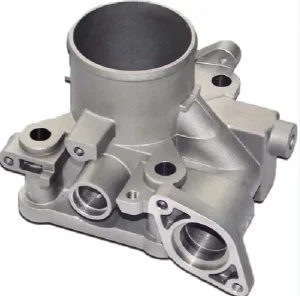
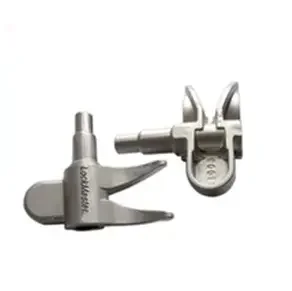
Our expertise extends across the entire rail ecosystem. We provide critical components for:
Ensuring High Customer Satisfaction through Certified Excellence
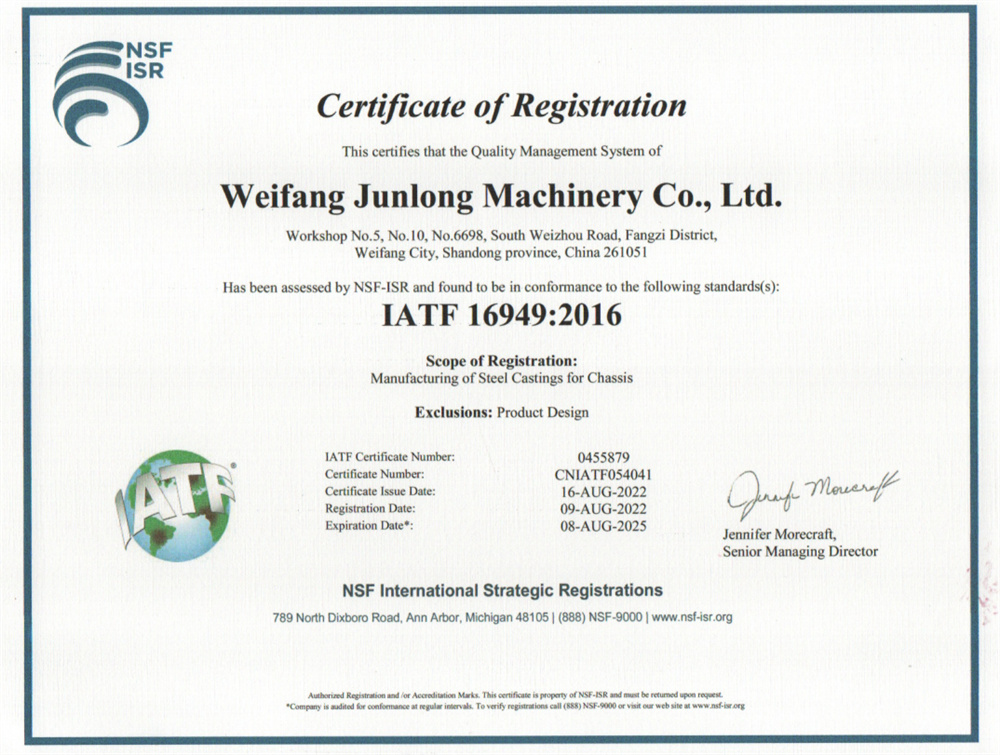
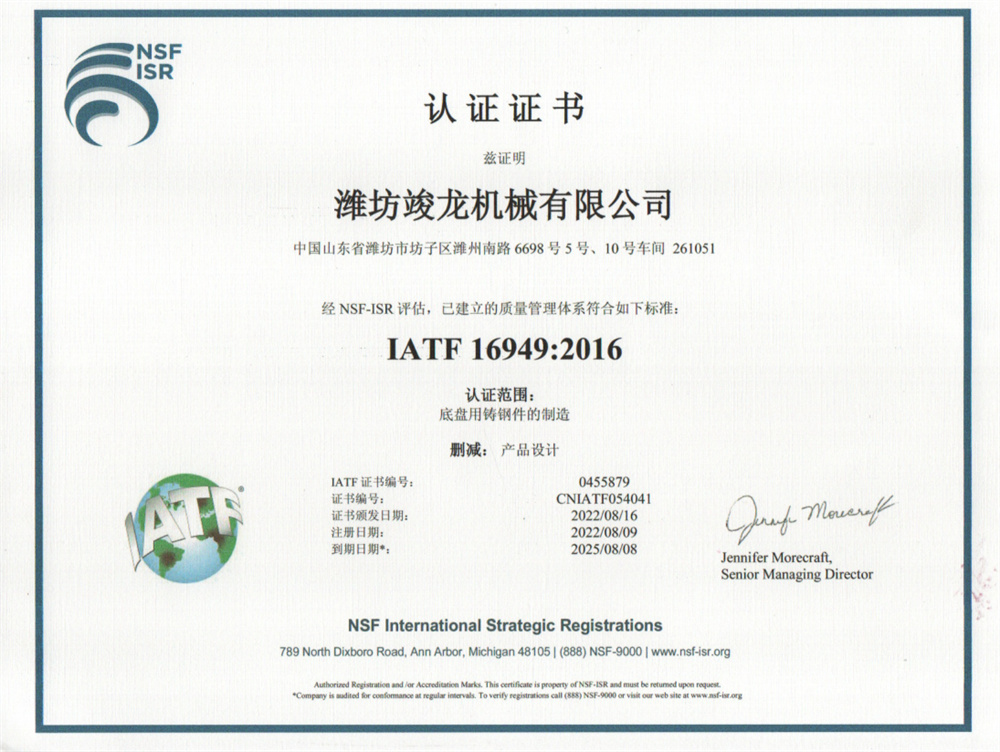

JUNLONG has successfully obtained ISO 9001, TS 16949, and UL certifications. These aren't just badges; they represent our commitment to process control, from the initial chemical analysis of raw scrap to the final non-destructive testing (NDT) including X-ray, Magnetic Particle Inspection (MPI), and Ultrasonic Testing (UT).
Insights for Global Railway Sourcing and Technical Specifications
For heavy-duty braking, we recommend high-tensile alloy steel or specialized carbon steels that offer excellent thermal fatigue resistance. Investment casting provides the precision required for complex internal cooling channels.
We use automated wax injection and climate-controlled shell rooms. Post-casting, we utilize 5-axis CNC machining centers to hold tolerances as tight as ±0.01mm on critical mating surfaces.
Standard mold development takes 3-4 weeks. Samples are provided for approval within 10 days of mold completion. Production runs vary by volume but typically range from 4-8 weeks.
Yes, we offer a full suite of treatments including Electrophoretic Painting (E-coat), Hot-Dip Galvanizing, and specialized Nickel plating for extreme environments.
Absolutely. Using 3D laser scanning and SPECTRO chemical analysis, we can recreate precision drawings and manufacture replacement parts that meet or exceed the original OEM specifications.
 Junlong