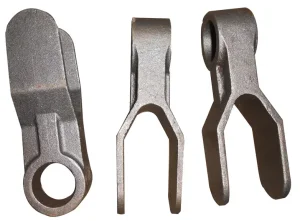
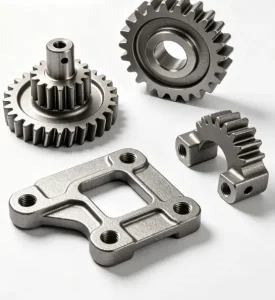
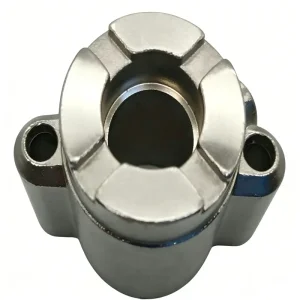
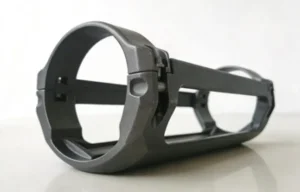
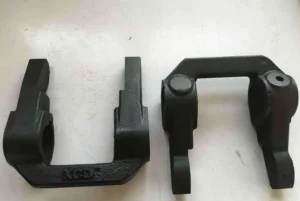
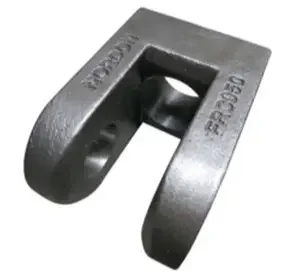
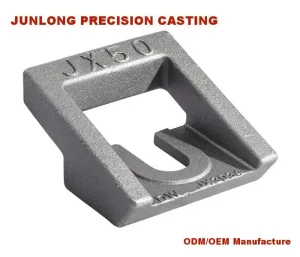
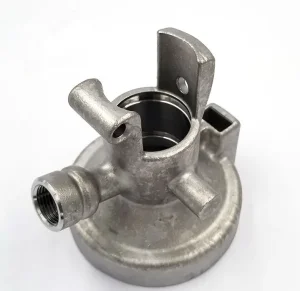
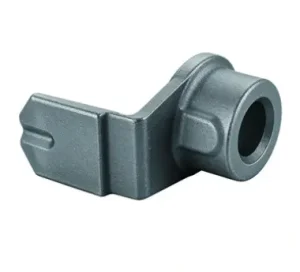
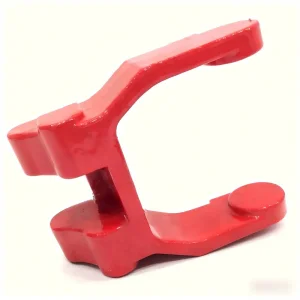
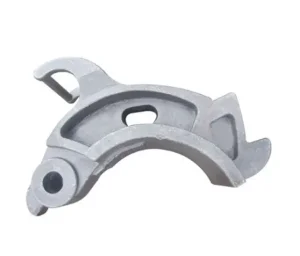
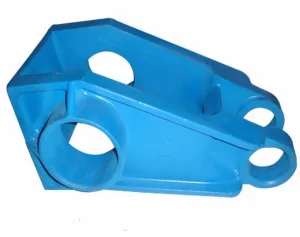
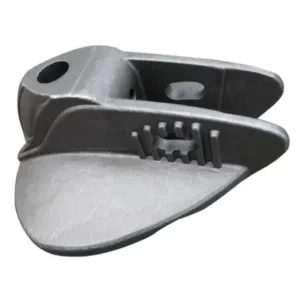
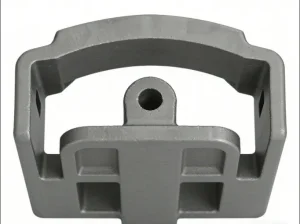
In the realm of high-precision manufacturing, Lost Wax Casting (Investment Casting) stands as the pinnacle for creating complex, near-net-shape mechanical components. Unlike traditional sand casting, the lost wax process allows for intricate geometries and superior surface finishes that minimize or even eliminate the need for extensive secondary machining.
As a leading Custom Mechanical Parts Supplier, JUNLONG Machinery Co., Ltd. has redefined this ancient technique through the integration of digital twin simulation, automated wax injection, and robotic ceramic shell production. Our mission is to provide global industries with parts that don't just meet specifications but exceed performance expectations in the most demanding environments.
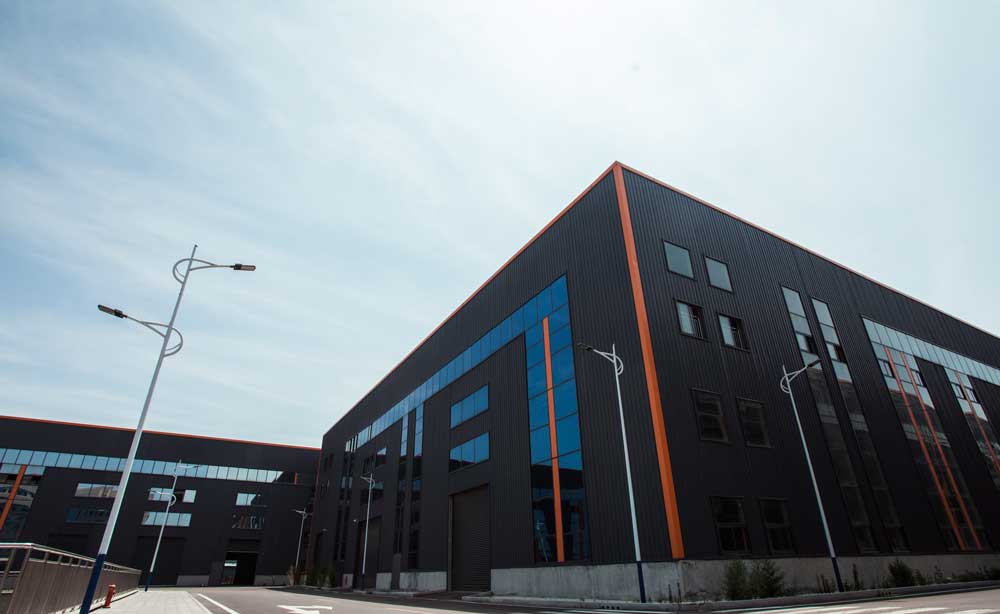
Founded in 2014 and headquartered in Weifang, Shandong, JUNLONG covers 60,000 square meters of state-of-the-art manufacturing space. We have evolved from a local foundry into a global powerhouse, boasting an annual production capacity of 20,000 tons of precision castings and machined finished parts.
Square Meters Facility
Annual Tons Capacity
Skilled Professionals
Our "source-to-solution" model ensures total control over every variable. We don't just cast; we engineer.
Modern enterprises are shifting from "Just-in-Time" to "Just-in-Case." We support this through robust inventory management and localized logistics support in the US and Europe, reducing lead-time risks.
The demand for "Green Casting" is rising. We utilize energy-efficient induction furnaces and waste-heat recovery systems to minimize the carbon footprint of every part produced.
Leveraging AI for X-ray flaw detection and spectral analysis ensures that 100% of our products meet the chemical and mechanical properties required by IATF 16949 standards.
As machines become more compact and efficient, parts require internal galleries and cooling fins that only investment casting can provide with high fidelity.
We serve as a key partner for high-tech industries, providing specialized metallurgical solutions for extreme operating conditions.
Durable, wear-resistant components for harvesters and tractors designed to withstand abrasive soil conditions and high-torque loads.
Corrosion-resistant valves and cable protectors that maintain structural integrity under high pressure and deep-sea environments.
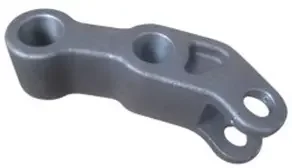
Heavy-duty brackets and linkages for excavators and cranes, utilizing high-strength alloy steels for maximum safety and lifespan.
Precision-cast engine brackets and railway suspension parts that meet the rigorous TS16949 safety certifications for the transport sector.
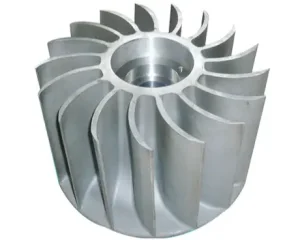
High-efficiency pump impellers and valve bodies cast in stainless steel to ensure sanitary standards and chemical resistance.
Bring us your CAD drawings. Our engineering team provides Design for Manufacturing (DFM) feedback to optimize cost and performance.
JUNLONG is investing heavily in the Foundry 4.0 roadmap. Our future centers on:
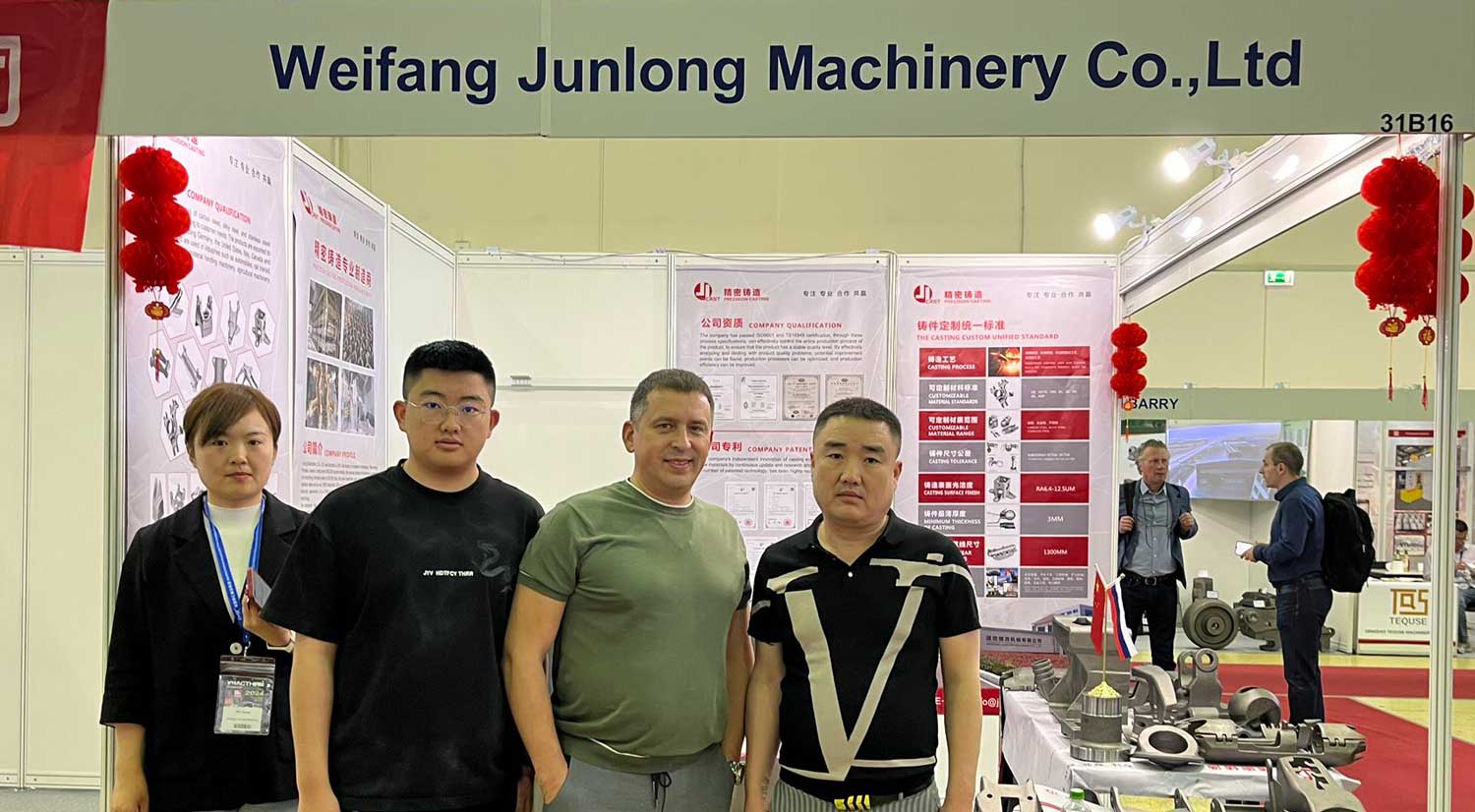
Our commitment to Reliability is backed by international certifications: ISO 9001, TS 16949, and UL. Every part undergoes rigorous testing including spectral analysis, mechanical testing, and non-destructive testing (NDT).
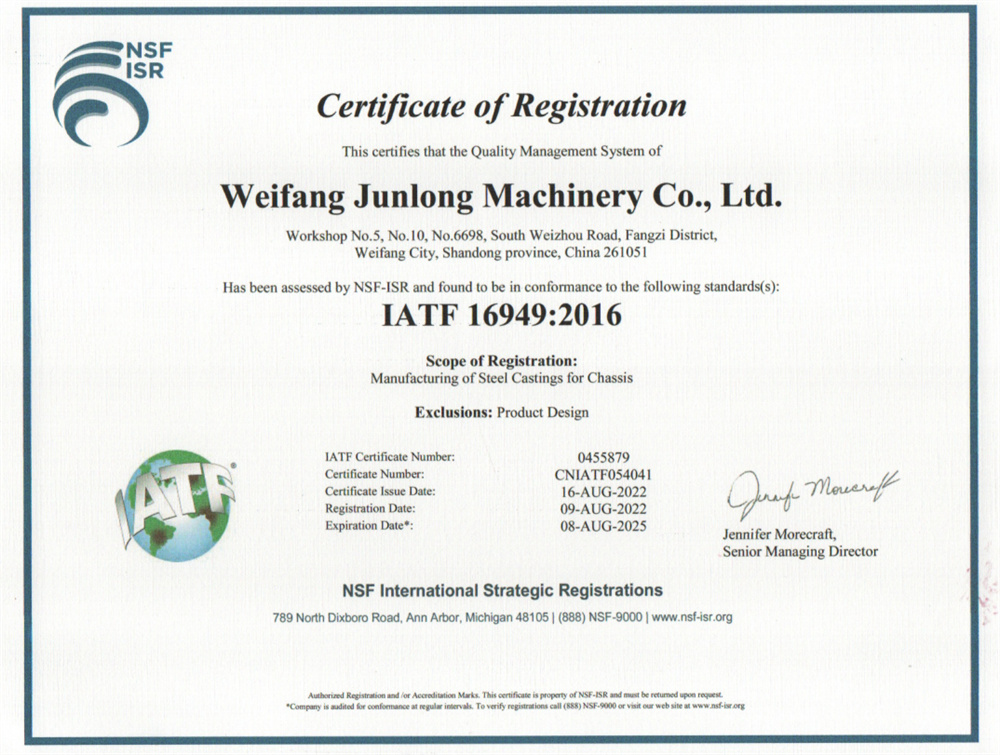
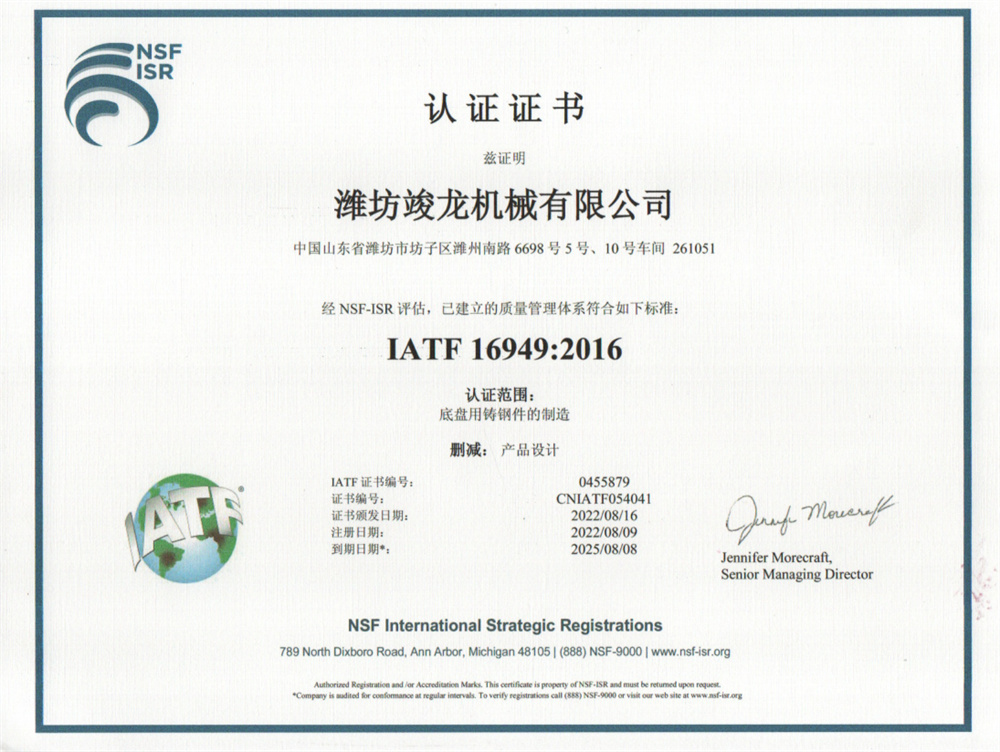

Standard investment casting tolerances typically range from ±0.1mm to ±0.2mm per 25mm, depending on the material and geometry. At JUNLONG, we achieve CT4-CT6 levels through optimized wax injection and controlled cooling.
We specialize in carbon steels (WCB, WCC), alloy steels (4140, 8620), and various grades of stainless steel (304, 316, 17-4PH). Material choice depends on the application's need for strength, corrosion resistance, or heat stability.
We use solidification simulation software to design optimal gating systems. Post-casting, we employ X-ray and Ultrasonic testing to ensure there is no internal shrinkage or gas porosity.
Yes. Our products are exported to Germany, the USA, Italy, and Canada. We provide full technical documentation in English and work with global logistics partners to ensure DDP/CIF deliveries meet your schedule.
While we specialize in high-volume production (20,000 tons annually), our rapid prototyping cell allows us to support smaller batches for R&D and specialized industrial applications.
 Junlong