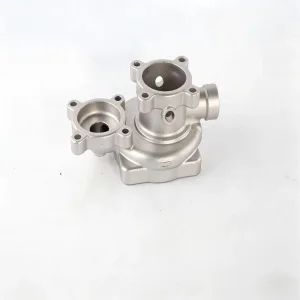
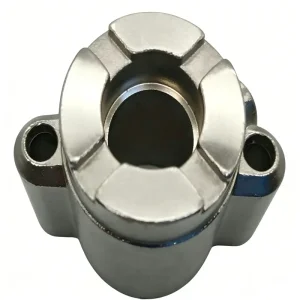
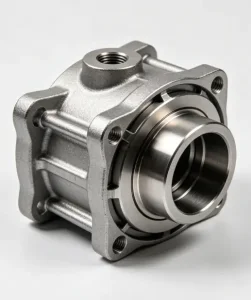
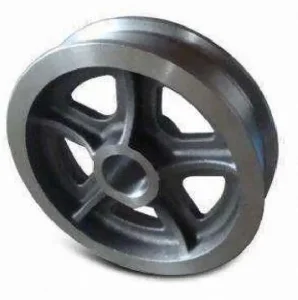
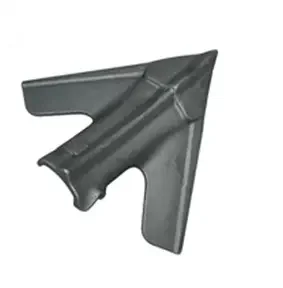
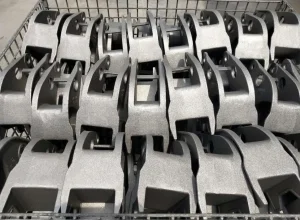
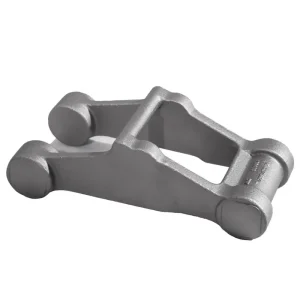
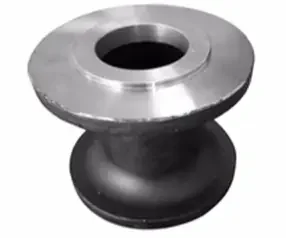
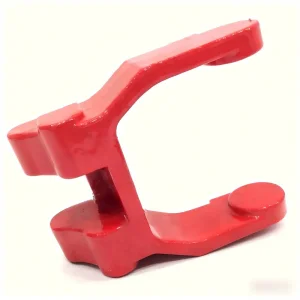
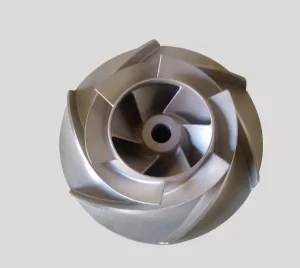
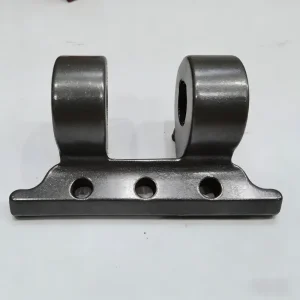
Explore our high-performance casting components designed to withstand critical mechanical stress and challenging outdoor environmental conditions.
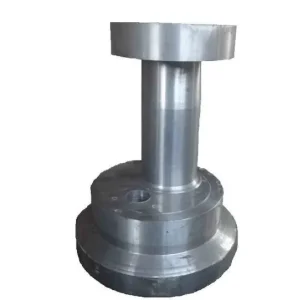
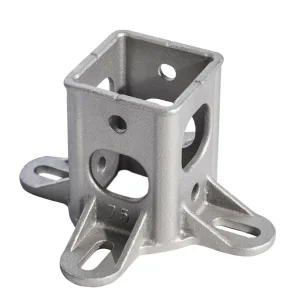
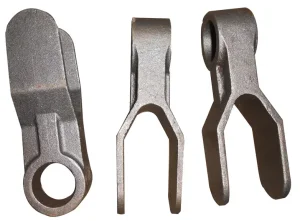
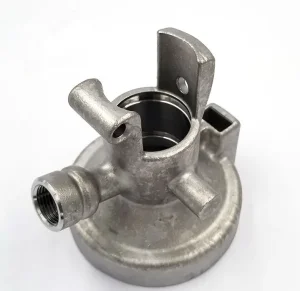
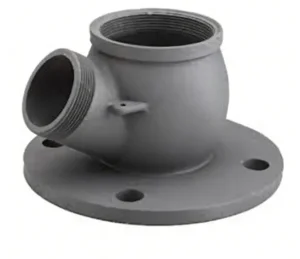
In utility-scale solar installations, photovoltaic structural components face severe mechanical demands. Solar trackers must endure continuous dynamic wind loads, torsional forces, and thermal contraction/expansion cycles over a target lifespan exceeding 25 years. Custom photovoltaic castings, specifically engineered bearing housings, worm gear housings, torque tube connectors, and dampener mounts, act as the vital structural backbone of these assemblies.
Traditional fabricated or welded joints often suffer from localized stress concentrations and micro-fissure degradation. In contrast, advanced investment casting and ductile iron sand casting distribute load vectors uniformly across complex geometries. As a specialized photovoltaic casting manufacturer, JUNLONG Machinery Co., Ltd. delivers engineered cast parts that eliminate welding fatigue and ensure optimal system stiffness, shielding solar investments from catastrophic storm failures.
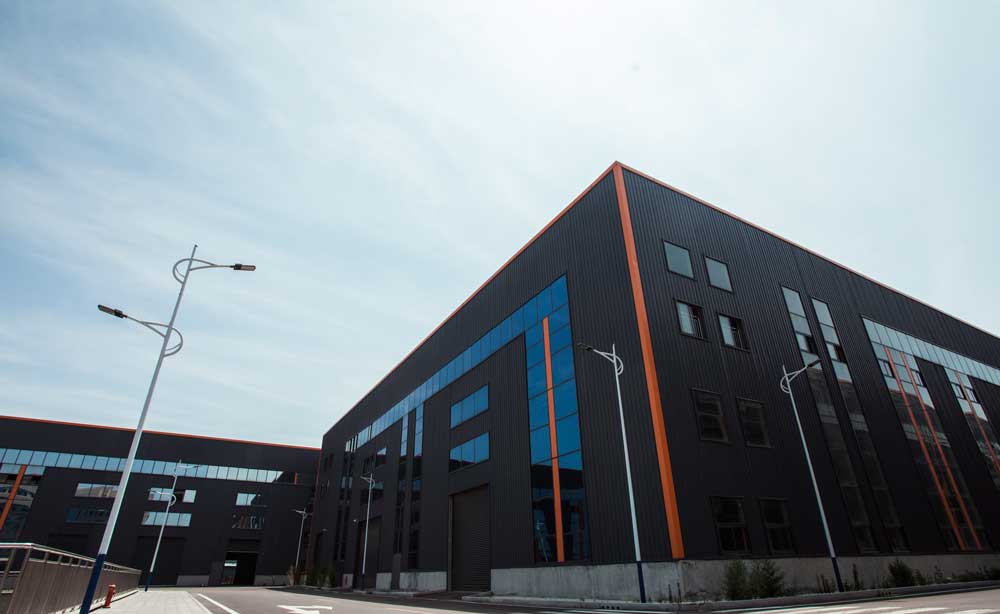
Leveraging strong engineering capabilities and advanced quality control systems to support global EPC projects.
Founded in 2014 and situated in Weifang, Shandong, JUNLONG Machinery Co., Ltd. has established itself as an industry-leading casting manufacturer integrating raw precision casting with deep finishing processes. Spanning over 60,000 square meters, our facility manages an annual output capacity of 20,000 tons of cast products. We specialize in casting carbon steel, alloy steel, and stainless steel, accommodating complex shapes and strict metallurgical requirements.
Our workforce features more than 200 dedicated professionals, including a team of over 30 engineering technicians. This engineering group leads our CAD/CAM design modeling, Finite Element Analysis (FEA), and solidification simulation protocols. As a certified custom photovoltaic casting manufacturer, we focus on engineering parts that optimize mechanical properties, balance weight distribution, and reduce secondary machining costs.
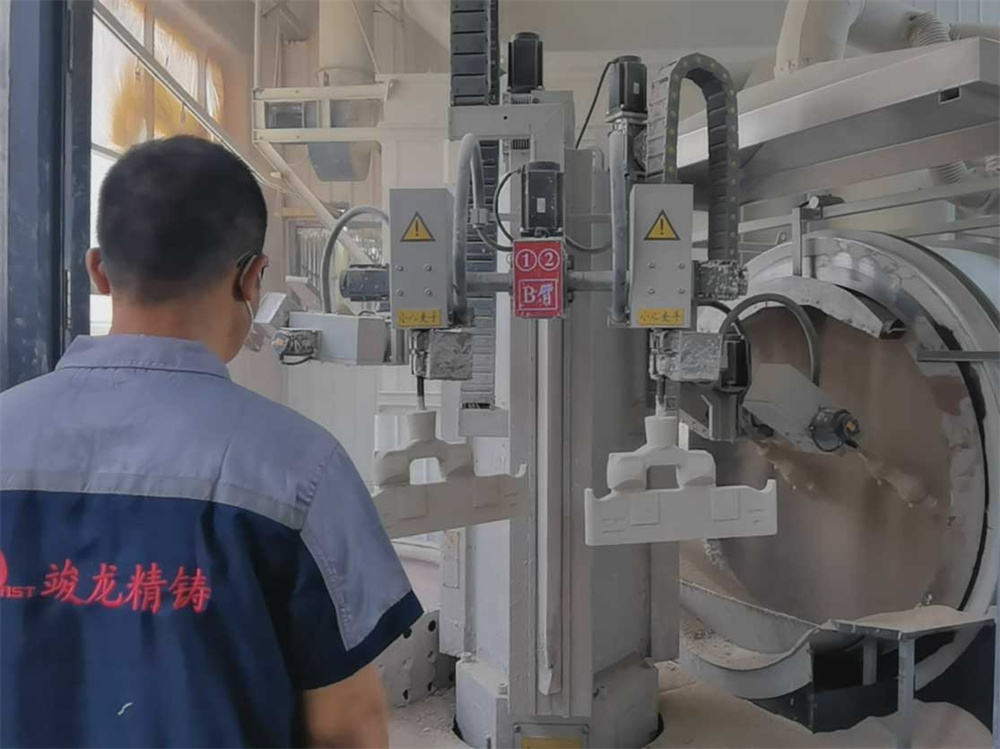
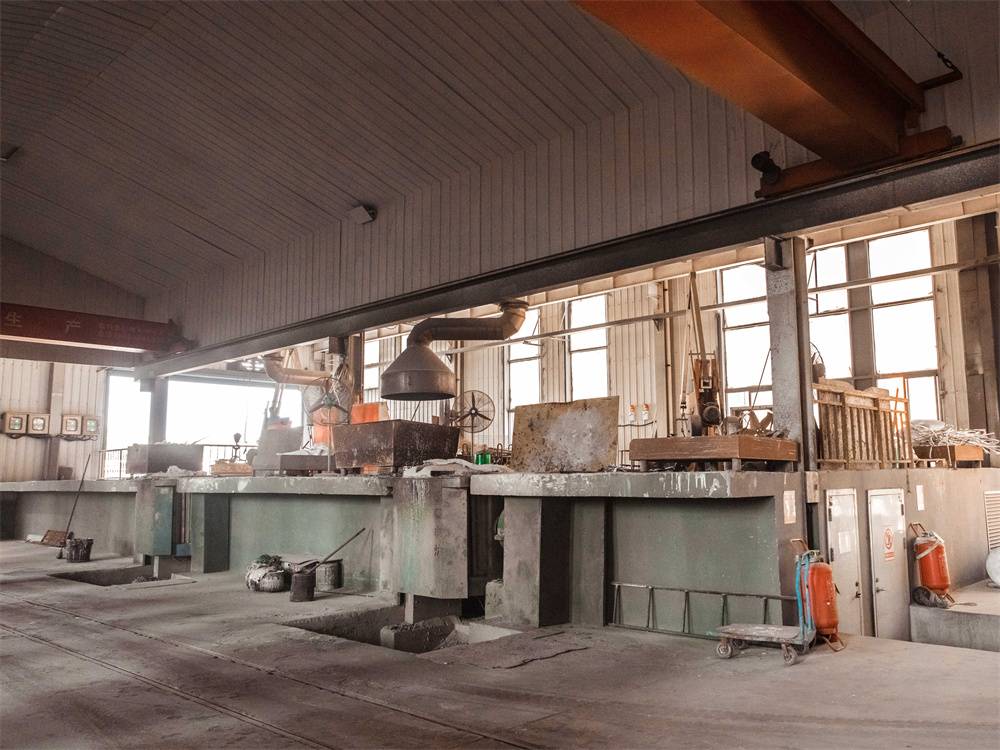
Our foundry utilizes automated shell-molding and lost wax casting production lines. Our physical and chemical laboratories perform real-time molten metal analysis to ensure chemical compositions conform strictly to ASTM, DIN, EN, and JIS standards.
We supply precision-engineered structural components for automotive, rail transportation, petroleum, and construction machinery, adapting our heavy-duty casting techniques to the renewable energy market.
How technical advancements and environmental demands are reshaping solar mounting metallurgy.
Modern PV projects use larger, high-wattage modules (600W+ bifacial panels). These arrays create larger wind capture surfaces, requiring castings with higher yield strength and torsional stiffness to handle wind shear.
With utility solar installations expanding into coastal zones, deserts, and saline lands, PV castings must feature enhanced corrosion protection, such as thick Hot-Dip Galvanizing (HDG) to meet ISO 1461 standards.
Global developers require manufacturers to supply Carbon Footprint Verifications. Upgrading to electric melting furnaces and optimizing recycling protocols helps lower the embodied carbon index of manufactured parts.
Addressing the strict requirements of international EPC firms, project developers, and solar tracker OEMs.
Utility-scale projects require comprehensive mill test reports (MTRs) and EN 10204 3.1 certification. Every production batch undergoes spectrometer testing to verify alloy integrity before casting.
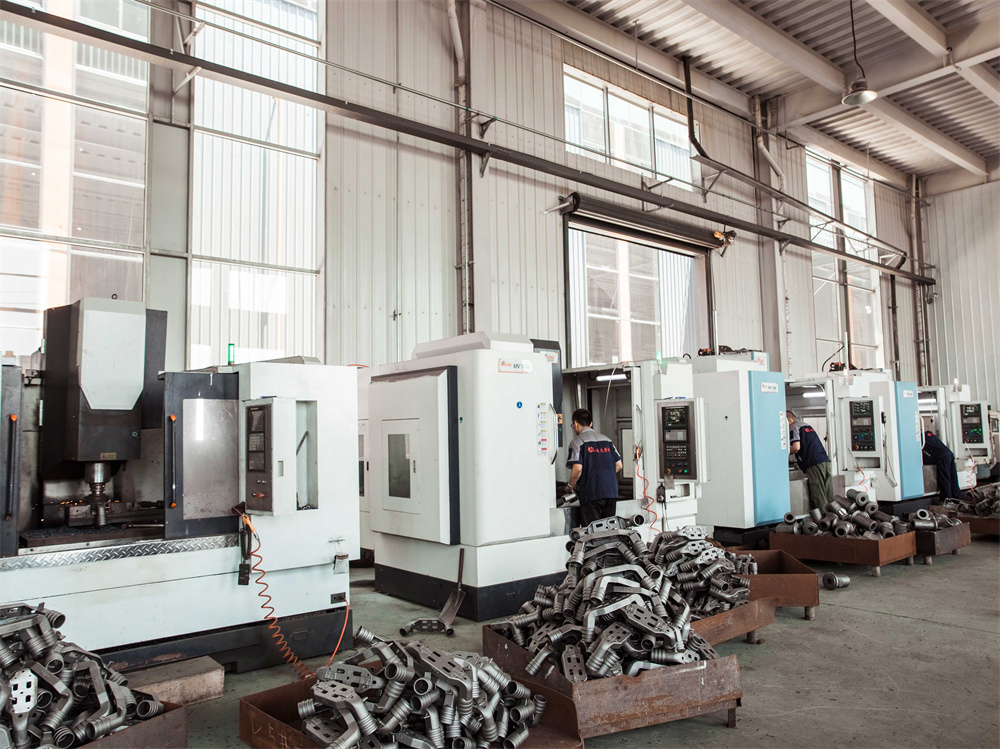
Solar tracking assemblies require precise interfaces for smooth rotation. Utilizing multi-axis CNC machining centers, we maintain tolerances within ±0.02mm on critical bore diameters and bearing seats.
Gigawatt-scale pipelines require consistent deliveries. With a 20,000-ton annual capacity, we coordinate production runs to align with site erection phases, minimizing onsite warehousing needs.
Sourcing structural solar castings requires a reliable partner who understands global regulatory frameworks. At JUNLONG Machinery Co., Ltd., we combine localized technical support with global delivery capabilities. From joint CAD design reviews to final customs clearance, we eliminate supply chain bottlenecks.
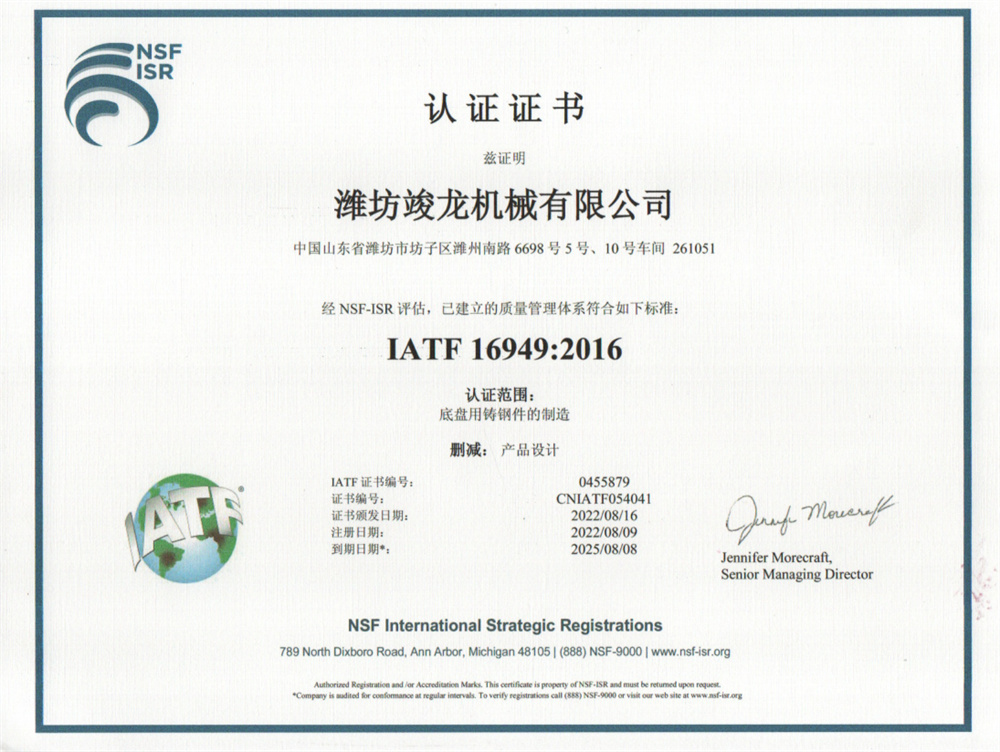
Our quality management system, certified to ISO 9001 and IATF 16949, ensures consistent quality from the initial model run to the final production batch. We establish rigorous inspection protocols, including Coordinate Measuring Machine (CMM) testing, magnetic particle inspections, and ultrasonic testing, providing certified quality reports before shipping.
Beyond individual parts: offering complete structural systems from design optimization to surface finish.
We process raw castings in our machining workshop, equipped with horizontal and vertical CNC centers. This single-source approach guarantees dimensional alignment across tracker components, bearing assemblies, and brackets.
Solar tracking systems operate in environments ranging from desert heat to coastal salt spray. We offer surface finishes including Hot-Dip Galvanizing, zinc-flake coating, and electrostatic powder coatings to ensure C4/C5 corrosion resistance.
Our engineering team works with clients to optimize part designs. Using finite element modeling, we remove excess material in low-stress zones, reducing component weight while maintaining structural safety.
Securing project longevity and reliability through certified processes and structural testing.
Our quality control program manages every step of our manufacturing workflow. From raw material melt analysis using optical emission spectrometers to final dimensional validation on CMM machines, we verify that every critical feature aligns with design specs. We utilize non-destructive testing (NDT), such as ultrasonic, magnetic particle, and liquid penetrant testing, to identify internal voids and surface defects.
We maintain ISO 9001, IATF 16949, and UL certifications, reflecting our commitment to global quality standards. By focusing on process repeatability, we minimize production variations, helping project operators lower long-term maintenance costs.
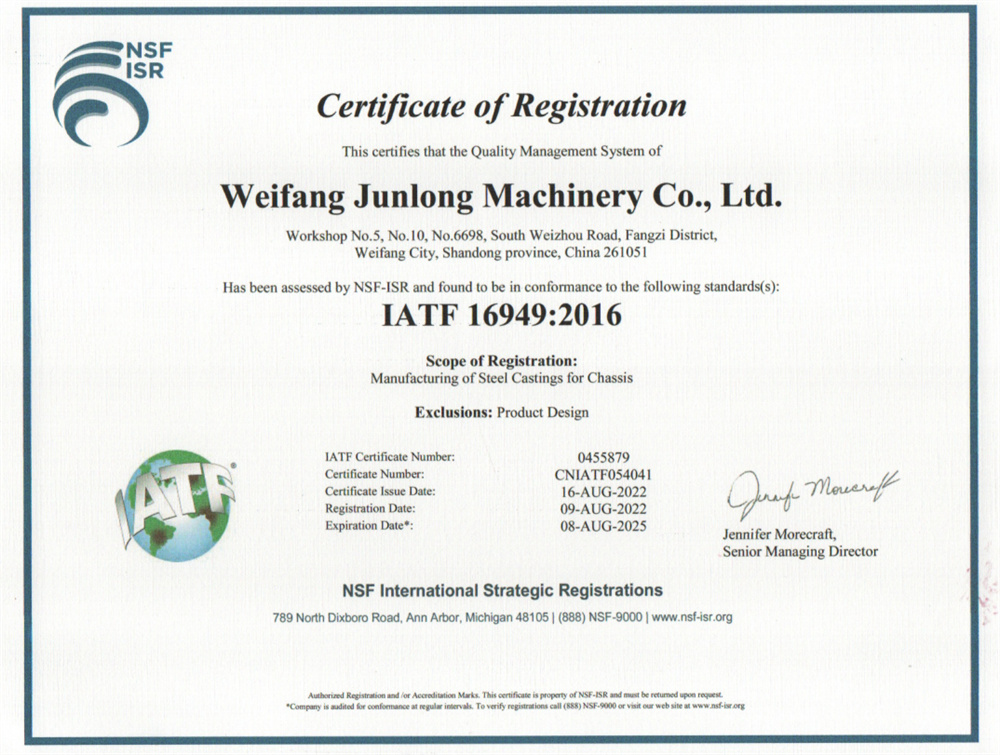 ISO 9001 Approved
 UL Certified Quality

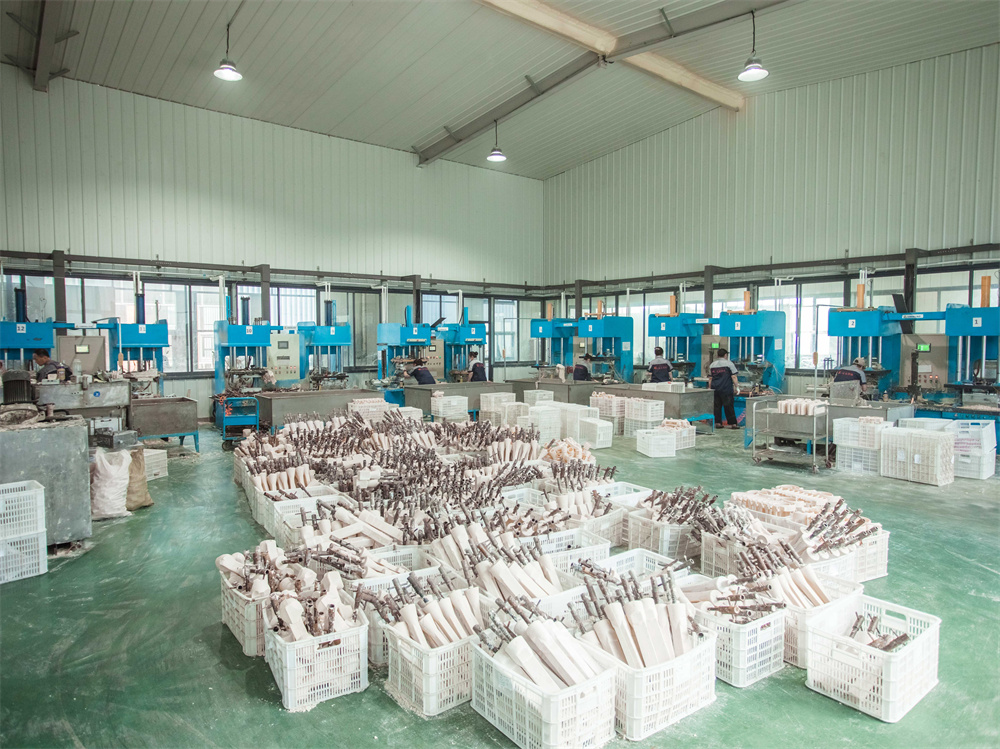
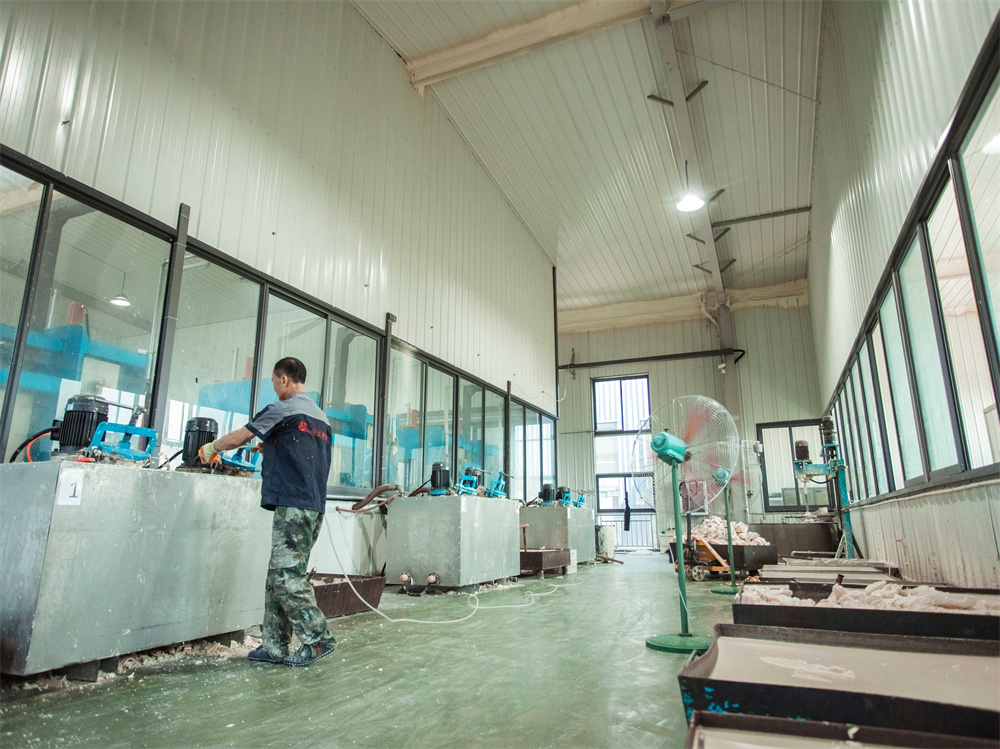
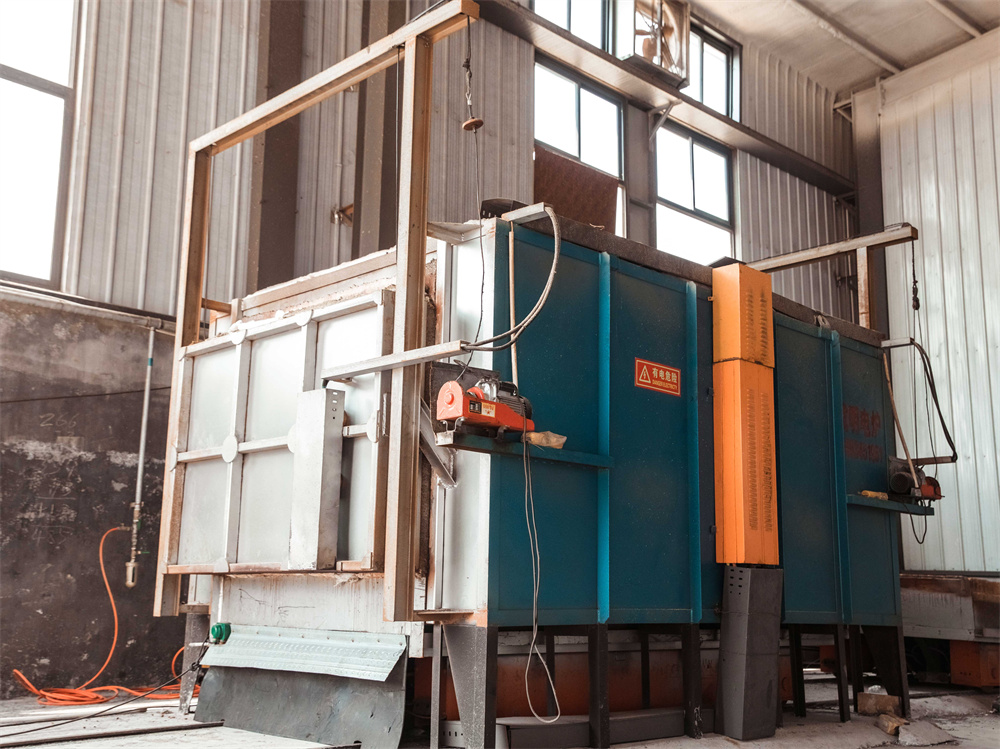
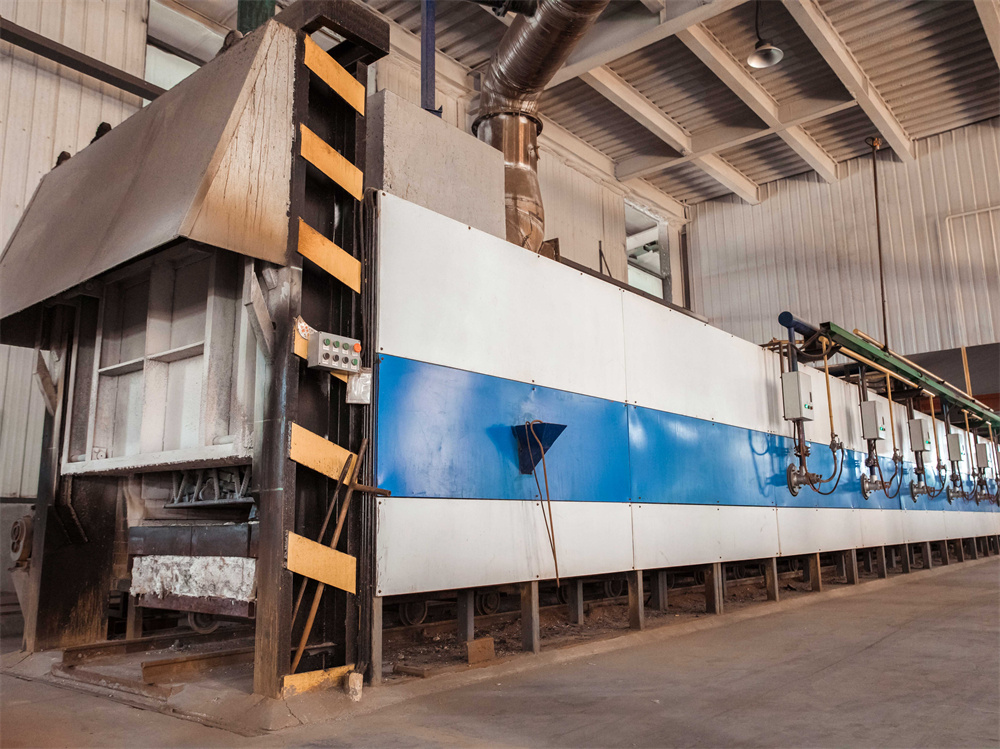
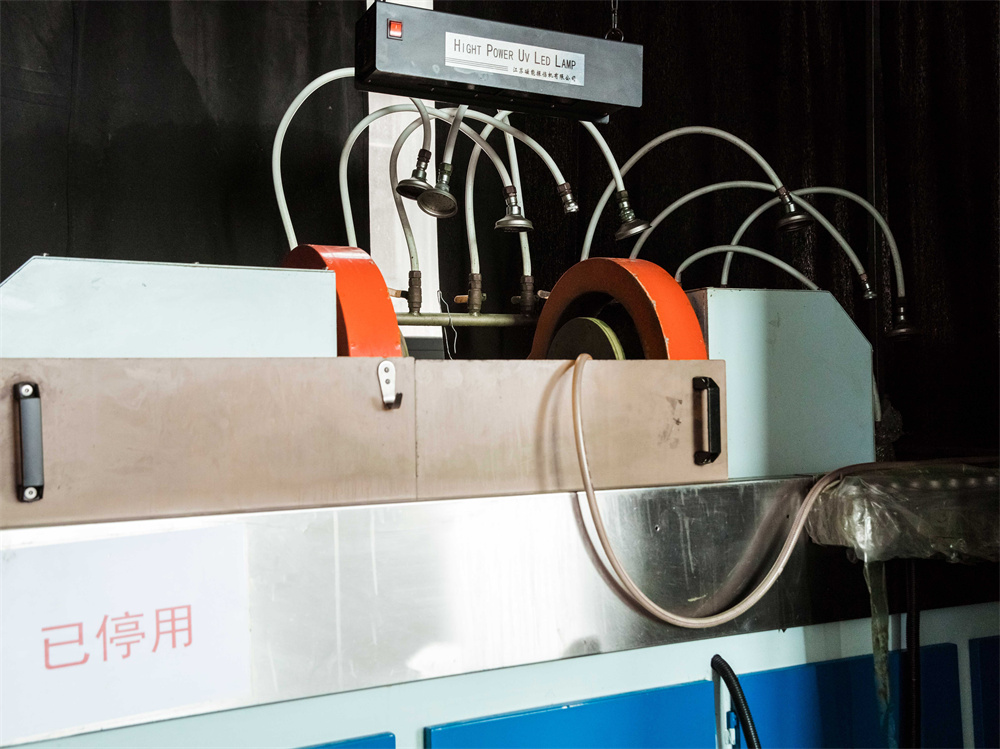
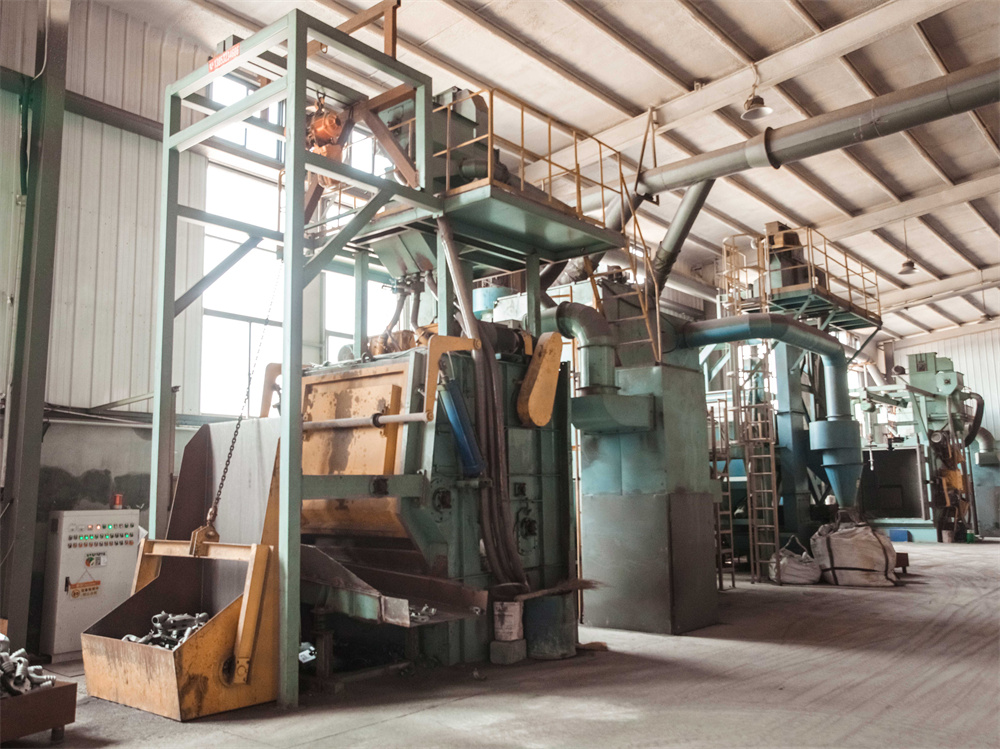
A showcase of our precision casting lines, high-speed CNC milling systems, and quality control equipment.
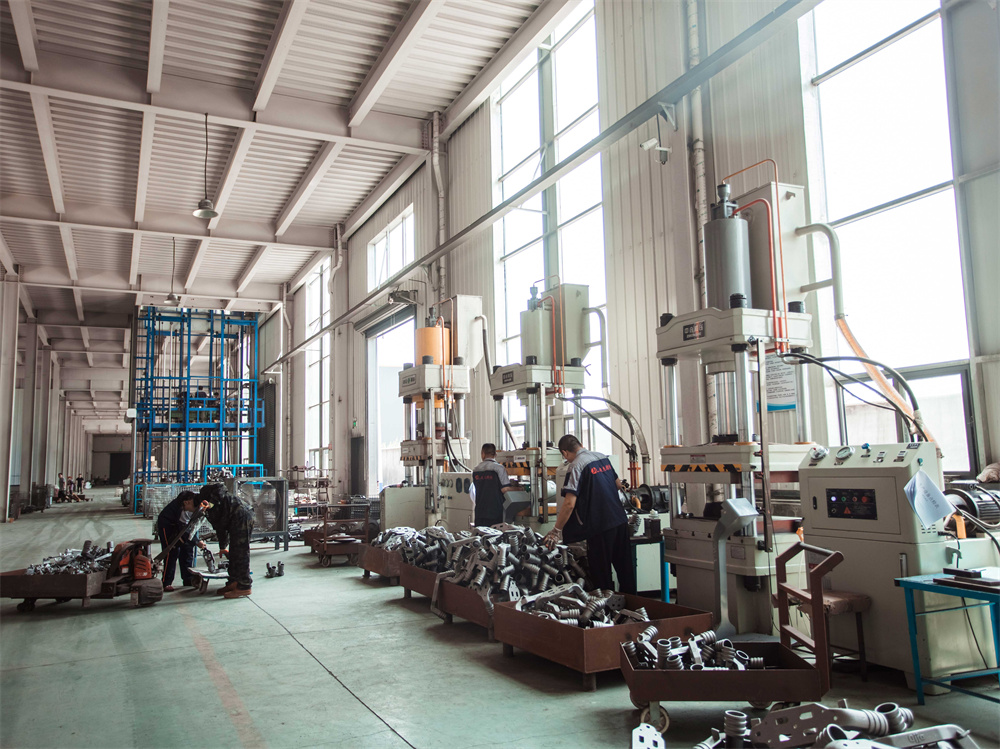
JUNLONG Machinery supplies engineered components to global markets, including Germany, the United States, Italy, Canada, and Japan. We coordinate international logistics pathways, managing door-to-door delivery, customs clearances, and tax documentation for utility projects.
We align our engineering with standard design codes, including Eurocode 3 for steel structures, ASTM standards for material properties, and ASCE 7 for wind and seismic loading. This compliance helps developers secure project financing and engineering sign-offs.
Our focus on metallurgy, production automation, and structural engineering.
We are developing high-toughness ductile iron alloys that retain mechanical properties down to -40°C, supporting solar installations in cold-climate regions.
We are integrating automated casting systems with real-time temperature sensing and molding controls to improve component consistency.
We are researching cast-steel weldments that allow for lighter, high-strength structural nodes in solar tracker assemblies.
Detailed metallurgical and engineering answers for solar project managers and procurement specialists.
We recommend high-grade ductile iron (such as EN-GJS-400-15 or ASTM A536 Grade 65-45-12) for solar tracker bearing housings and brackets. These materials offer an optimal balance of tensile strength, ductility, and vibration damping. For high-stress structural joints, cast carbon steels (like WCB or LCC) provide weldability and high toughness in cold climates.
Custom castings offer improved stress distribution by eliminating sharp internal corners and localized heat-affected zones common in welded assemblies. Castings can also combine multiple welded parts into a single component, reducing assembly tolerances, cutting field installation times, and lowering the risk of fatigue failures under high wind loads.
Our main treatment is Hot-Dip Galvanizing (HDG) per ISO 1461 or ASTM A123, which delivers a zinc layer exceeding 85 μm for service in corrosive environments. We also offer zinc-flake coatings, organic paints, and duplex systems for high-salinity applications.
We verify internal quality using non-destructive testing (NDT) methods. This includes ultrasonic testing (UT) to detect internal porosity and magnetic particle testing (MT) to identify surface cracks. We also conduct radiography tests on initial design samples to confirm casting soundness.
Yes. As an OEM casting partner, we work directly with client CAD designs and specifications. We use solidification simulation software to optimize gate designs and tooling layouts, facilitating a smooth transition from prototype to volume production.
Our manufacturing program covers a broad range of custom-machined steel, alloy, and stainless components.
Partner with JUNLONG Machinery to optimize your product design, improve metallurgical properties, and secure your component supply chain. Our team will review your specifications and provide a detailed manufacturing assessment.
Inquiry Now Junlong