High-integrity metal solutions for modern rail infrastructure.
Deep-dive into the technical requirements and market shifts in rail part manufacturing.
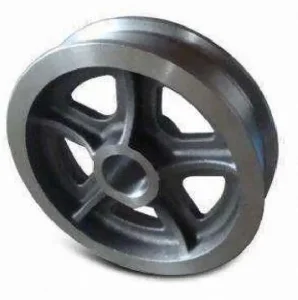
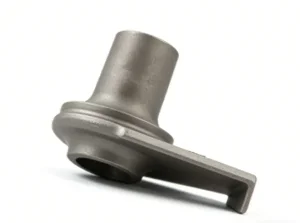
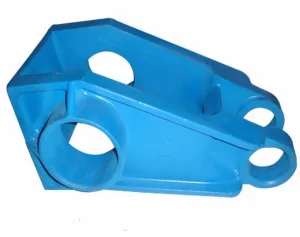
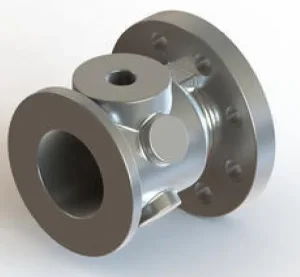
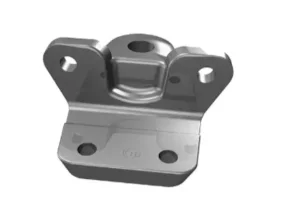
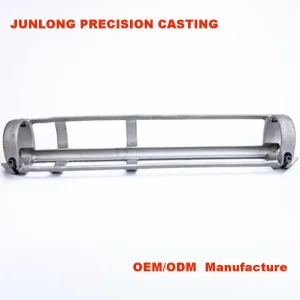
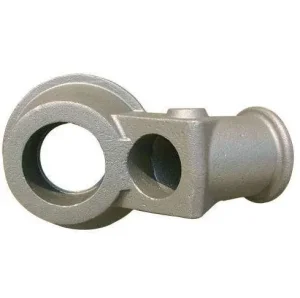
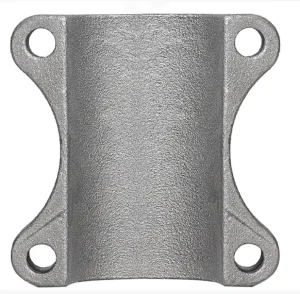
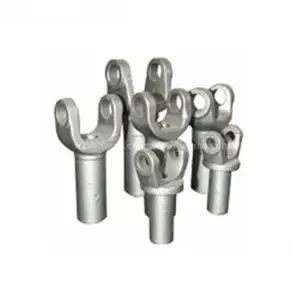
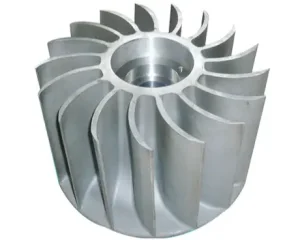
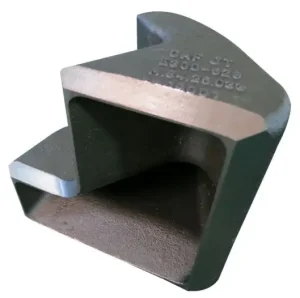
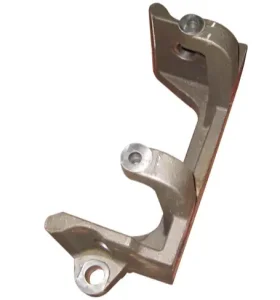
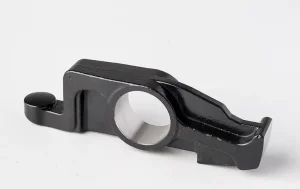
The global railway industry is currently undergoing a massive transformation driven by High-Speed Rail (HSR) development and the urgent need for sustainable mass transit. In this context, Precision Cast of Train Parts has moved from a traditional manufacturing niche to a high-tech engineering discipline. The demand for components that offer high strength-to-weight ratios, exceptional fatigue resistance, and absolute dimensional stability is at an all-time high.
For procurement directors and railway engineers, the challenge lies in finding a Manufacturer & Factory that understands the "Search Intent" of safety—where every microscopic void in a casting could lead to catastrophic failure. This is where Investment Casting (Lost Wax Casting) outshines traditional sand casting, providing tolerances of ±0.1mm and surface finishes that eliminate the need for expensive secondary machining.
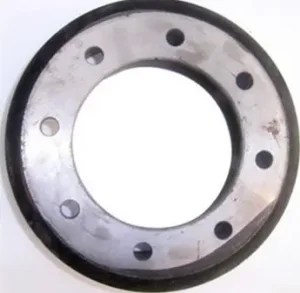
We utilize vacuum induction melting to ensure zero gas porosity in carbon steel and alloy steel railway components, crucial for braking systems.
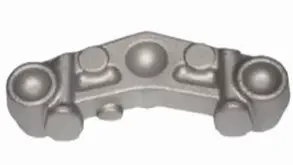
Modern train bogies require bionic designs for weight reduction. Our lost wax process allows for thin-walled structures impossible via forging.
Adherence to EN 15085 and AAR standards is non-negotiable. Our factory implements 100% X-ray and Magnetic Particle Inspection (MPI).
Efficiency, integrated supply chains, and the "Information Gain" of experience.
The efficiency of a China-based factory like JUNLONG Machinery isn't just about labor; it's about supply chain compression. Within a 100km radius of our Weifang facility, we have access to high-grade raw material refineries, specialized surface treatment plants (zinc plating, electrophoresis, Dacromet), and advanced tool-and-die makers. This creates a "One-Stop" manufacturing hub that reduces lead times by 30-40% compared to Western counterparts.
1. Lightweighting: Shift from heavy iron castings to high-strength alloy steels.
2. Digital Twins: Demand for 3D scan data for every batch to ensure assembly compatibility.
3. Sustainability: Factories using recycled steel and electric induction furnaces (like JUNLONG) are prioritized in ESG-focused bidding.
4. Near-Net Shape: Moving closer to final dimensions to reduce carbon footprint in the machining phase.
Merging original factory data with advanced manufacturing philosophies.
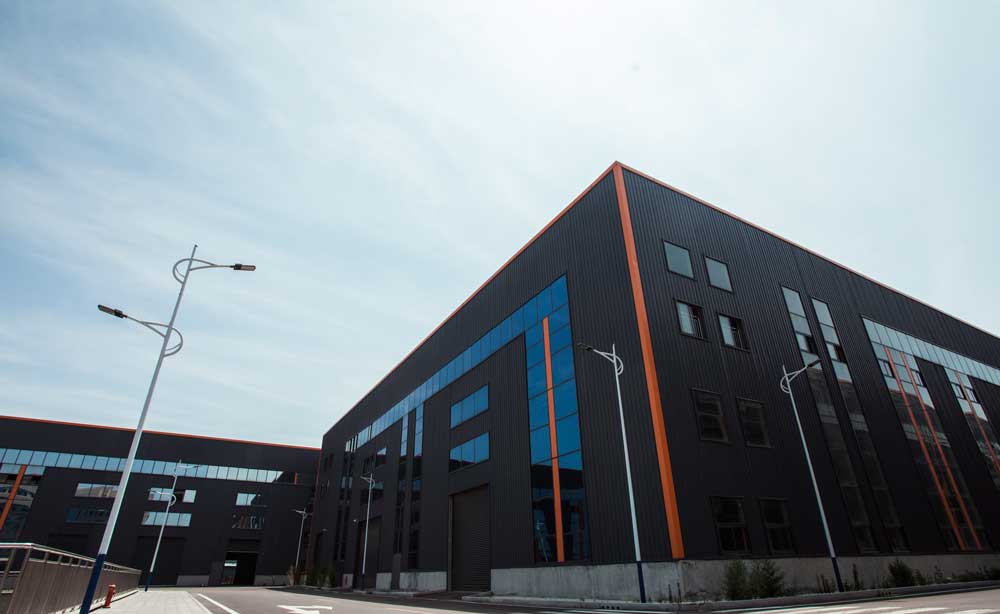
Founded in 2014 in Weifang, Shandong, JUNLONG covers 60,000 square meters with an annual production of 20,000 tons. We are not just a casting supplier, but a high-quality integrator of precision casting and deep processing. With over 200 employees, including 30+ engineering technicians, we specialize in Carbon Steel, Alloy Steel, and Stainless Steel.
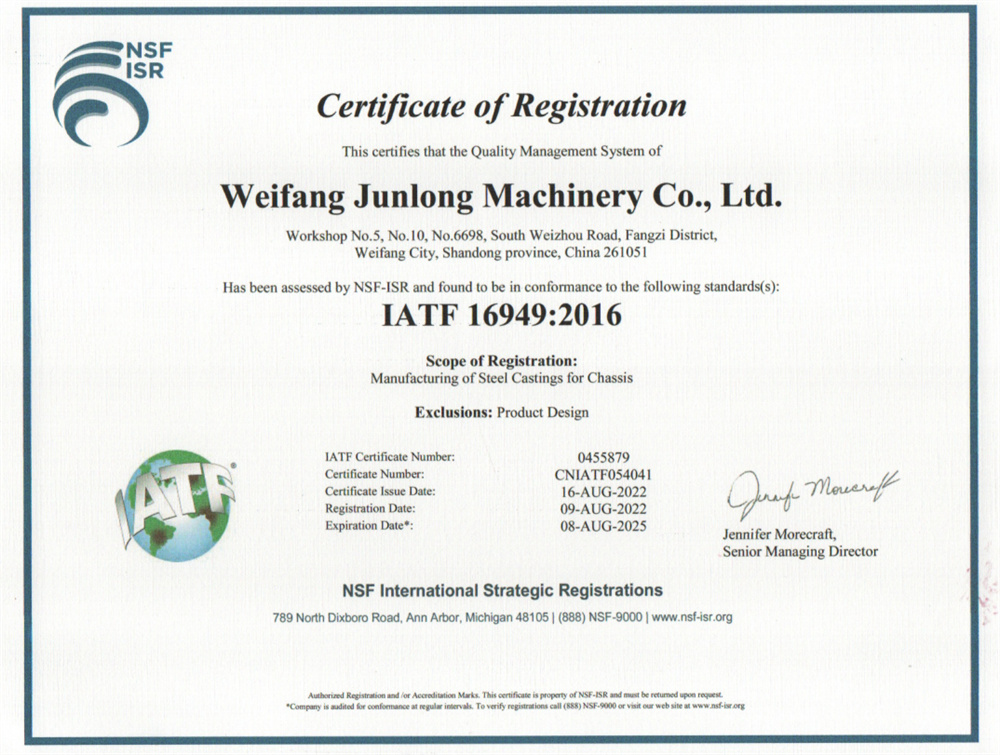
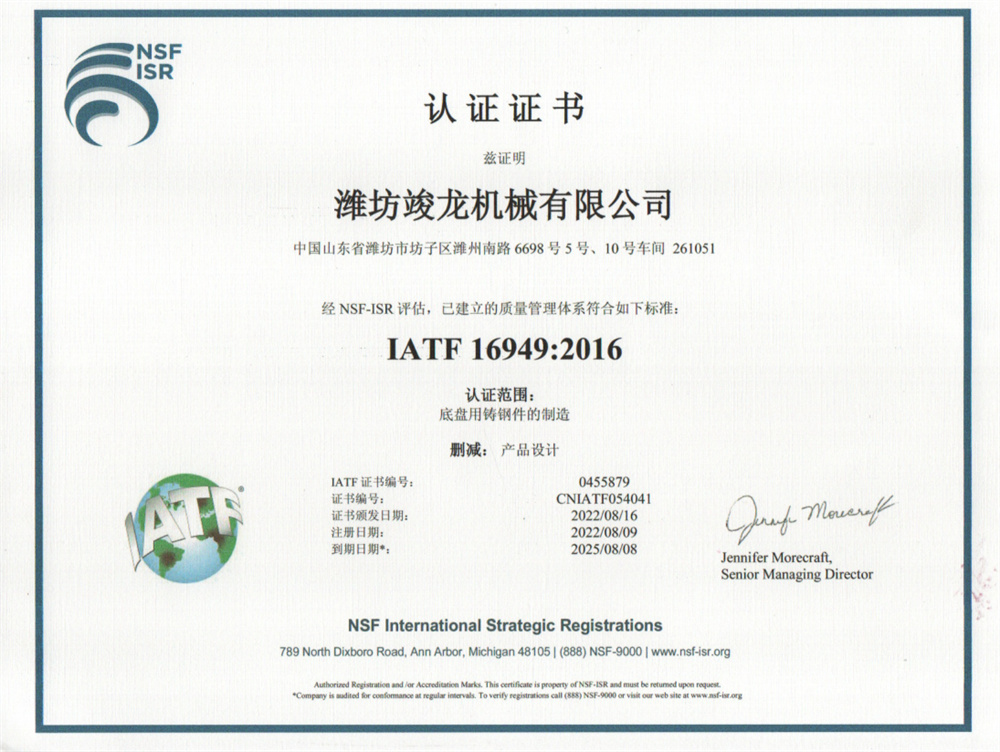
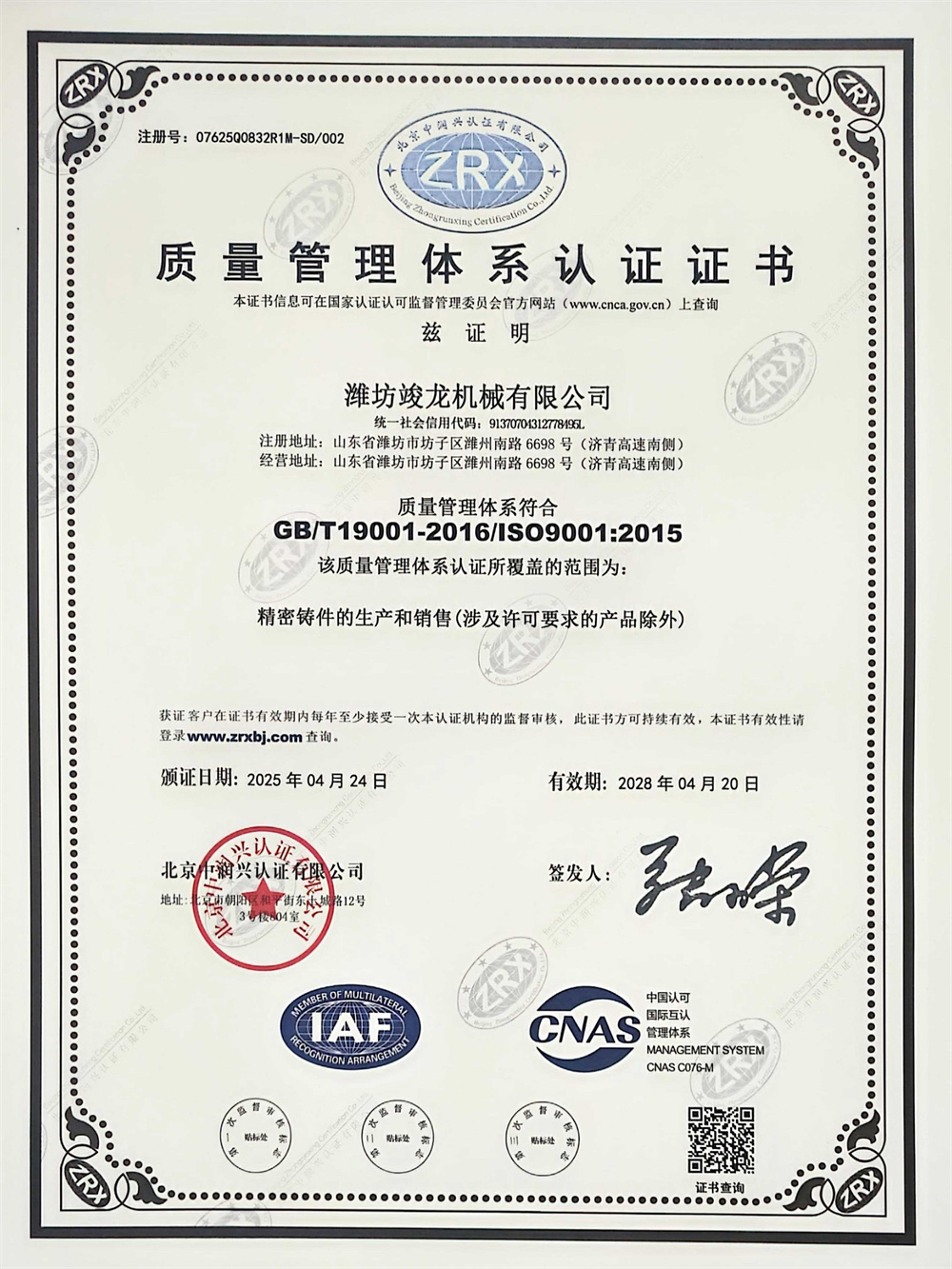
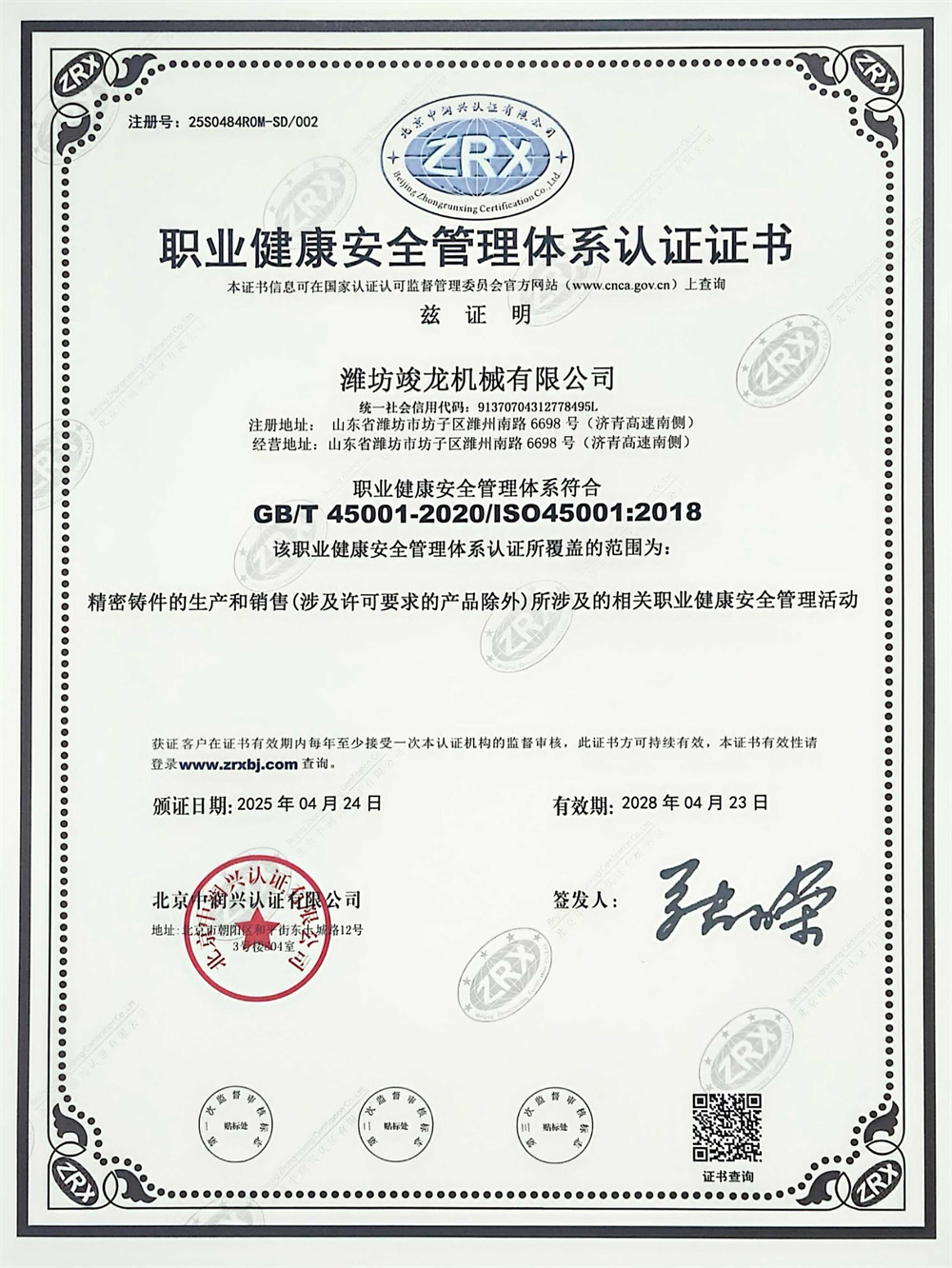
Certifications: ISO 9001, TS 16949, UL. We ensure every detail is controlled, pursuing zero-defect quality for our clients in Germany, the USA, Italy, and Canada.
Equipped with internationally advanced automated production facilities and comprehensive physical/chemical analysis equipment.
Exporting to premium markets with a complete quality control system and advanced management logic.
From Mold Manufacturing to Machining (CNC centers, lathes, grinders) and Surface Treatment.
How our railway expertise translates to other high-stakes industrial sectors.
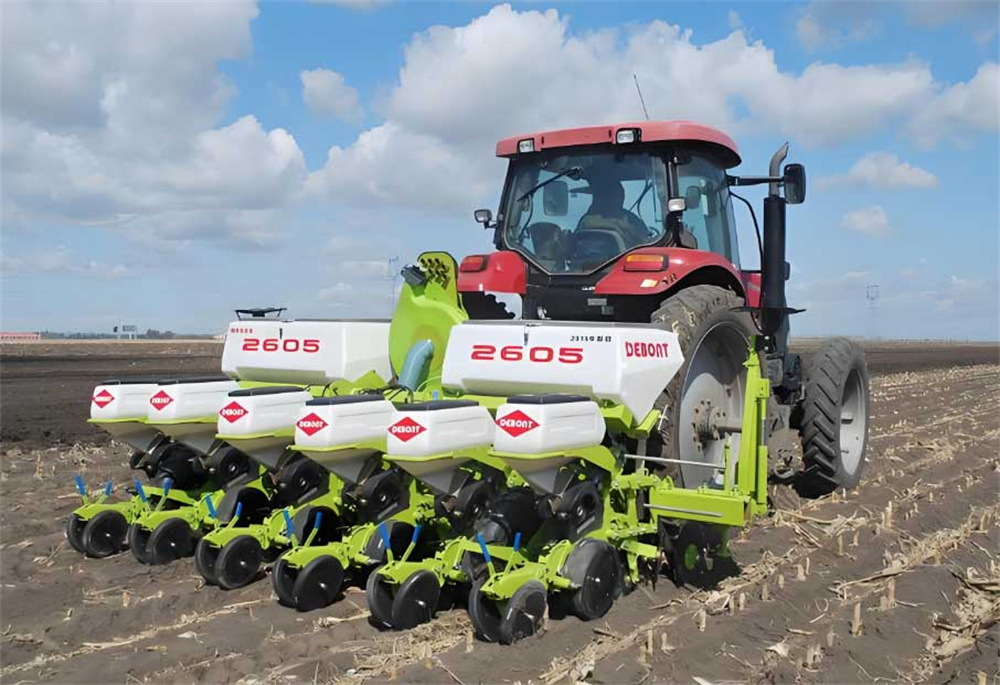
Custom lost wax casting agricultural machinery components for farming equipment, harvesters and farm vehicles. Strict quality control for complex structures.
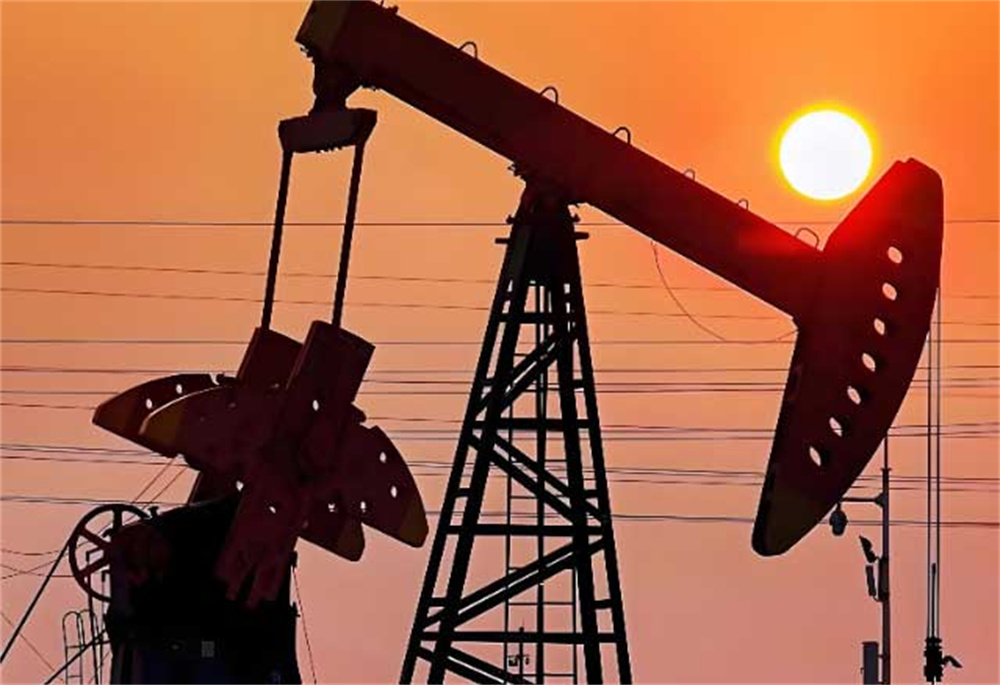
China precision castings of petroleum parts Supplier. We provide durable components for drilling and extraction under extreme pressure.
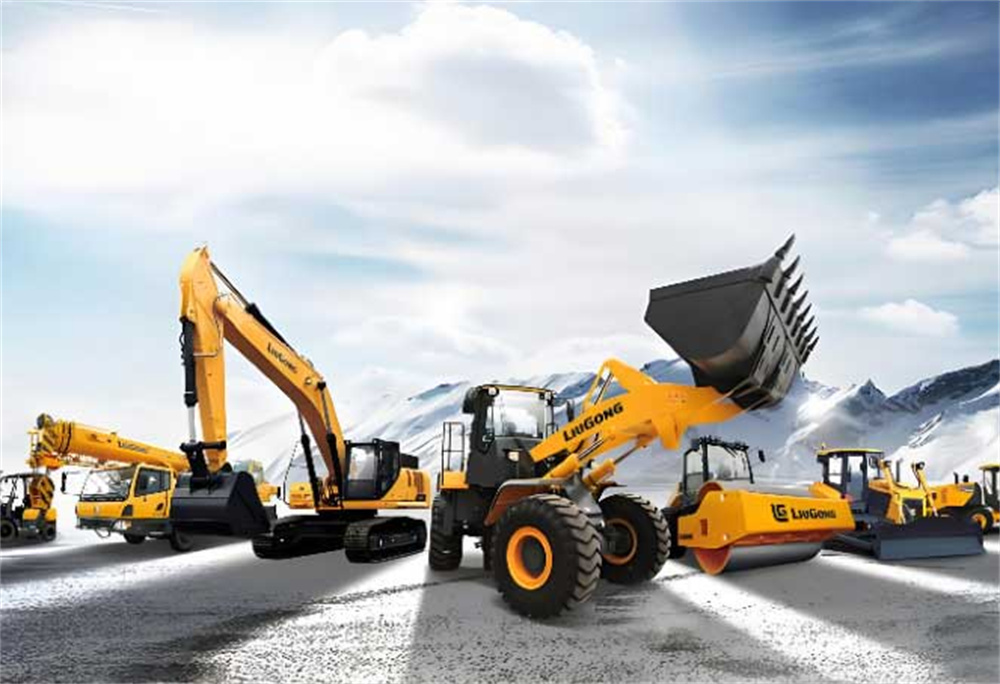
Forging Strong Mechanical Backbones. We produce high-load-bearing components for excavators, loaders, and cranes in harsh environments.
Addressing the critical engineering questions for procurement and quality teams.
Our factory follows the ISO 8062-3 (CT4-CT6) standards. For specific critical dimensions on train parts, we can achieve ±0.1mm through precision mold control and post-casting calibration.
We implement a comprehensive NDT suite: Radiographic Testing (RT) for internal defects, Magnetic Particle Inspection (MPI) for surface cracks, and Ultrasonic Testing (UT) for thickness and density verification.
Yes. Every batch comes with a 3.1 chemical composition report and a mechanical property test report (Tensile, Yield, Elongation, and Impact Strength at low temperatures).
While originally an automotive standard, TS16949 is more rigorous than ISO 9001, focusing on defect prevention and reducing variation and waste in the supply chain—essential for railway safety.
We have in-house computer-controlled heat treatment furnaces. We offer quenching, tempering, normalizing, and annealing to reach specific HRC or HB hardness levels required by train manufacturers.
While we specialize in precision components from 0.1kg to 100kg, our facility can accommodate larger parts up to 500kg depending on the geometric complexity and material grade.
Trusted by global industry leaders for durability and precision.
Request a quote today and leverage our 20,000-ton capacity and engineering expertise.
Inquiry Now Junlong