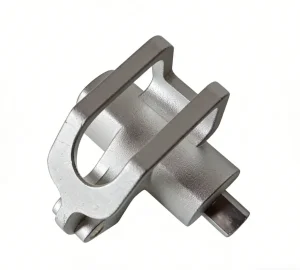
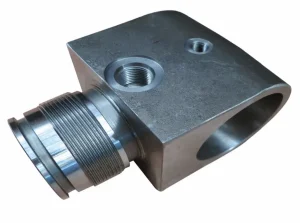
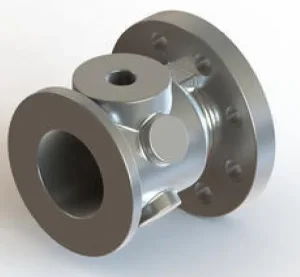
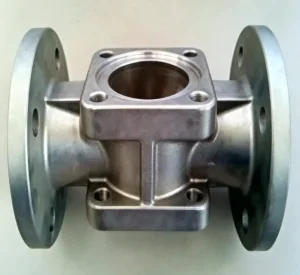
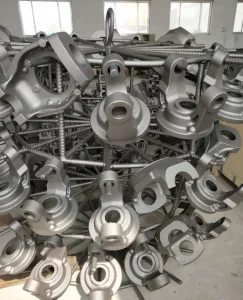
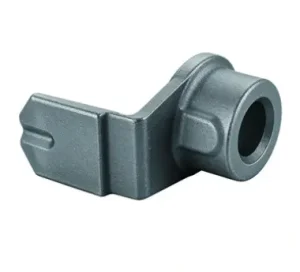
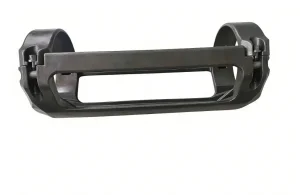
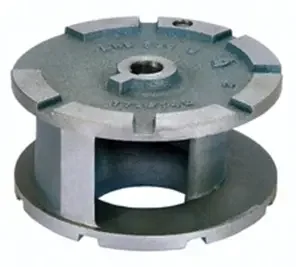
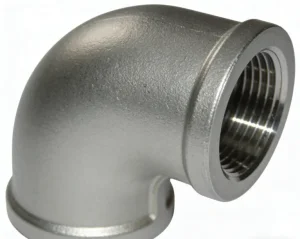
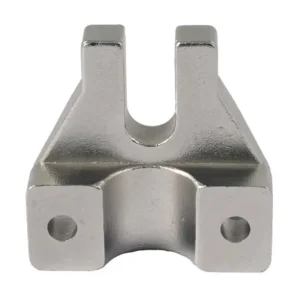
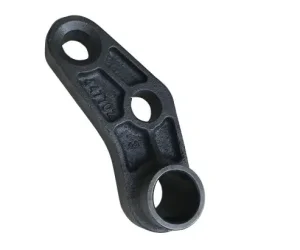
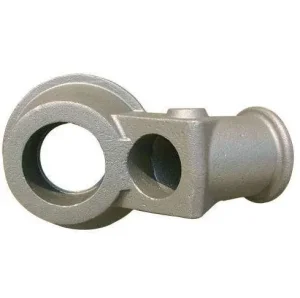
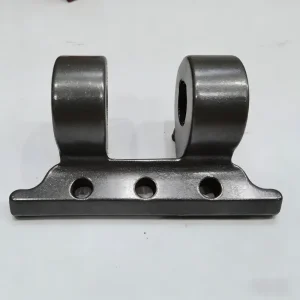
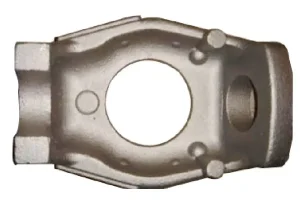
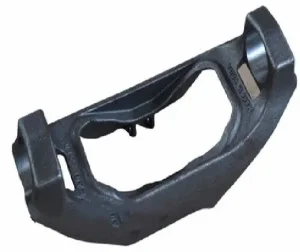
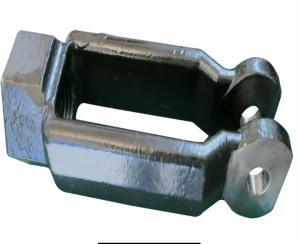
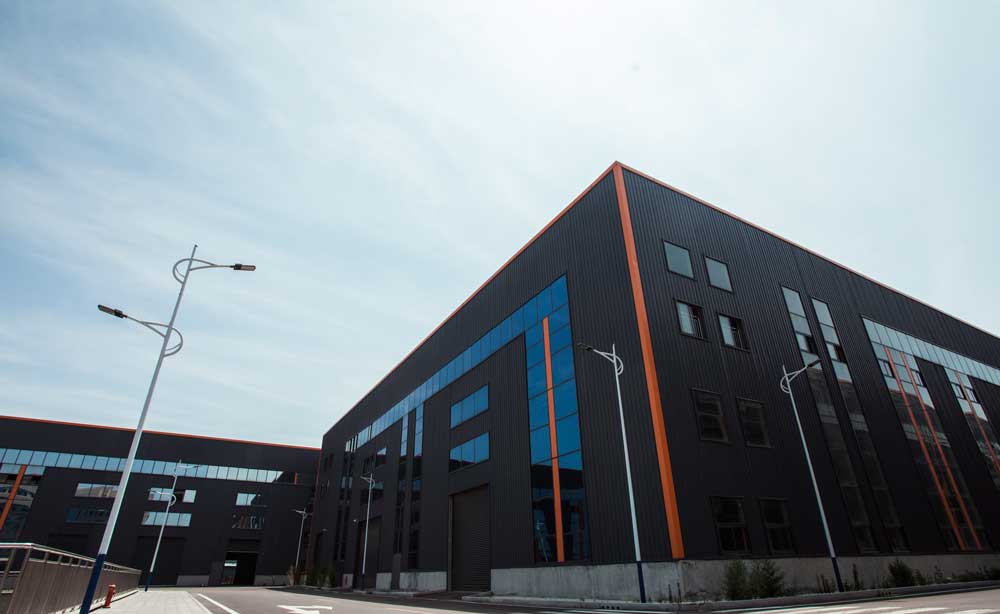
In the high-stakes world of railway transportation, the integrity of every single component is paramount. JUNLONG Machinery Co., Ltd., established in 2014, has positioned itself at the nexus of metallurgical innovation and mechanical precision. Operating from a sprawling 60,000 square meter facility in Weifang, Shandong, we deliver over 20,000 tons of high-grade castings annually. Our specialization in carbon steel, alloy steel, and stainless steel isn't just about manufacturing; it's about providing the structural backbone for global mobility.
As a senior growth director in the precision manufacturing sector, I recognize that "Information Gain" in SEO comes from sharing genuine expertise. Railroad precision casting requires more than just a mold—it requires a deep understanding of dynamic load-bearing, thermal expansion coefficients, and corrosion resistance. Our team of 30+ engineering technicians utilizes advanced physical and chemical analysis equipment to ensure every casting meets the rigorous demands of the modern rail industry.
From mold design via CAD/CAM to final CNC machining and surface treatment, our China-based factory offers a complete "One-Stop" solution. This reduces lead times and eliminates the quality risks associated with multi-vendor supply chains.
China's metallurgical supply chain is world-class. We provide specialized alloys like 16Mn steel and high-chrome alloy steel that offer superior wear resistance for track components and rolling stock.
Leveraging automated casting production facilities, we can move from digital concept to physical sample faster than Western competitors, allowing rail projects to stay ahead of schedule.
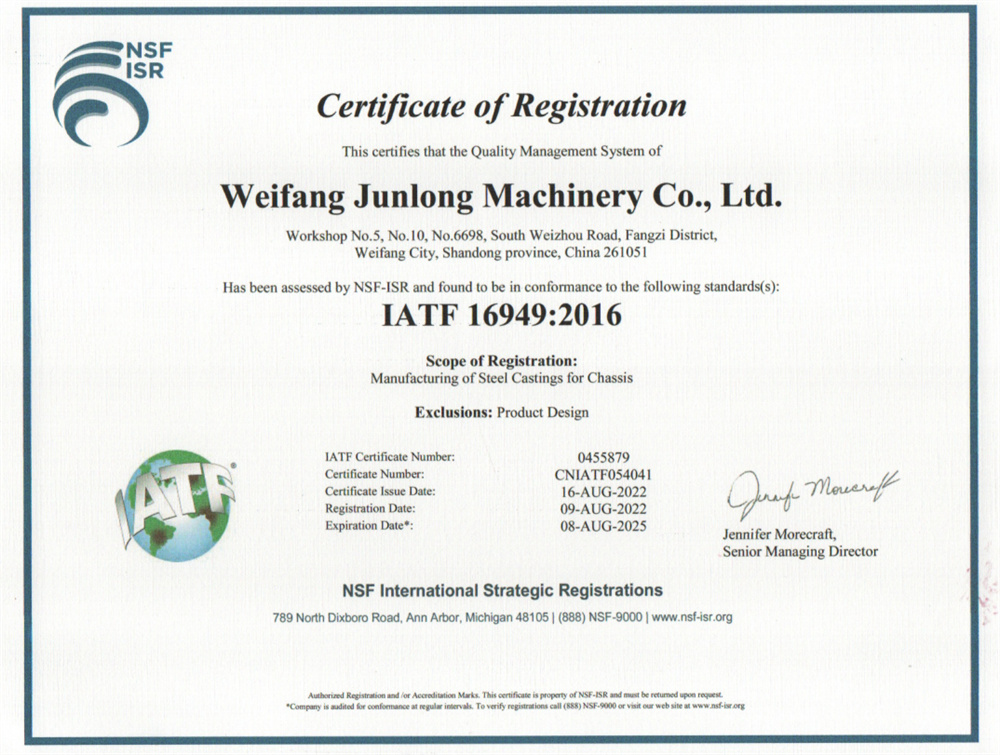
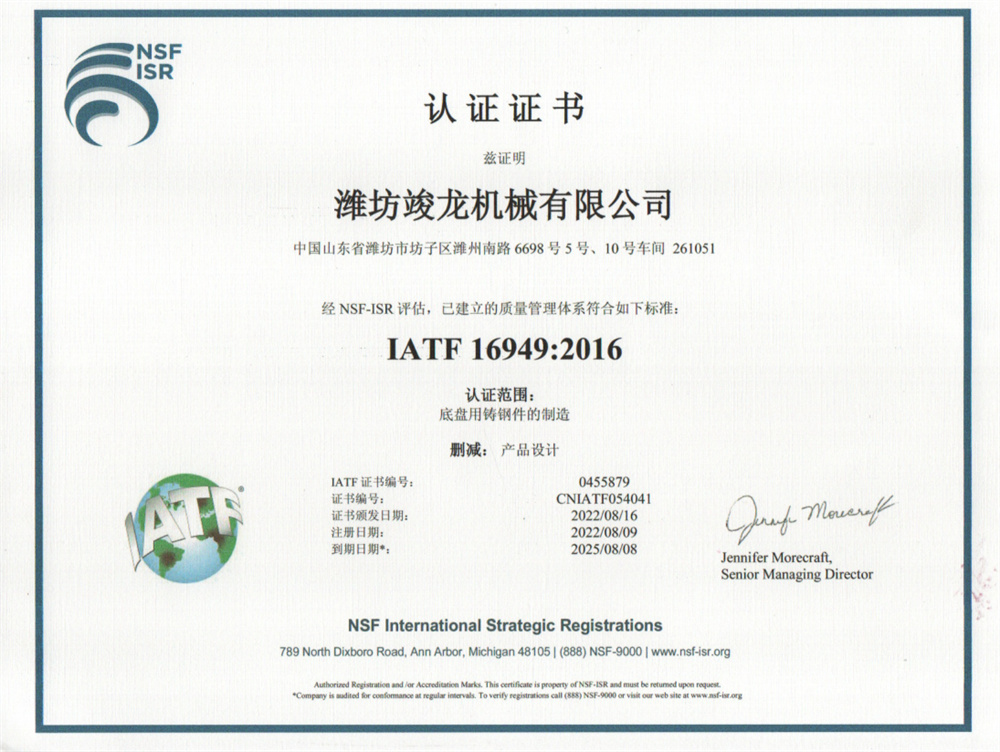
Our commitment to E-E-A-T is reflected in our certifications: ISO 9001, TS 16949, and UL. We speak the language of international quality standards, ensuring seamless integration into German, American, and Italian rail systems.
Modern high-speed rail demands weight reduction without compromising safety. Precision casting allows for complex geometries that were previously impossible, reducing unnecessary mass while reinforcing high-stress points.
We are integrating AI-driven visual inspection and digital twin modeling into our casting process. By simulating the cooling process of liquid steel, we can predict and eliminate porosity before the first drop of metal is poured.
Railways are expanding into Arctic and Desert environments. Our custom 16Mn and stainless steel precision castings are tested for impact toughness at -40°C and resistance to abrasive sand environments.
Providing high-tech precision castings for the automotive, rail transportation, engineering machinery, and petroleum sectors.
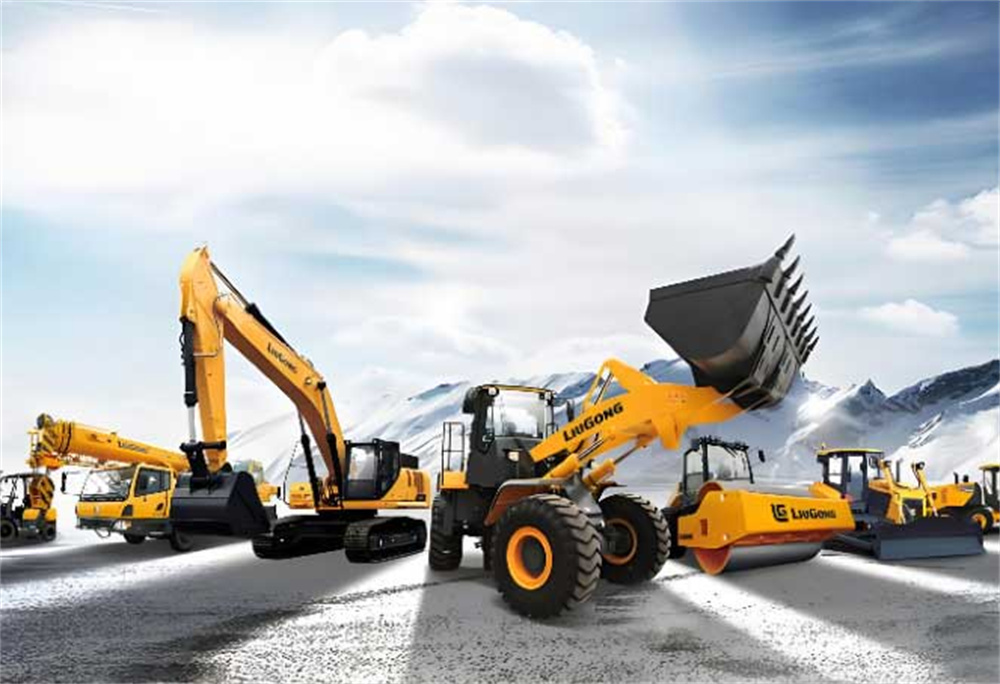
Forging strong mechanical backbones for excavators and loaders. Our wear-resistant castings support heavy-duty operations in extreme mining conditions.
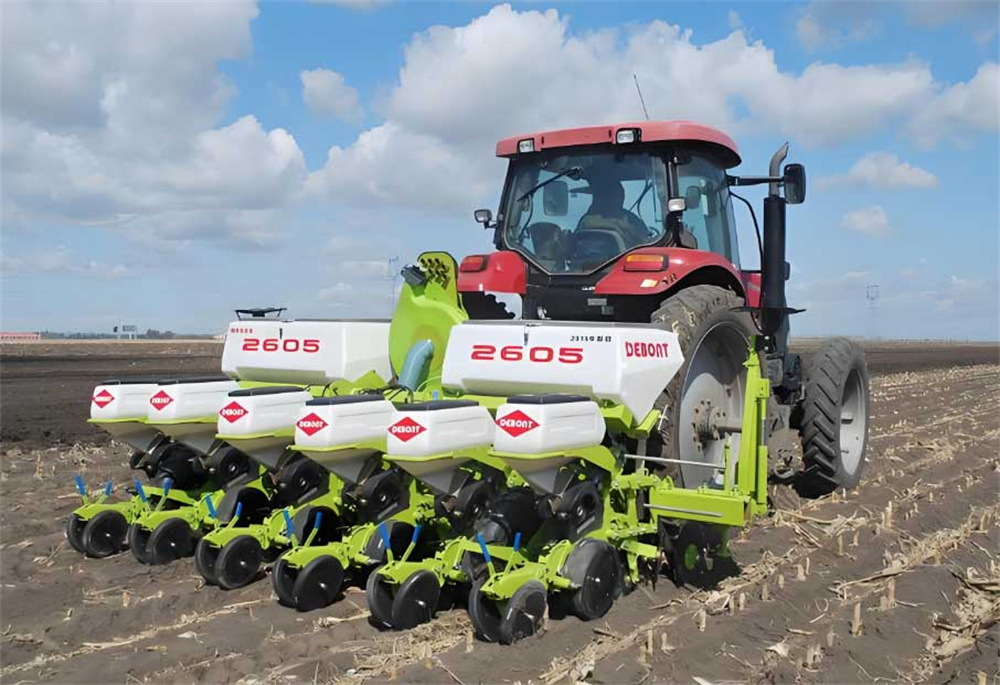
Custom lost wax casting for harvesters and tractors. Ensuring durability for the global food supply chain with high-precision components.
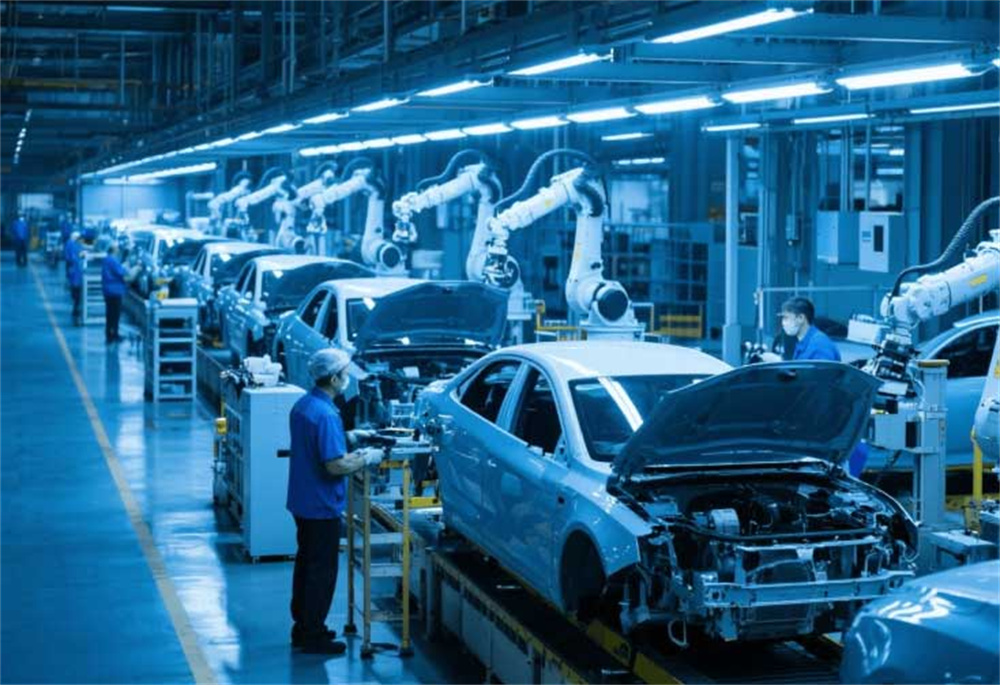
High-integrity safety components, including brake system castings and engine mounts, meeting TS 16949 rigorous automotive standards.
Our commitment to reliability is backed by physical evidence. We have obtained ISO 9001, TS 16949, and UL certifications. This ensures that every production detail—from the chemical composition of the melt to the dimensional tolerance of the finished part—is strictly controlled.
A: Investment casting provides exceptional dimensional accuracy (typically ±0.1mm to ±0.2mm) and a superior surface finish. This reduces or eliminates the need for secondary machining, saving costs on complex parts like cable clamps and valve bodies.
A: 16Mn (Q345B) is highly recommended for its excellent balance of weldability and mechanical strength. For high-corrosion or aesthetic applications, 304 or 316 stainless steel is preferred. Carbon steel remains the standard for cost-effective heavy-duty structural parts.
A: Yes. While we have a 20,000-ton capacity, our engineering team is specialized in custom development. We support clients from the prototyping phase (R&D) through to mass production.
A: We utilize non-destructive testing (NDT), including X-ray, magnetic particle inspection, and ultrasonic testing, alongside comprehensive physical and chemical analysis equipment to detect any internal defects.
 Junlong