Engineered for excellence, trusted by global rolling stock leaders.
An Industrial Insight into Material Integrity and Manufacturing Excellence
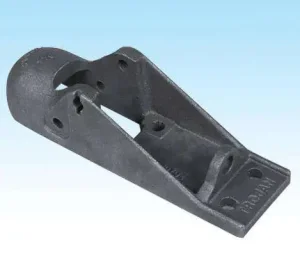
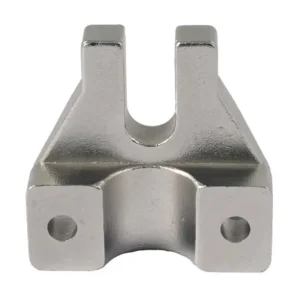
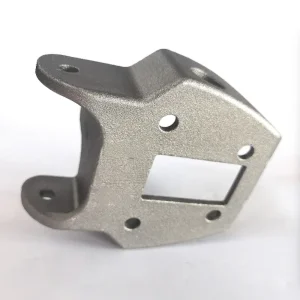
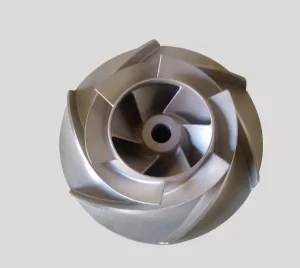
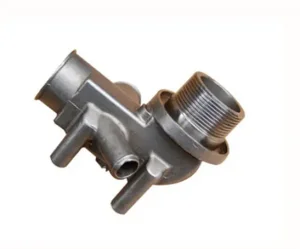
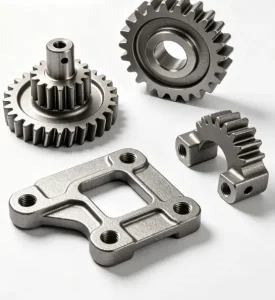
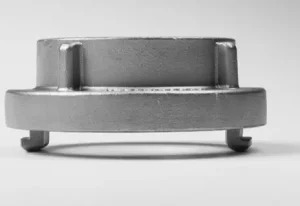
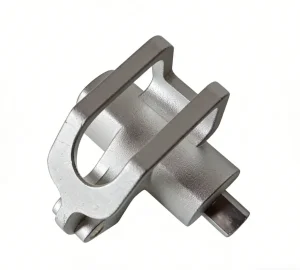
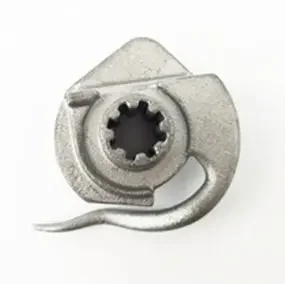
In the high-stakes world of rail transportation, where safety and durability are non-negotiable, precision casting (investment casting) has emerged as the definitive manufacturing process for critical components. Unlike traditional forging or sand casting, precision casting allows for the creation of intricate, near-net-shape components with exceptional surface finishes and dimensional accuracy. As a specialized manufacturer, JUNLONG Machinery Co., Ltd. (founded in 2014) has positioned itself at the nexus of technological innovation and metallurgical expertise.
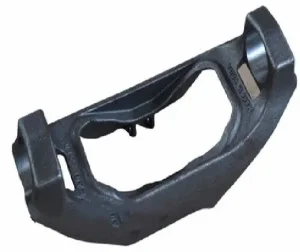
The transition from heavy, cumbersome railway parts to lightweight, high-strength alloy components is driven by the global need for fuel efficiency and reduced wear-and-tear on tracks. Precision casting facilitates the use of complex geometries that optimize stress distribution—a vital factor for train parts such as bogie components, brake systems, and interior hardware. Our facility in Weifang, Shandong, spanning 60,000 square meters, utilizes internationally advanced automated casting lines to ensure that every part, from carbon steel links to stainless steel valve bodies, meets the rigorous TS 16949 and ISO 9001 standards.
By leveraging "Lost Wax Casting" technology, we provide an information increment in the supply chain: reduced secondary machining costs. This efficiency is paramount for global industry leaders in Germany, the USA, and Italy, who demand reliability without the premium of extensive post-processing.
Versatility across Urban, Freight, and High-Speed Rail Systems
HSR components require superior vibration damping and thermal resistance. Our precision-cast alloy steel brackets and suspension components are designed to withstand the cyclic loads of 300km/h+ transit.
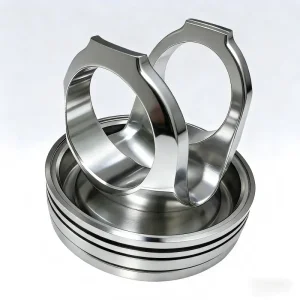
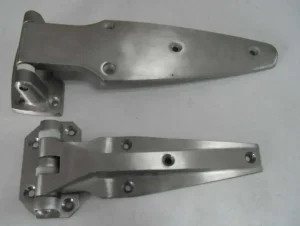
In humid or underground environments, corrosion is the enemy. We provide 304 and 316 stainless steel architectural hardware and door systems that offer 25-year lifecycles with minimal maintenance.
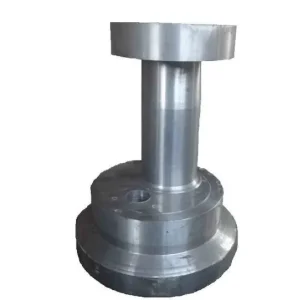
Freight rail demands "Brute Force" components. Our Q345 carbon steel castings for coupling systems and wheel-set housings provide the fracture toughness required for transcontinental cargo hauling.
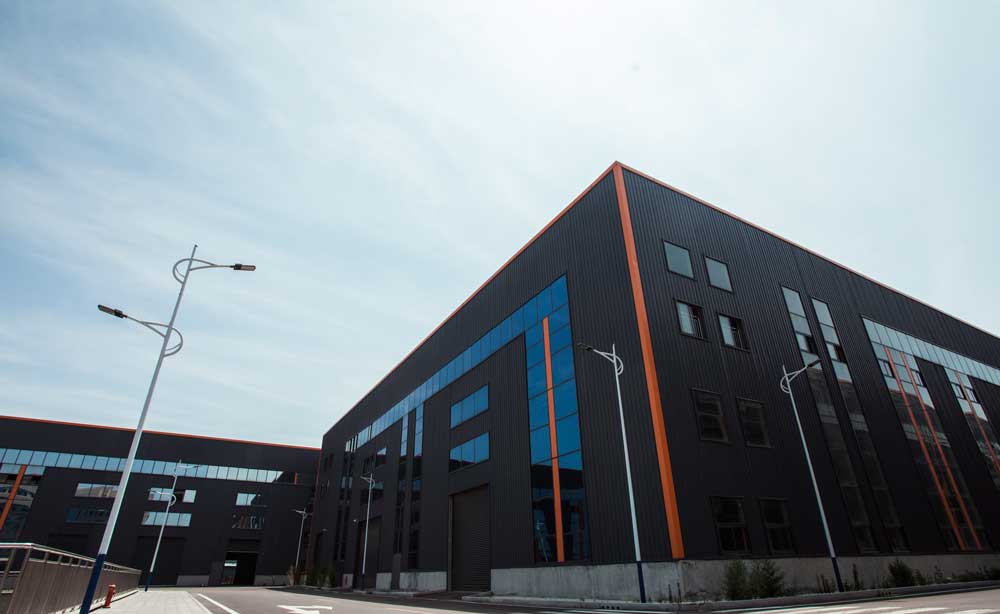
JUNLONG Machinery Co., Ltd. was founded in 2014. Located in Weifang, Shandong, the company covers a total area of 60,000 square meters and has an annual production capacity of 20,000 tons of precision castings and machined finished parts. It specializes in materials such as carbon steel, alloy steel, and stainless steel.
With over 200 employees, including more than 30 engineering technicians, the company is a high-quality casting supplier integrating precision casting and deep processing. Equipped with internationally advanced automated casting production facilities and comprehensive physical and chemical analysis equipment, we enhance manufacturing efficiency and stability.
The 2030 Vision: AI-Integrated Casting and Sustainable Metallurgy
We are integrating AI-driven solidification simulation to predict casting defects before the first wax pattern is even injected, reducing waste by 15%.
Our roadmap includes 100% wax recycling and energy-efficient induction melting to meet the growing demand for "Net Zero" supply chains in Europe.
Combining 3D printing for mold cores with traditional investment casting to achieve internal cooling channels in train engine components.
Why Weifang, Shandong is the Hub for Global Casting Excellence
From mold manufacturing to final surface treatment (Zinc plating, Electropolishing), everything is handled in-house. This eliminates communication delays and ensures 100% quality traceability.
Proximity to Qingdao Port allows for rapid export to North America and Europe. Our "Just-In-Time" delivery model supports global rolling stock assembly lines.
Shandong’s mature metallurgical cluster provides immediate access to high-purity alloy elements, ensuring our material consistency stays within 0.01% of specified grades.
Meeting Global Standards: ISO, TS 16949, and UL Certifications
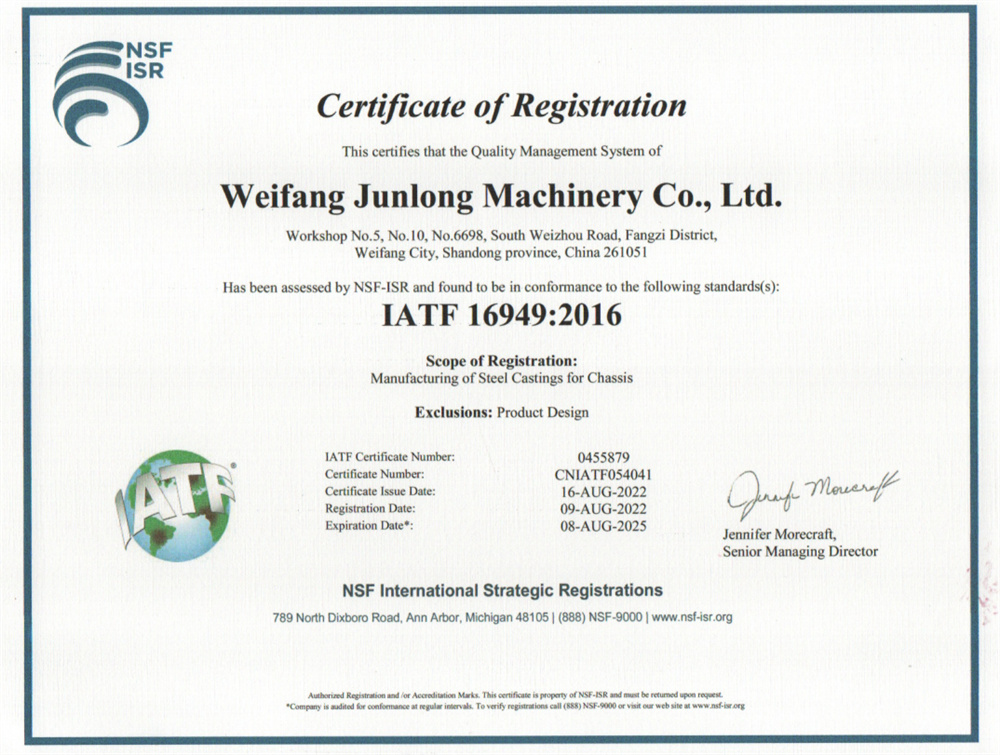
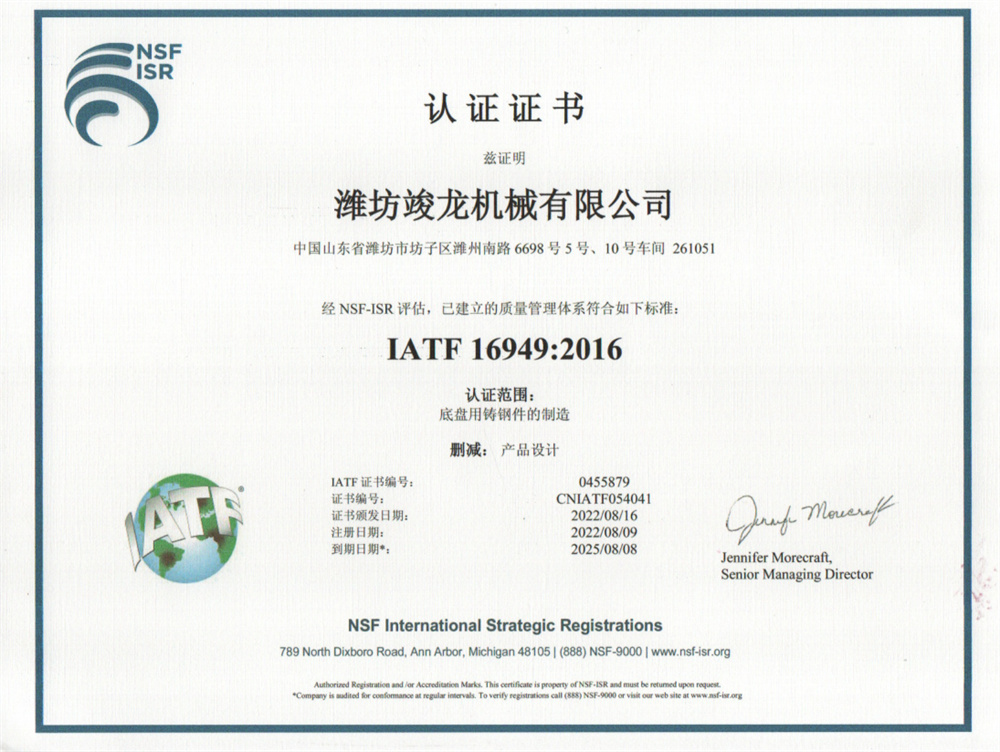
The company has obtained ISO 9001, TS 16949, UL, and other quality management system certifications, ensuring process control over every production detail and continuously pursuing and improving product quality to achieve high customer satisfaction.
Our products are exported to overseas markets, including Germany, the United States, Italy, Canada, and other countries. Leveraging strong engineering capabilities and advanced management systems, JUNLONG has become a well-known brand manufacturer in the field of precision casting both domestically and internationally.
Expert Insights into Precision Casting for Train Parts
A: We primarily use Carbon Steel (for structural strength), Alloy Steel (for wear resistance in bogies), and Stainless Steel (304/316) for corrosion-resistant interior and valve components. Our material testing lab ensures each batch meets ASTM or DIN standards.
A: We employ non-destructive testing (NDT), including X-ray, Magnetic Particle Inspection (MPI), and Ultrasonic Testing, alongside physical tensile and hardness tests to ensure every part can withstand the stresses of rail operations.
A: Mold development usually takes 2-4 weeks. Once the mold is finalized, production cycles are typically 4-6 weeks, depending on the complexity and volume of the order.
A: Yes. Our engineering team specializes in deep processing and can provide small-batch prototypes for testing before scaling to full production of 20,000 tons annually.
One-stop precision manufacturing from concept to finished product.
Advancing Manufacturing through Automation and Precision
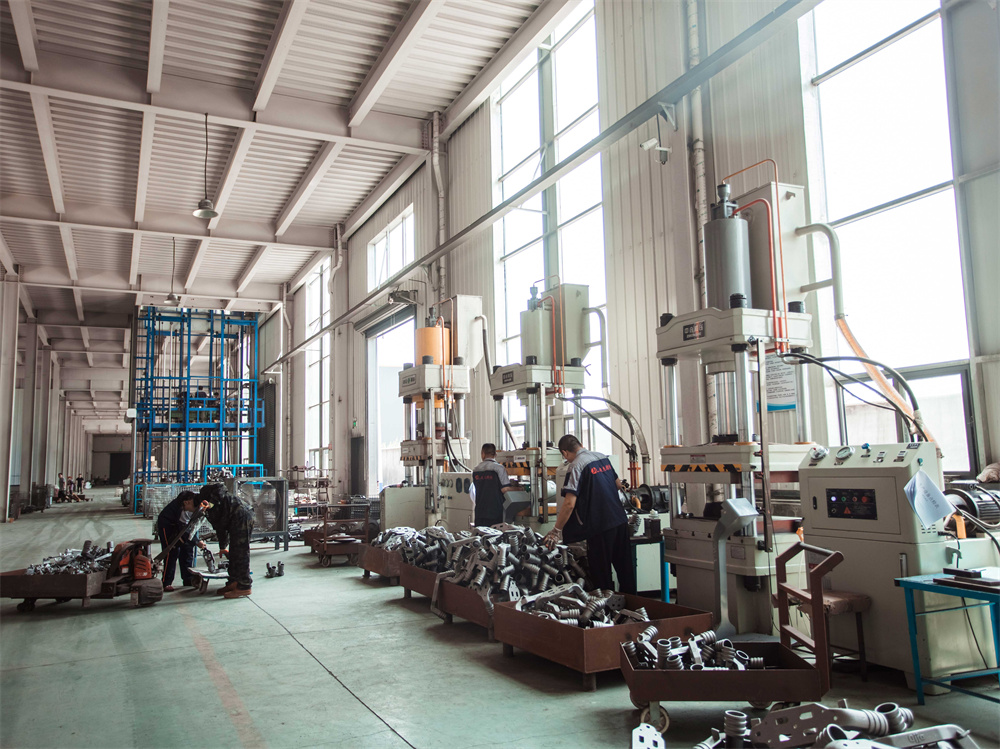
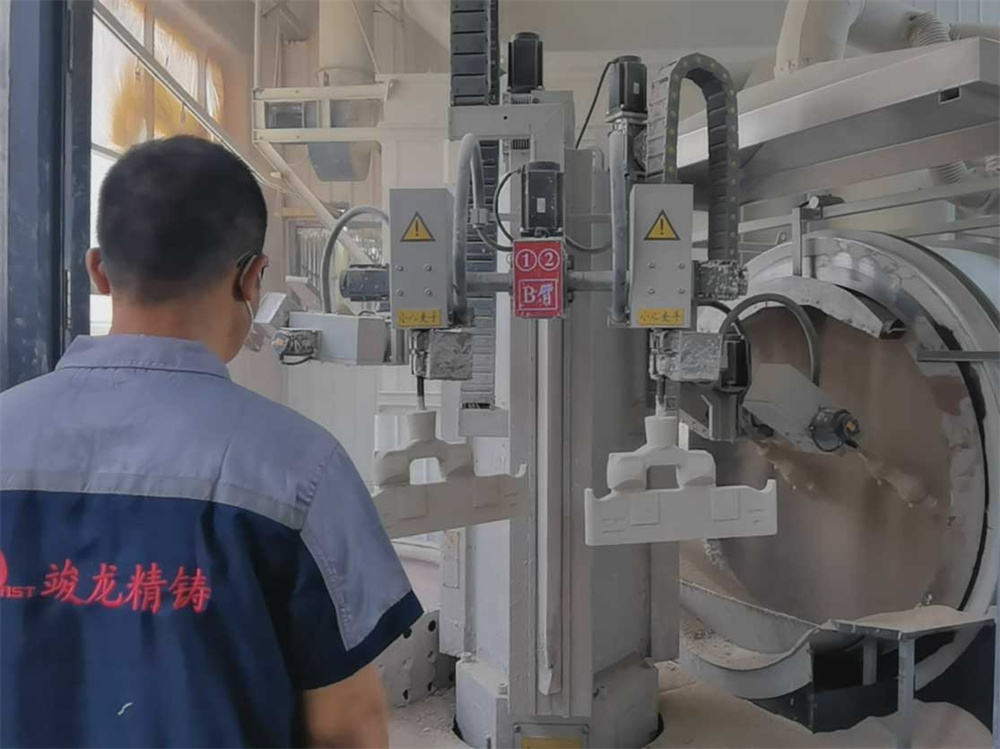
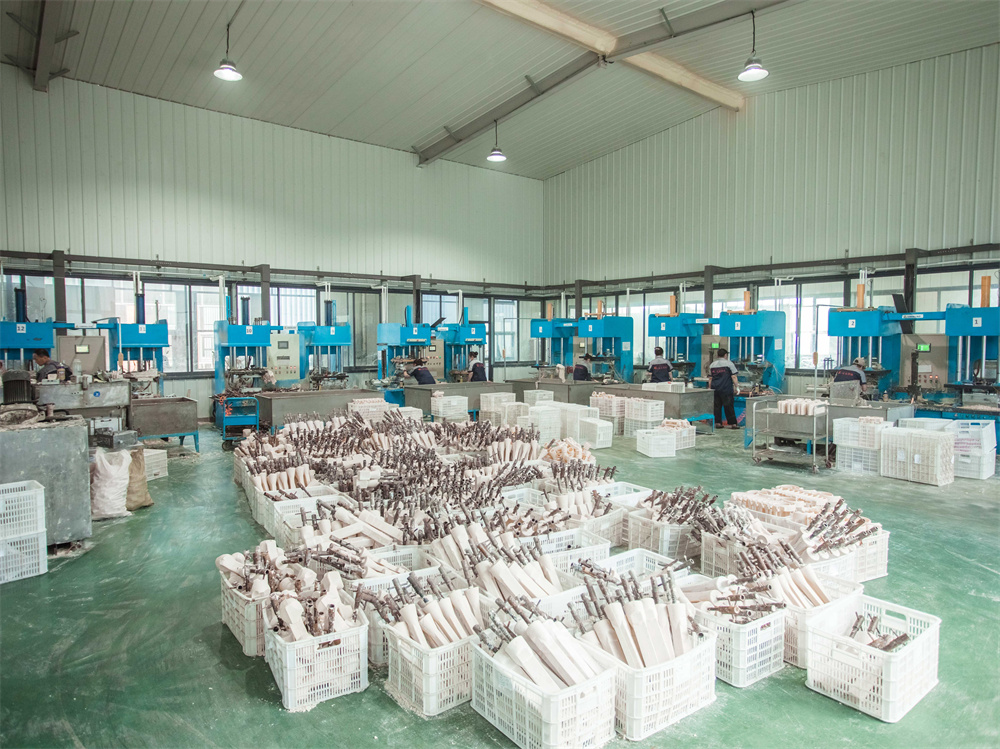
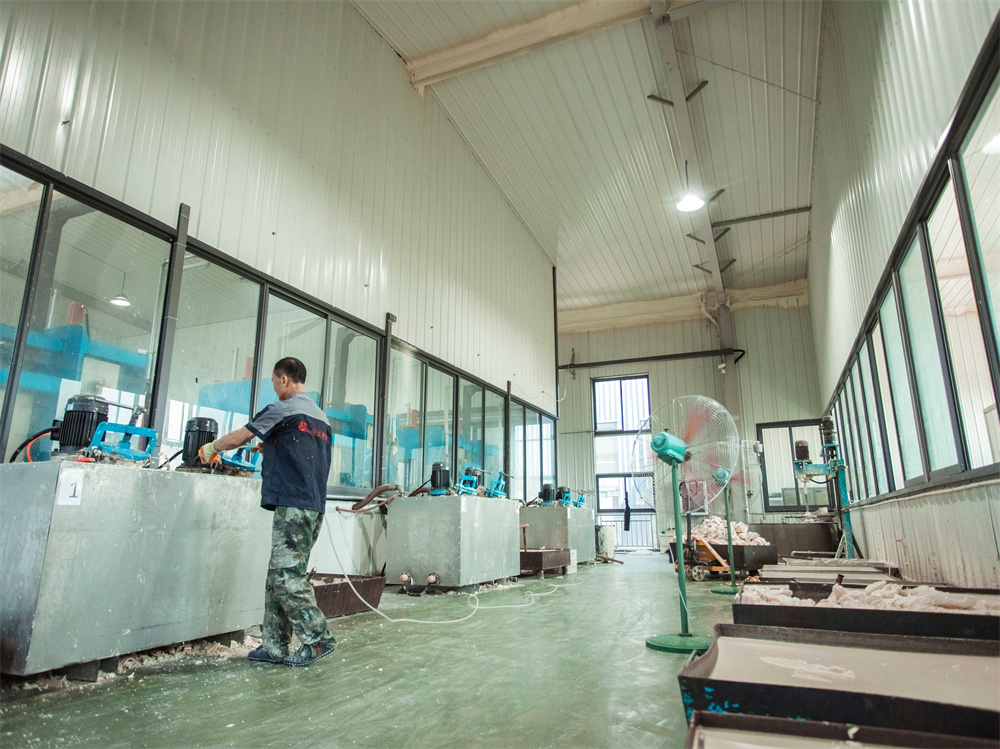
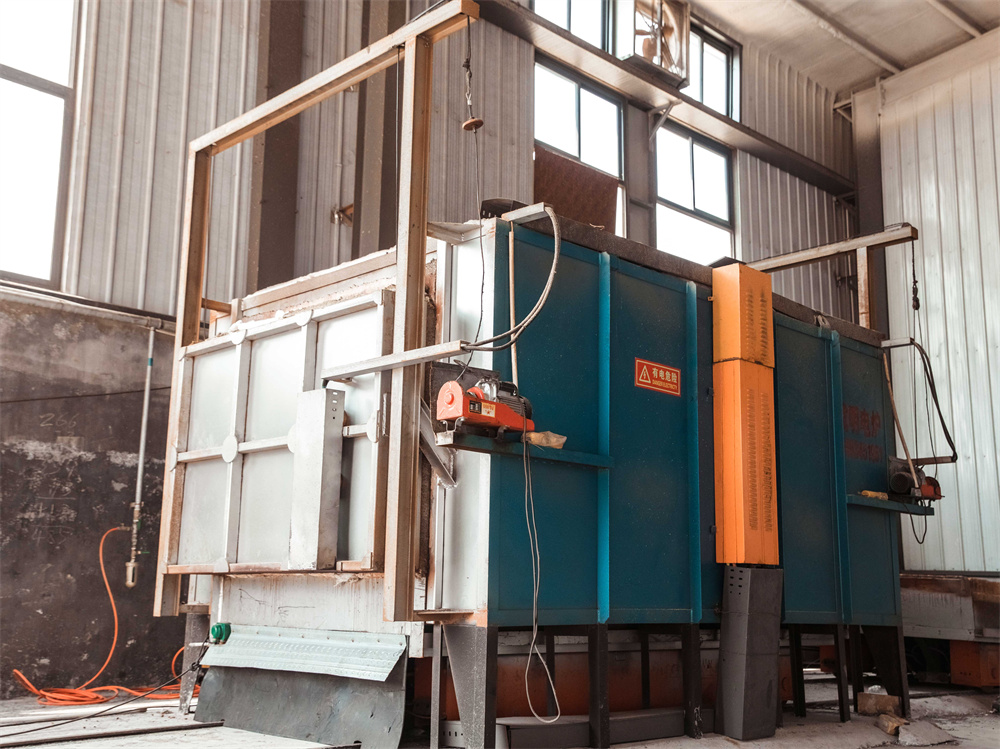
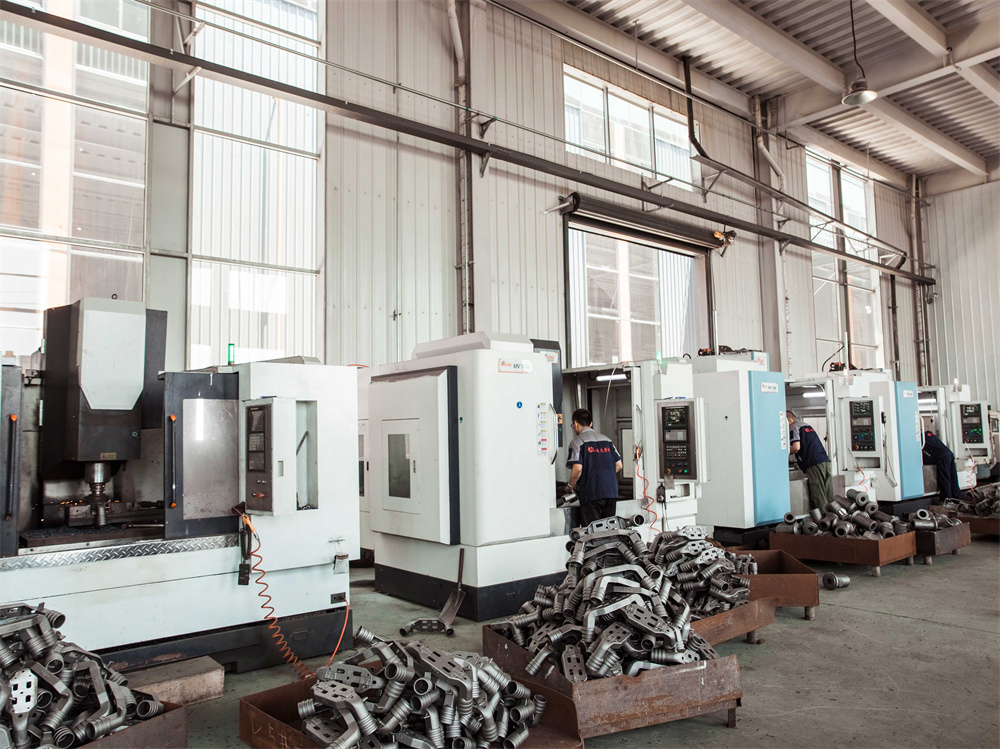
Our company will continue to strengthen research and development efforts for new products and technologies, integrate advanced management and technical resources, and strive to become your world-class precision casting supplier!
Inquiry Now Junlong