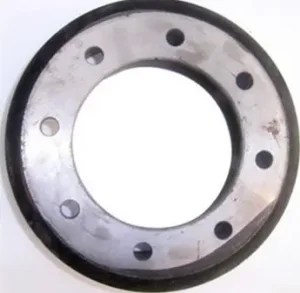
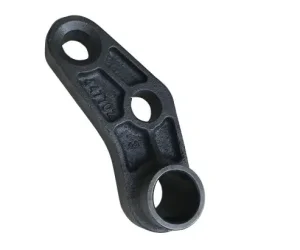
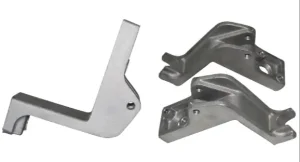
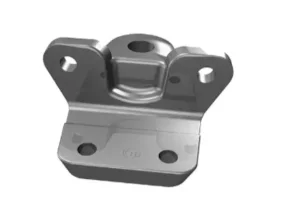
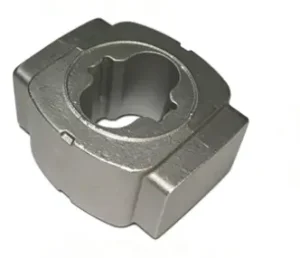
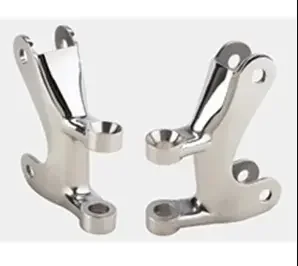
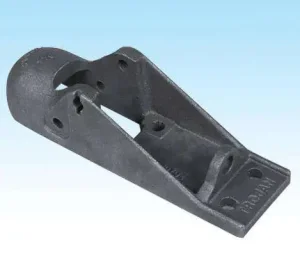
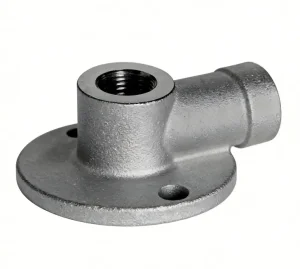
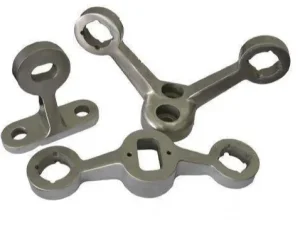
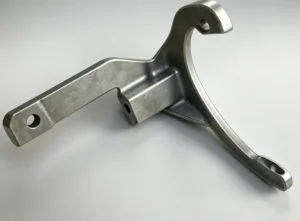
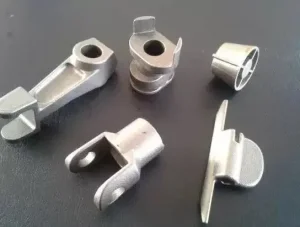
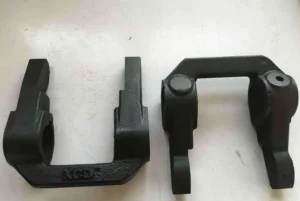
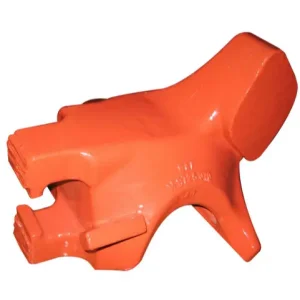
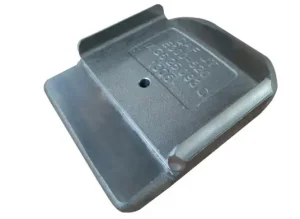
In the modern commercial vehicle sector, the steering system is the most critical safety assembly. As trucks evolve toward autonomous driving and electrification (EV), the demands on steering components—specifically knuckles, pitman arms, and steering housings—have reached unprecedented levels. The global market for OEM carbon steel precision cast truck steering parts is currently transitioning from traditional sand casting to high-precision lost wax investment casting.
Industry data suggests that the precision casting market for automotive components is expected to grow at a CAGR of 6.2% through 2030. This growth is driven by the need for lightweighting without compromising structural integrity. Carbon steel, particularly grades with optimized manganese and chromium content, remains the material of choice due to its superior fatigue resistance and impact toughness in harsh operating environments.
High demand in North America and Europe for Class 8 heavy-duty trucks requiring IATF 16949 certified components.
Transitioning from multi-part welded assemblies to single-piece high-strength precision castings to reduce failure points.
Adoption of "Green Casting" technologies to reduce carbon footprint in the Tier 1 automotive supply chain.
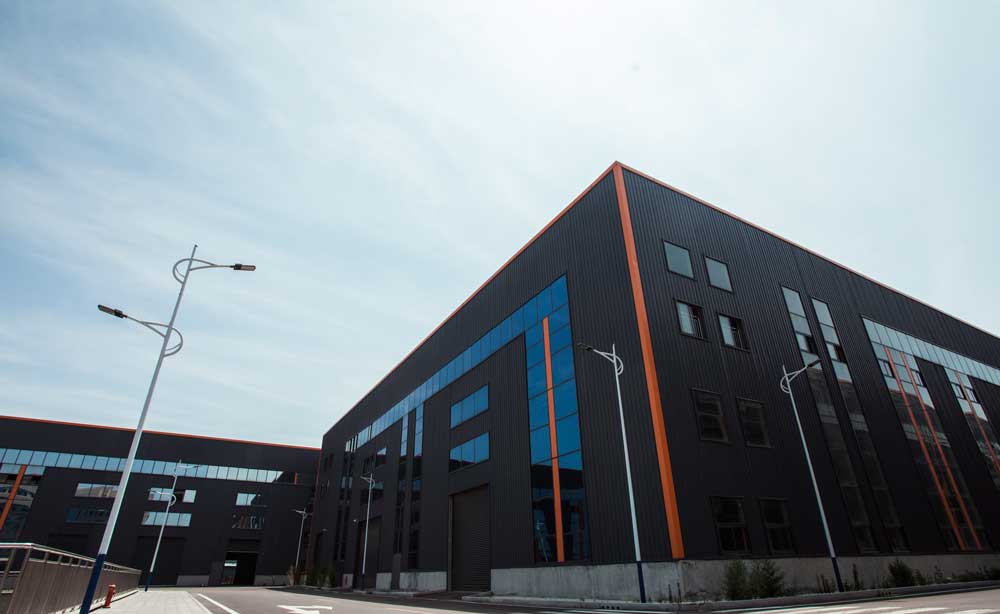
Founded in 2014 in Weifang, Shandong, JUNLONG Machinery Co., Ltd. has established itself as a benchmark for high-quality casting. Covering 60,000 m², we boast an annual production capacity of 20,000 tons of precision components.
Our specialization in carbon steel, alloy steel, and stainless steel allows us to serve the most demanding sectors, particularly the heavy truck and automotive industries where precision is non-negotiable.
Development of ultra-high-strength micro-alloyed carbon steels to handle the increased axle loads of electric heavy trucks.
Utilizing MagmaSoft simulation to predict solidification patterns and eliminate internal porosity before the first mold is made.
Automated X-ray and ultrasonic inspection systems integrated with machine learning to identify structural anomalies in steering parts.
Combining 3D printed sand/wax patterns with traditional investment casting for rapid prototyping of custom steering geometries.
The future of truck steering parts lies in the "Zero-Defect" philosophy. As steer-by-wire technology becomes standard, the mechanical linkage—though reduced in some areas—becomes even more critical as a redundant safety system. Our technical roadmap focuses on achieving linear tolerances within ±0.1mm and surface finishes better than Ra 3.2 directly from the mold, minimizing secondary machining.
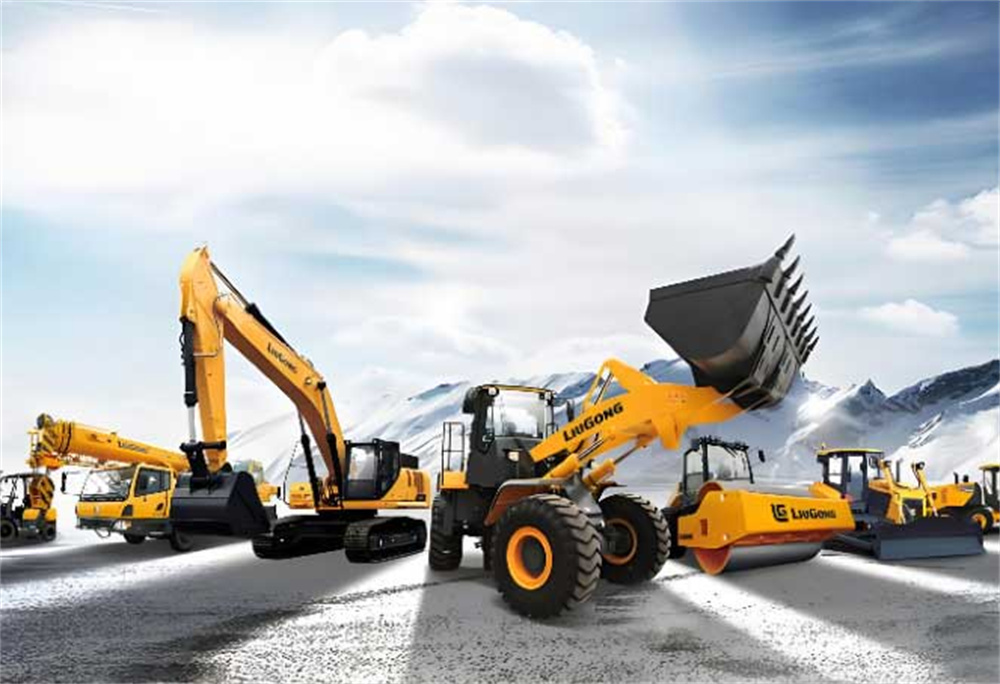
Our carbon steel parts are heat-treated to maintain ductility at -40°C, preventing brittle fractures in Northern European and Canadian winter operations.
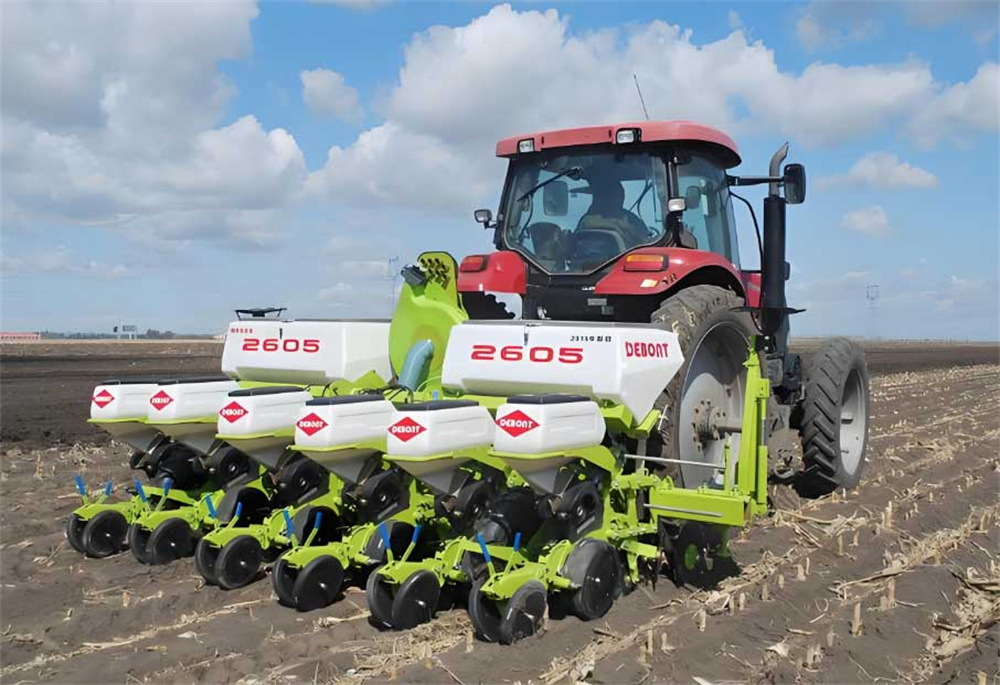
In high-torque, low-speed mining environments, our steering knuckles provide the fatigue life required for 24/7 continuous extraction cycles.
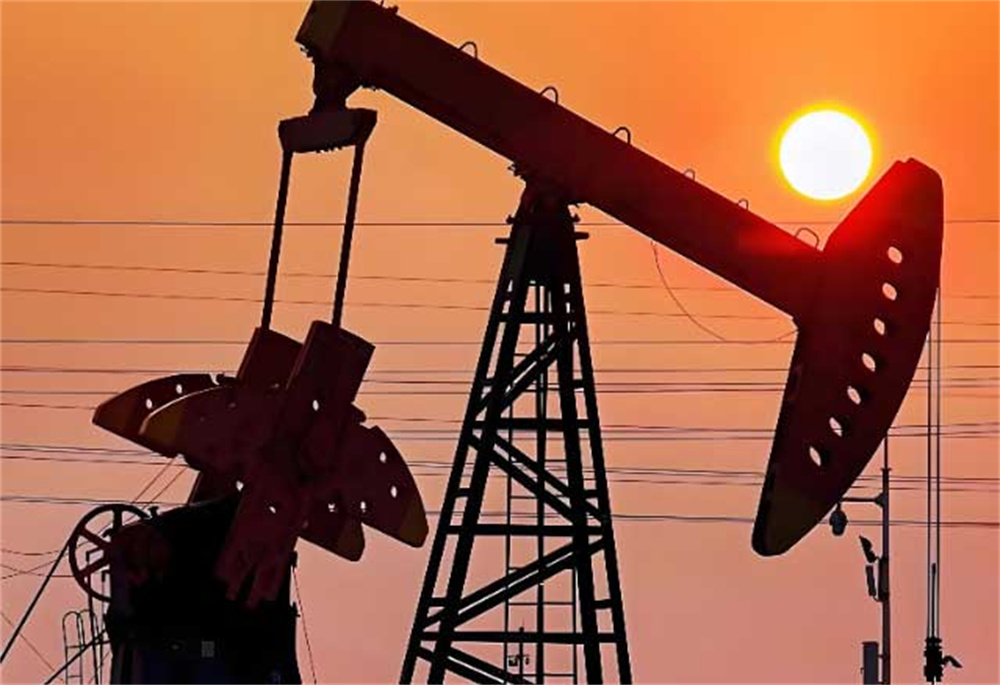
Advanced surface treatments (Geomet, Zinc-Nickel plating) ensure our precision castings resist corrosion in humid, salt-heavy port environments.
Equipped with internationally advanced automated casting production facilities and comprehensive physical and chemical analysis equipment. We ensure product quality stability while meeting comprehensive testing requirements for mechanical properties.
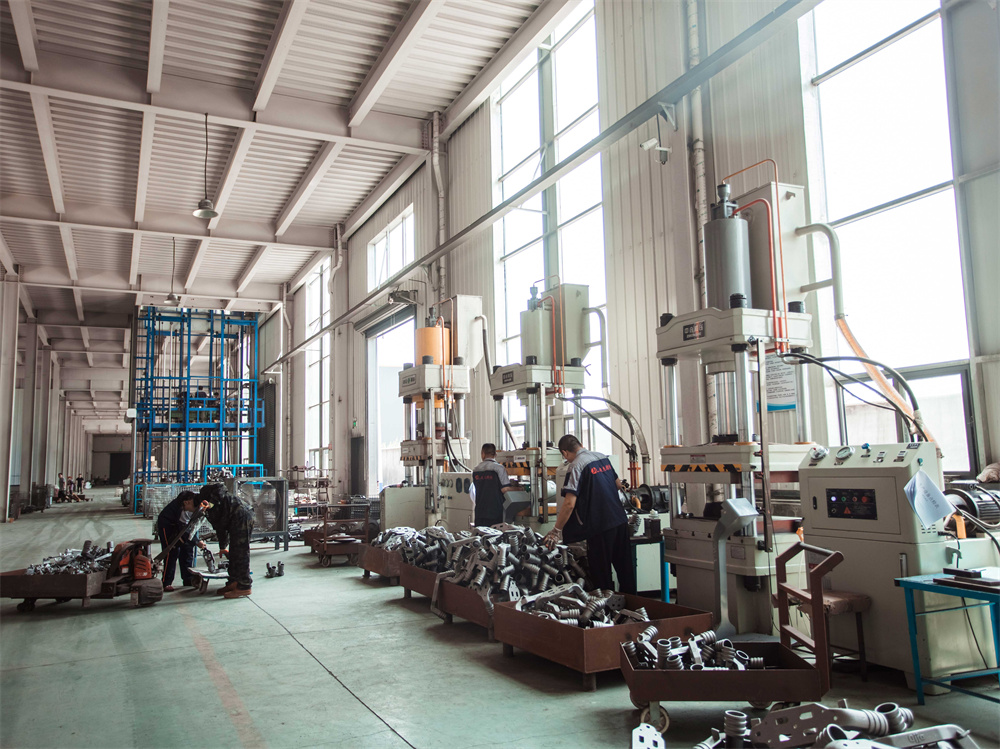
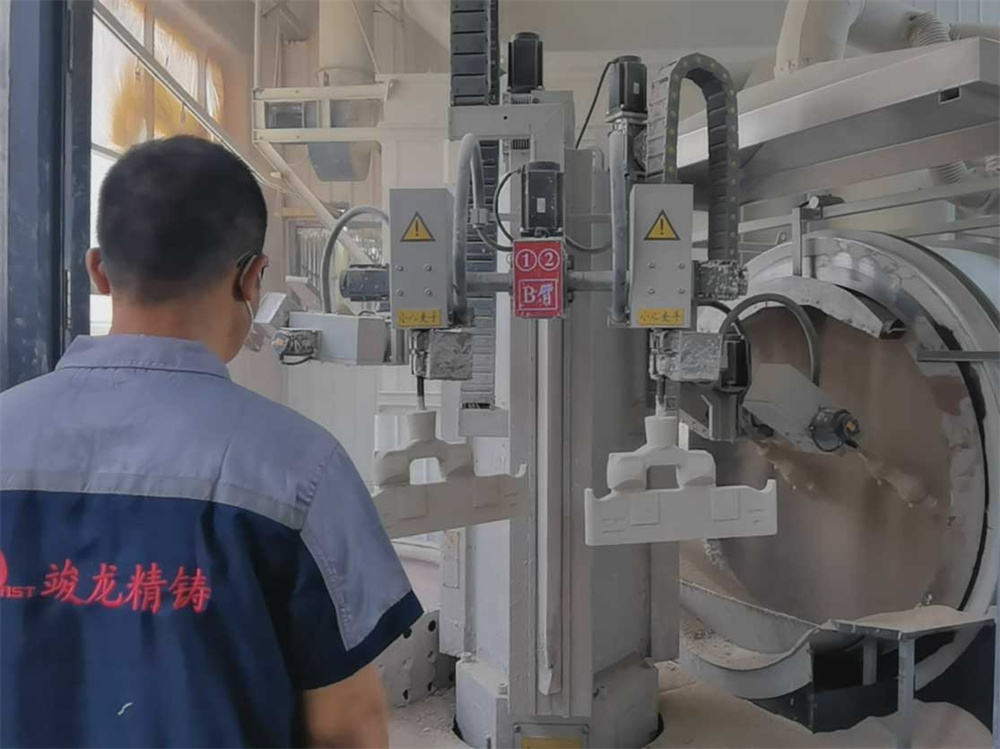
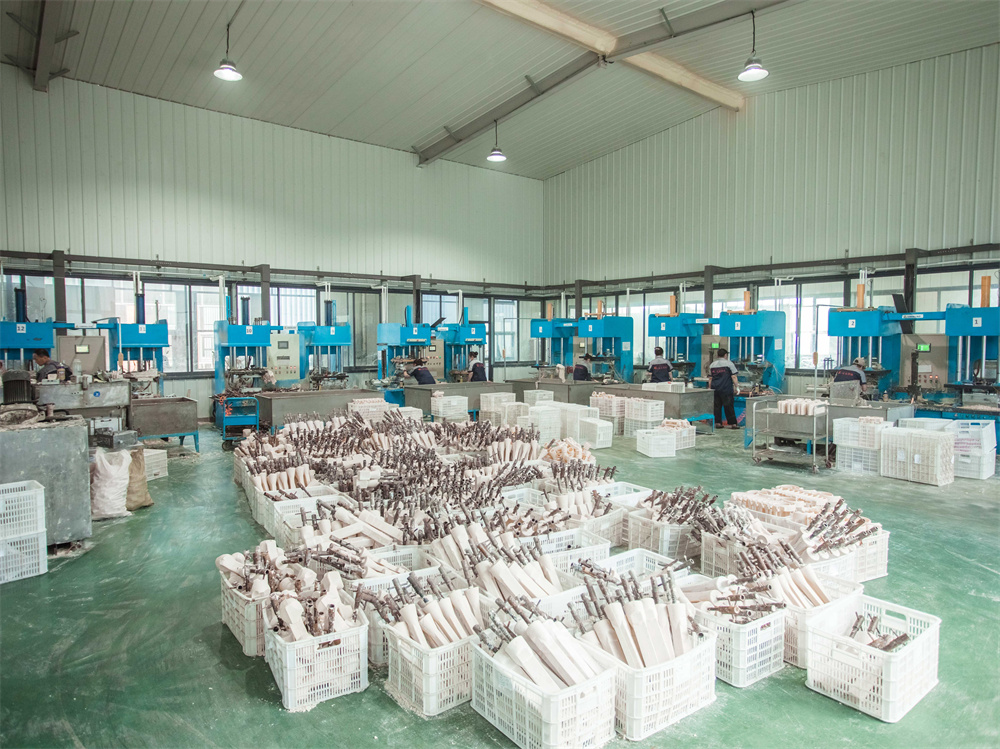
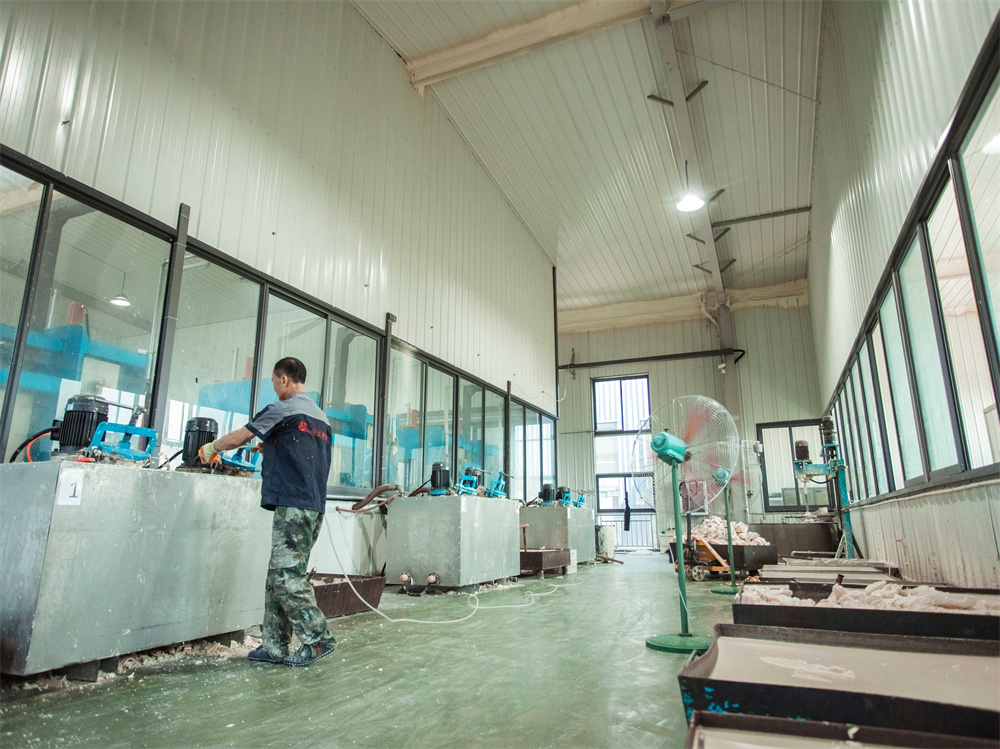
We are not just a casting supplier, but a one-stop precision manufacturing partner. Our Full Industrial Chain Integrated Manufacturing Capabilities provide:
1. Mold Design: Custom mold engineering using CAD/CAM for optimal flow.
2. Casting Excellence: Lost wax processes for complex internal geometries.
3. Precision Machining: CNC lathes and milling for critical fitment tolerances.
4. Finish & Surface: Tailored treatments for aesthetic and functional longevity.
Heavy-duty trucks require high fatigue limits and the ability to withstand shock loads that would cause aluminum to fail prematurely. Carbon steel provides the necessary density and structural modulus to maintain steering alignment under heavy cargo weights.
Lost wax casting (investment casting) allows for much tighter tolerances (CT4-CT6) and smoother surfaces compared to sand casting. This reduces the amount of expensive CNC machining required and allows for the integration of complex features into a single casting.
Every batch undergoes non-destructive testing (NDT), including Magnetic Particle Inspection (MPI) and X-ray analysis, ensuring there are no internal shrinkages or cracks that could compromise the steering system's safety.
Yes, all our OEM parts come with 3.1 chemical and mechanical test reports. We maintain full heat-number traceability from the raw material ingot to the finished steering component delivered to your assembly line.
 Junlong