Precision-manufactured mechanical components customized for global structural and high-load machinery applications.
An analysis of B2B supply chains, manufacturing complexities, and procurement evolution.
In the contemporary global manufacturing landscape, OEM custom machinery castings form the foundational bedrock for heavy industries, including automotive, rail transport, petrochemical refining, logistics infrastructure, and automated agricultural hardware. The global foundry market is witnessing a rapid structural transition. What used to be simple raw-casting sourcing has evolved into a strategic demand for highly complex, net-near-shape castings that require advanced post-casting heat treatment and precision CNC machining.
For industrial corporations based in North America and Western Europe, supply chain resilience, carbon compliance, and dimensional accuracy are paramount. Foundries are now evaluated not merely on their melting and pouring capabilities but on their integrated metallurgical engineering, non-destructive testing (NDT), and ability to guarantee zero-defect components. The demand for alloy steels, carbon steel, and stainless steel castings continues to surge, driven by structural upgrades in infrastructure equipment and municipal energy grids.
Furthermore, global procurement managers are increasingly mitigating logistics risks by partnering with fully integrated manufacturers capable of taking a design from CAD modeling, through mold design (casting simulation software like MAGMAsoft), chemical analysis, production, and final surface coating. This minimizes quality handoff failures, drastically shortens Lead-To-Market times, and guarantees adherence to stringent quality systems such as ISO 9001 and TS 16949.
By shifting to advanced lost-wax precision investment casting, global machinery manufacturers can achieve dimensional tolerances matching linear scales like ISO 8062-3 DCTG6, significantly reducing subsequent metal-cutting volume, and optimizing both material yield and raw component costs.
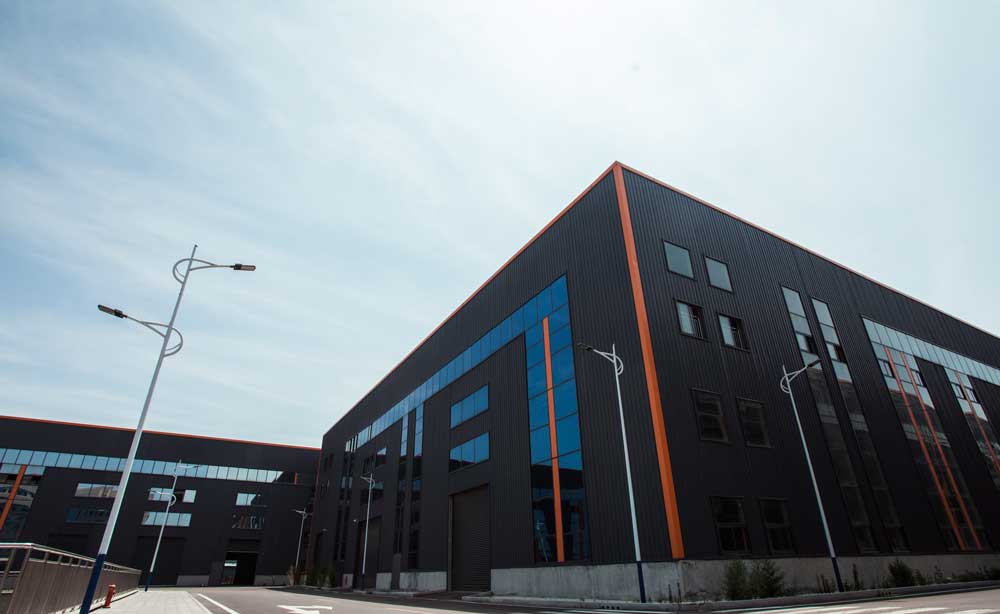
Integrating Precision Casting and Deep Processing Since 2014
Founded in 2014, JUNLONG Machinery Co., Ltd. is located in Weifang, Shandong, China. Over the last decade, we have scaled our operations to cover a total footprint of 60,000 square meters, establishing an annual production capacity of 20,000 tons of precision castings and machined finished parts.
Our core metallurgical competency encompasses carbon steel, high-tensile alloy steel, and corrosion-resistant stainless steel. Backed by a team of over 200 dedicated industry professionals, including 30+ senior metallurgical and mechanical engineering technicians, we represent a premier, vertically integrated manufacturing partner for complex machinery components.
Why Weifang, Shandong represents the ultimate B2B casting value driver.
The efficiency of Chinese casting manufacturers is not merely derived from labor inputs; it is built upon highly concentrated industrial clusters and mature material supply chains. Located in Shandong Province, the heart of China's heavy equipment manufacturing corridor, our facility leverages close proximity to major iron and steel production hubs, chemical auxiliary raw material suppliers, and advanced tooling design labs.
This geographic ecosystem translates to rapid mold fabrication, immediate metallurgical customization, and optimized material logistics. While overseas foundries may require weeks to source special alloy elements, our supply network delivers specific chemical additives within hours, maintaining uninterrupted melting cycles and fast lead times.
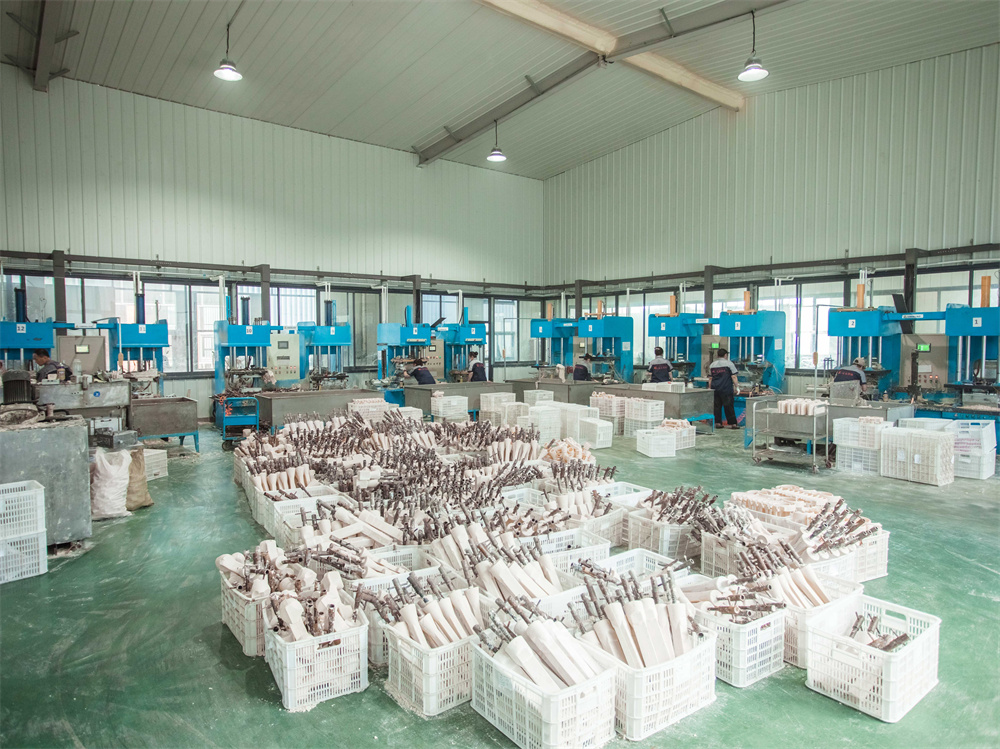
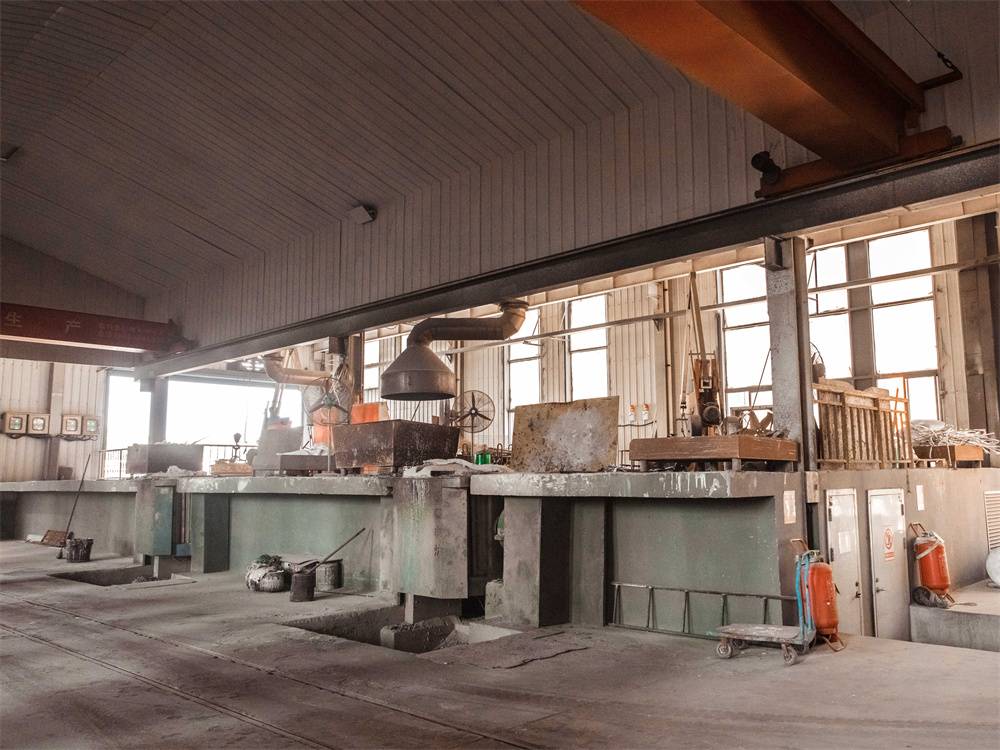
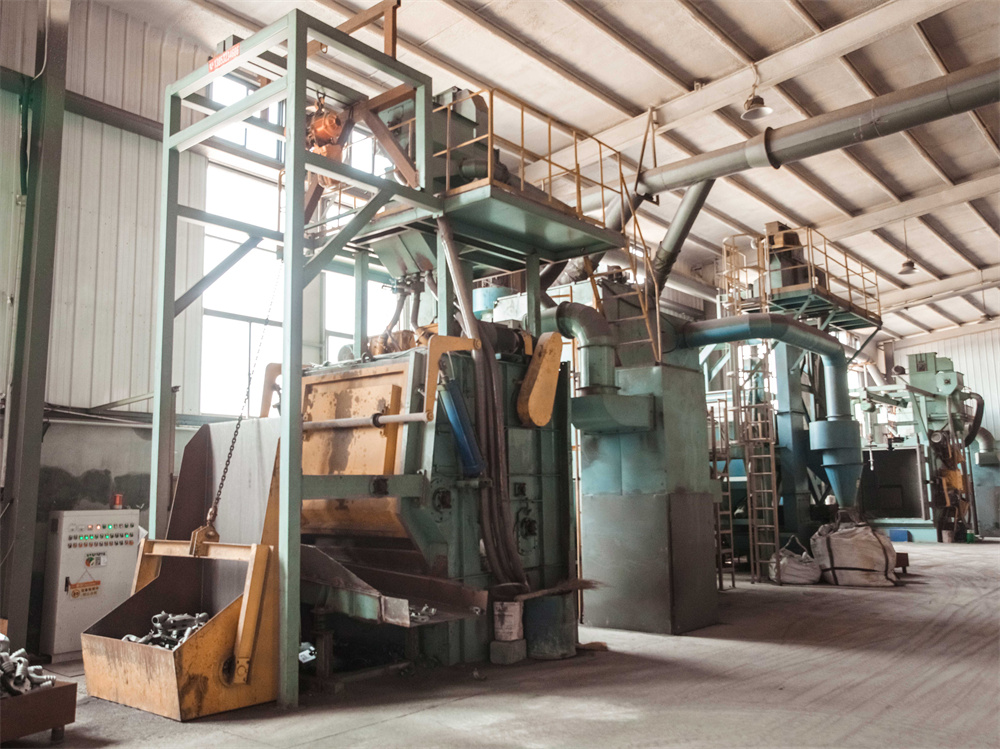
Additionally, our factory implements a high degree of automation, from sand recycling systems to temperature-controlled shell mold curing lines. This level of automated operation ensures the absolute consistency of physical properties across large casting batches. By integrating mold design, wax injection, shell building, dewaxing, melting, pouring, shot blasting, machining, and surface coating within a single 60,000-square-meter facility, we eliminate intermediate shipping and handling costs, resulting in competitive per-unit pricing without compromising dimensional accuracy.
Engineered for quality, verified by physical and chemical analysis.
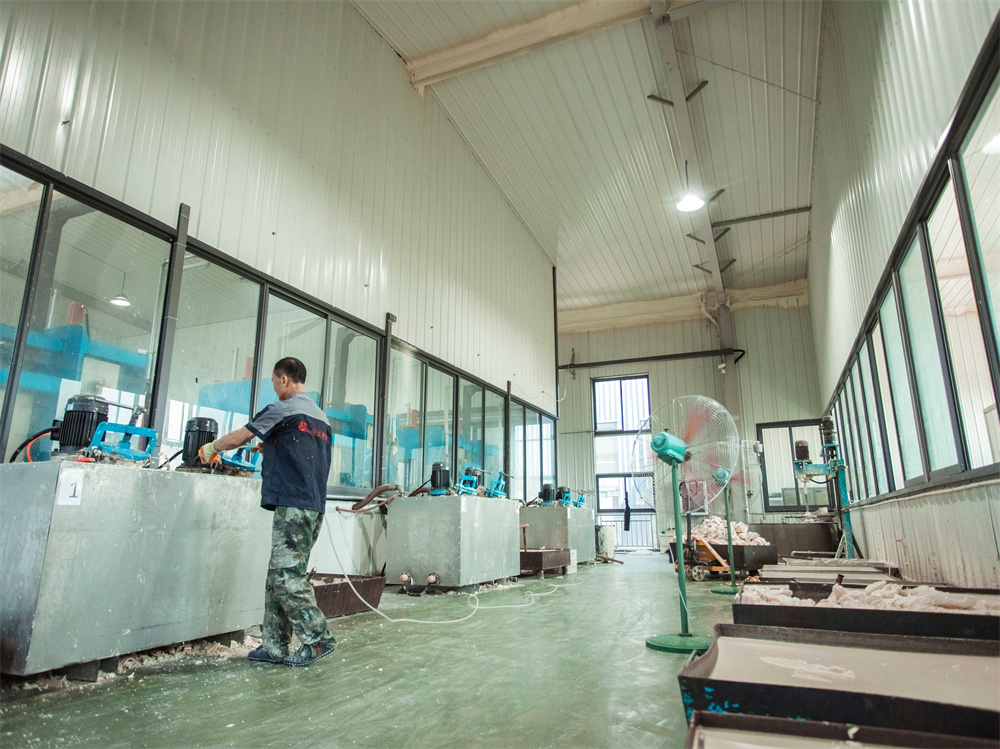
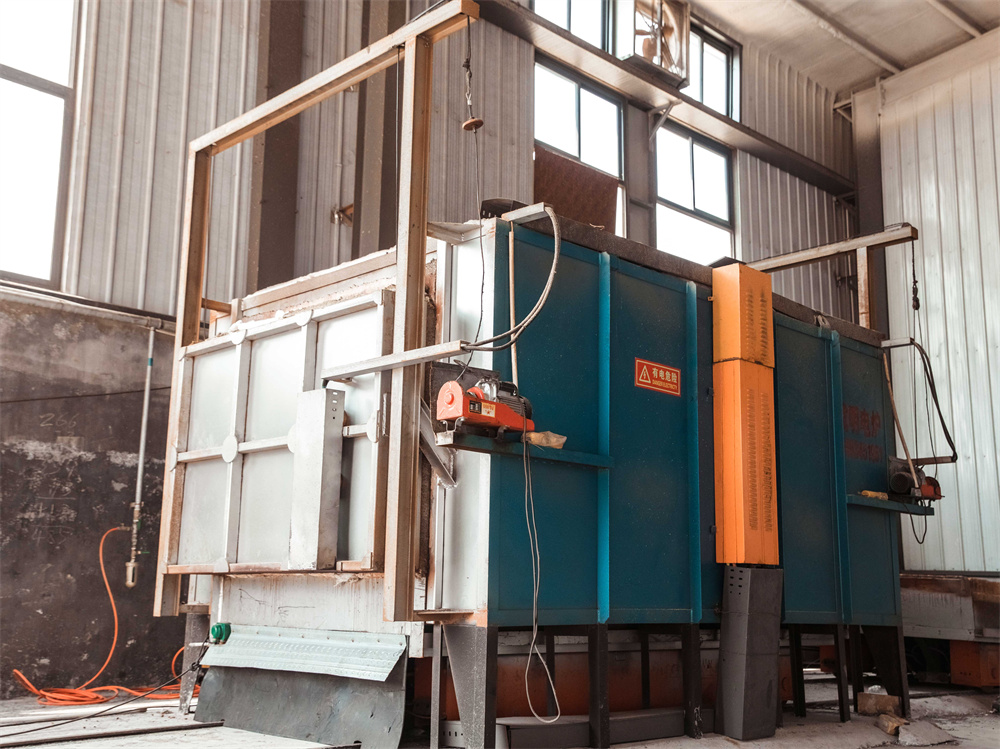
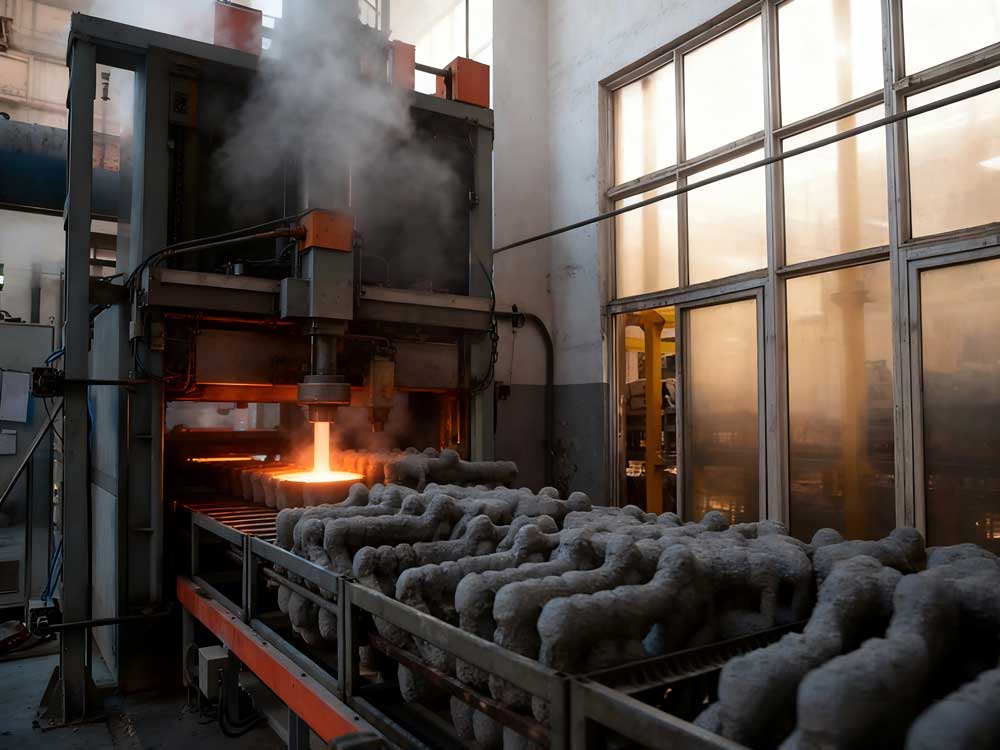
Equipped with advanced shell-building production lines, mid-frequency induction melting furnaces, and temperature-controlled curing kilns, we optimize dimensional stability and structural integrity.
Our structural and hydraulic components are exported to strict overseas markets, including Germany, the United States, Italy, Canada, and Japan, under customized packaging configurations.
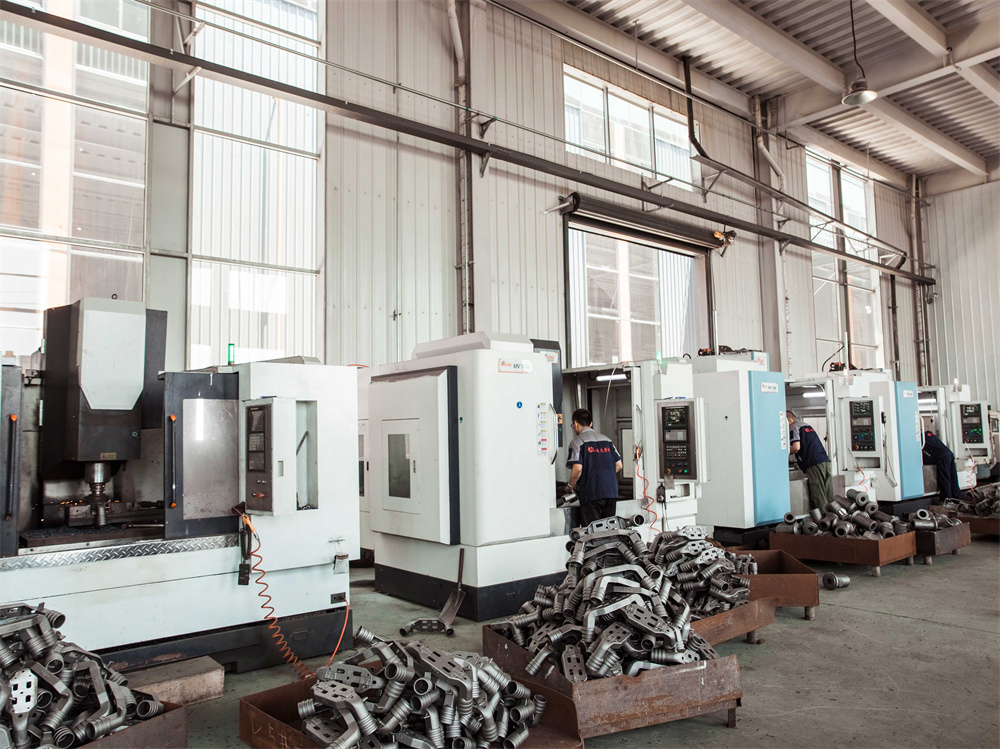
Equipped with high-precision horizontal and vertical CNC machining centers, CNC lathes, milling machines, and grinders to deliver fully machined components ready for installation.
Targeted casting solutions engineered to perform under severe operational stress.
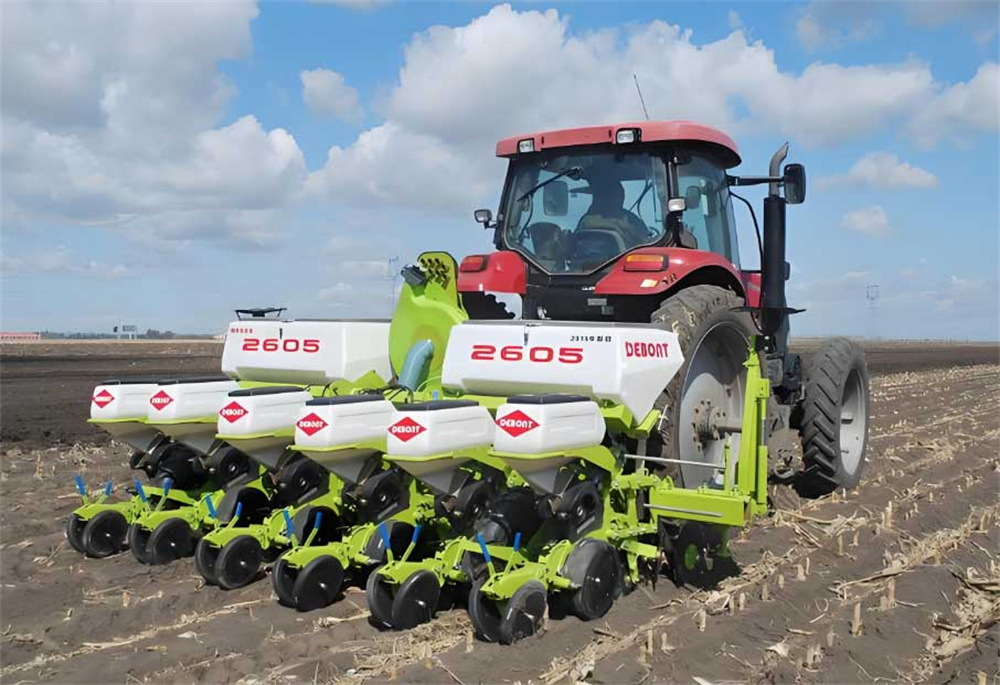
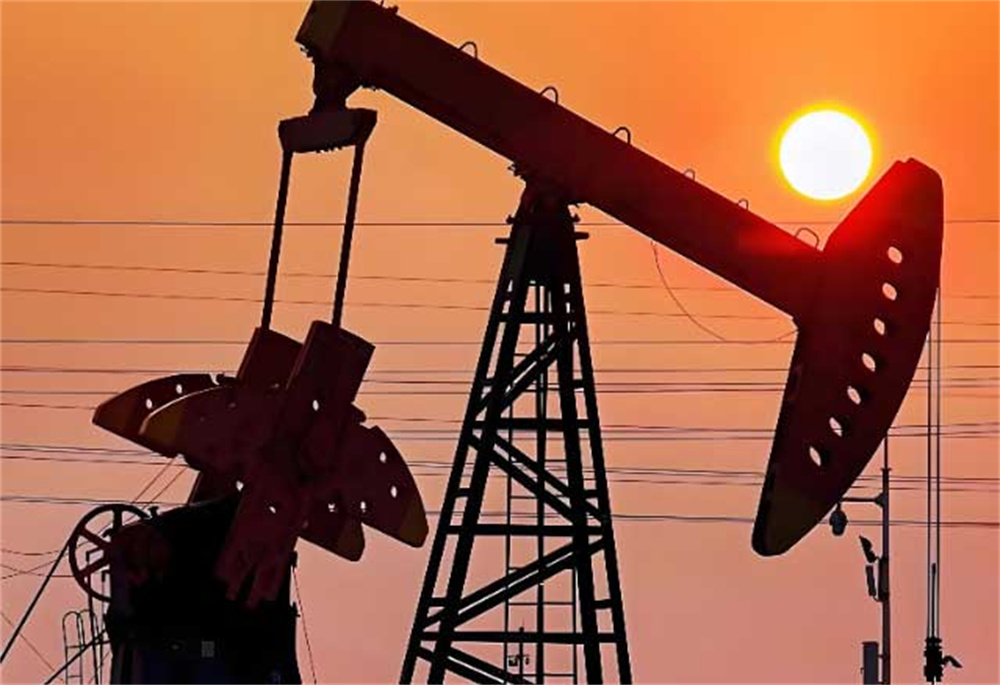
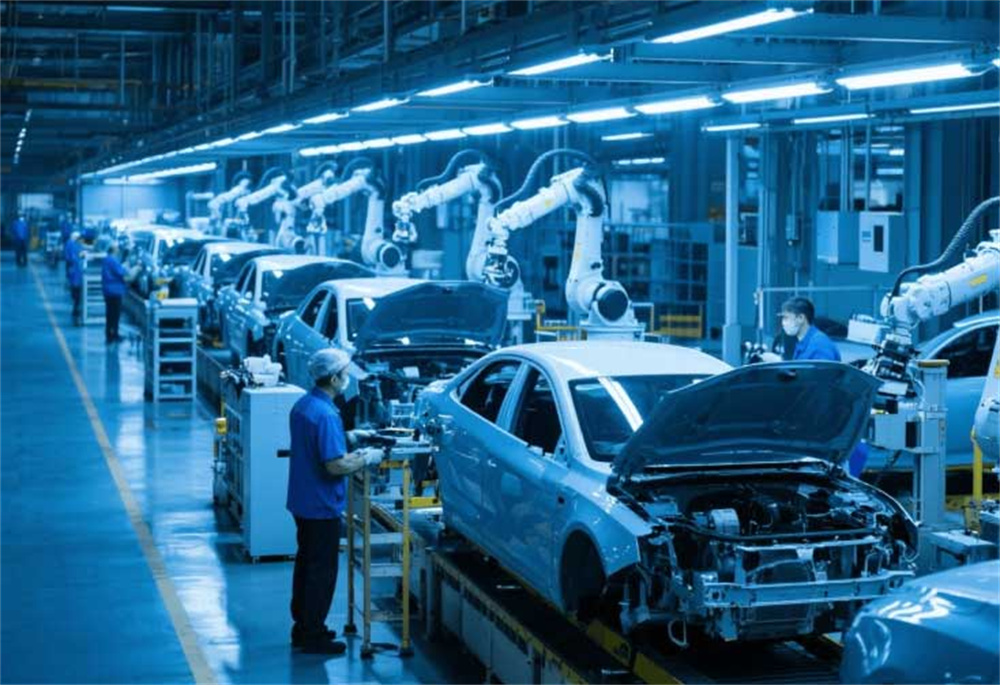
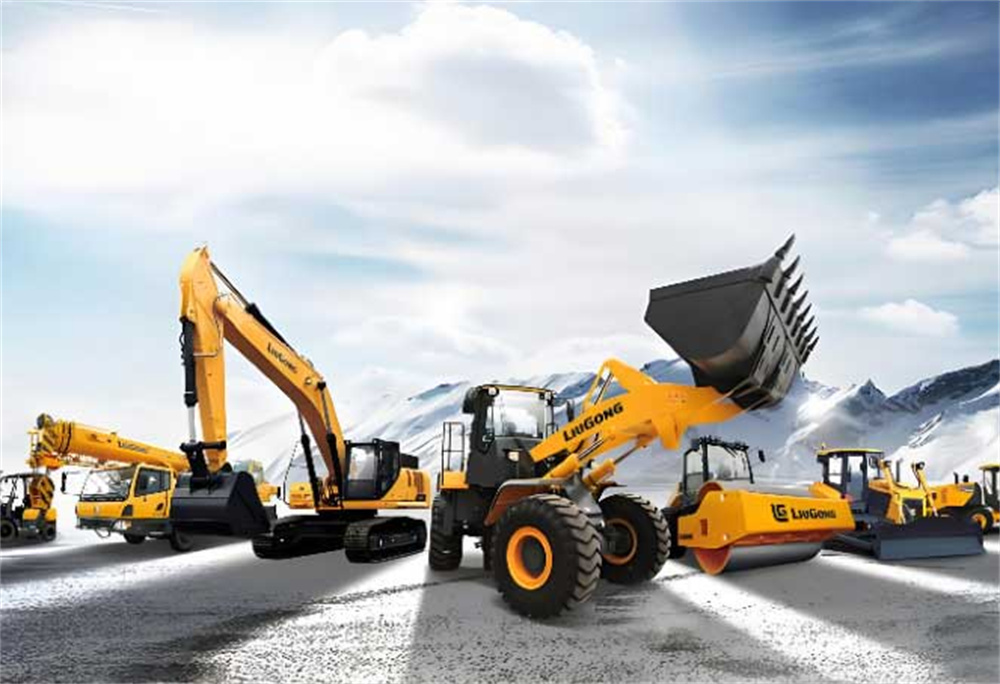
Green initiatives, AI defect analysis, and near-net-shape technologies.
The machinery castings sector is transitioning to smart manufacturing paradigms. Traditional foundries are incorporating artificial intelligence and computerized automation to optimize pouring processes and minimize interior casting anomalies. Our facility uses advanced solid modeling and finite element analysis (FEA) to simulate metal flow, solidification, and shrinkage behavior prior to pouring, reducing prototyping cycles from weeks to days.
Moreover, environmental sustainability is now a core requirement for European and American buyers. Modern foundries must implement green technologies. Our facility utilizes eco-friendly shell binding materials and advanced dust collection systems to minimize environmental impact. By recycling sand and steel scrap, we optimize material circularity, assisting our partners in meeting global ESG metrics.
Furthermore, post-casting finishing processes have shifted to high-speed CNC machining to meet tight tolerance tolerances. As industrial machinery operates under higher pressures and cycle rates, components like hydraulic cylinders, valve blocks, and elevator guide brackets require micron-level accuracy. We utilize multi-axis CNC machining centers to transition raw castings into high-precision, ready-to-assemble mechanical components.
This integration of casting metallurgy and precision machining ensures that each part, from carbon steel structural components to complex stainless steel impellers, performs reliably in heavy-duty applications.
Fully certified quality control processes from raw melt analysis to coordinate measuring machines (CMM).
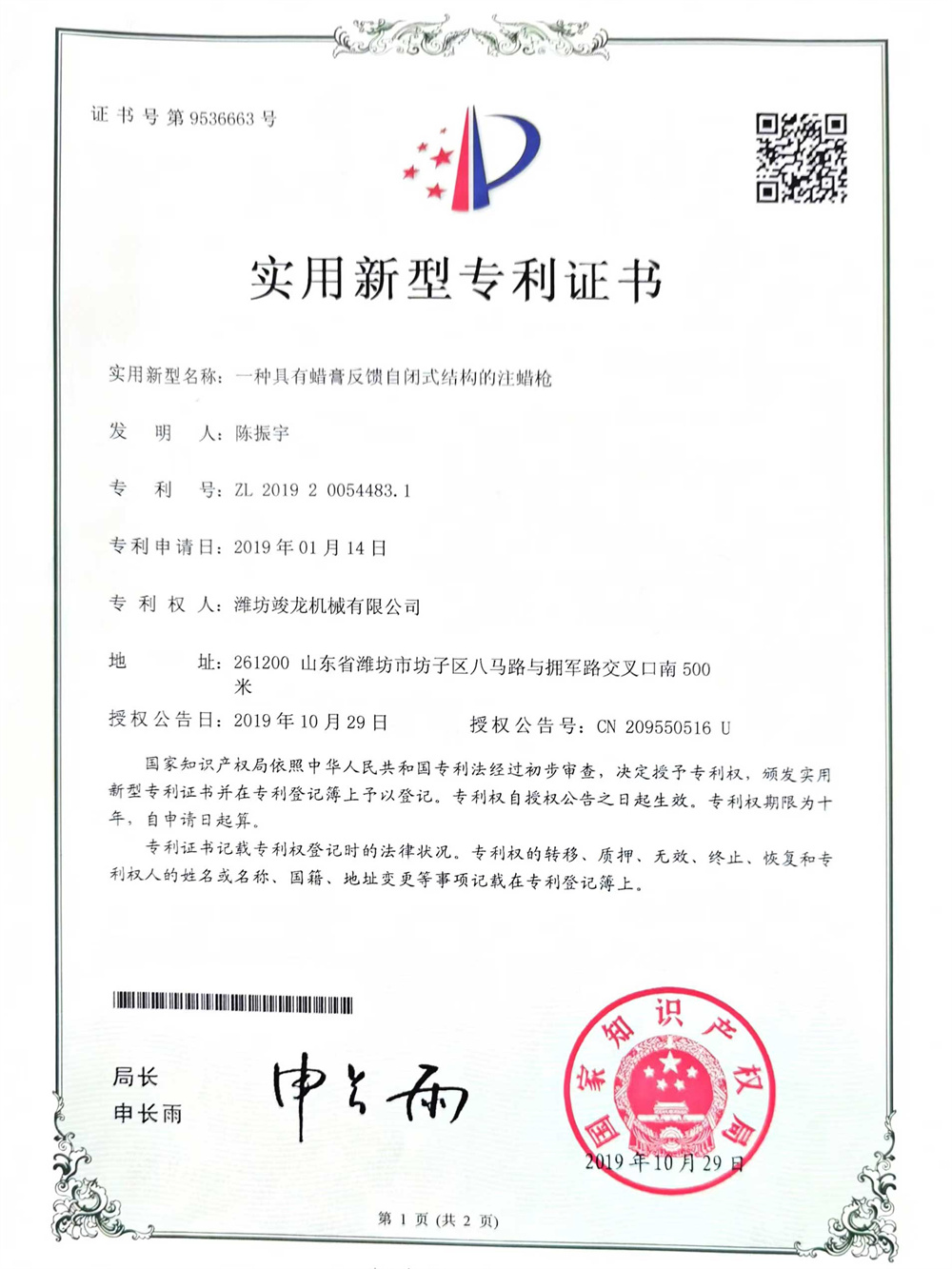
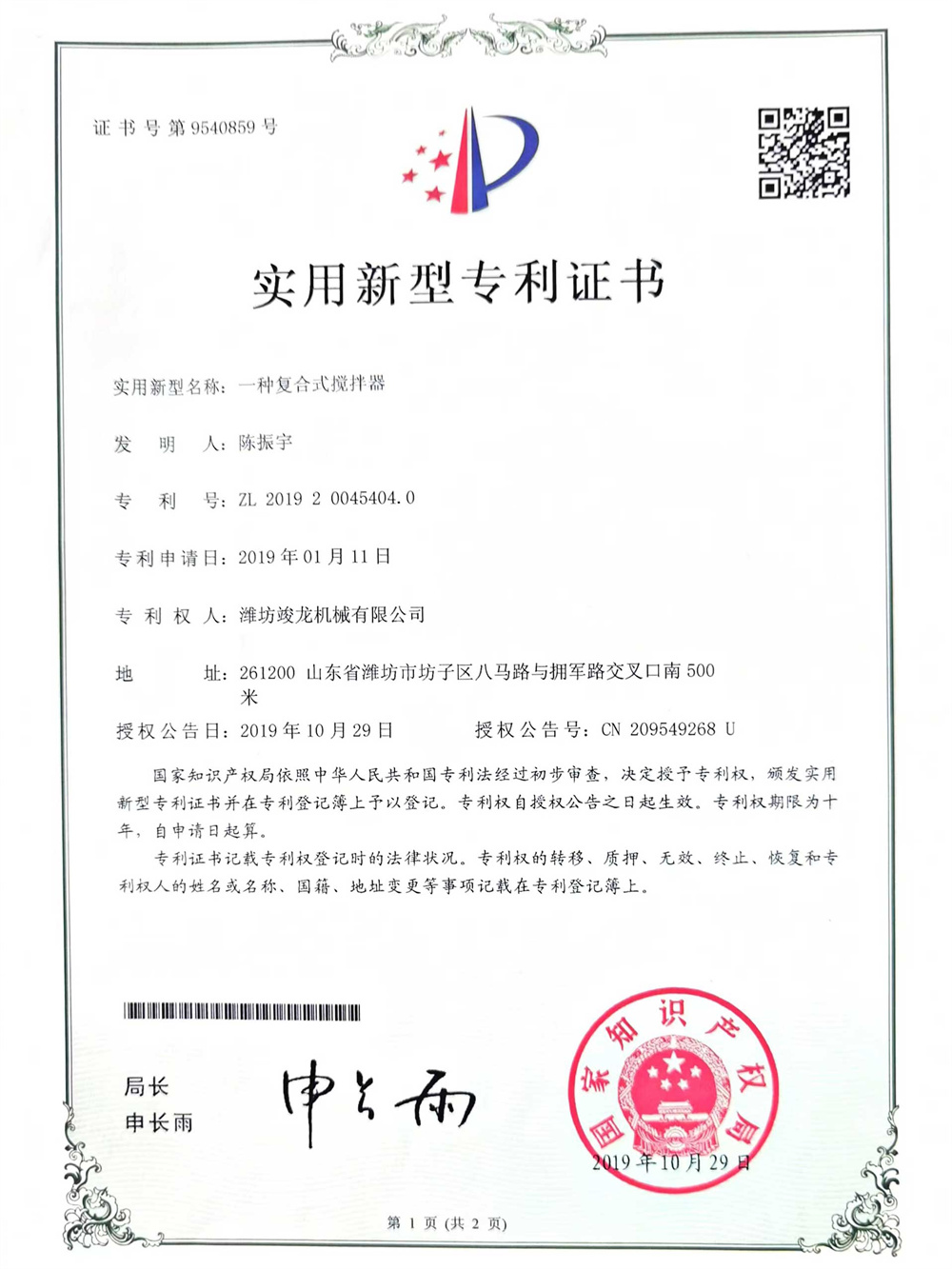
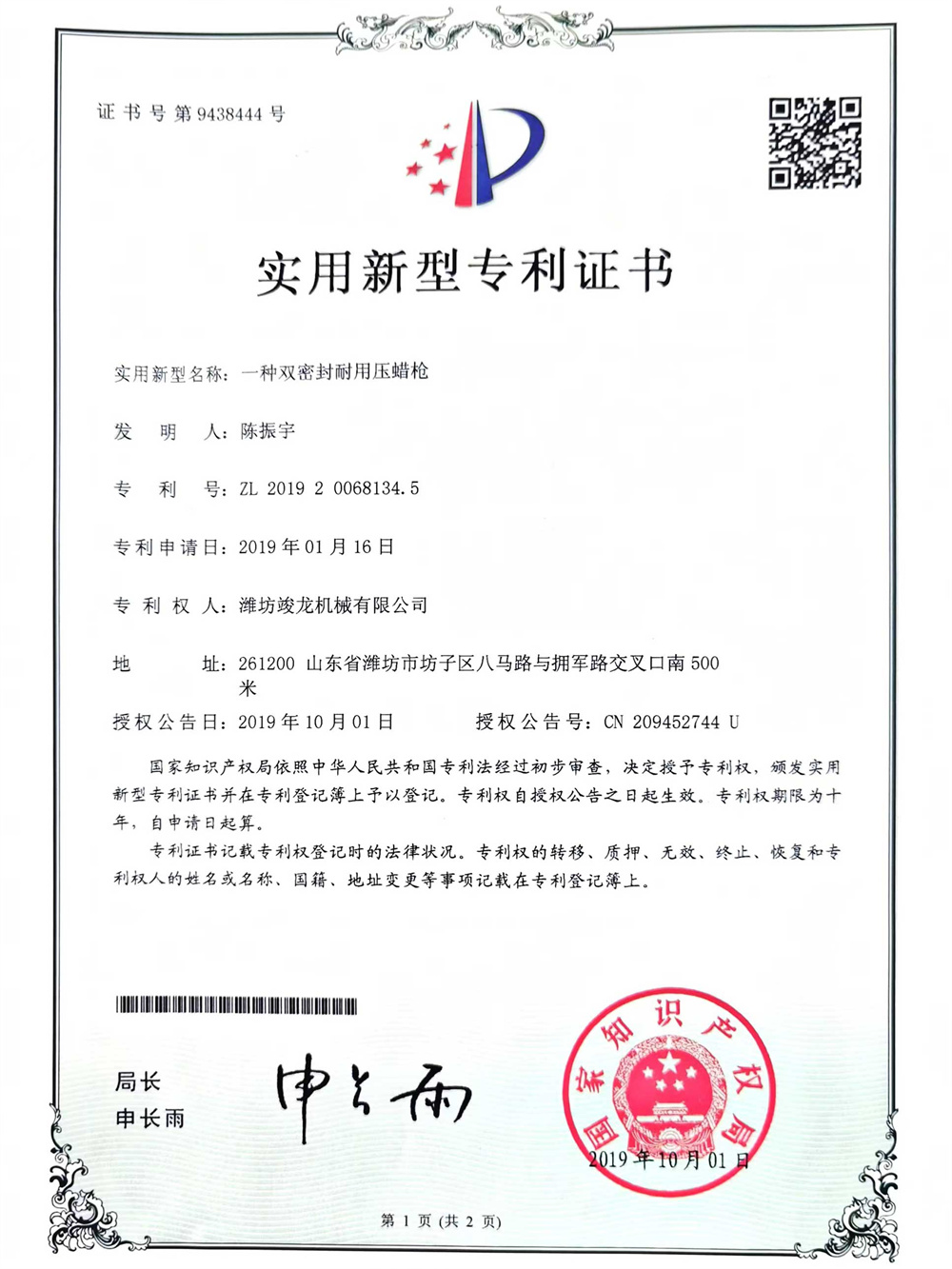
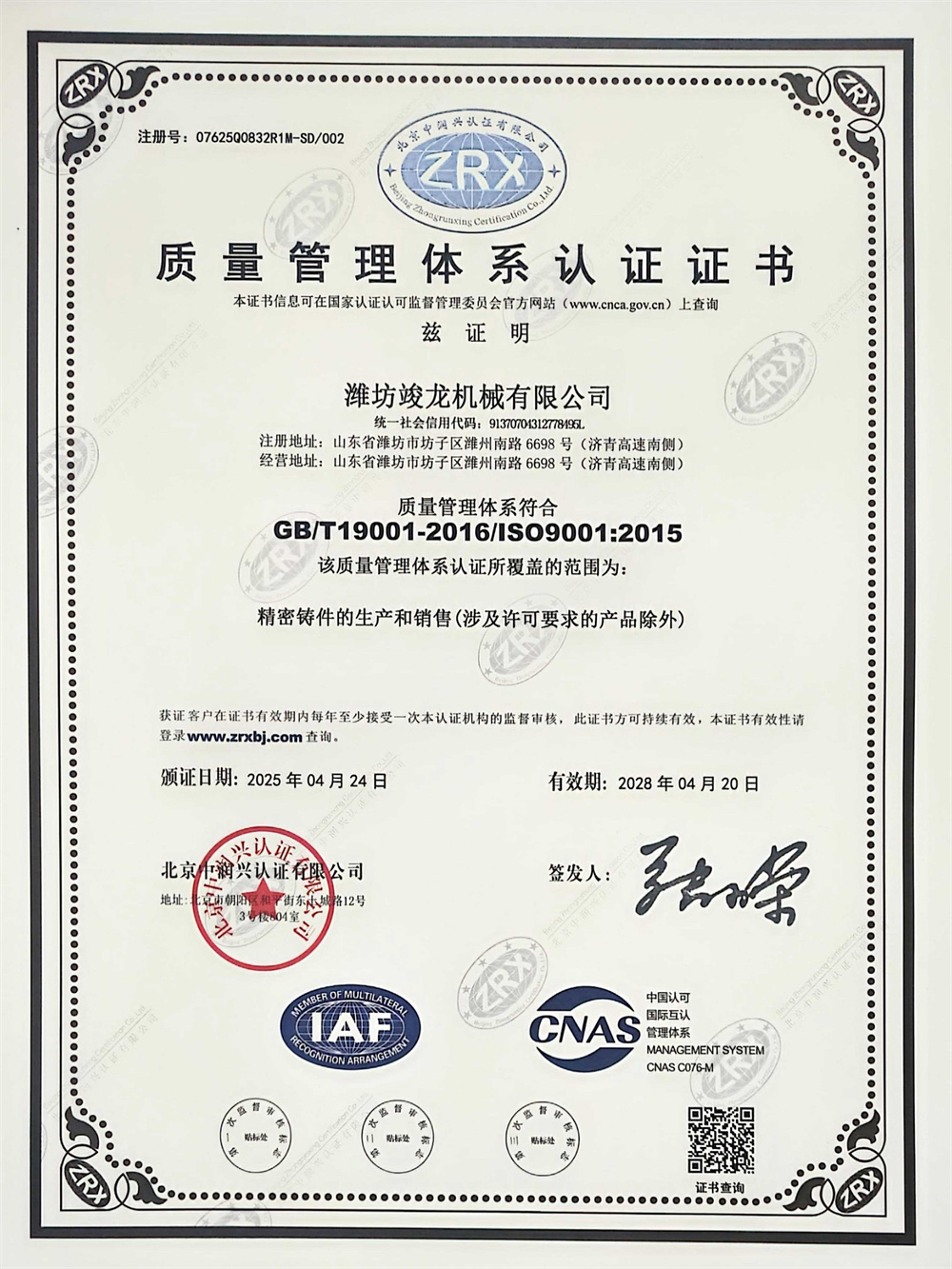
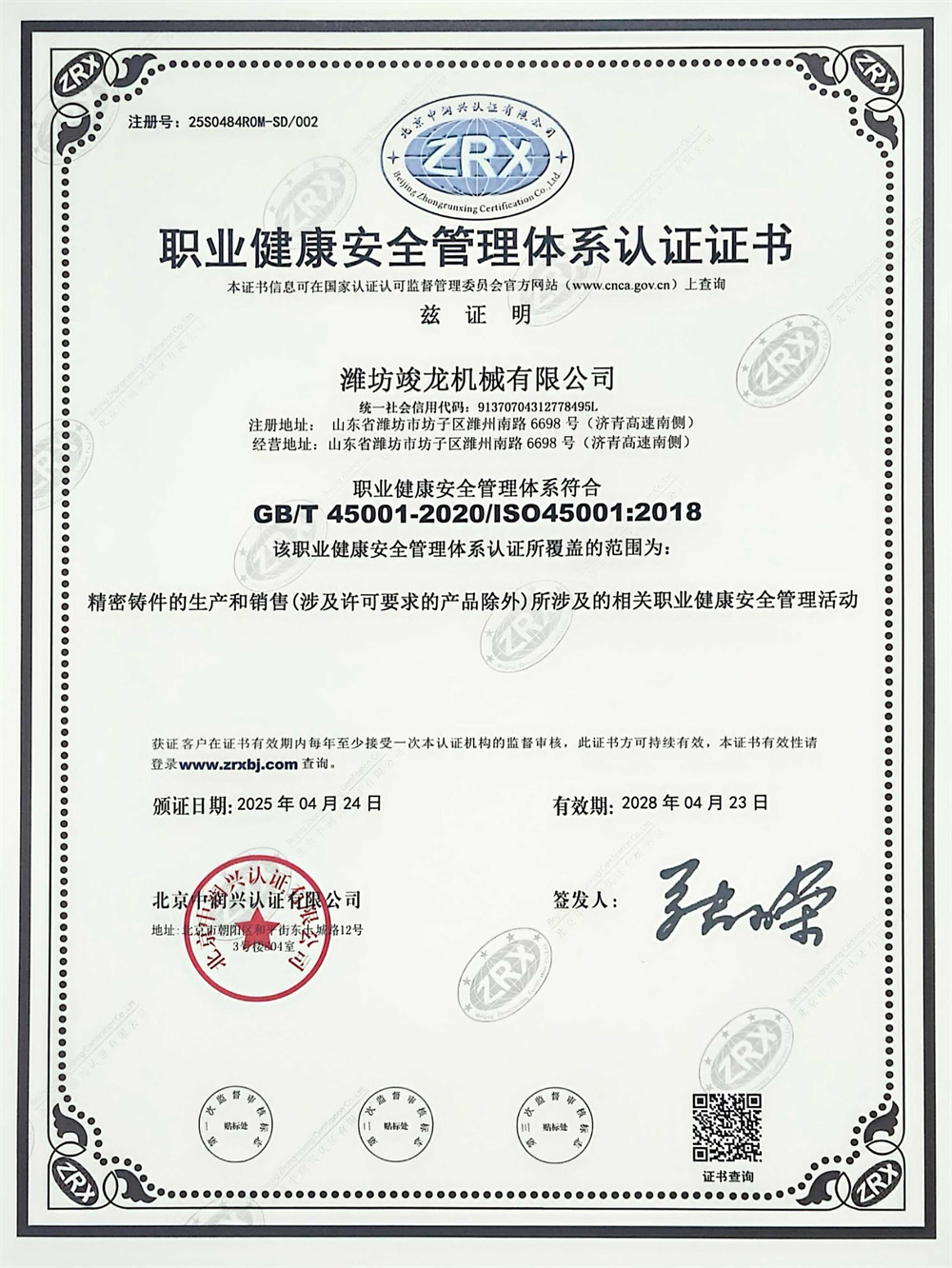
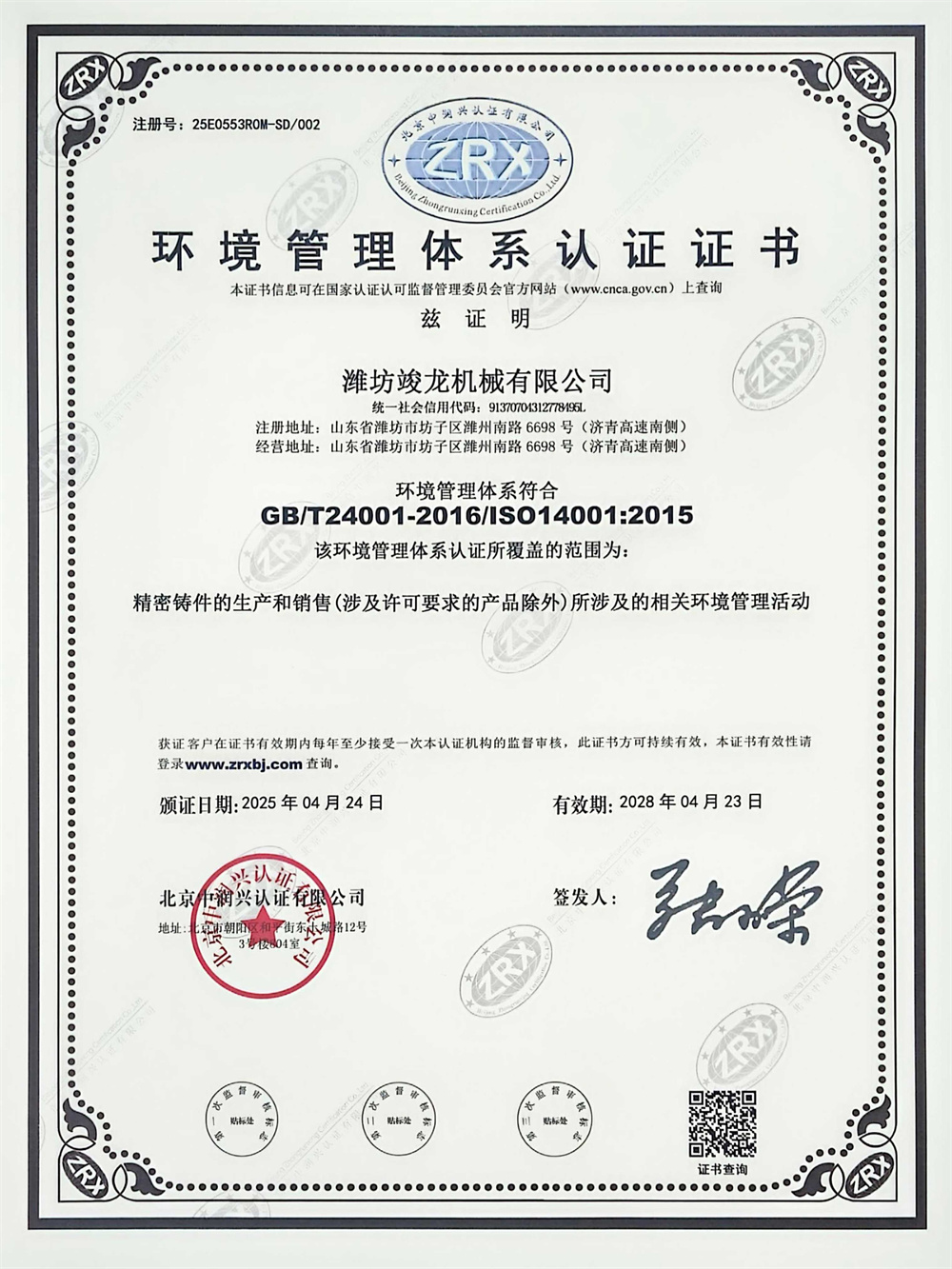
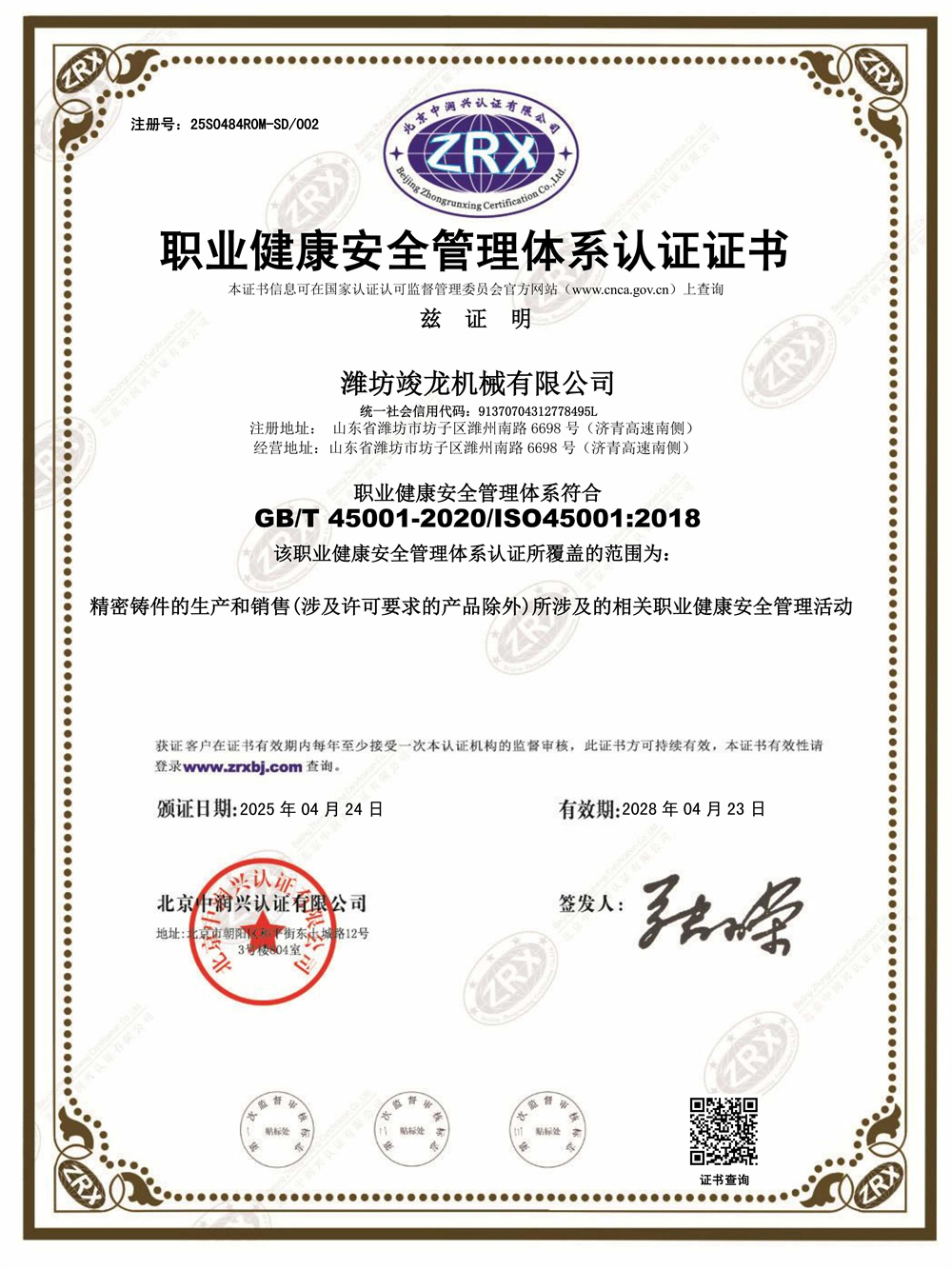
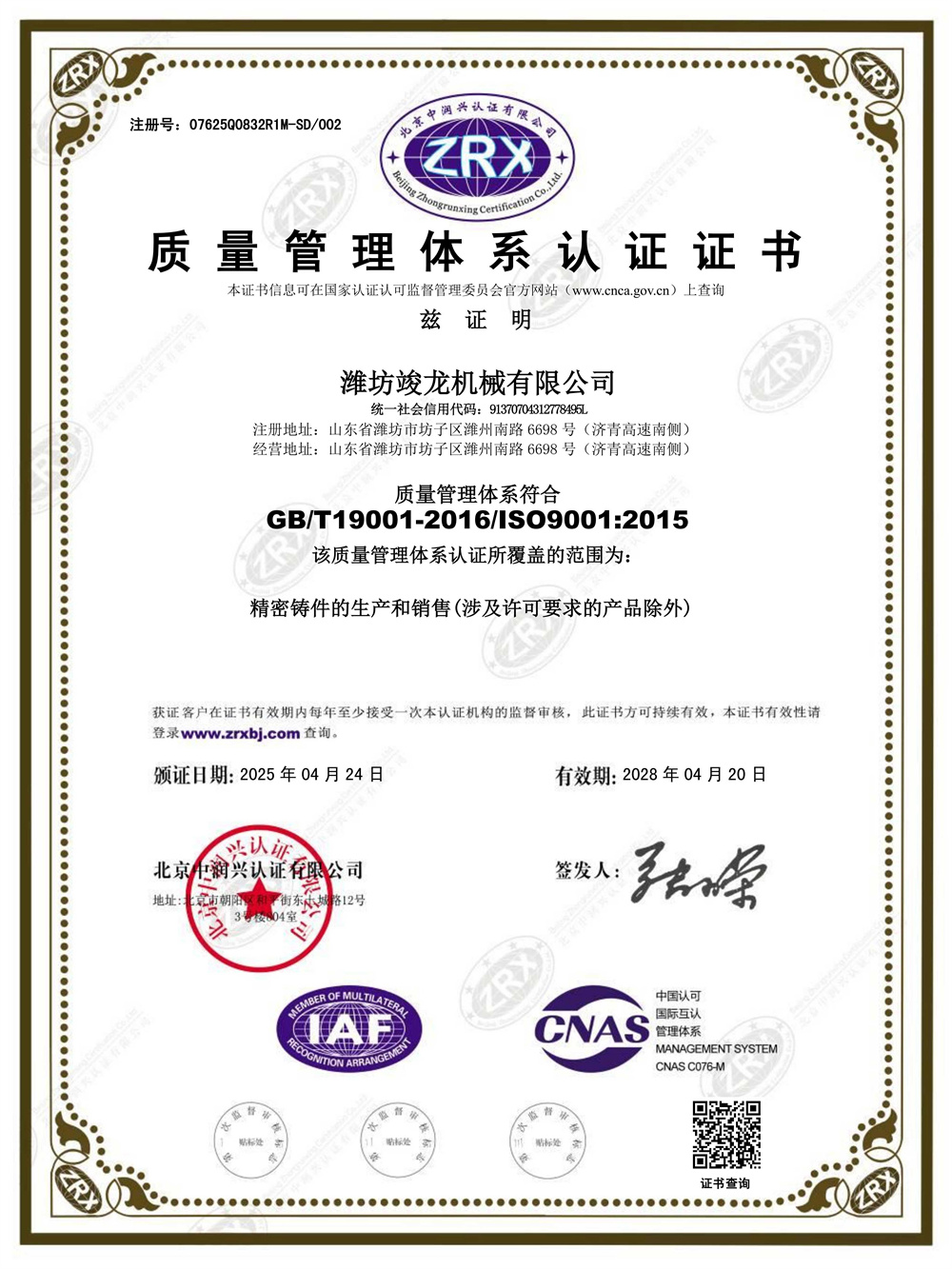
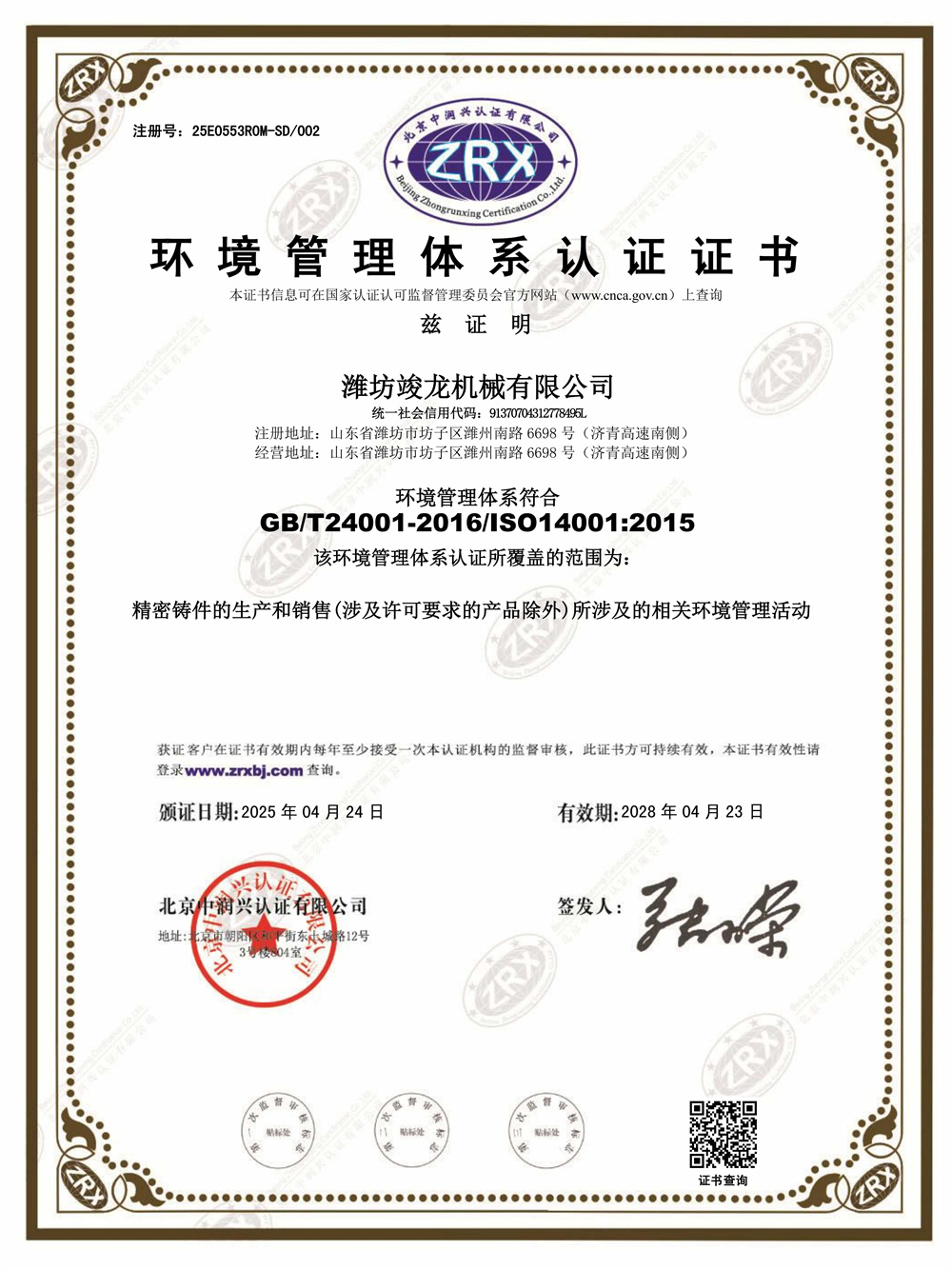
Quality assurance at JUNLONG is supported by certifications including ISO 9001, TS 16949, and UL. Process control is integrated into every step of our manufacturing workflow, from tracking heat numbers for raw metal alloy to performing post-heat treatment mechanical property testing.
Our quality control laboratory is equipped with advanced testing systems, including optical spectrometers for chemical composition analysis, tensile testing machines, Charpy impact testers, Brinell/Rockwell hardness testers, and non-destructive testing (NDT) capabilities including Magnetic Particle Inspection (MPI) and Liquid Penetrant Testing (LPT).
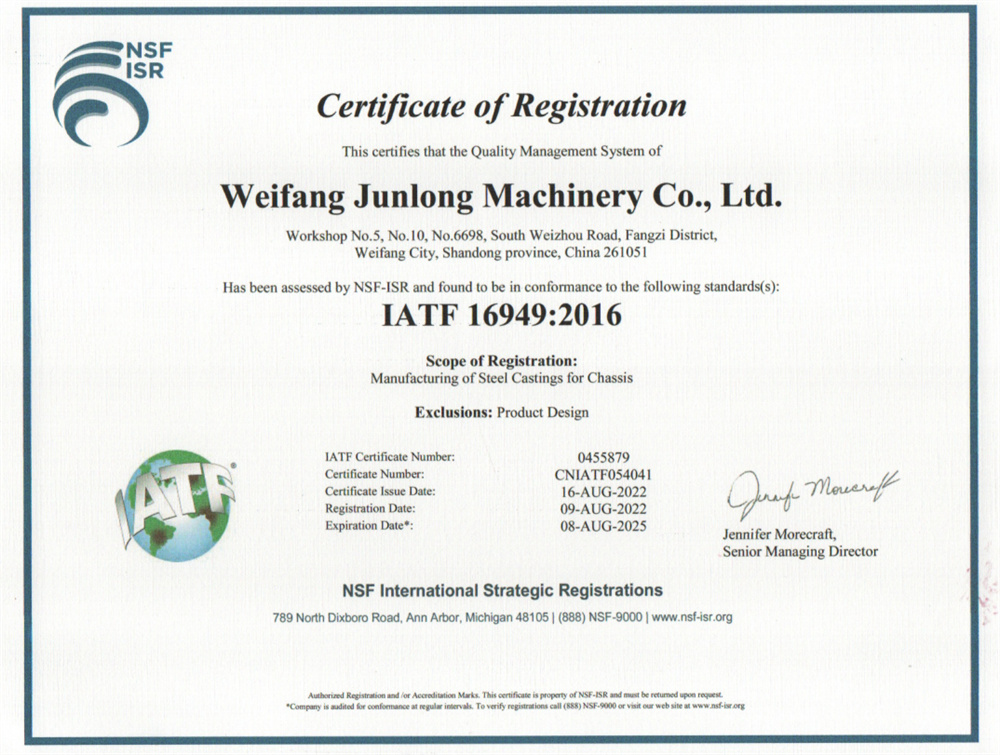
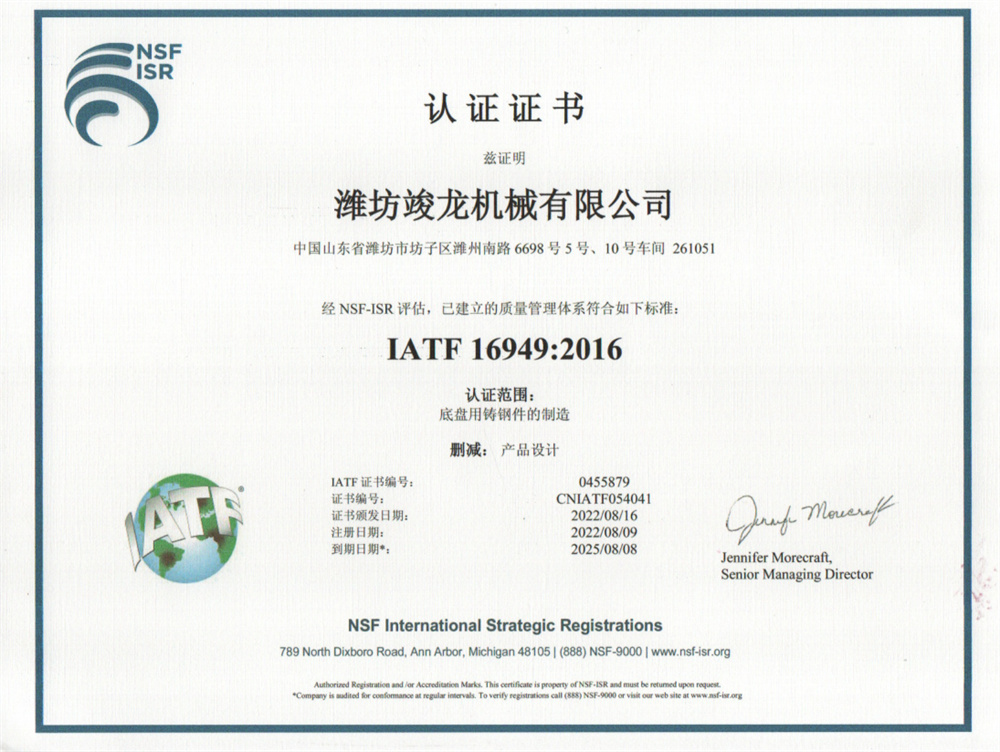

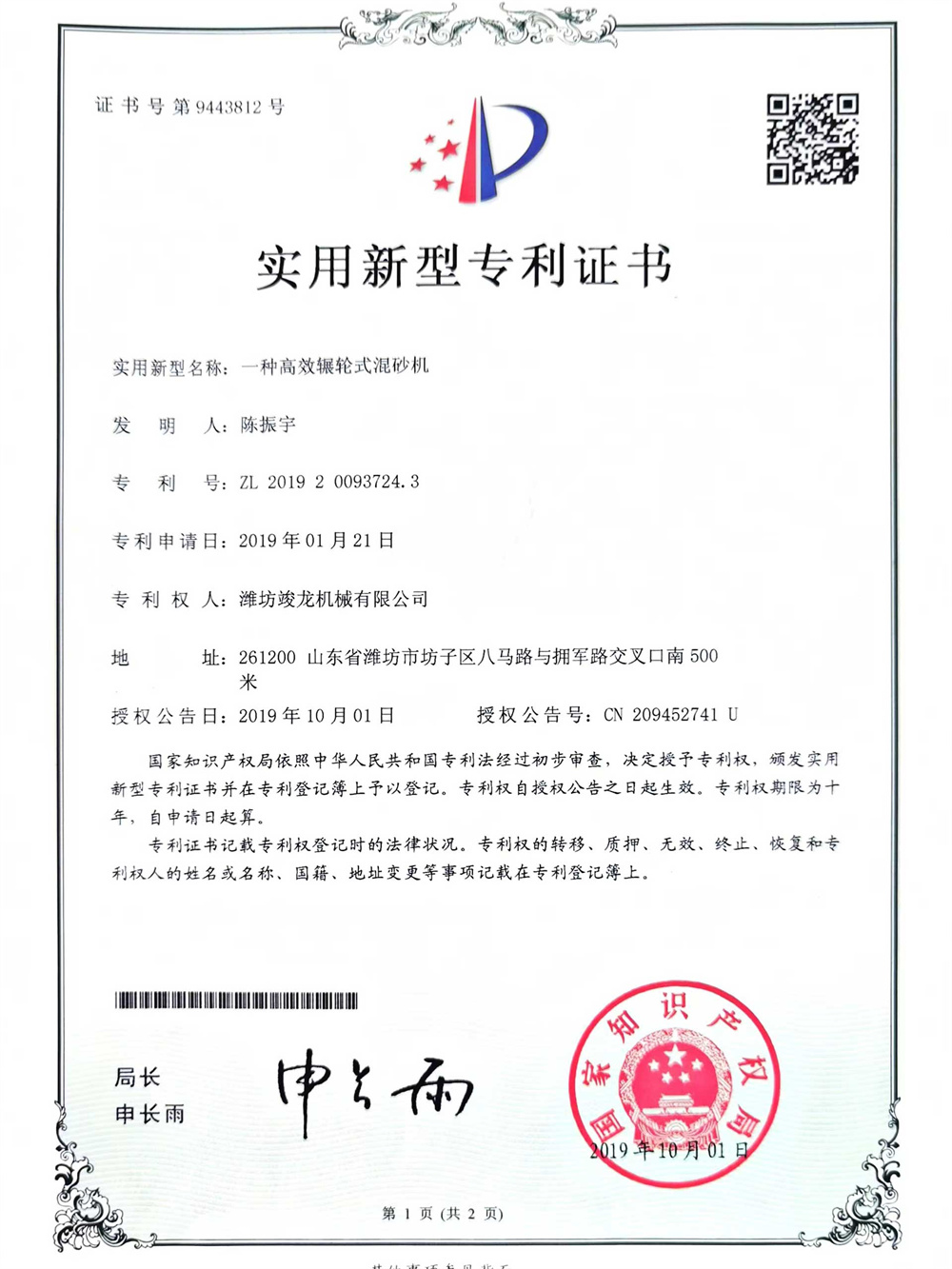
Ensuring repeatability and dimensional stability for every batch.
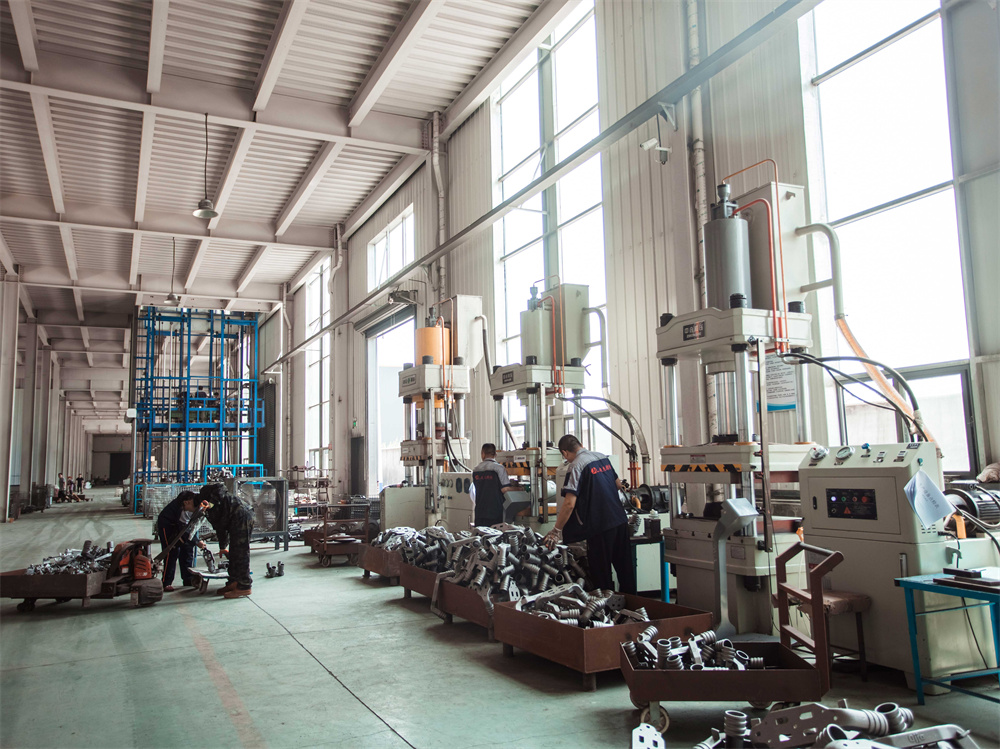
Induction Melting Furnace
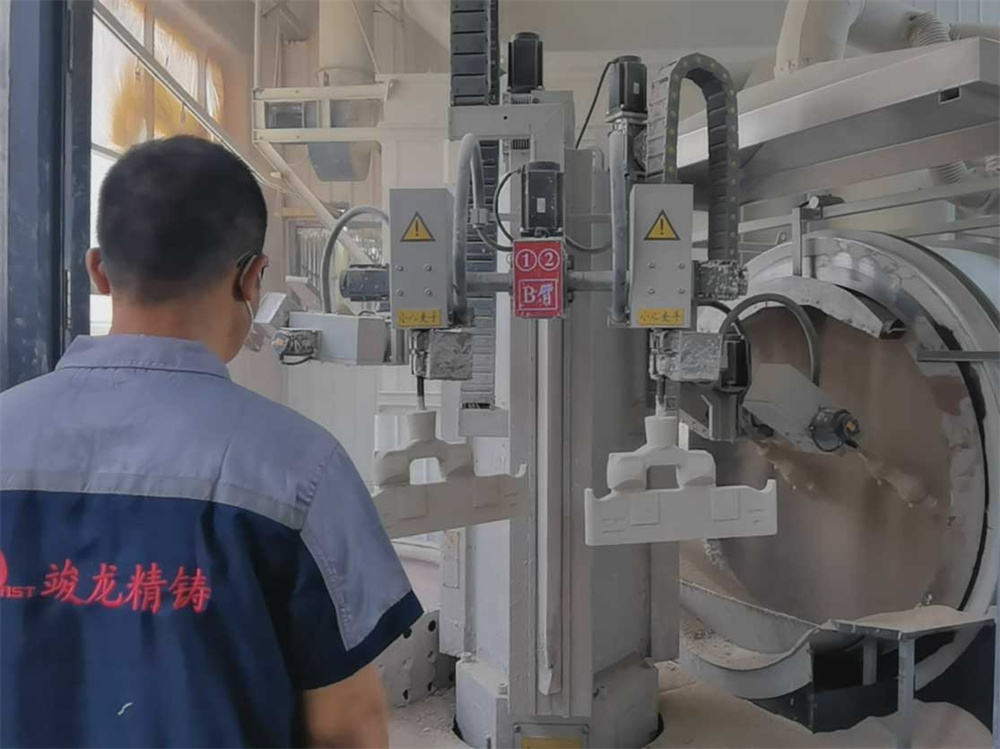
Automated Shell-Building Line
Optical Spectrometer Lab
Vertical CNC Machining Center
High-Precision CNC Lathes
Precision Boring Machines
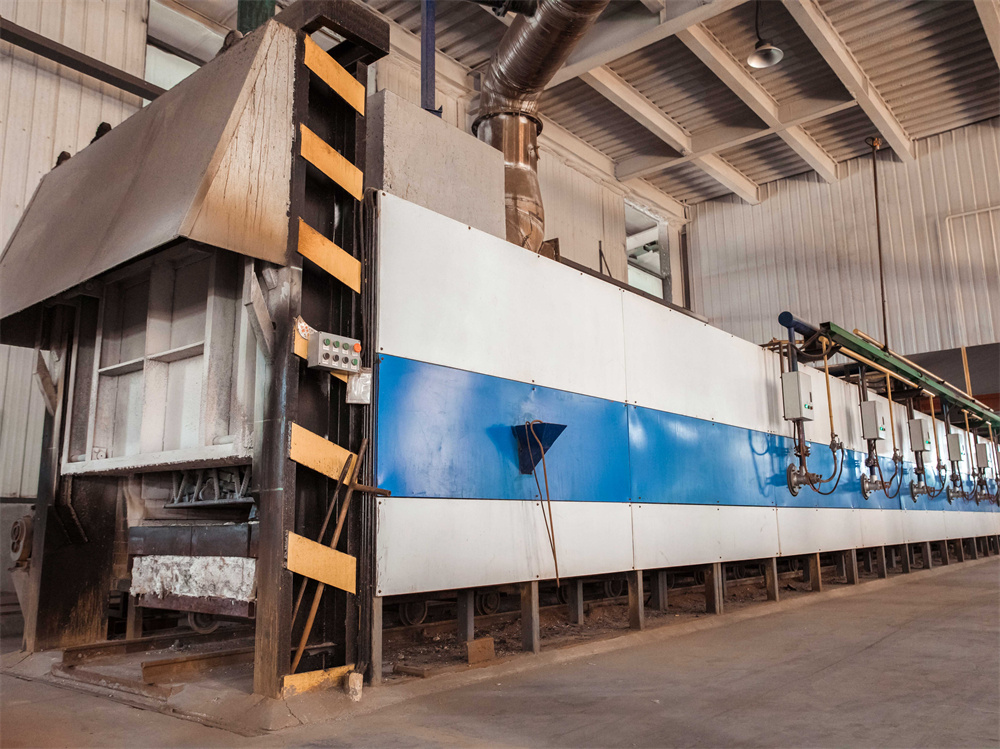
Annealing & Tempering Kilns
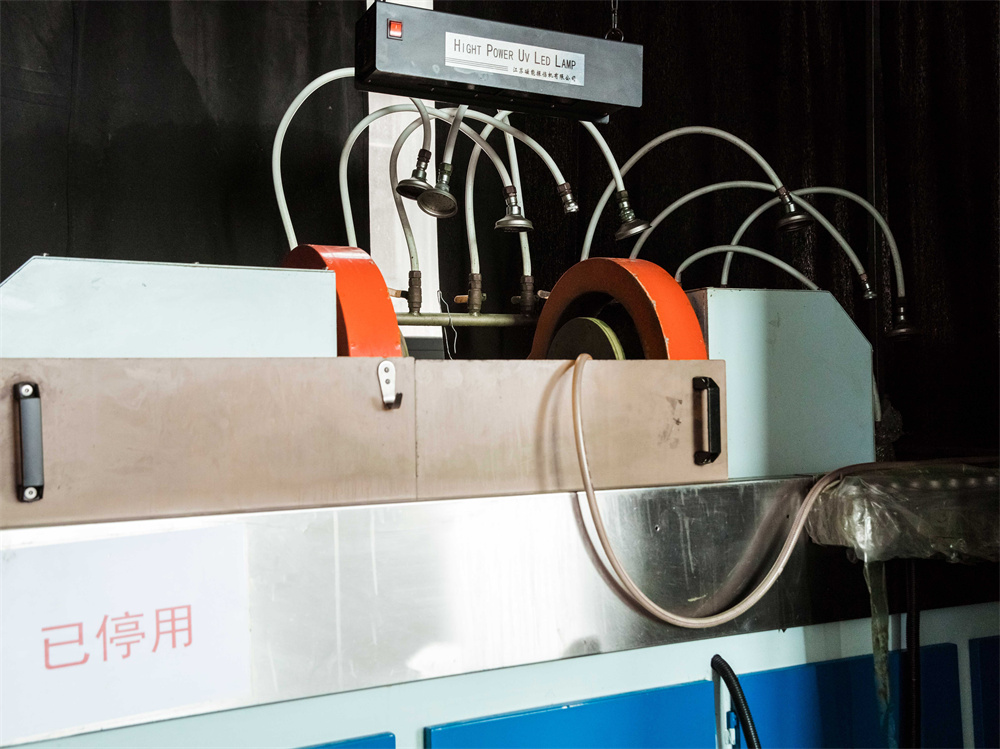
Continuous Shot Blasting
High-Precision CMM Station
Final QA Inspection Line
How our vertical integration drives quality, consistency, and lead-time reductions.
Many traditional B2B casting buyers suffer from logistical fragmentation, working with one supplier for casting, another for rough machining, and a third for heat treatment and testing. This approach can introduce risk, complicate traceability, and increase lead times.
JUNLONG Machinery addresses this by providing a unified, single-point-of-responsibility manufacturing system. From initial 3D model simulation and physical tool manufacturing to molten steel casting, heat treatment, CNC finishing, and surface coating, every production phase is executed in-house.
This integrated structure simplifies project tracking, guarantees complete material and dimensional traceability, and supports our commitment to providing reliable precision casting solutions.
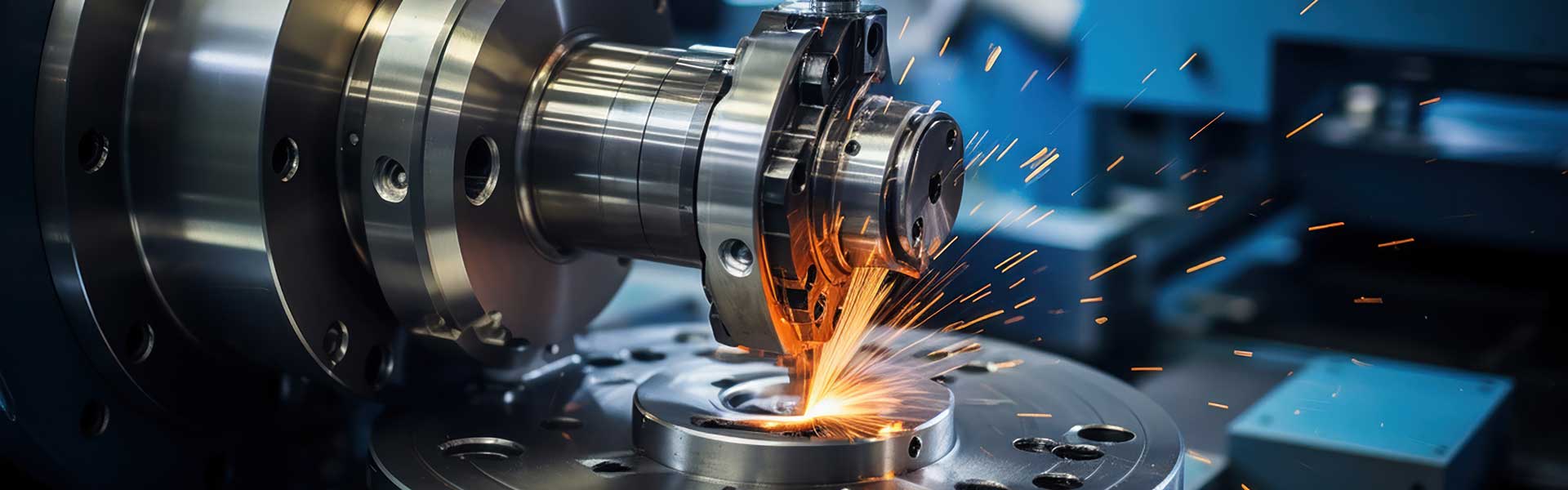
Our machining workshop features multi-axis vertical and horizontal CNC machining centers, precision boring machines, and surface grinders. By processing components under strict quality controls, we ensure that locating faces, threaded bores, and tight-tolerance bores meet your exact design requirements.
This capability minimizes the machining envelope needed on the raw cast parts, reducing overall component weight and saving material and shipping costs for our partners worldwide.
Common configurations optimized for high mechanical stability and long operational life.

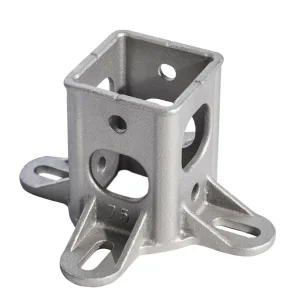
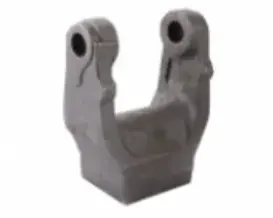
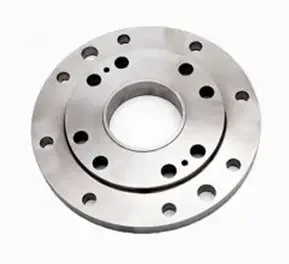
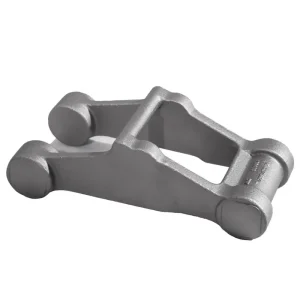
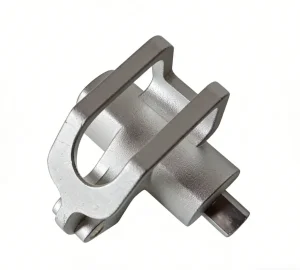
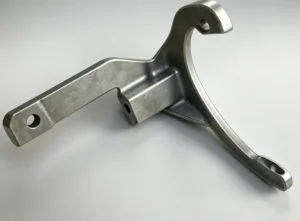
High-precision investment cast machinery parts featuring tight dimensional tolerances, smooth surface finishes, and consistent mechanical properties tailored to custom drawings.
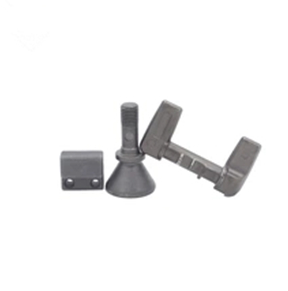
Utilizing silica sol and lost-wax technologies to produce complex structures, reducing secondary machining and assembly operations.
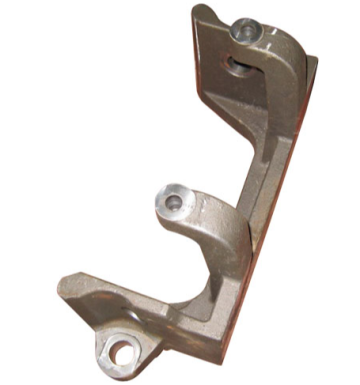
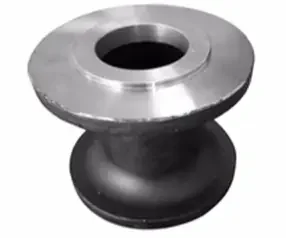
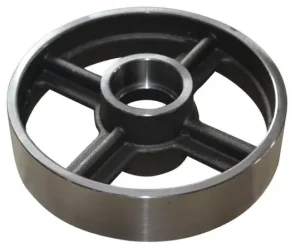
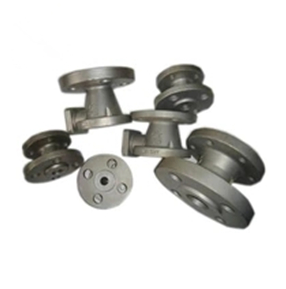
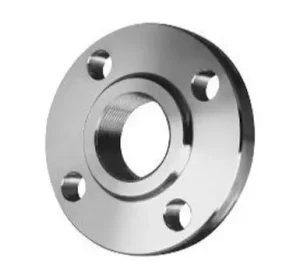
High-pressure, corrosion-resistant cast pump impellers, valve bodies, and structural covers using alloy and stainless steel.
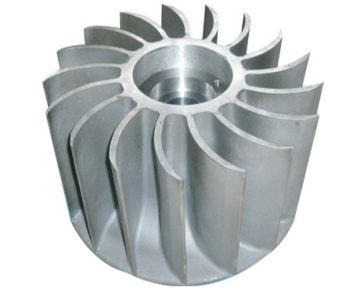
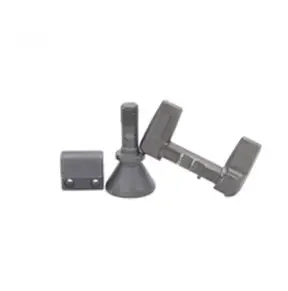
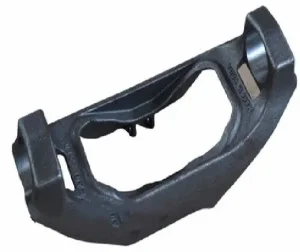
Heavy-duty steering components, linkages, and structural forklift joints engineered for wear resistance under dynamic loads.
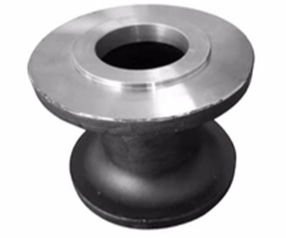
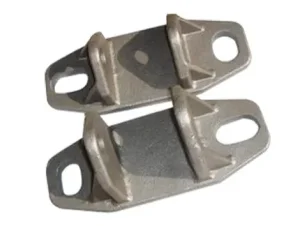
General industrial carbon steel structural castings, featuring optimal weldability and tensile strengths for framing systems.
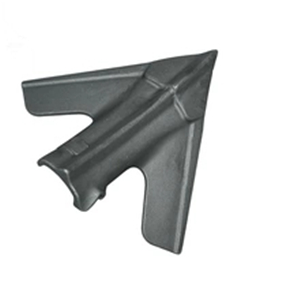
Durable seed drills, harvester gears, and plow points optimized for toughness and shock resistance in demanding field conditions.
Key specifications, manufacturing tolerances, and quality verification checklist.
Procuring custom castings requires aligning technical specifications to prevent downstream quality issues. When evaluating a foundry for custom machinery parts, procurement teams should prioritize the following parameters:
Our quality verification procedures are designed to meet these B2B requirements. We provide dimensional inspection layouts (measured via CMM), mechanical testing reports (yield strength, tensile strength, elongation, and Charpy impact energy), and chemical composition spectrographs with every shipment.
This level of documentation supports your quality management system and ensures that incoming parts are ready for immediate assembly or secondary processing. By establishing clear inspection standards at the start of tooling design, we help partners maintain low rejection rates and reliable product performance.
Whether you require custom dimensions, specific alloy grades, or fully machined ready-to-assemble components, our engineering team is here to assist with design optimization and production scaling.
Common inquiries regarding lead times, tolerances, materials, and custom specifications.
Using silica sol investment casting technology, we routinely achieve dimensional tolerances conforming to ISO 8062-3 DCTG6 to DCTG8. For critical dimensions requiring tighter tolerances (such as mating bores, bearing locations, and threaded holes), we perform secondary processing in our CNC machining workshop, achieving dimensional tolerances down to ±0.01 mm.
We work with a variety of ferrous metal alloys, including:
Every melt is verified by spectrographic chemical testing to ensure compliance with ASTM, DIN, or JIS standards before pouring.
Our tooling design and fabrication cycle takes approximately 15 to 21 days, depending on the complexity of the part. Once the tooling is complete, we produce and deliver initial sample castings (First Article Inspection) along with dimensional reports and material certifications within 7 to 10 days for client validation.
We use a combination of non-destructive testing (NDT) methods. For surface and near-surface defect detection, we perform Magnetic Particle Inspection (MPI) or Liquid Penetrant Testing (LPT). For heavy-section structural parts, we offer Ultrasonic Testing (UT) or Radiographic/X-Ray Testing (RT) through certified testing partners to ensure zero internal shrinkage or gas porosity.
Yes. We provide complete heat treatment options to meet mechanical requirements, including normalizing, annealing, quenching, tempering, and solution annealing. Surface finishing capabilities include shot-blasting, zinc plating, hot-dip galvanizing, powder coating, painting, and passivating.
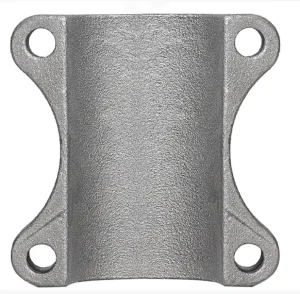
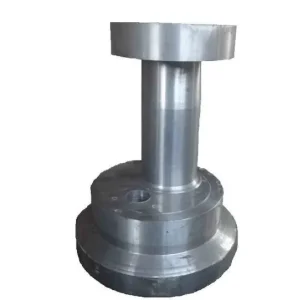
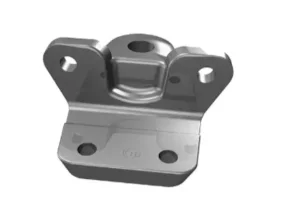
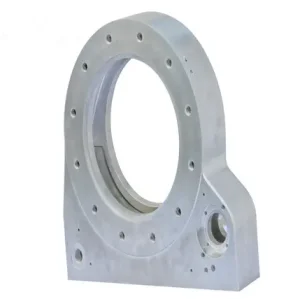
Additional engineering products manufactured to custom OEM drawings and alloy requirements.
 Junlong