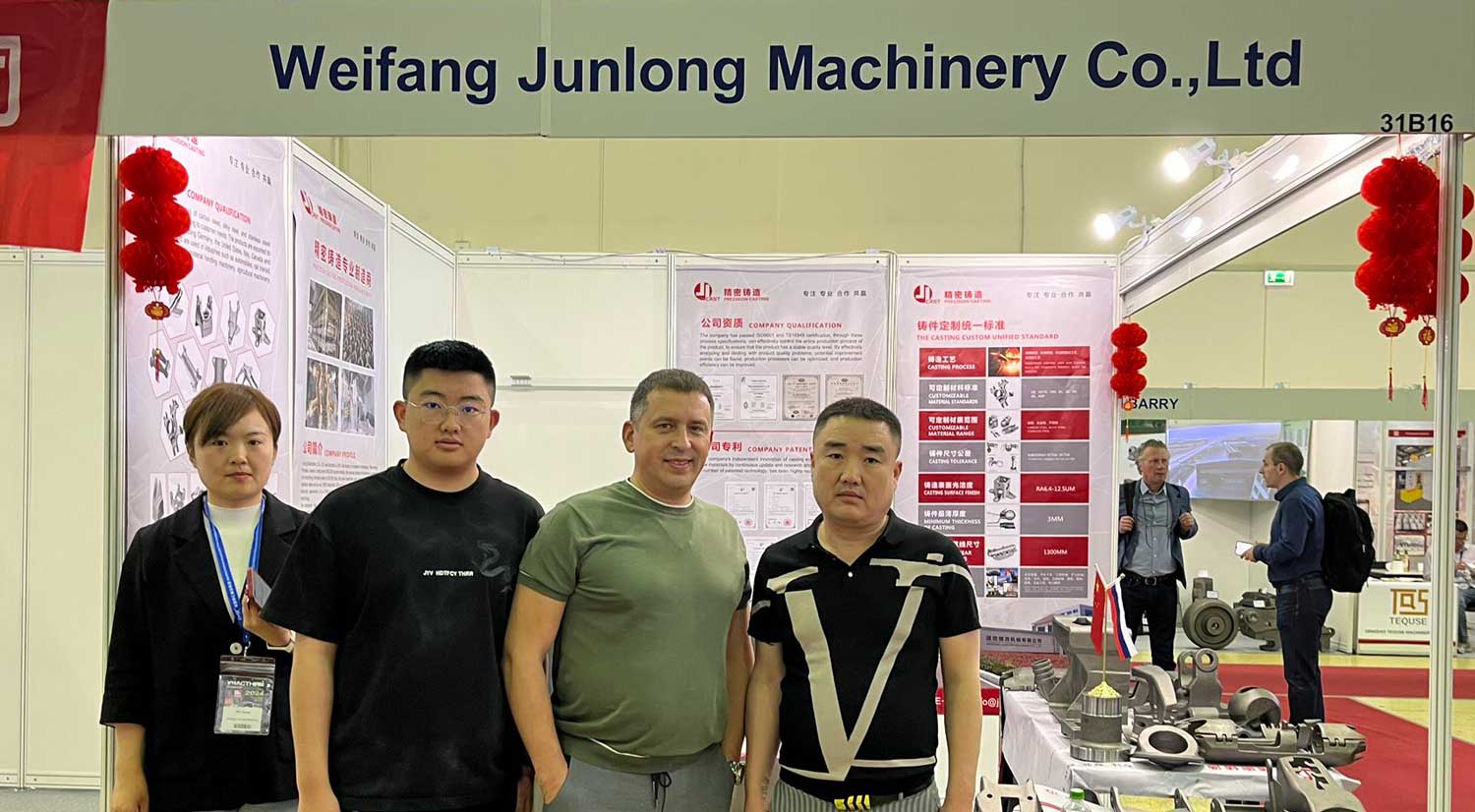
Explore our foundational range of heavy machinery castings, custom alloy fittings, and high-strength industrial hardware engineered to stringent tolerances.
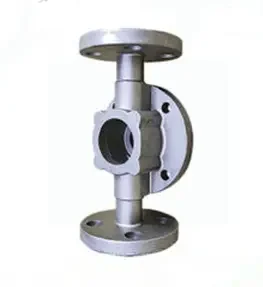
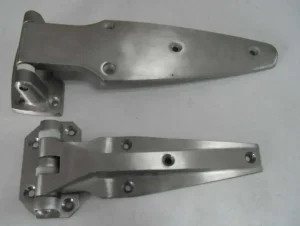
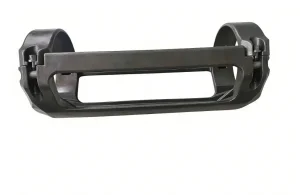
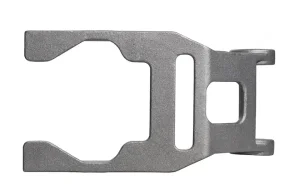
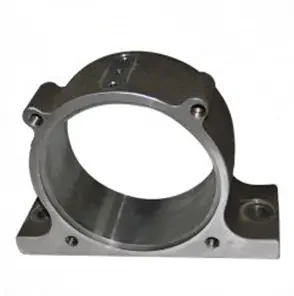
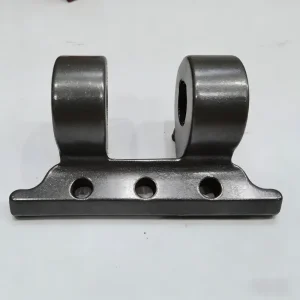
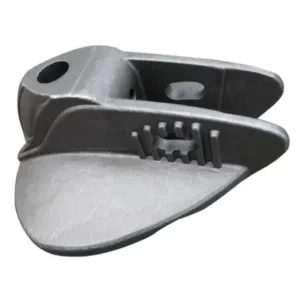
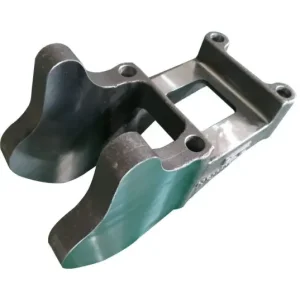
In modern industrial applications, the demands placed on mechanical components are higher than ever before. Heavy machinery utilized in construction, maritime navigation, oil extraction, and transit infrastructure operates under extreme cyclic loads, high temperatures, and highly corrosive atmospheres. As a result, global engineering procurement teams are transitioning from standard supply chains to highly integrated OEM casting partners who possess both metallurgical expertise and deep-processing mechanical capacities.
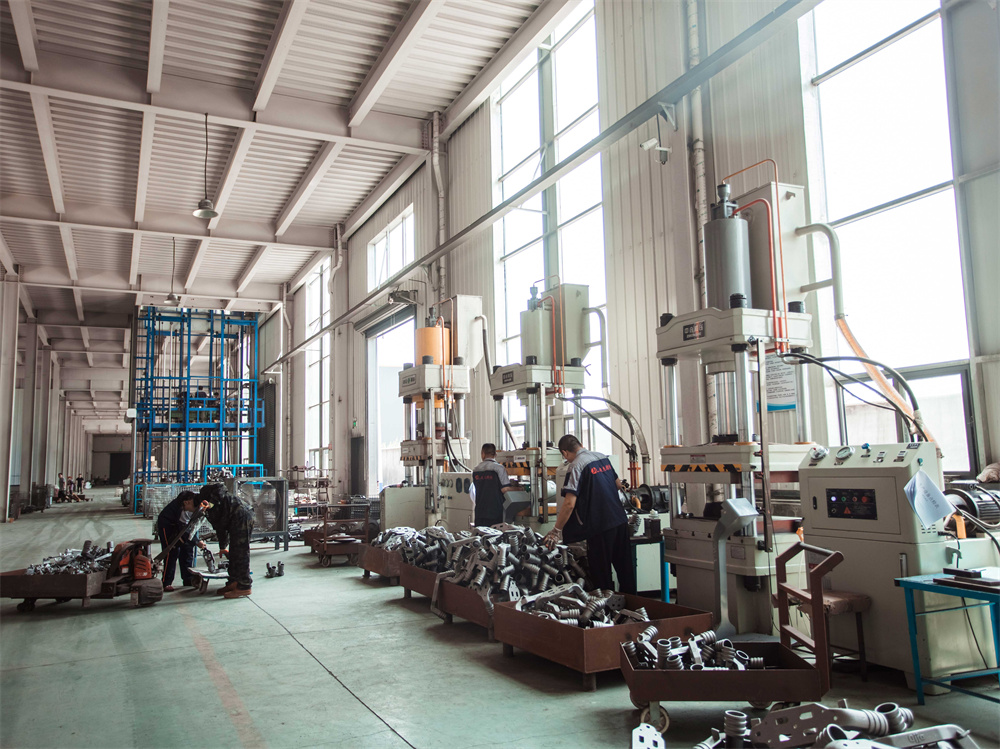
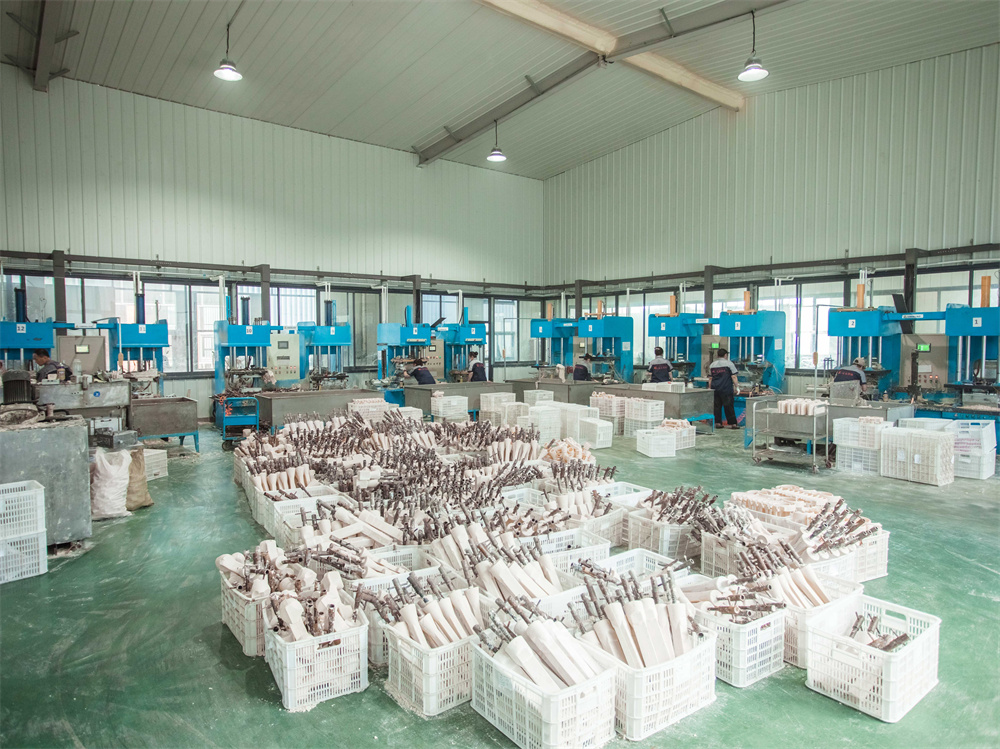
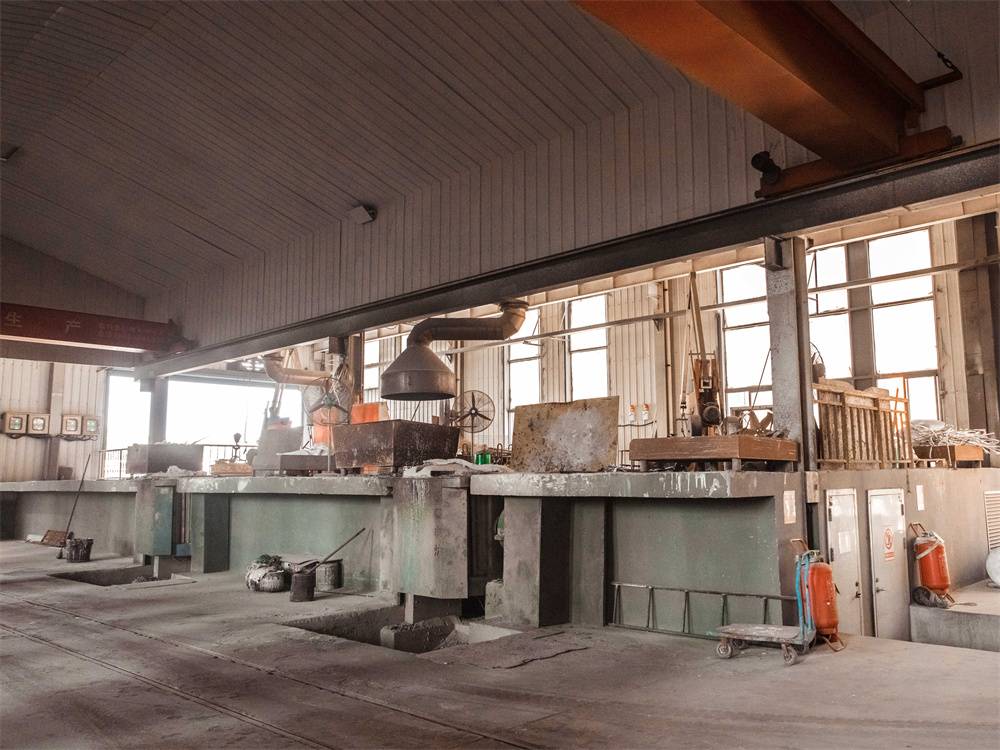
JUNLONG Machinery Co., Ltd. is positioned at the intersection of traditional metallurgy and advanced manufacturing. Established in 2014 in Weifang, Shandong—the heartland of heavy industrial manufacturing in China—we operate a world-class 60,000-square-meter facility with an annual production capacity exceeding 20,000 tons of precision castings. Our engineering competencies span from structural optimization during design phases to complex chemical compositions involving carbon steels, alloy steels, and specialized stainless steels.
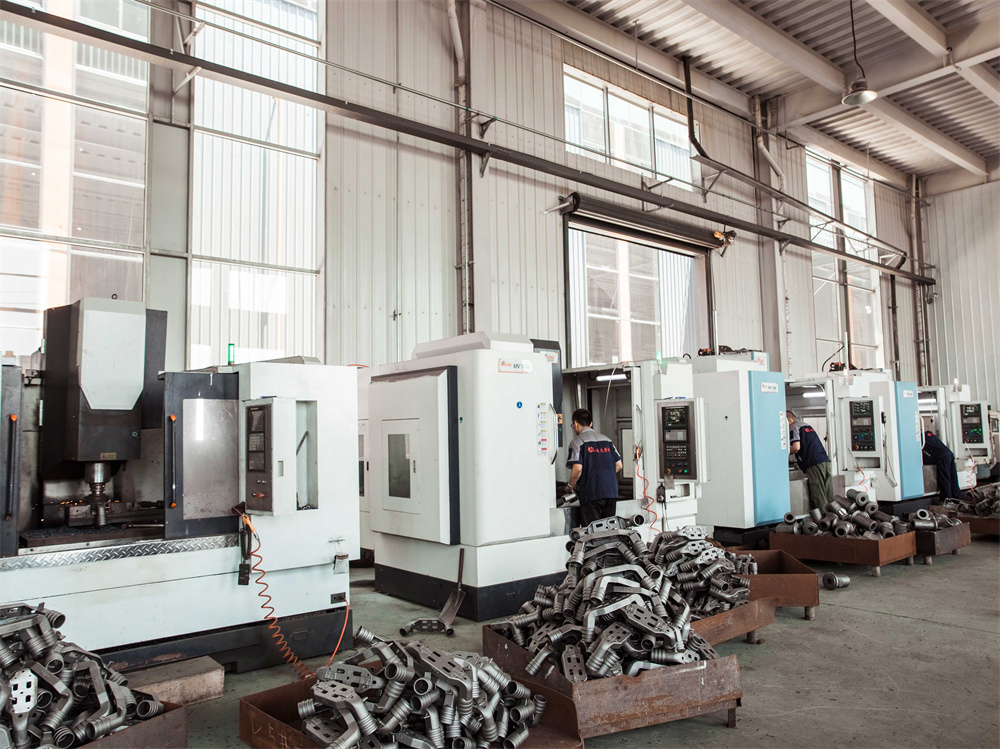
By leveraging lost wax investment casting processes and high-precision CNC machining centers, we provide the global market with parts that require minimal secondary operations, guaranteeing high dimensional accuracy, uniform density, and robust mechanical structures. This level of quality control ensures lower Total Cost of Ownership (TCO) and mitigates field failures for heavy equipment manufacturers across the United States, Germany, Italy, Canada, and beyond.
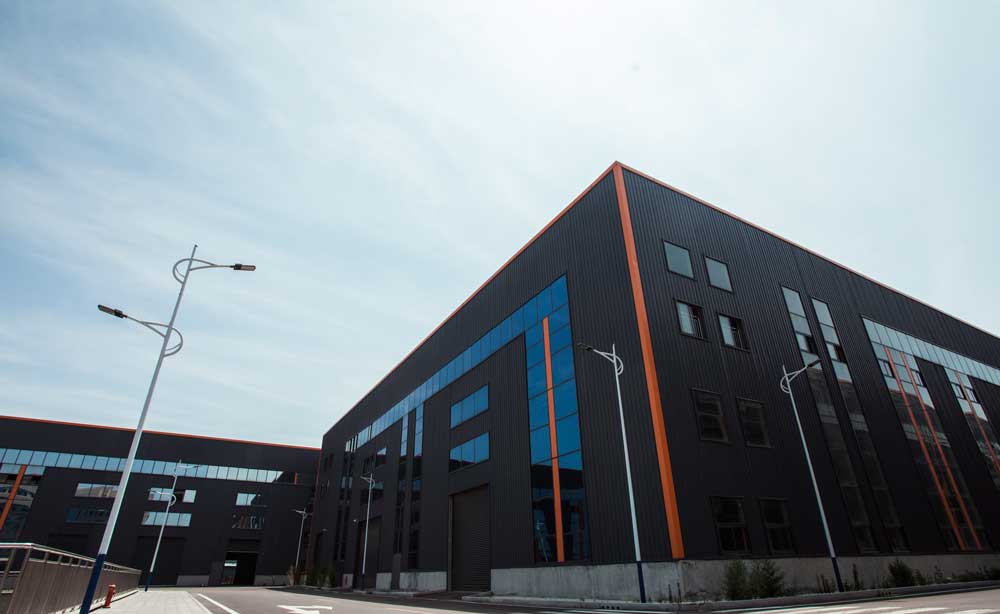
Established Since 2014
Modern Production Facility Area
Annual Casting & Machining Capacity
Understanding the technological shifts that dictate performance, environmental sustainability, and lead time reduction in high-end casting.
Modern industrial operations require tailored mechanical characteristics. Transitioning from standard cast irons to low alloy steels and high-grade stainless steels allows for weight reduction while retaining tensile strength, fatigue resistance, and impact toughness in harsh environments.
OEMs can no longer afford 6-month lead times for pilot casting molds. Incorporating 3D-printed sand molds or wax patterns accelerates initial mechanical validation, ensuring that custom machinery brackets, housings, and connectors go from design to physical test in weeks.
Managing separate vendors for raw castings, dimensional testing, precision machining, and surface coatings introduces quality bottlenecks. Tier-1 buyers are demanding fully integrated manufacturers capable of delivering ready-to-assemble components straight to the production line.
In the heavy industrial sector, minimizing machining allowance is key to reducing material waste and cycle times. Lost wax investment casting offers exceptional dimensional consistency (complying with ISO 8062 SF and CT standards), which ensures that components such as pump impellers, oilfield cable protectors, and automotive steering knuckles are cast close to their final dimensional state. This reduces tool wear on downstream CNC machining centers and maximizes tensile structural homogeneity throughout the finished product.
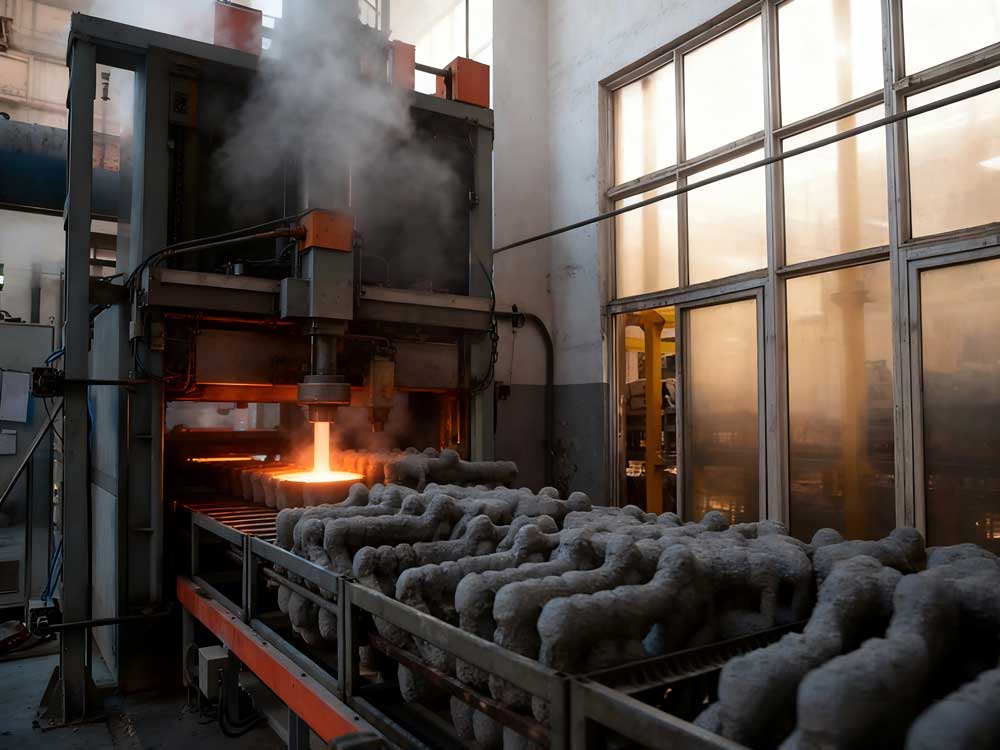
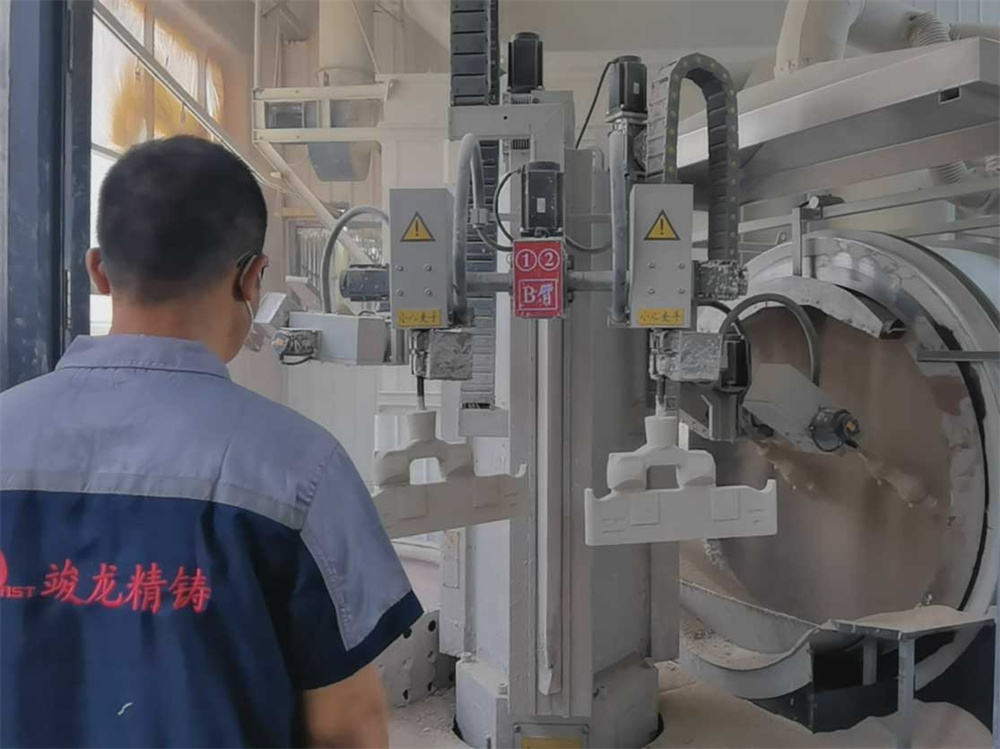
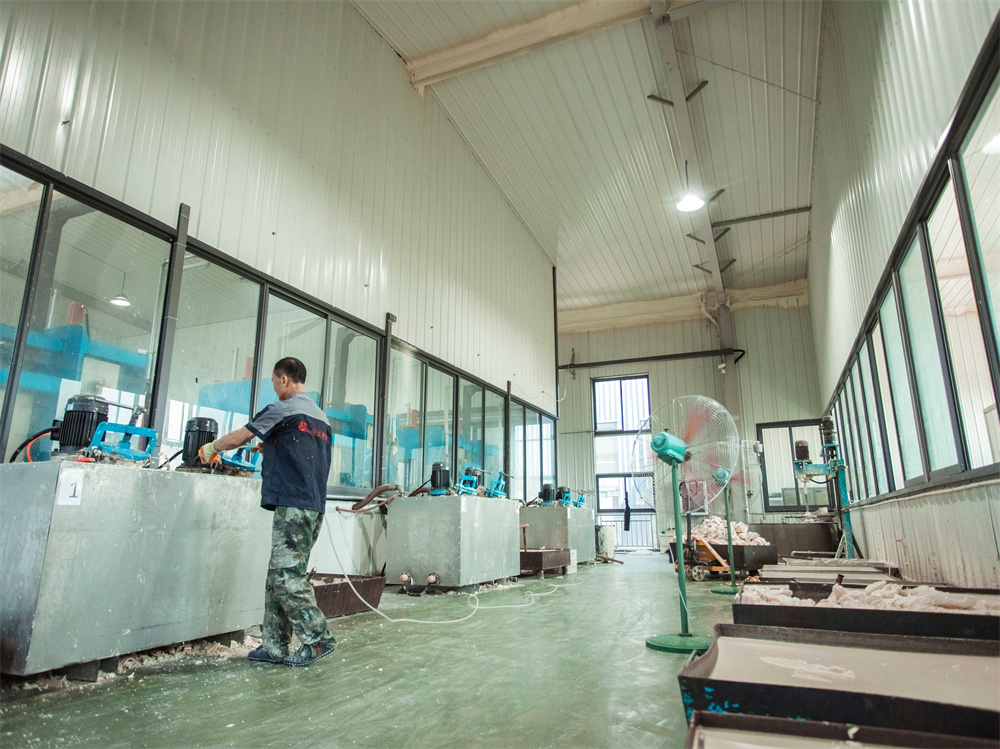
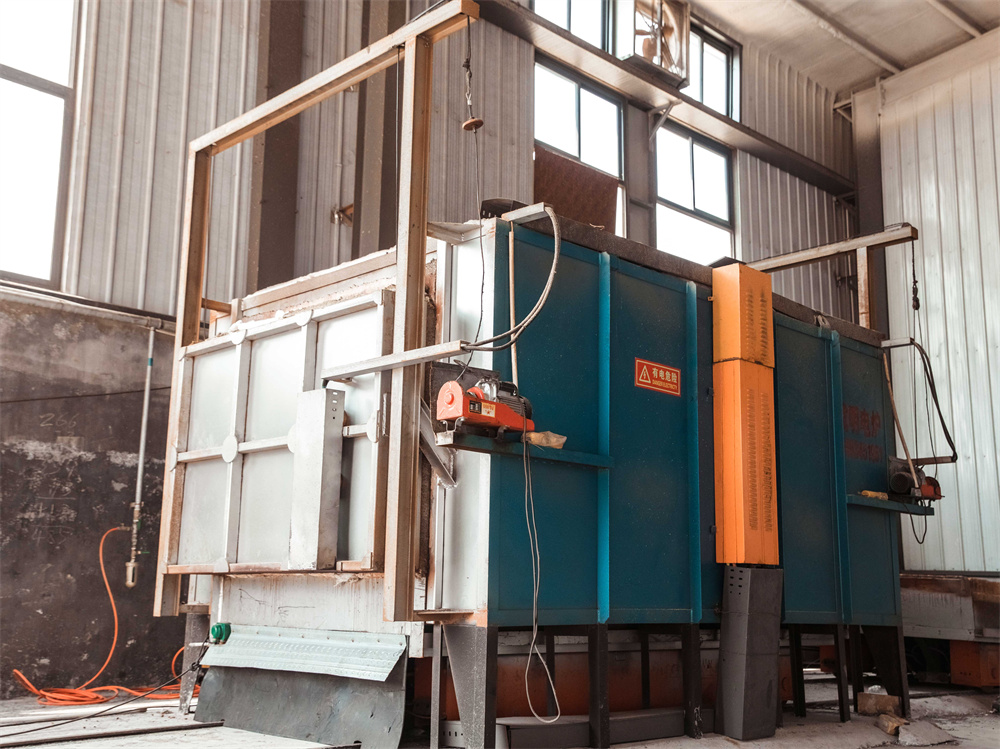
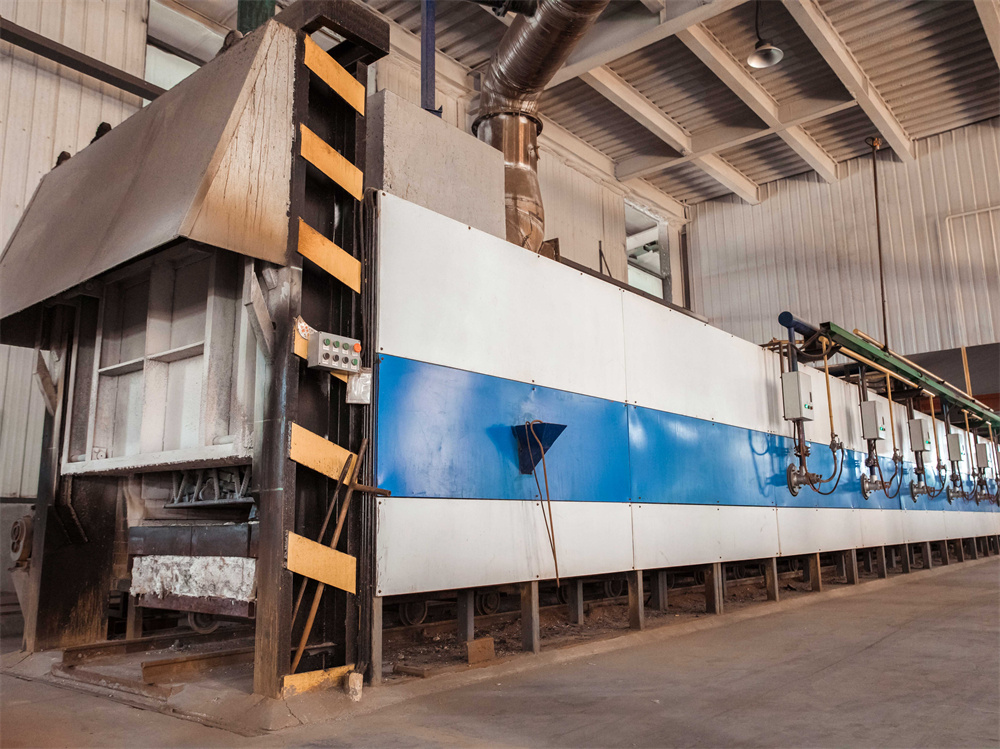
Global supply chain dynamics have highlighted the critical importance of resilience. Procurement teams are looking beyond unit pricing; they require partners with robust raw material access, energy security, and digitalized manufacturing processes. JUNLONG Machinery's facility in Shandong operates in accordance with China's Industry 4.0 guidelines, integrating automated wax injection lines, robotic shell-building networks, and computer-controlled heat treatment furnaces.
Our vertical integration incorporates every phase of the value chain:
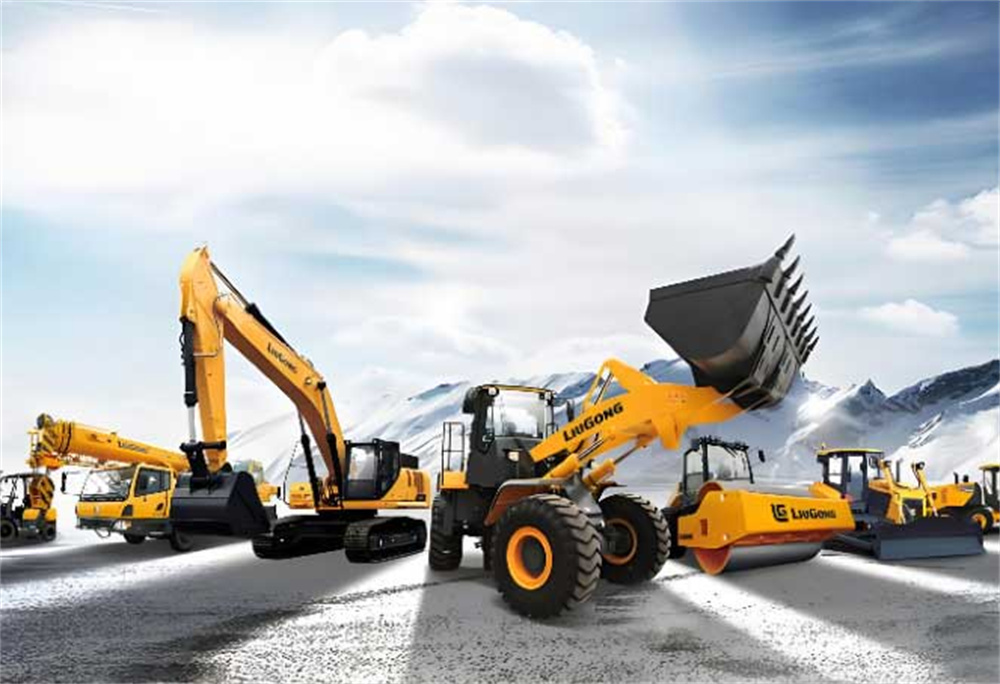
Our casting components are engineered to perform in environments where failure is not an option.
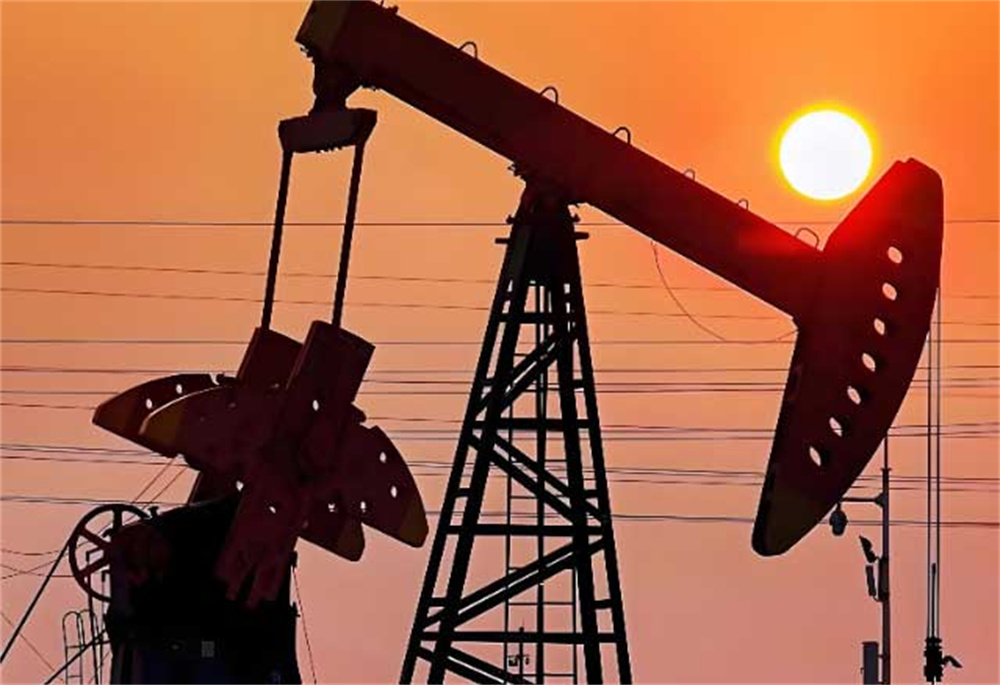
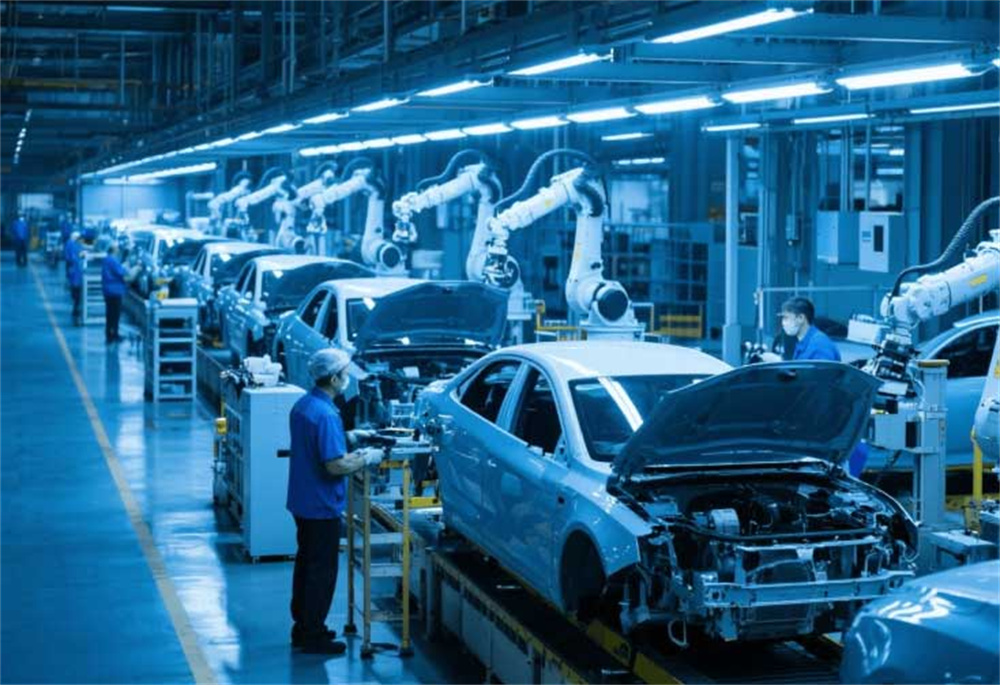
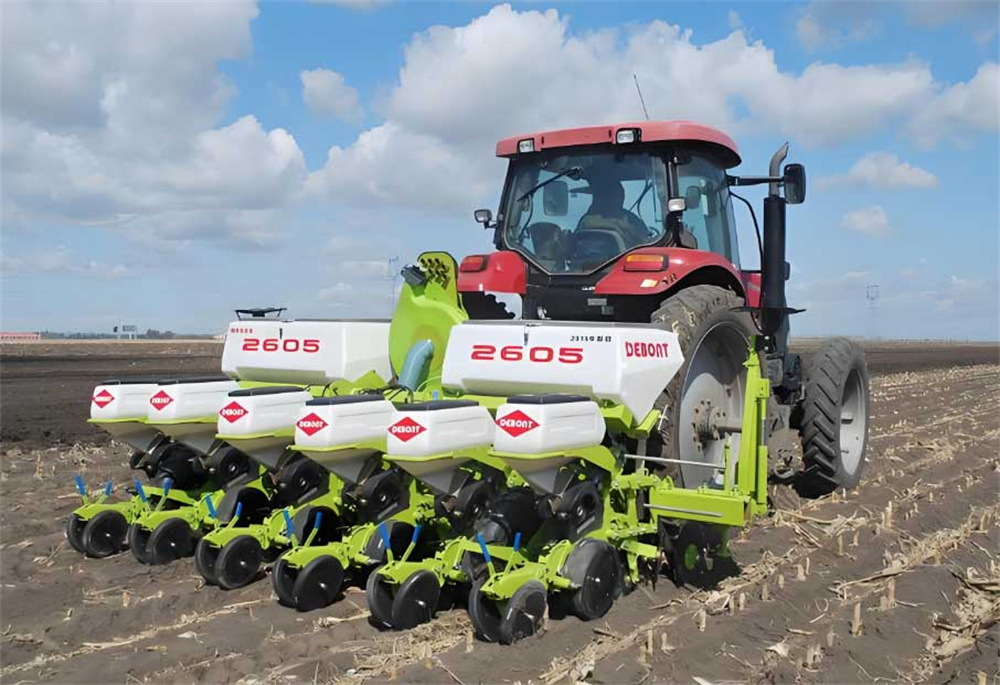
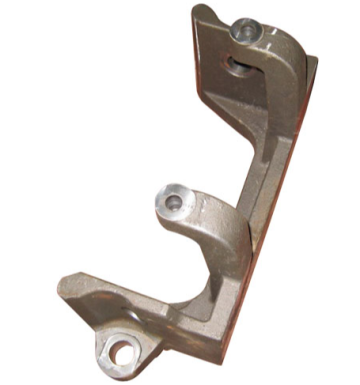
Our commitment to reliable and consistent delivery is supported by a comprehensive quality assurance infrastructure. Our production processes are closely monitored from the incoming scrap metal and raw alloys stage up to the final packaging stage.
Our internal laboratories are equipped with analytical testing instrumentation, including:

Read detailed technical answers addressing key considerations in casting sourcing, tooling life, material grades, and quality assurance.
Investment casting, or the lost wax process, utilizes ceramic molds created around wax patterns. This process offers superior dimensional tolerances (typically ISO 8062 CT4 to CT6), outstanding surface finishes (Ra 3.2 to 6.3 µm), and allows for complex geometries with thin walls. Sand casting is better suited for extremely large components that do not require complex detail or fine finishes, though it typically demands more intensive secondary machining operations.
We combine advanced MAGMA-soft mold design simulation to analyze cooling and solidification patterns with strict process controls. Prior to pouring, each melt is analyzed using spectrometers. After production, we perform non-destructive tests (NDT) such as Ultrasonic Testing (UT), Magnetic Particle Inspection (MPI), and X-Ray analysis based on customer specifications to verify internal density and integrity.
Our standard manufacturing portfolio focuses on Carbon Steel (e.g., WCB, LCC, 1020, 1045), Alloy Steel (such as 4130, 4140, 8620, 16Mn, and Cr-Mo alloys), and Stainless Steel (including Duplex, 304, 316, 316L, and martensitic grades). We accommodate custom chemistry requirements based on specific customer standards.
Typically, tooling fabrication and initial sample approval takes 3 to 4 weeks. Once samples are approved, production runs usually range from 4 to 6 weeks depending on volume, part geometry, and secondary machining steps. We offer expedited pathways for urgent prototyping programs.
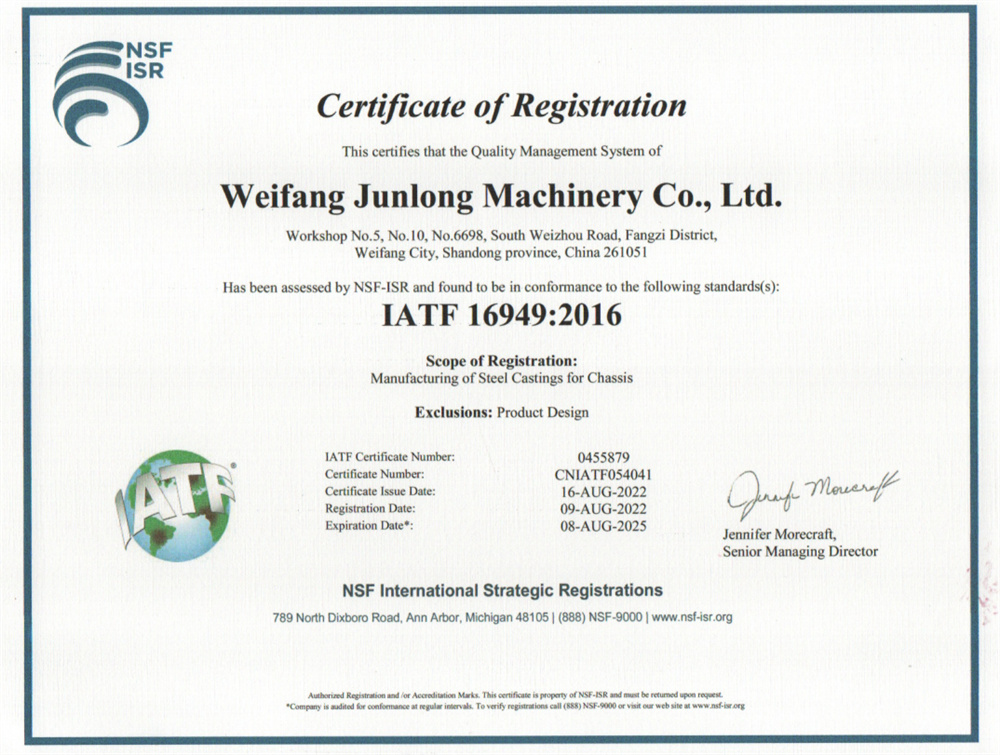
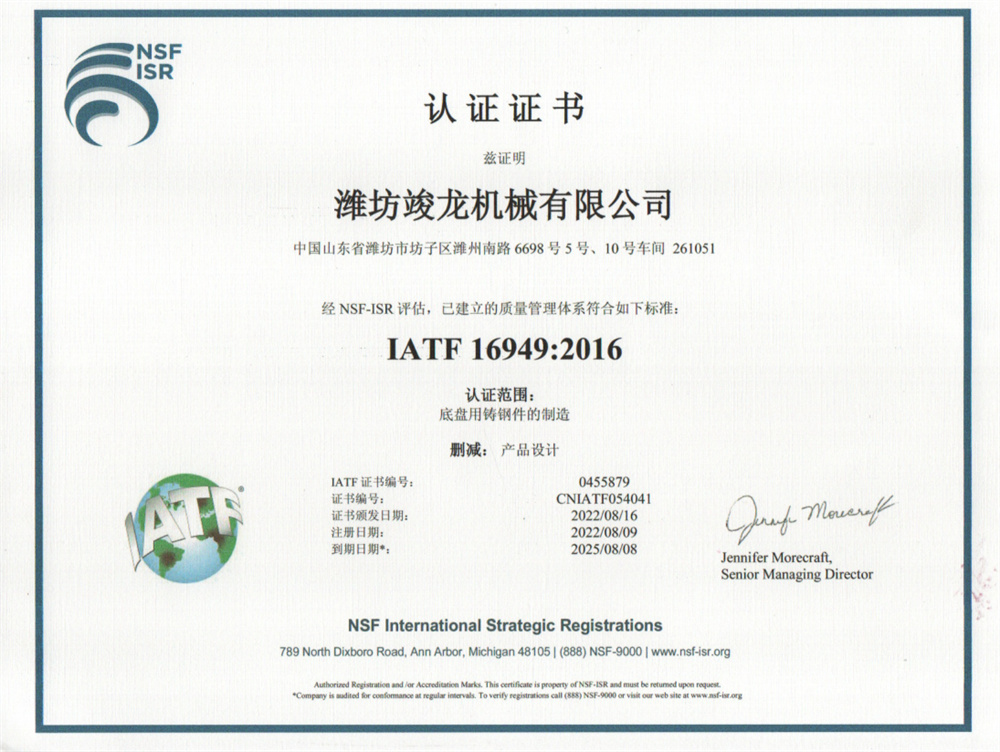
Yes. JUNLONG operates under IATF 16949 (formerly TS 16949) certifications for automotive chassis and engine assemblies, and holds ISO 9001 and UL compliance certs. We follow PPAP (Production Part Approval Process) level 3 documentation for safety-critical components, providing full traceability of heat treatments and chemical test logs.
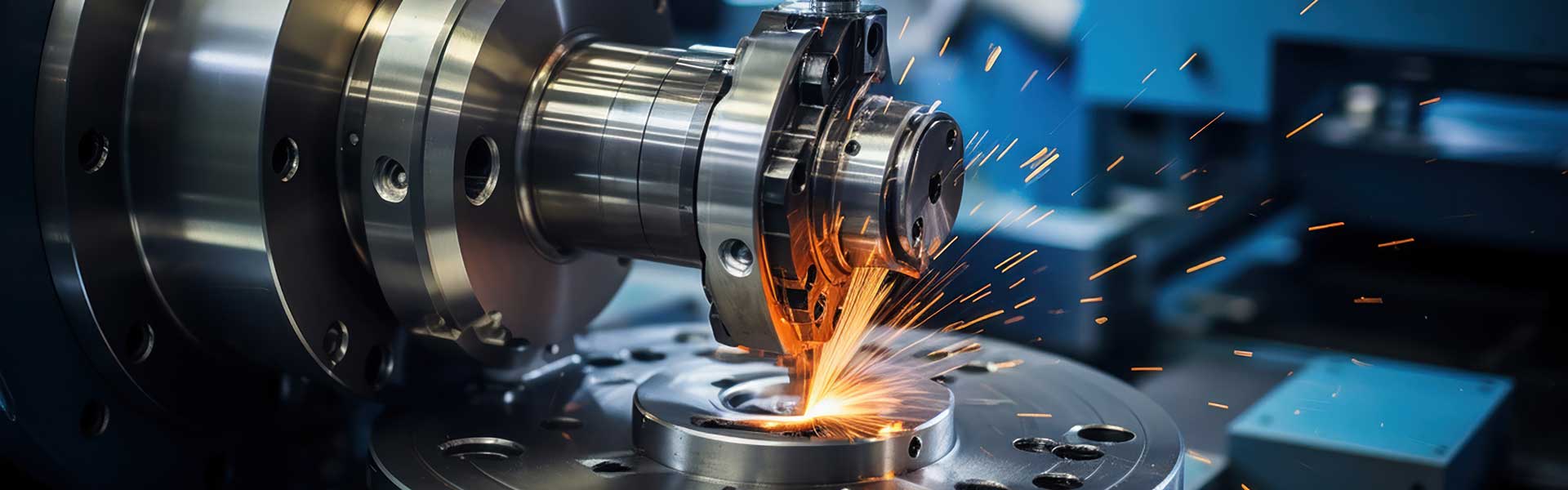
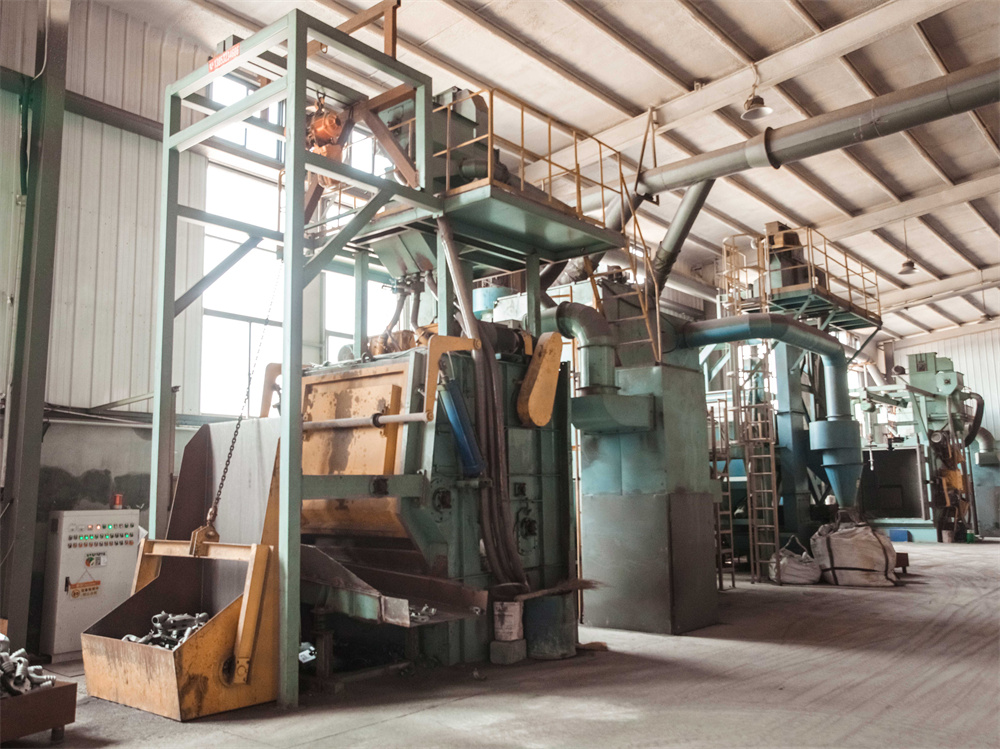
Yes, we operate a fully integrated machine shop. Our machining facilities feature horizontal and vertical CNC machining centers, precision grinders, lathes, and milling tools. This layout allows us to deliver fully finished components ready for assembly line operations, reducing procurement steps and logistics costs.
Submit your 2D/3D design specifications (STEP, IGES, PDF) to our engineering department. Our design team will review your project and provide a cost analysis, tooling assessment, and design optimization suggestions.
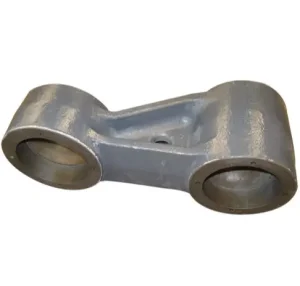
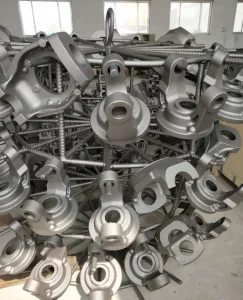
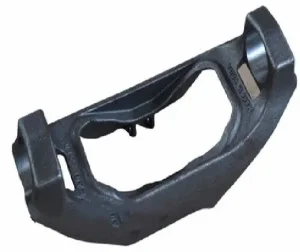
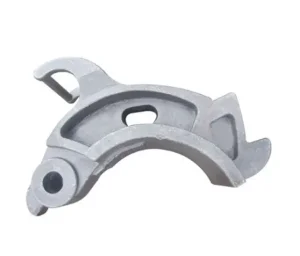
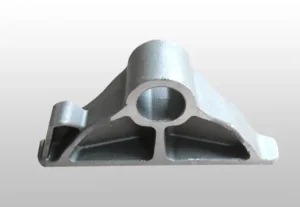
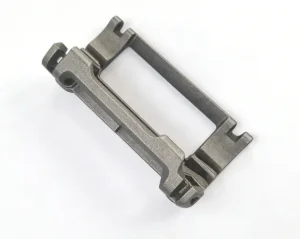
Review our specialized selection of precision machined castings designed for logistics, maritime structures, high-strength commercial transportation, and petroleum industries.
 Junlong