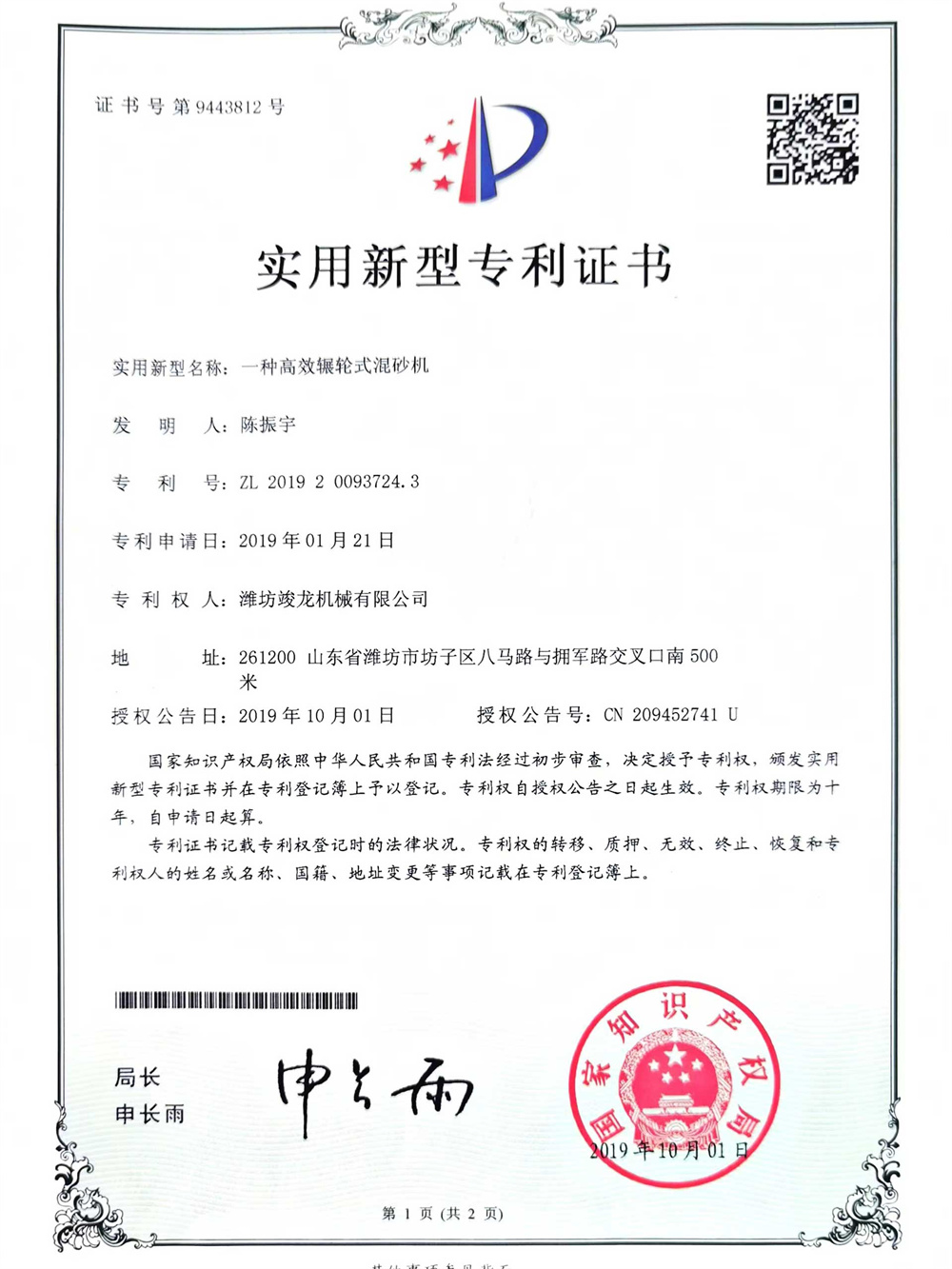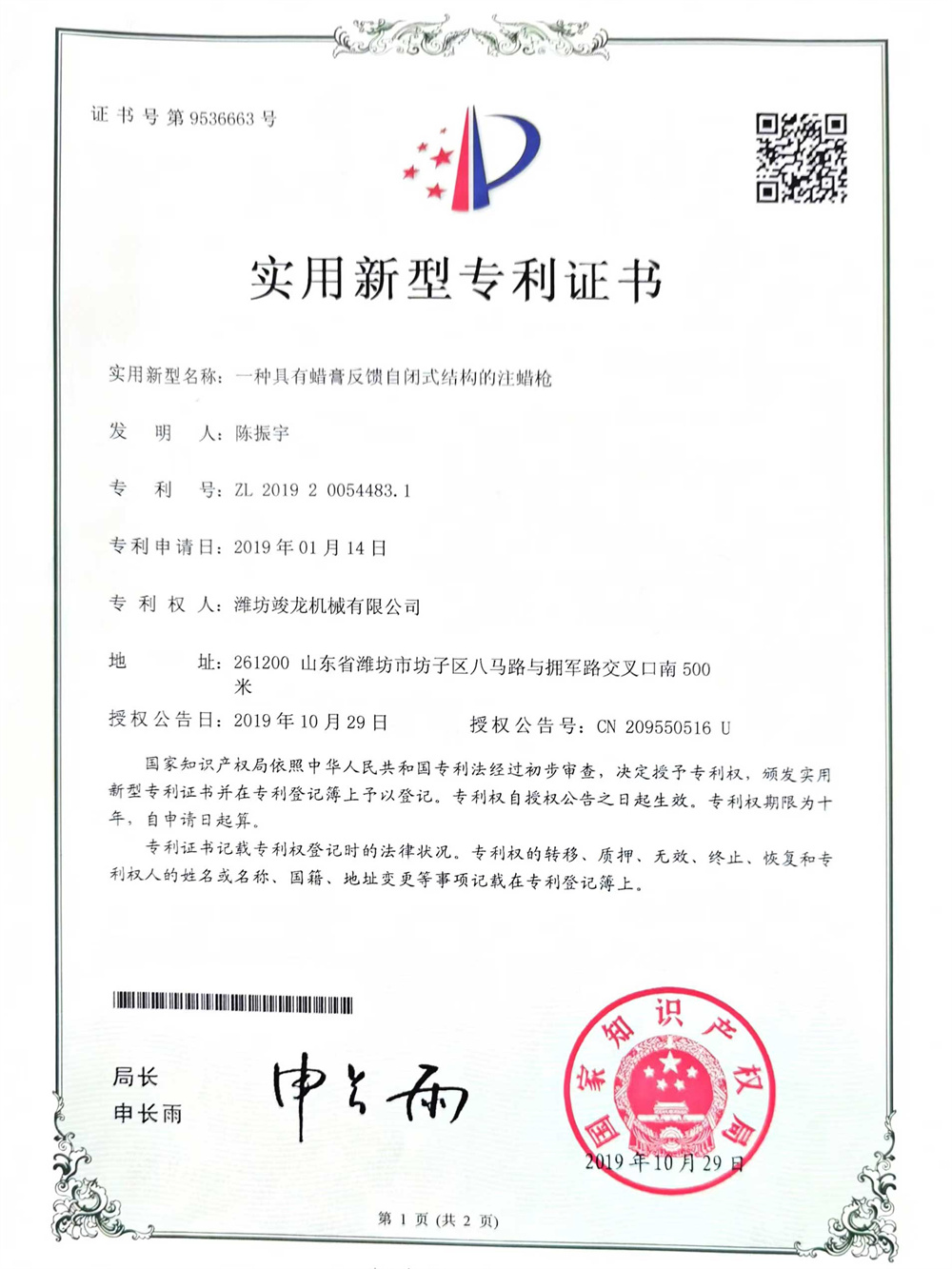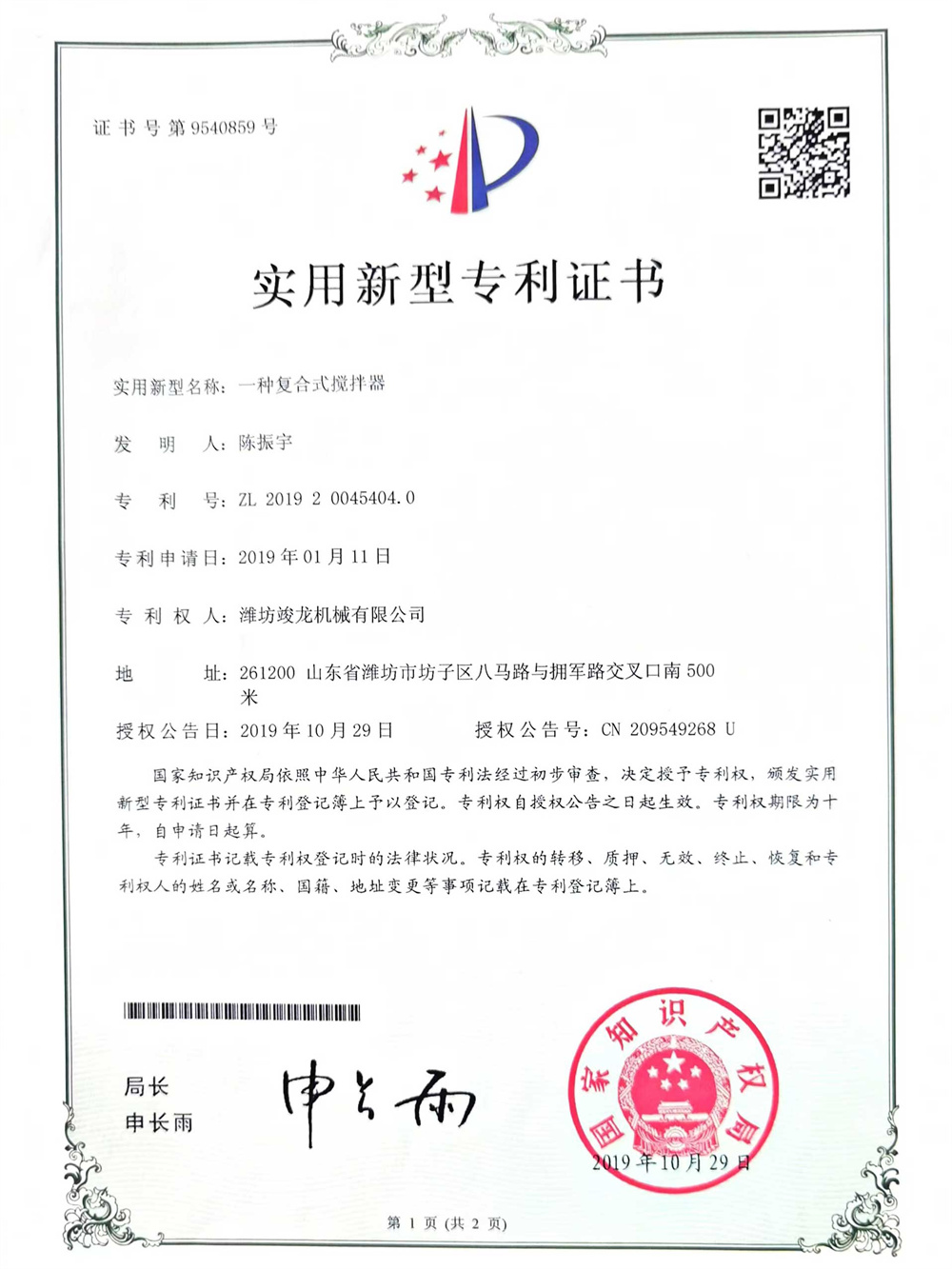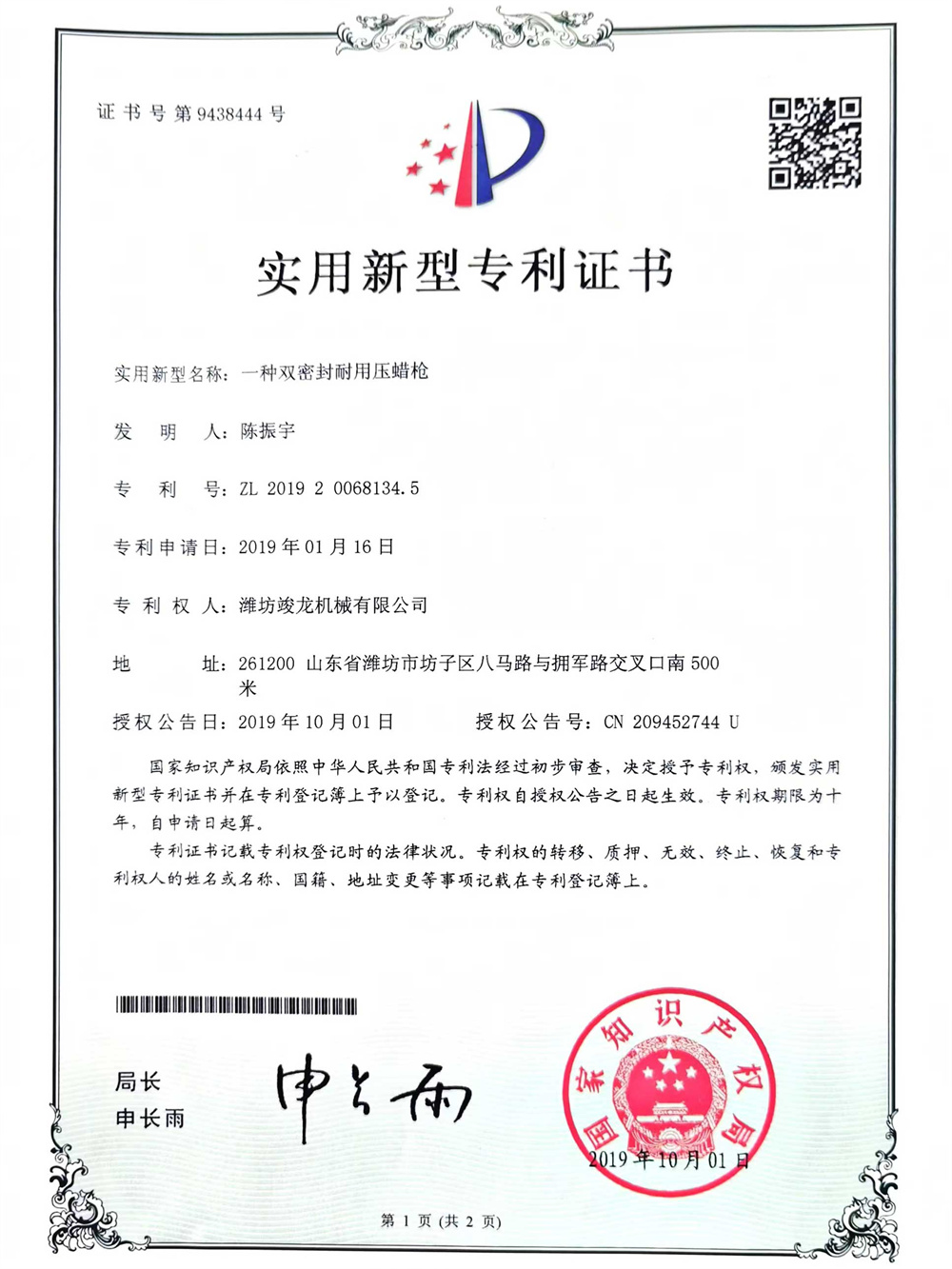
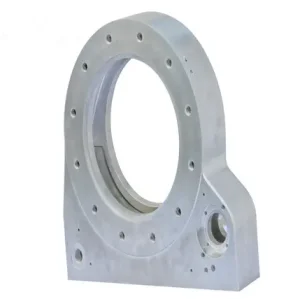
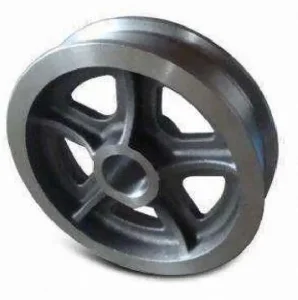
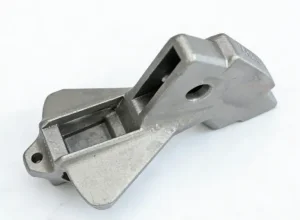
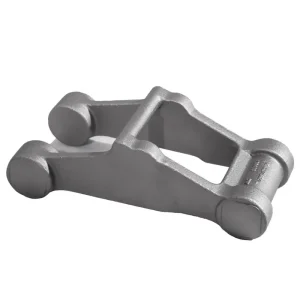
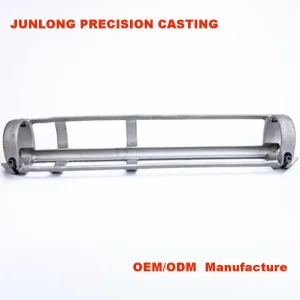
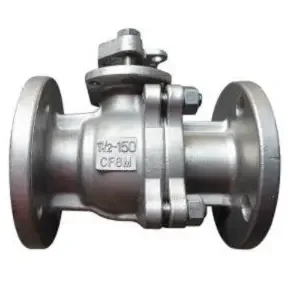
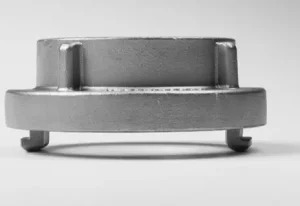
The contemporary automotive sector is undergoing a profound paradigm shift driven by requirements for rapid lightweighting, electrification, and unparalleled component durability. Today's Tier-1 suppliers and global OEMs are transitioning away from heavy weldments and complex multi-part subassemblies, replacing them with near-net-shape, complex-geometry components produced through advanced investment casting (commonly referred to as the lost wax process).
By Utilizing silica sol and high-grade carbon, alloy, and stainless steels, investment casting offers exceptional structural integrity. Critical automotive systems such as engine manifolds, turbocharger impellers, suspension brackets, brake components, and steering knuckles require high fatigue life and resistance to extreme thermal stresses. Precise, dimensionally stable castings minimize machining overhead, lower Total Cost of Ownership (TCO), and guarantee compliance with strict NVH (Noise, Vibration, and Harshness) metrics.
"To succeed in modern automotive procurement, suppliers must offer more than just raw foundry output. They must provide integrated engineering partnerships, ensuring zero-defect processes validated by rigorous simulation, testing, and continuous quality audits."
At JUNLONG Machinery, our integrated approach connects component design optimization, FEA (Finite Element Analysis) verification, metallurgy controls, precision machining, and surface treatment into a single, fully traceable supply chain loop.
Founded & Developing Manufacturing Excellence
Total Facility Operating Area
Annual Production Capacity of Precision Components
Modern global automotive brands demand early supplier involvement (ESI). Foundries must collaborate using 3D modeling and solidification simulation tools (such as MAGMASoft) to identify internal porosity risks, structural weak points, and hot spots prior to mold building. This minimizes engineering changes and shortens critical validation timelines.
Strict structural performance metrics require absolute control over alloy compositions. Sourcing requirements stipulate full heat traceability, regular spectrometer analysis, and rigorous physical property verification—including tensile, yield, hardness, and low-temperature impact tests—to meet international designations (ASTM, DIN, JIS, ISO).
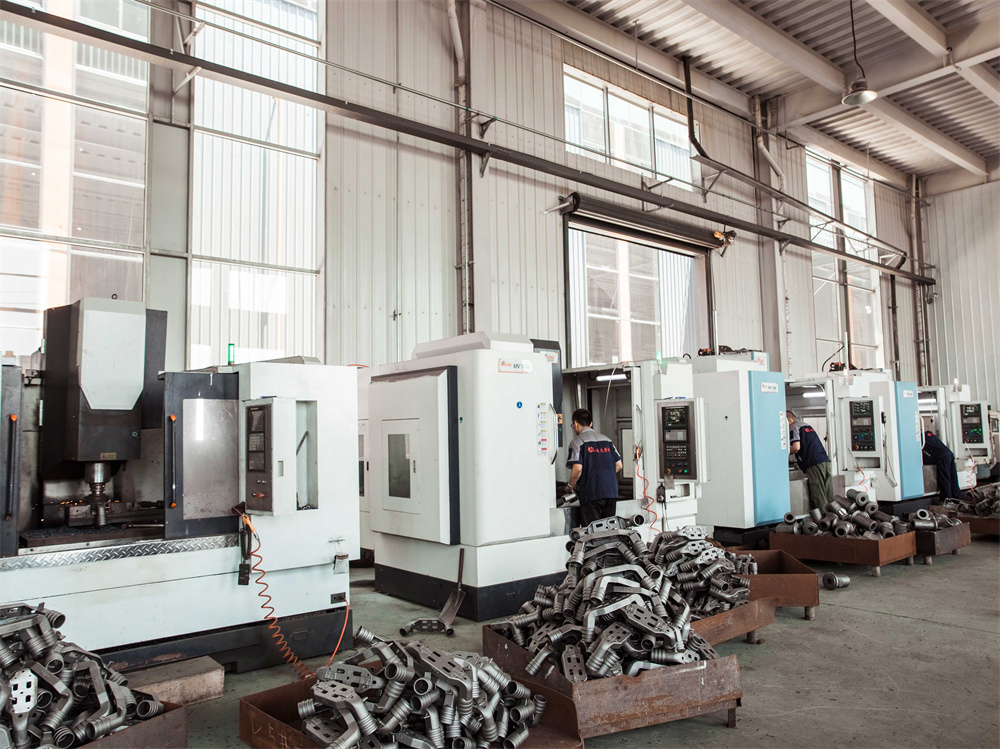
To optimize logistics and reduce risk, procurement managers favor suppliers offering comprehensive post-casting processing. Having fully equipped vertical and horizontal CNC machining centers, precision grinders, and testing equipment in-house reduces handling and ensures structural tolerances up to micron levels.
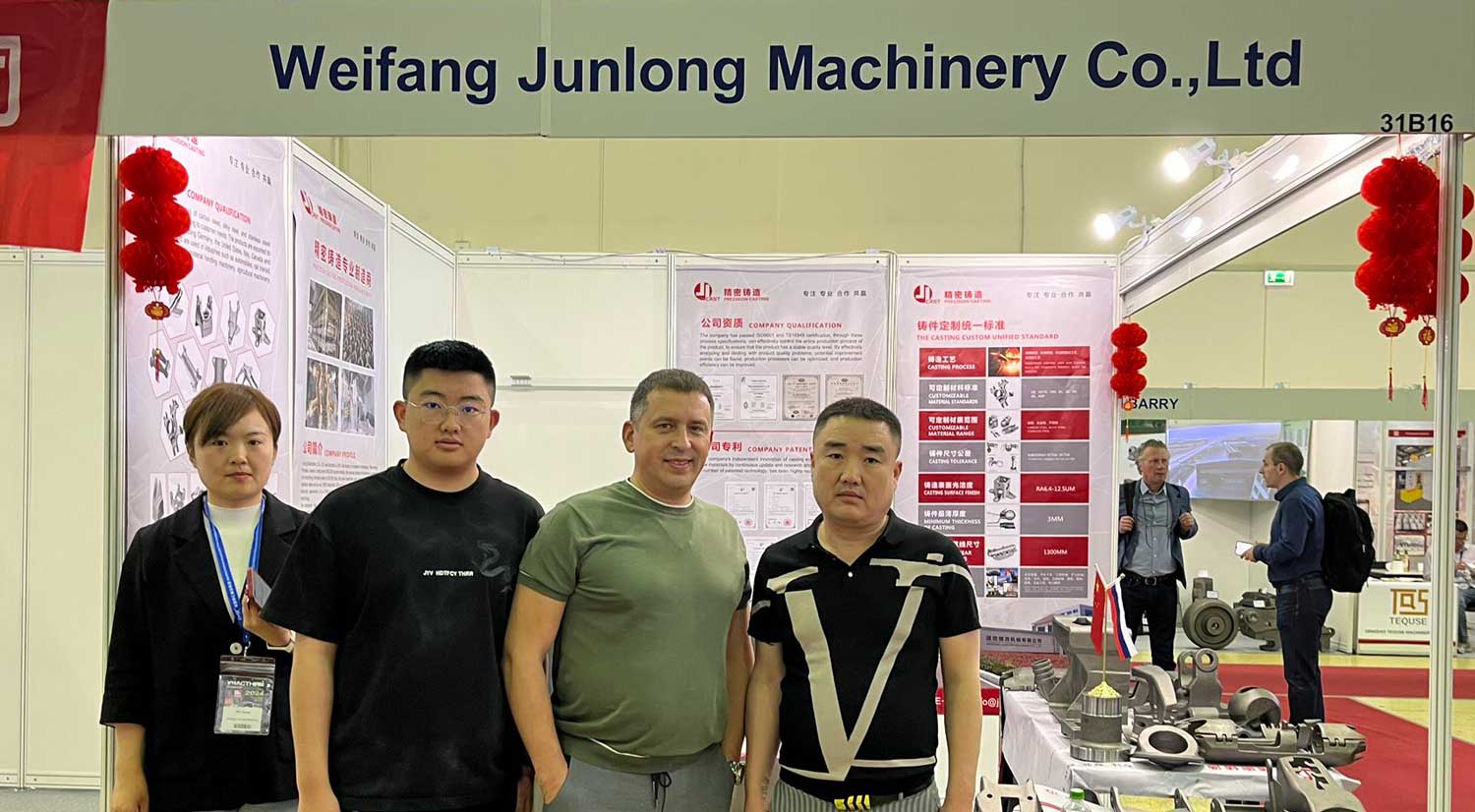
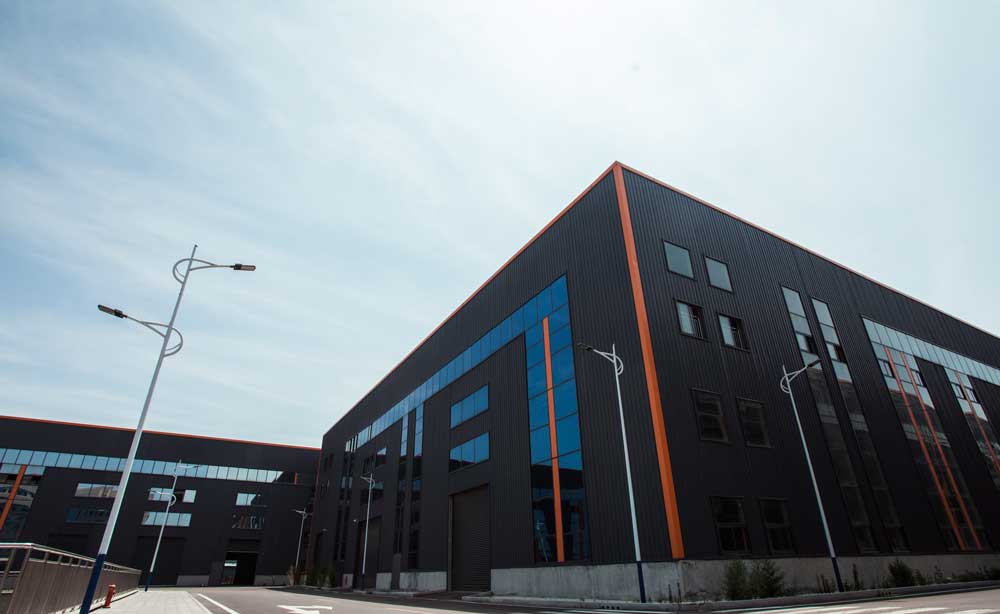
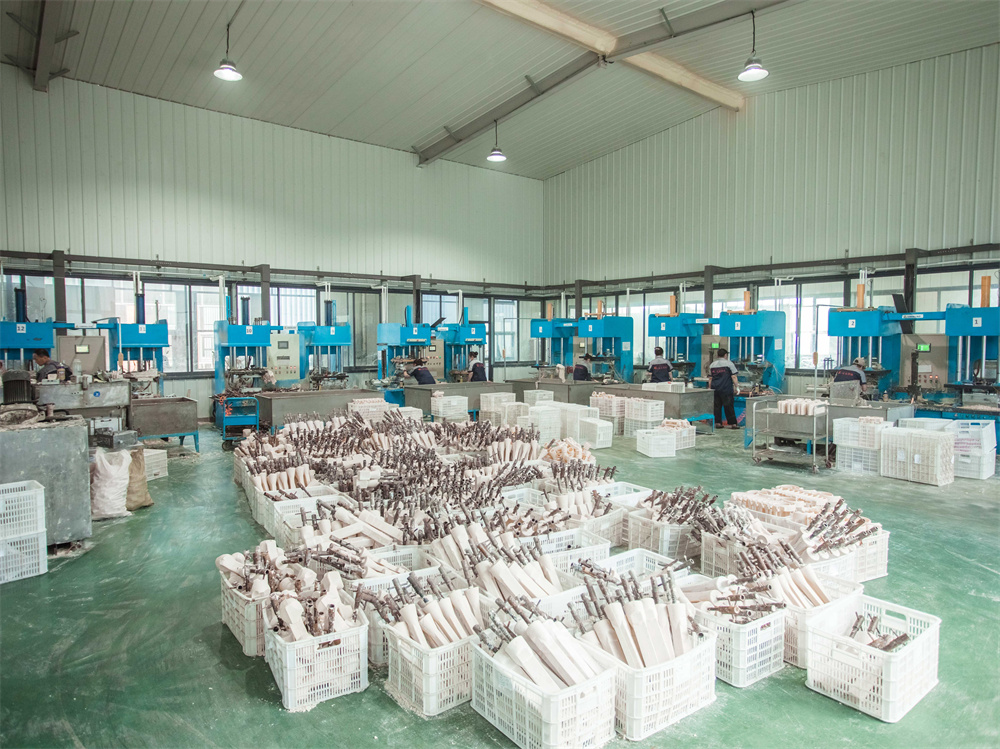
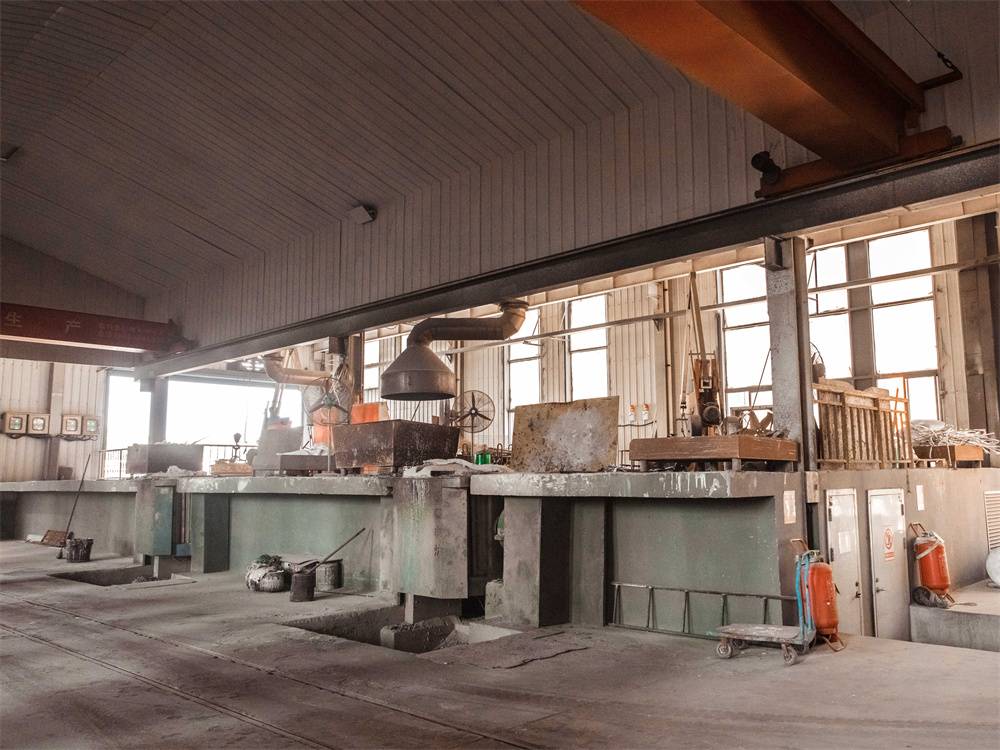
Established in 2014 in Weifang, Shandong, JUNLONG Machinery Co., Ltd. has developed into a leading high-tech manufacturer specializing in carbon steel, alloy steel, and stainless steel precision castings. Spanning over 60,000 square meters, our state-of-the-art facility features a 20,000-ton annual production capacity, run by a skilled workforce of over 200 employees, including more than 30 dedicated metallurgical and design engineers.
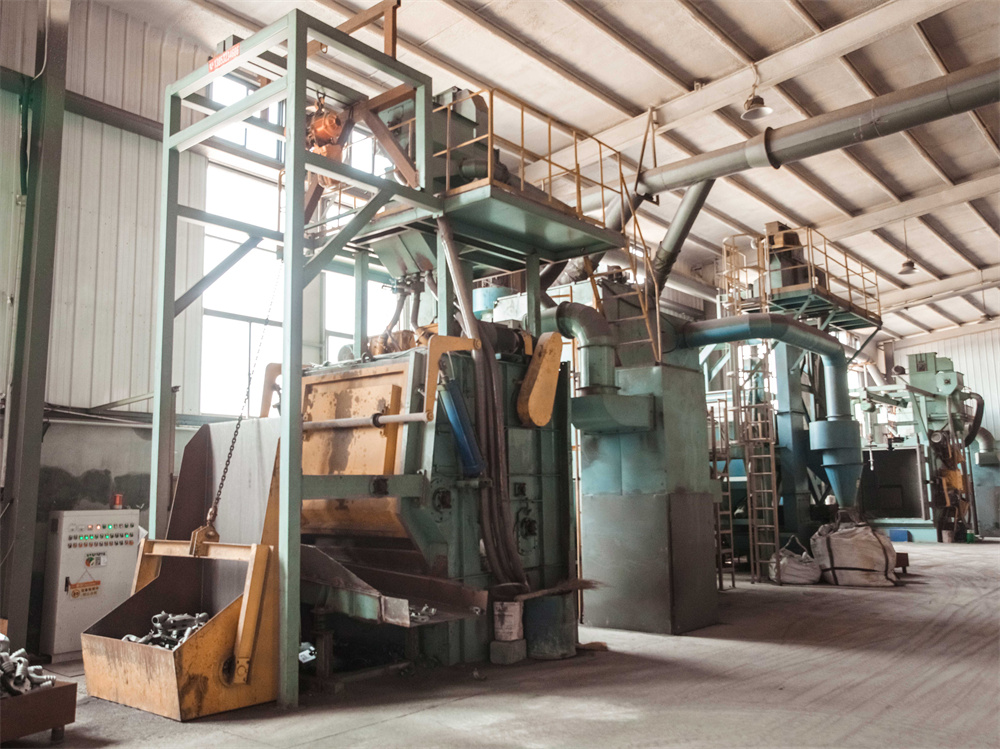
We operate as a single-source solutions provider. Our production chain extends from initial CAD/CAM design and high-accuracy toolmaking to automated precision casting, thermal treatment, precision machining, and specialized surface finishes. This complete vertical integration guarantees quality control at every phase, reduces logistics delays, and ensures compliance with IATF 16949 standards.
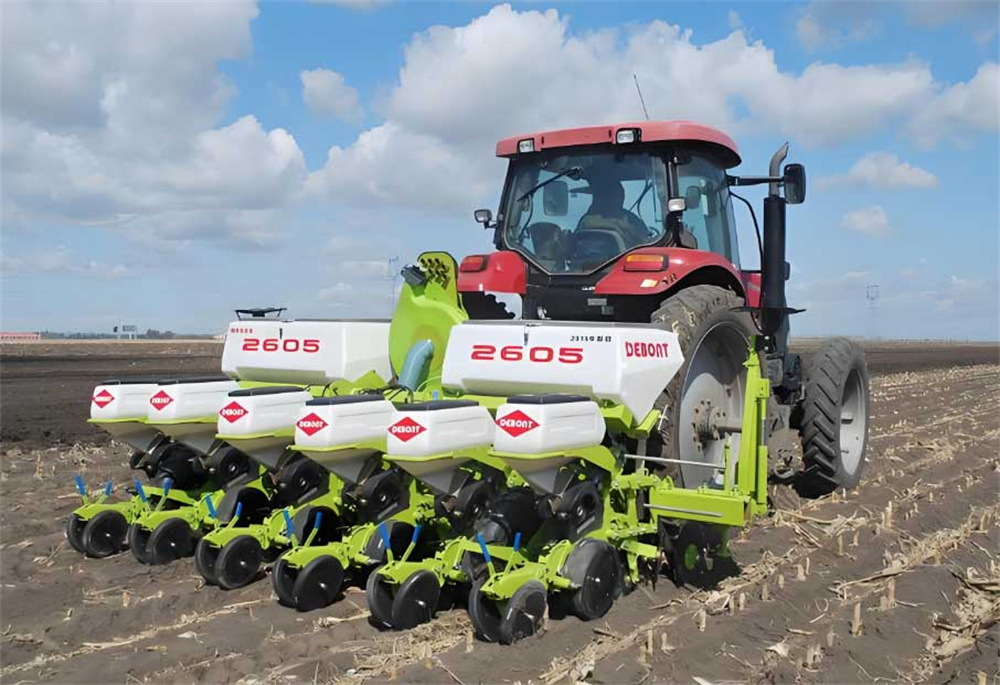
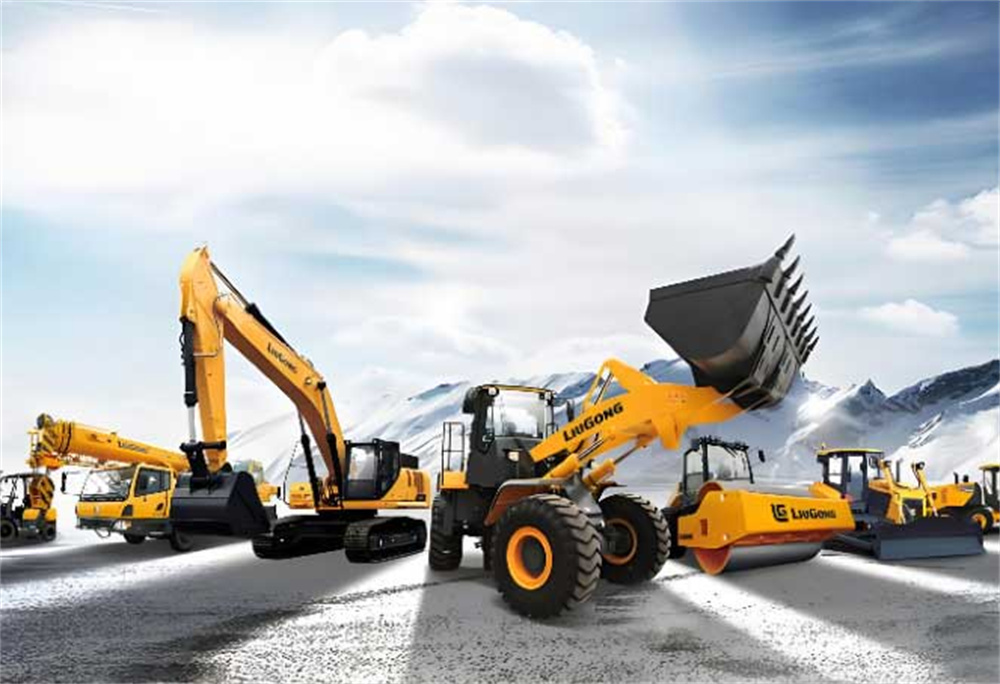
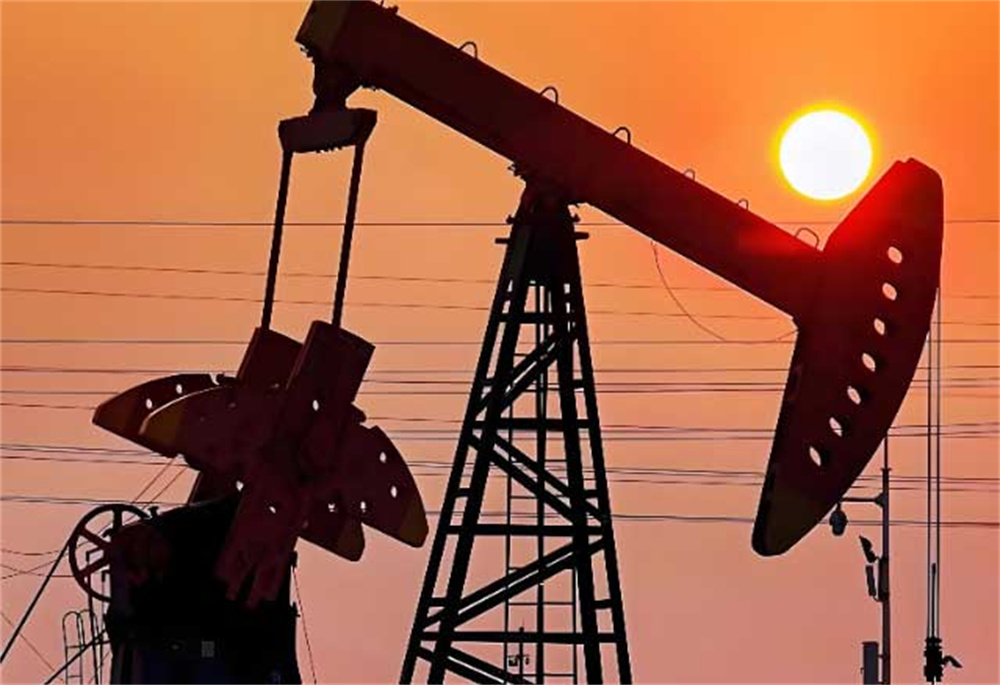
Our core capabilities serve premium automotive, rail, heavy machinery, petroleum, agricultural, and marine markets in North America, Germany, Italy, Canada, and beyond. This international presence reflects our commitment to reliable manufacturing, detailed process controls, and consistent product quality.
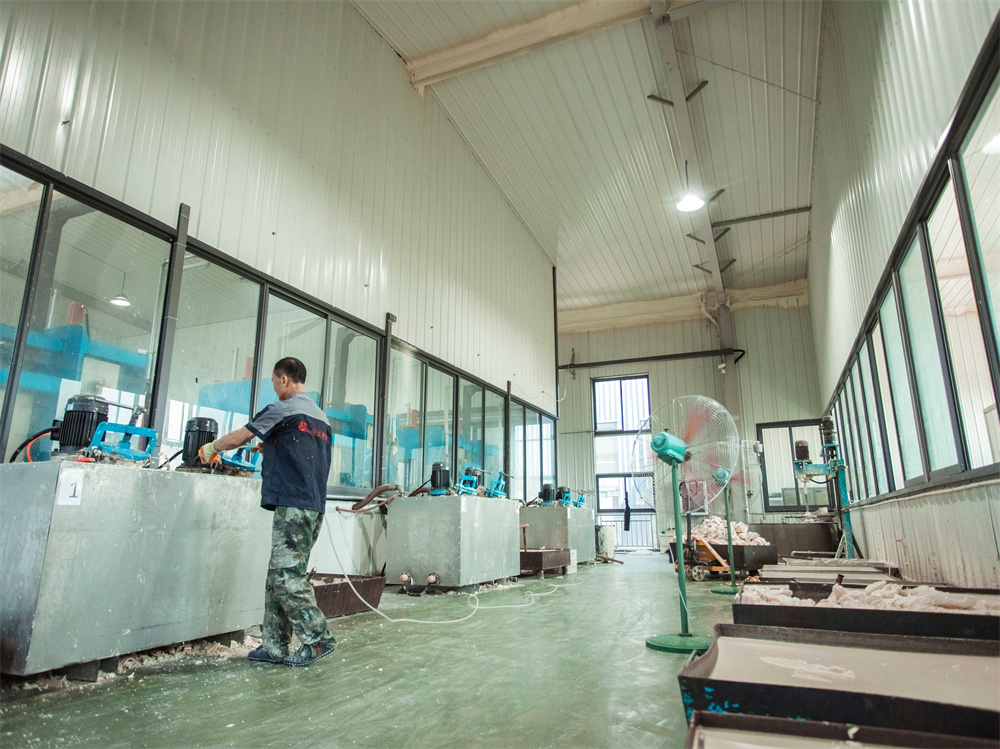
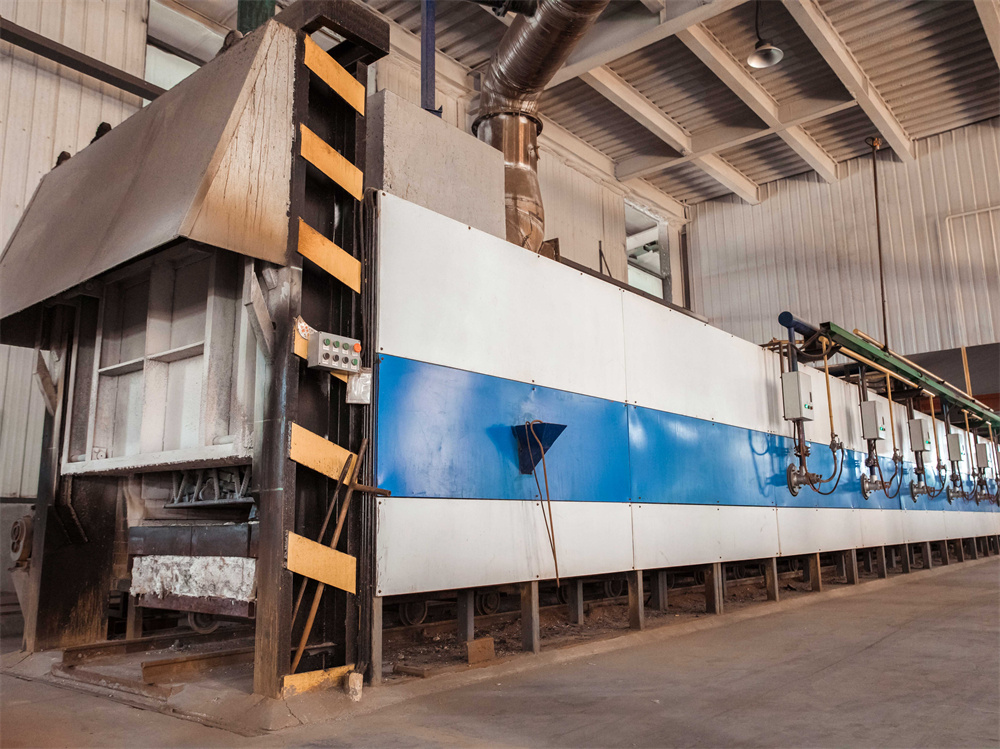
To manufacture components that withstand high stress and harsh conditions, we utilize modern automated production lines. Automated pattern-making and slurry coating systems ensure consistent shell building, maintaining close dimensional tolerances (CT4-CT6) across high-volume production runs.
Our machine shop is equipped with horizontal and vertical CNC machining centers, precision CNC lathes, milling machines, and surface grinding equipment. This tooling allows us to deliver complex geometries with tight tolerances directly to client assembly lines.
Quality validation is supported by our physical and chemical laboratory. Our testing capabilities include:
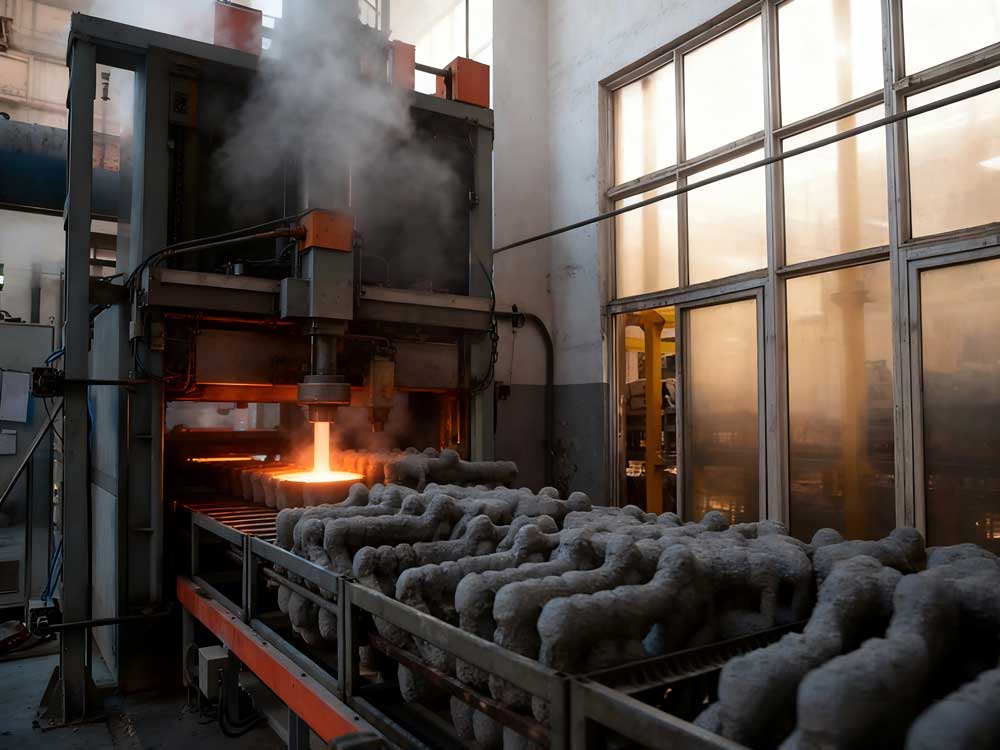
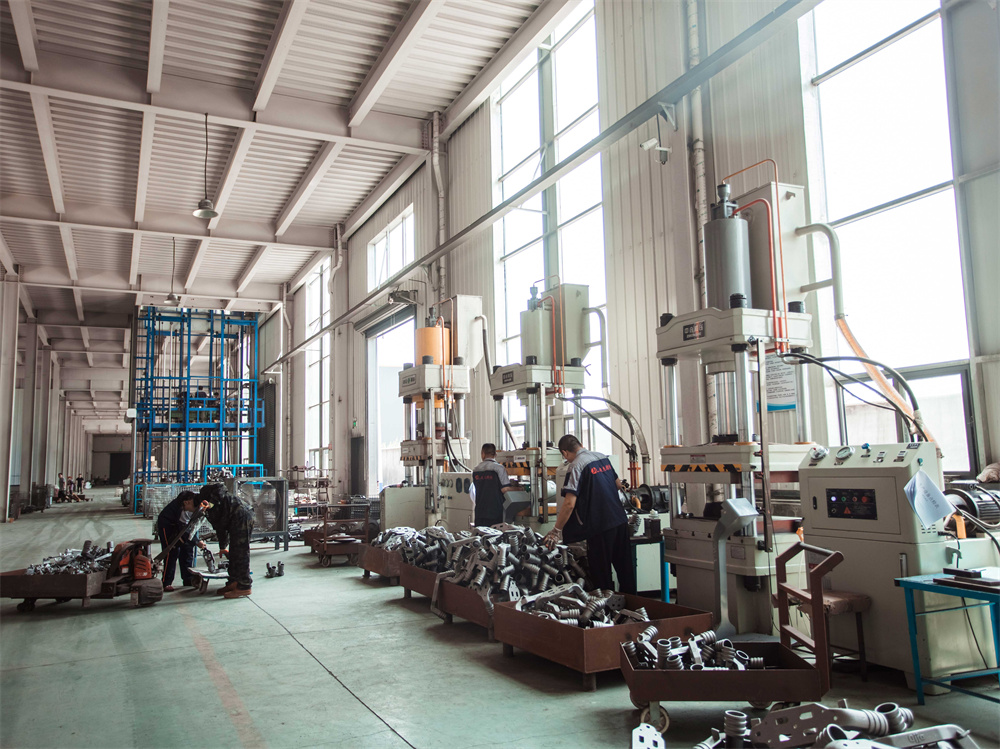
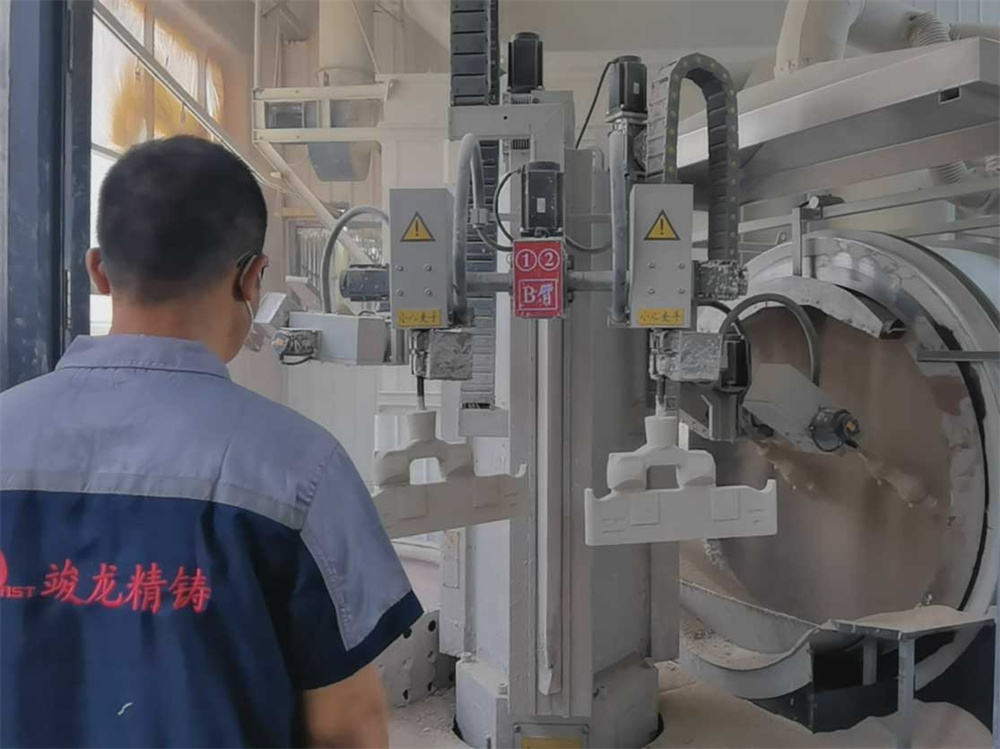
Automotive components demand stringent quality assurance due to safety-critical applications. JUNLONG Machinery operates under a comprehensive quality management system certified to ISO 9001 and IATF 16949 (formerly TS 16949) standards. We also maintain UL certification for products requiring independent safety listings.
Our quality system controls every step from raw material inspection through melt tracking, heat numbers, pour temperatures, and shell cooling rates to post-cast finishing, CNC machining, and final dispatch. Through rigorous trace documentation, we provide customers with complete certification records (PPAP Level 3, material test reports, dimensional inspection layouts), ensuring full accountability for every delivery.
We work to continuous improvement goals, tracking performance through statistical process control (SPC) to minimize variation and deliver consistent production runs.
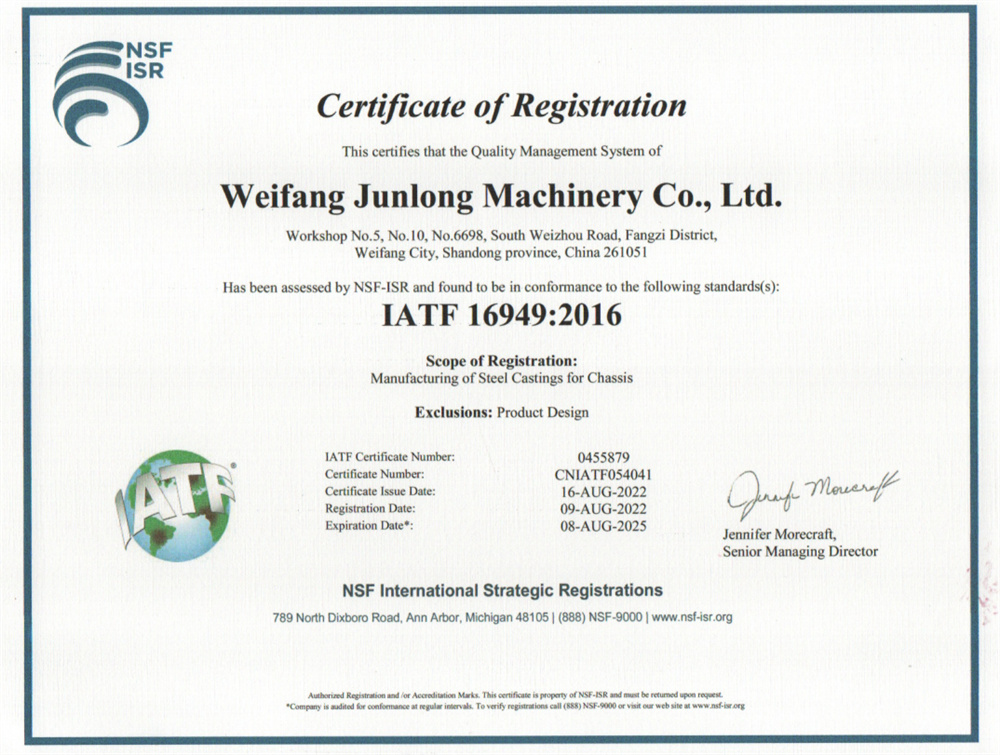
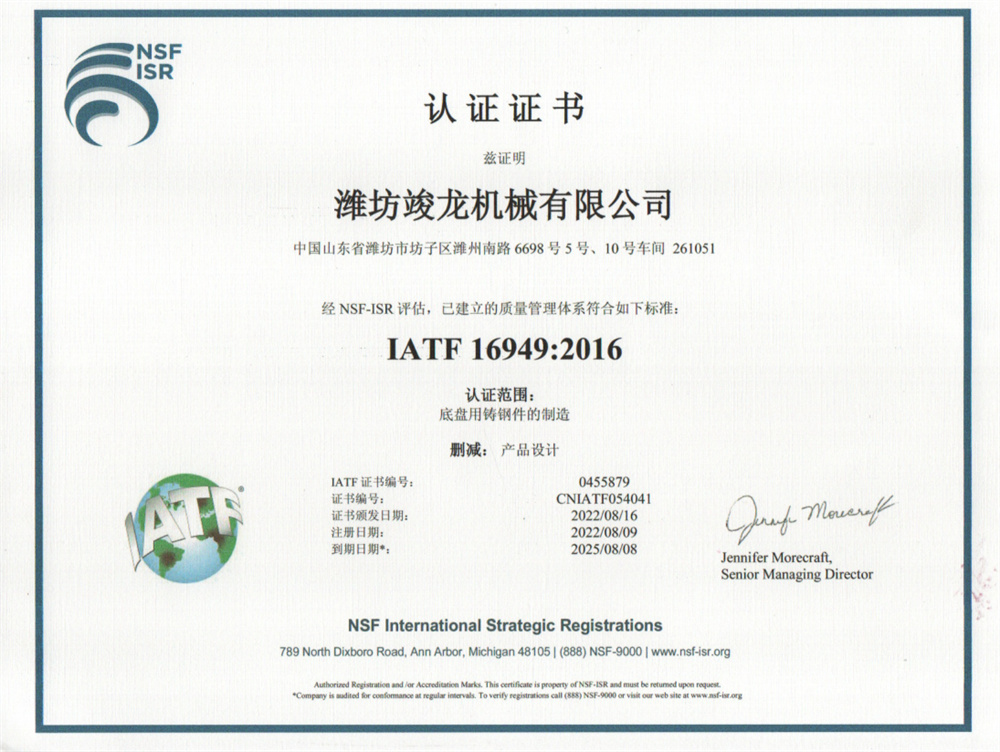

Providing precision casting services for critical applications across demanding industries.
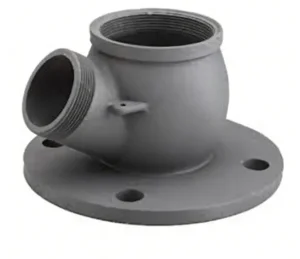
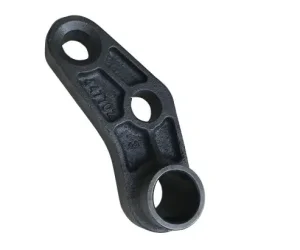
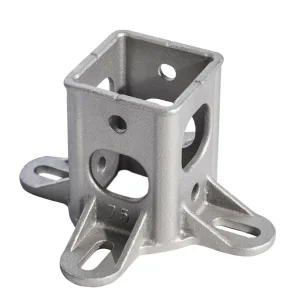
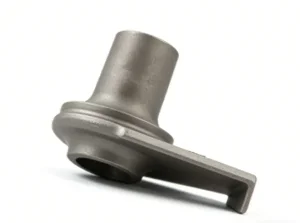
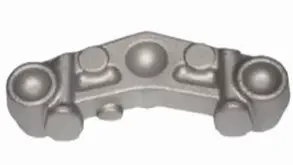
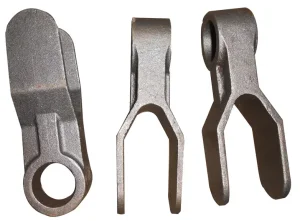
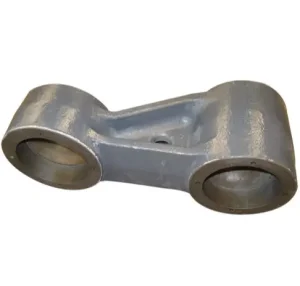
We manufacture critical components for modern vehicle platforms, including engine brackets, oil pump housings, transmission gears, turbocharger parts, and brake systems. Our production processes focus on reducing weight while maintaining structural strength to support the automotive sector's evolving performance requirements.
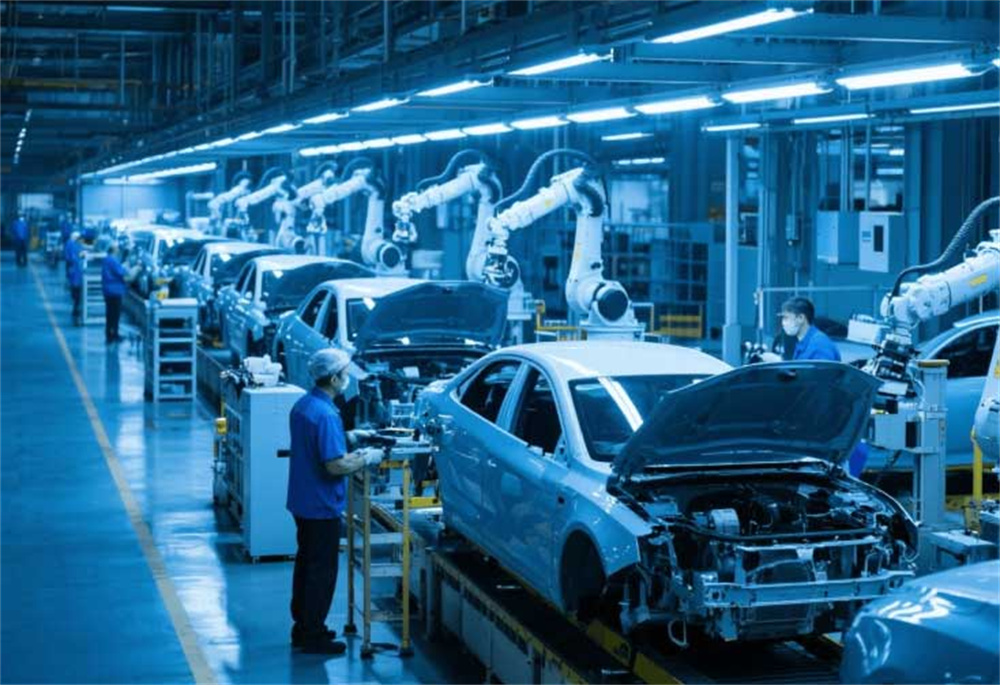
Using 3D-printed wax patterns and sand cores to bypass early tooling stages. This reduces design validation times for custom components from weeks to days, supporting fast-track prototyping requirements.
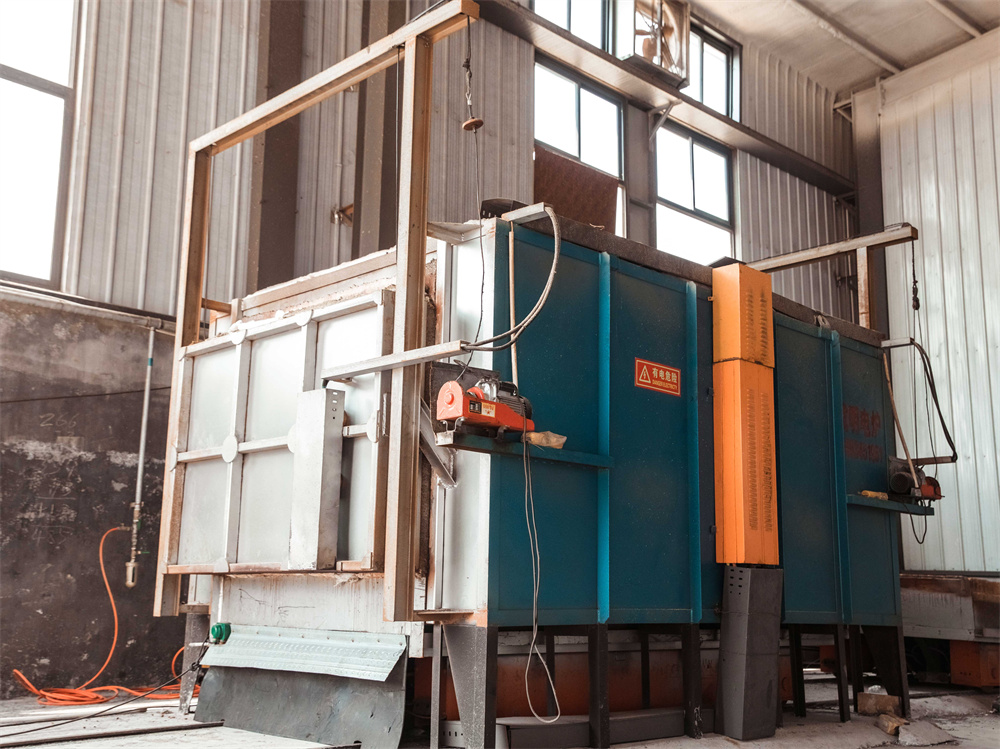
Transitioning to high-frequency induction furnaces with advanced thermal containment. This improvement reduces power consumption per ton poured and lowers the carbon footprint of production operations.
Collaborating with local engineering institutions to develop high-performance duplex stainless steels and heat-resistant alloys. These materials support elevated temperature limits in next-generation engines.
Key technical answers regarding our capabilities, lead times, and quality assurance processes.
 Junlong