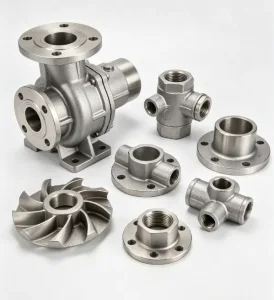
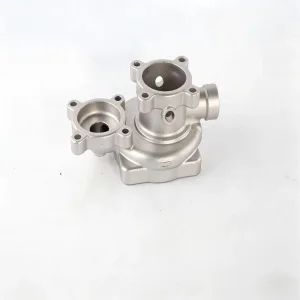
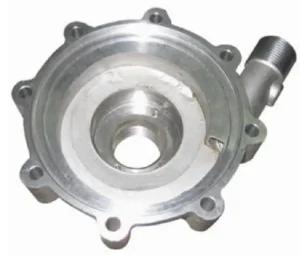
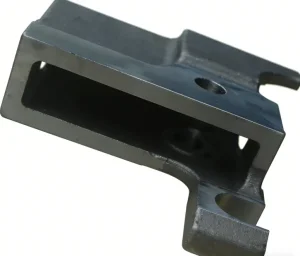
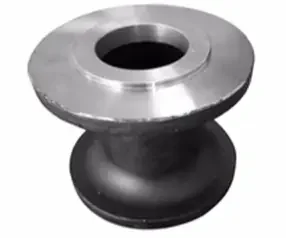
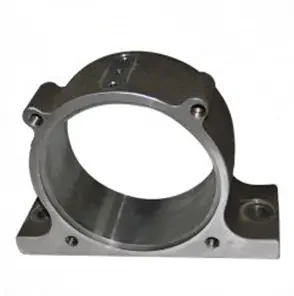
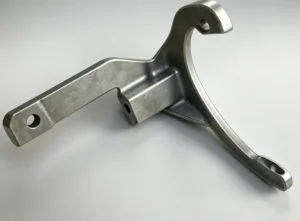
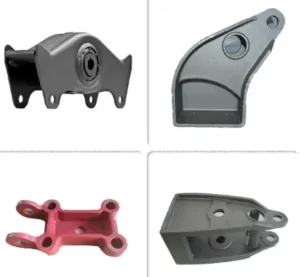
In the modern industrial ecosystem, lost wax casting (investment casting) has emerged as the gold standard for producing complex pump and valve components. As industries move toward higher pressure ratings and more corrosive environments, the demand for precision-cast stainless steel and alloy steel components has seen a CAGR of 5.2% globally. Manufacturers are no longer just part suppliers; they are strategic partners in fluid dynamics and safety.
The industry is pivoting towards Digital Casting Twins and AI-driven thermal analysis. Sustainability is also a key driver, with factories optimizing wax reclamation and energy-efficient induction melting. For OEM clients, "Information Gain" means receiving data-backed quality reports that guarantee zero-defect components for critical infrastructure in Germany, the USA, and beyond.
Whether it's shale gas extraction in North America or seawater desalination projects in the Middle East, OEM pump valve components must meet localized ASTM, DIN, and JIS standards. Localized engineering support ensures that the casting metallurgy is perfectly tuned to the specific environmental challenges of each region.
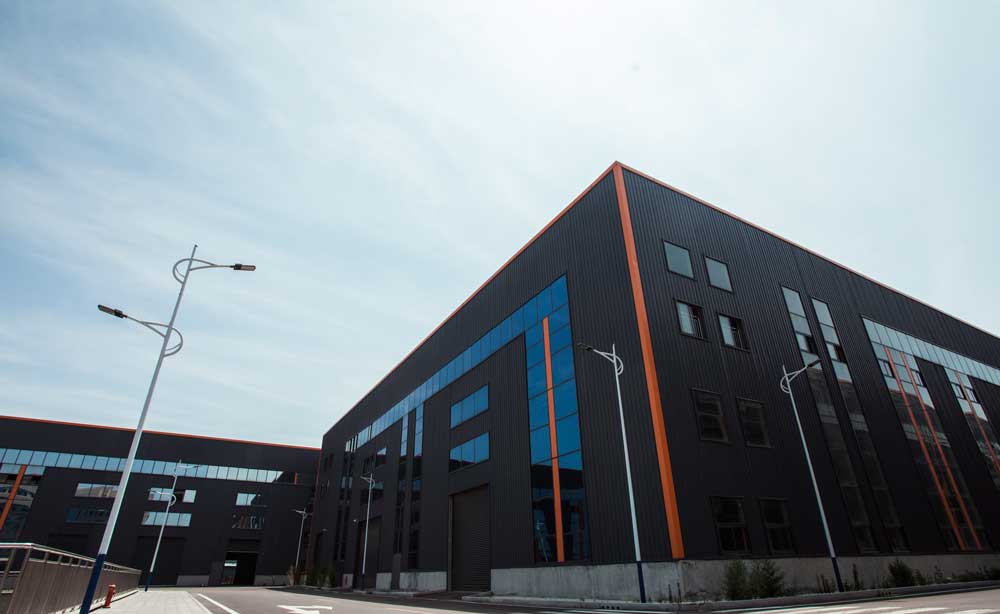
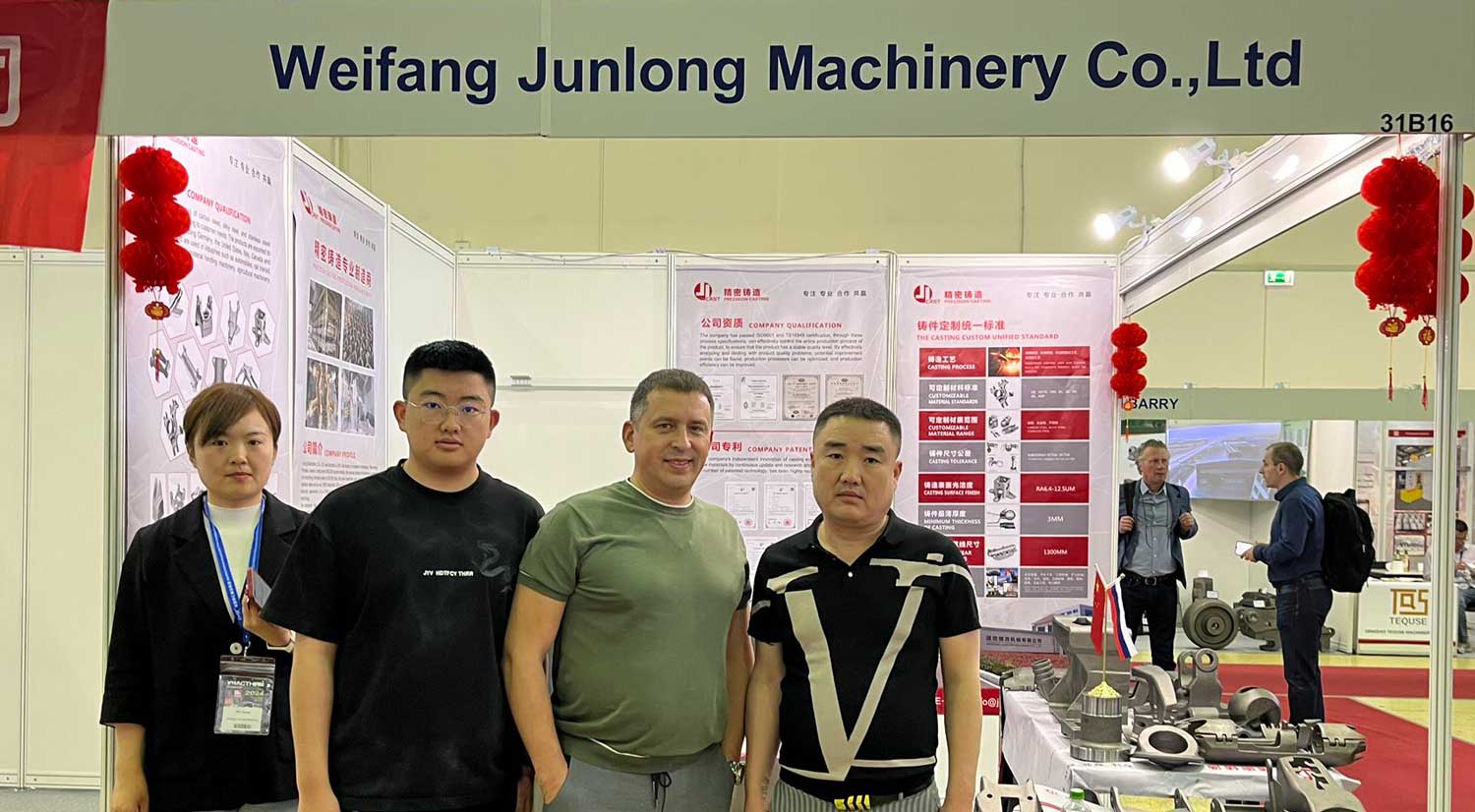
JUNLONG Machinery Co., Ltd. was founded in 2014. Located in Weifang, Shandong, the company covers a total area of 60,000 square meters and has an annual production capacity of 20,000 tons of precision castings and machined finished parts. It specializes in materials such as carbon steel, alloy steel, and stainless steel. With over 200 employees, including more than 30 engineering technicians, the company is a high-quality casting supplier integrating precision casting and deep processing.
Utilizing high-pressure automated wax injection to ensure dimensional stability of pump impellers and valve bodies with complex internal channels.
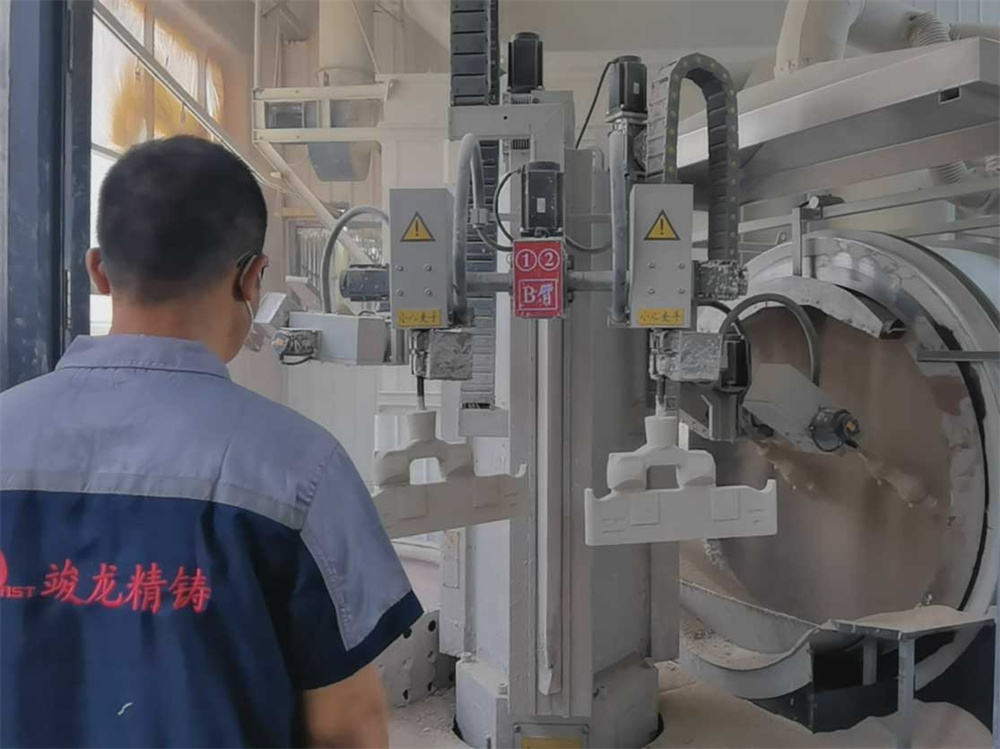
Multi-layered ceramic shells built by robotic arms ensure uniform thickness, preventing mold expansion during high-temperature metal pouring.
For super-alloys and stainless steel, vacuum environments prevent oxidation, resulting in superior surface finish and mechanical integrity.
Integrating X-ray CT scanning and 3D laser inspection to detect sub-surface porosity and ensure 100% compliance with tolerance specs.
Equipped with internationally advanced automated casting production facilities and comprehensive physical and chemical analysis equipment.
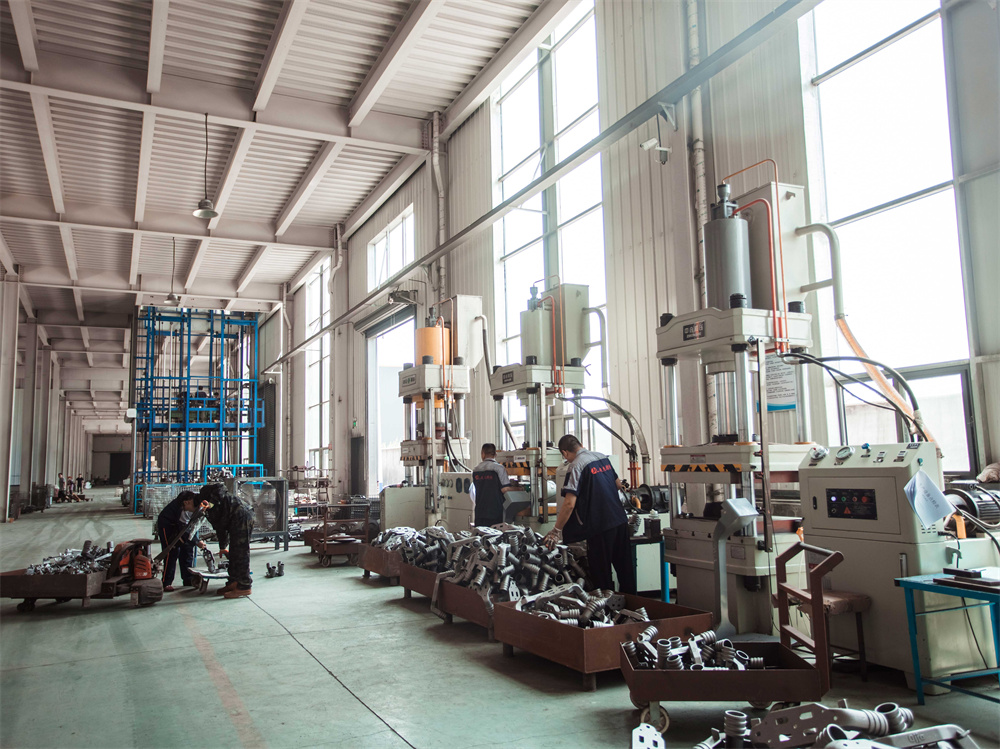
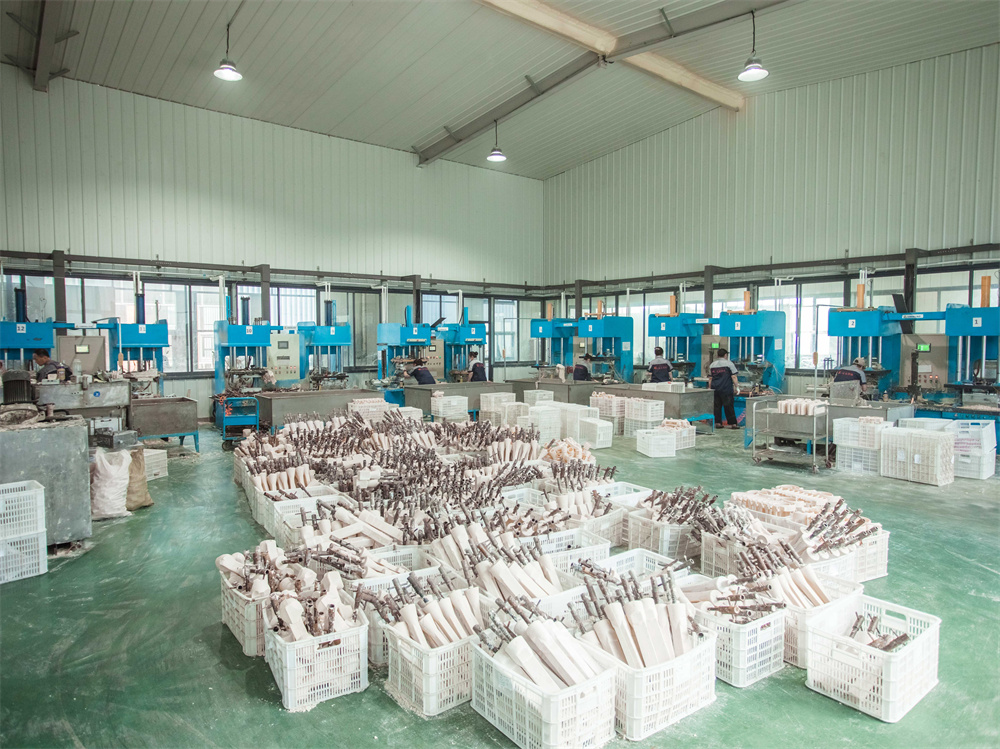
From initial design concepts to final product delivery, all key processes are completed in-house. Our workshop includes horizontal machining centers, vertical machining centers, CNC lathes, milling machines, and grinders. Customer Value: Eliminates communication costs, quality risks, and delays associated with multi-factory collaboration.
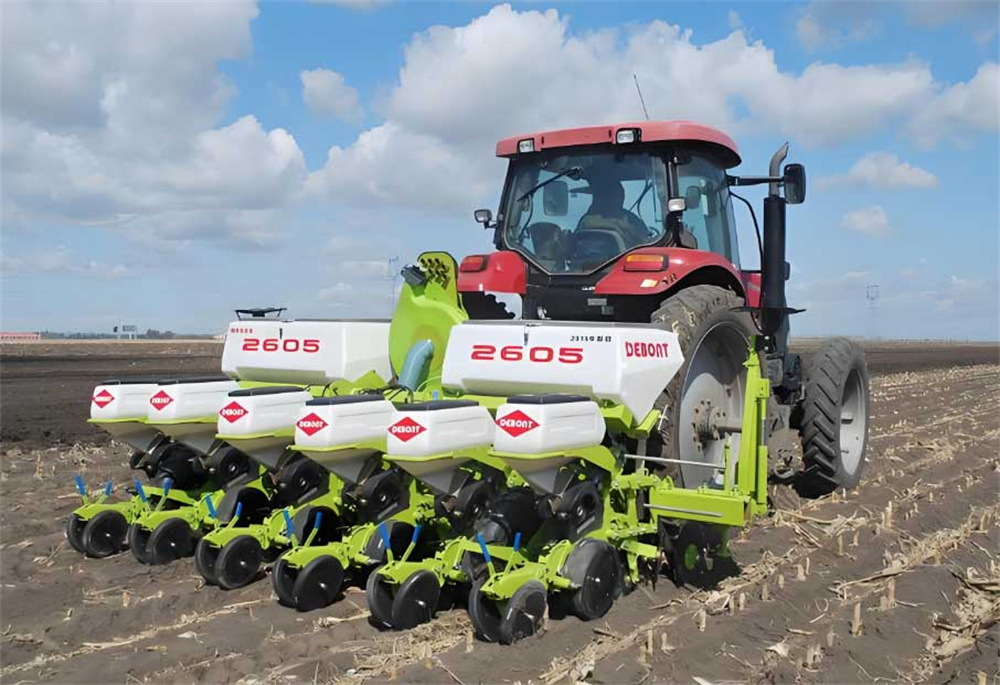
High-durability components for harvesters and irrigation pumps.
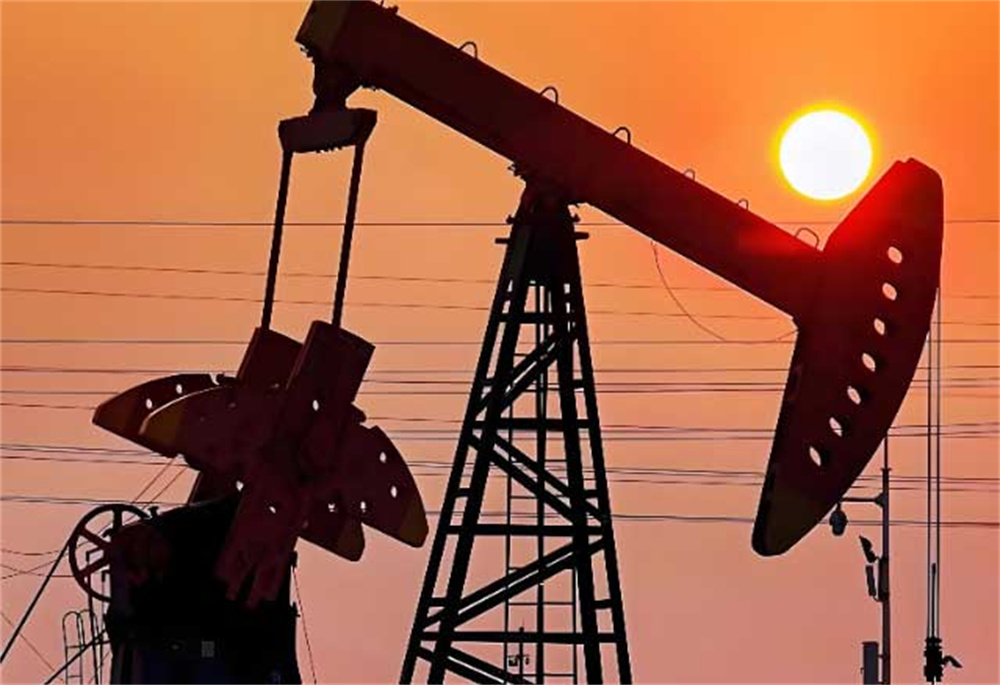
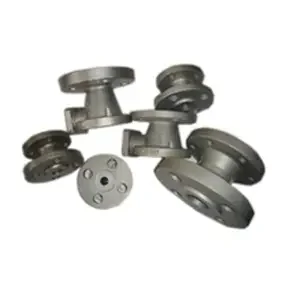
Corrosion-resistant valves for high-pressure oil pipelines.
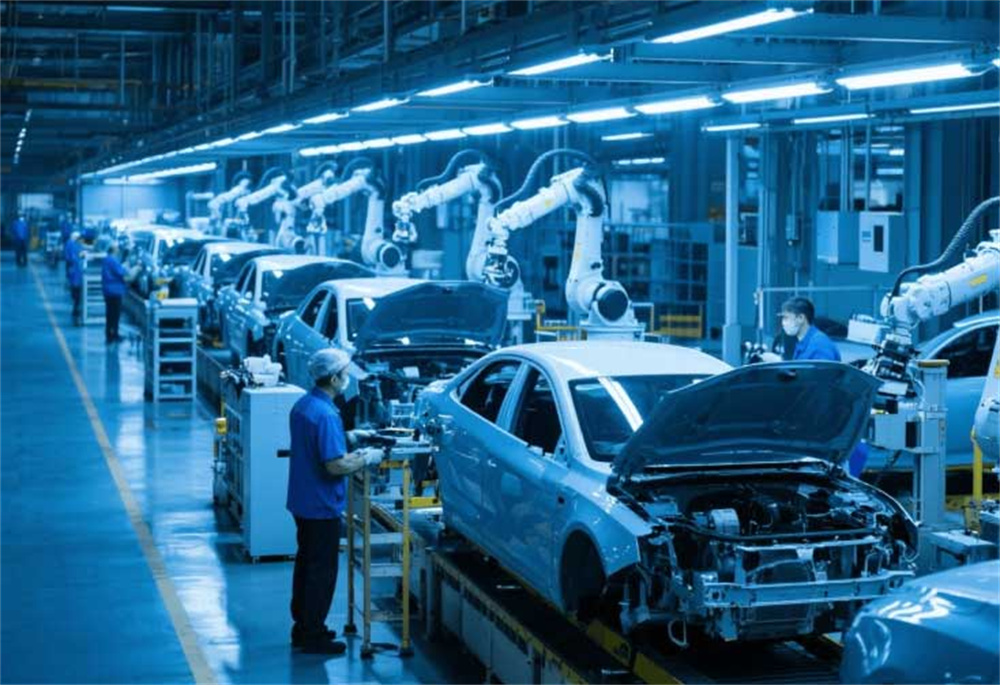
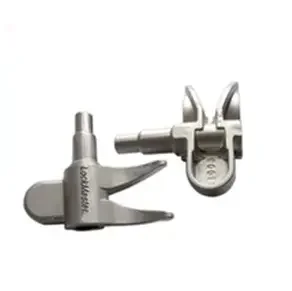
Precision cast engine and turbocharger valve components.
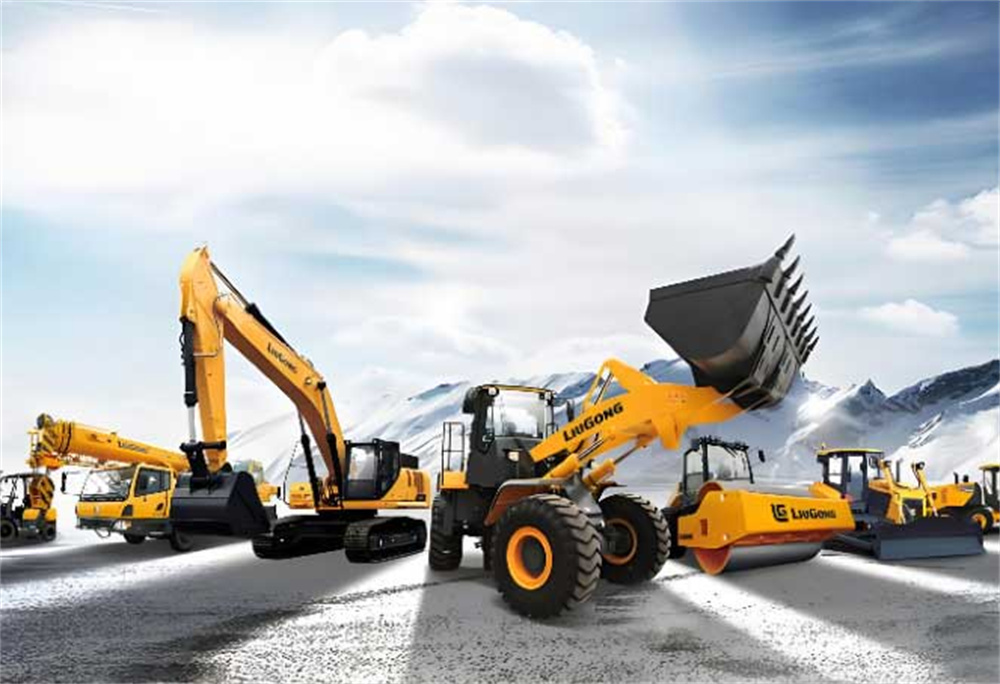
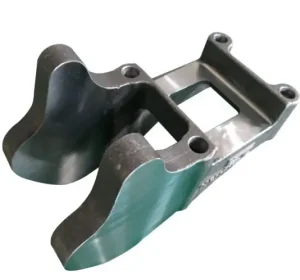
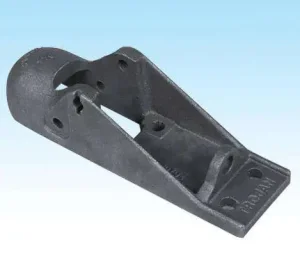
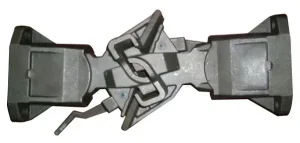
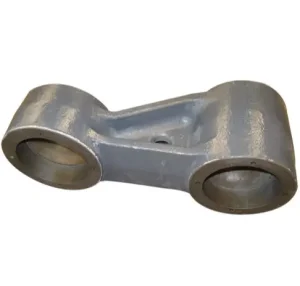
Forging strong mechanical backbones for excavators and cranes.
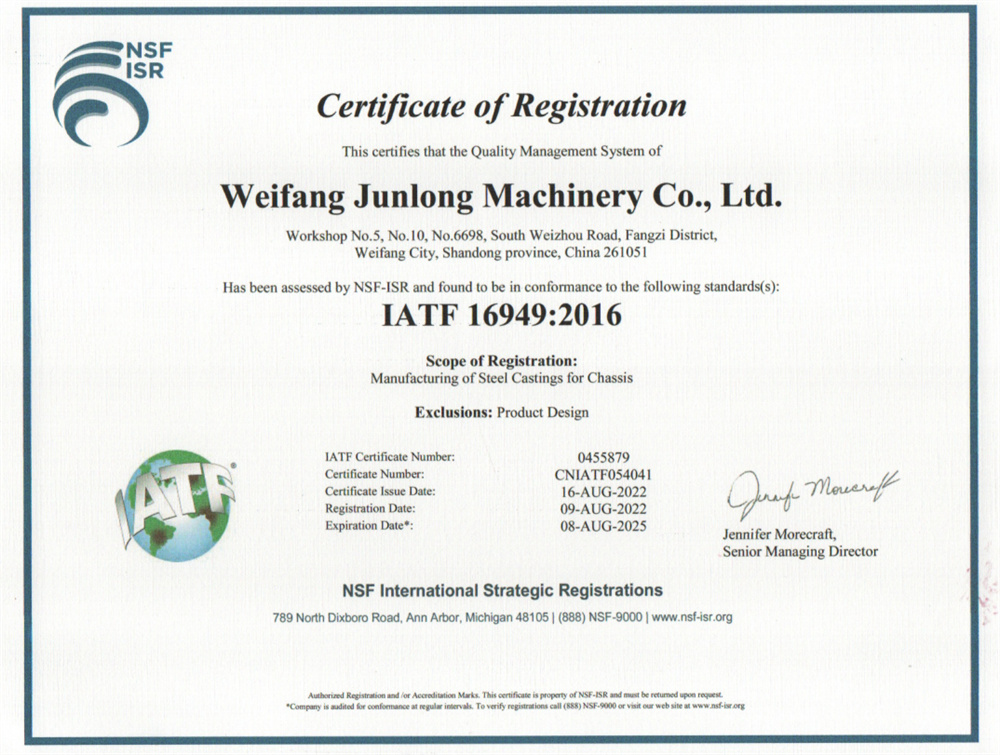
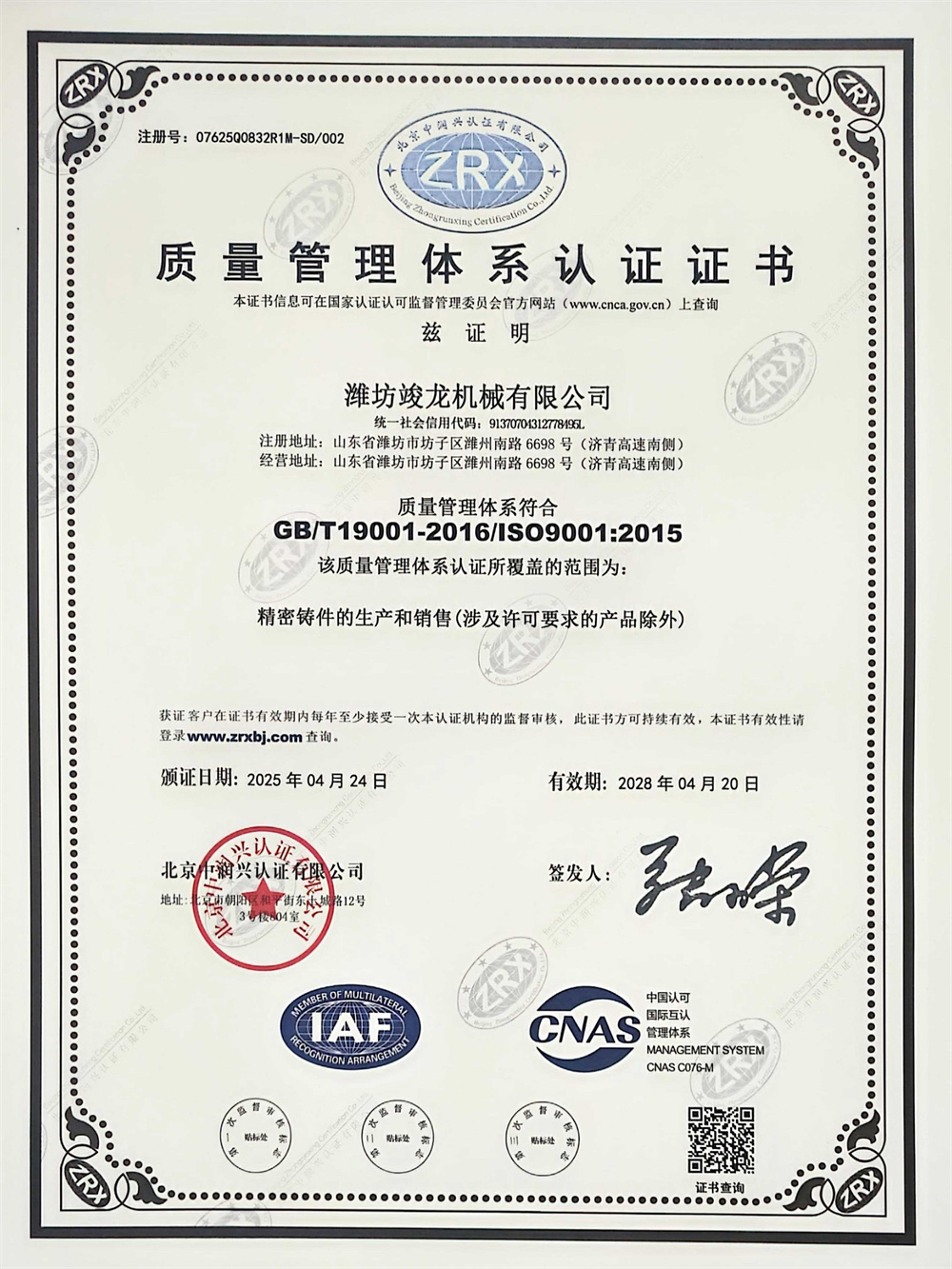
Our commitment to E-E-A-T is backed by global certifications and rigorous process control.
ISO 9001 Certification
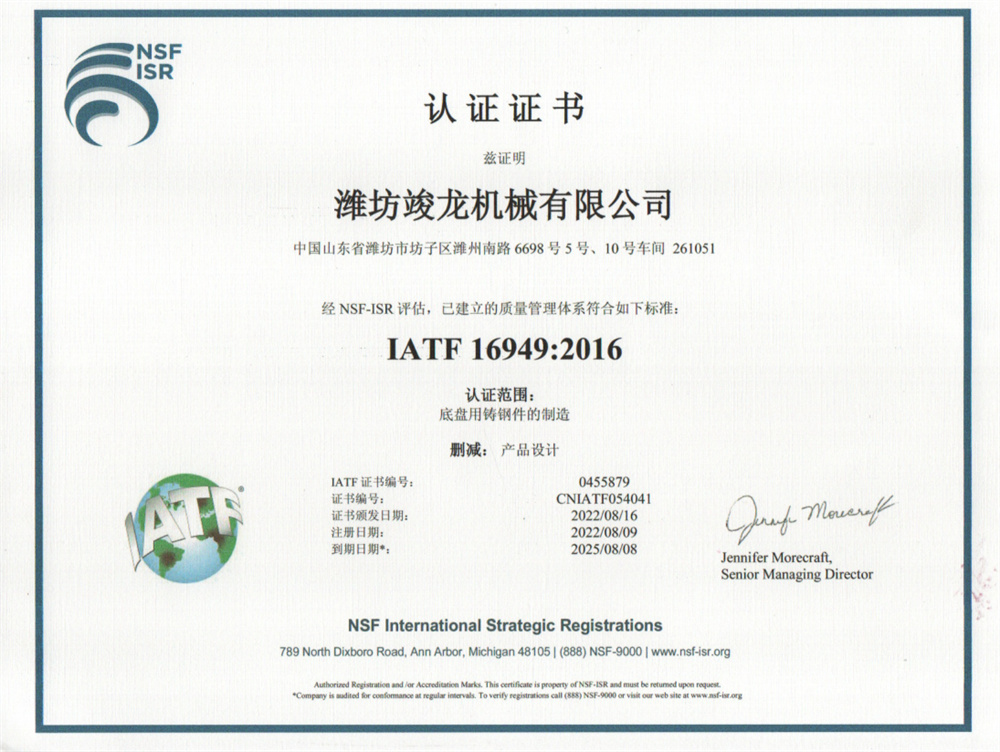
TS 16949 Certification
UL Industry Standards
Furthermore, the company has obtained ISO 9001, TS 16949, UL, and other quality management system certifications, ensuring process control over every production detail and continuously pursuing and improving product quality to achieve high customer satisfaction.
Lost wax casting allows for near-net-shape production of internal cavities and complex vanes that are impossible to machine. It provides a surface finish (typically Ra 3.2 to 6.3) that reduces fluid friction, significantly improving the efficiency of pumps and valves.
Stainless Steel (304, 316, 316L) and Duplex Steels are preferred. For high-wear applications, Alloy Steel with specific heat treatments provides the necessary hardness without sacrificing structural integrity.
We utilize simulation software to predict solidification patterns before the mold is made. Post-production, we employ Ultrasonic Testing (UT) and Magnetic Particle Inspection (MPI) to guarantee 100% internal soundness for high-pressure applications.
Yes, our engineering team works directly with STEP, IGES, and DWG files. We can optimize your design for "Castability" to reduce weight and cost while maintaining strength.
 Junlong