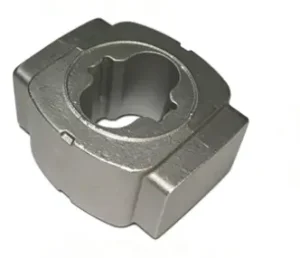
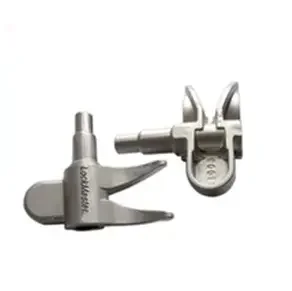
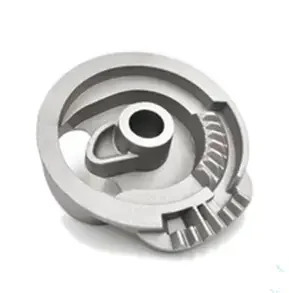
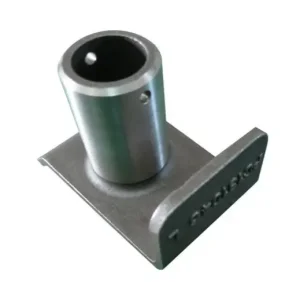
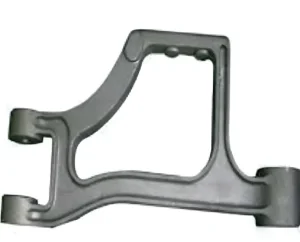
The global rail transit industry is undergoing a paradigm shift towards high-speed, heavy-load, and green intelligence. As the backbone of modern transportation, railway infrastructure demands components that exhibit extreme durability and precision. Investment casting (lost wax casting) has emerged as the premier manufacturing technology for railway parts due to its ability to produce complex geometries with near-net-shape accuracy.
In China, the integration of advanced metallurgy with automated investment casting lines has positioned domestic manufacturers as pivotal players in the global supply chain. From the high-speed rail networks in Europe to the freight corridors in North America, China-made investment castings for railway parts—including brake systems, couplers, bogie components, and track fasteners—are setting new benchmarks for safety and reliability.
Emphasis on lightweighting and vibration reduction using specialized alloy steels and stainless steel castings.
Focus on high-strength carbon steel castings to withstand extreme mechanical stress and fatigue.
Adherence to EN 15085, AAR (Association of American Railroads), and IRIS (International Railway Industry Standard) is now mandatory.
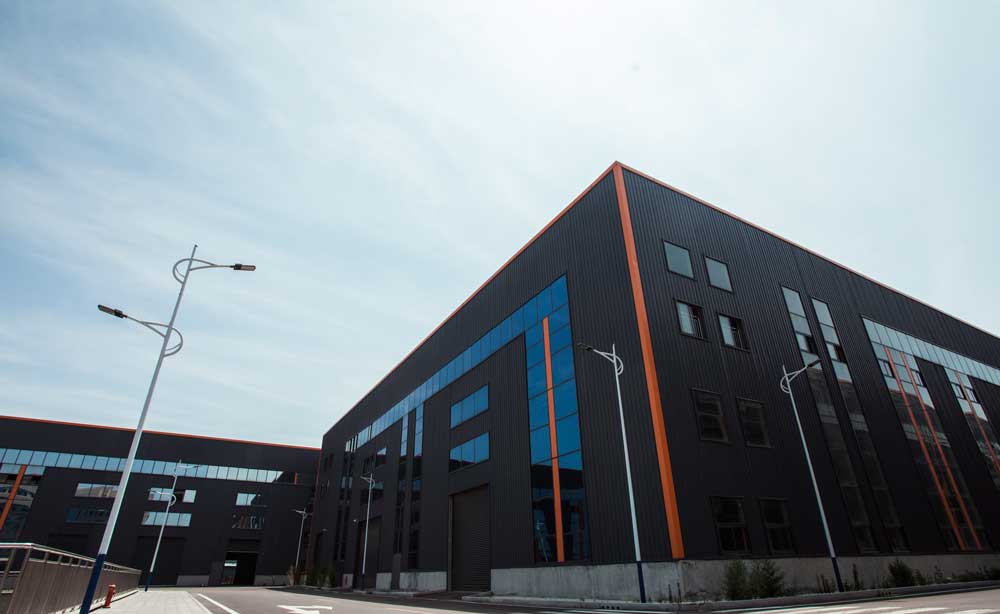
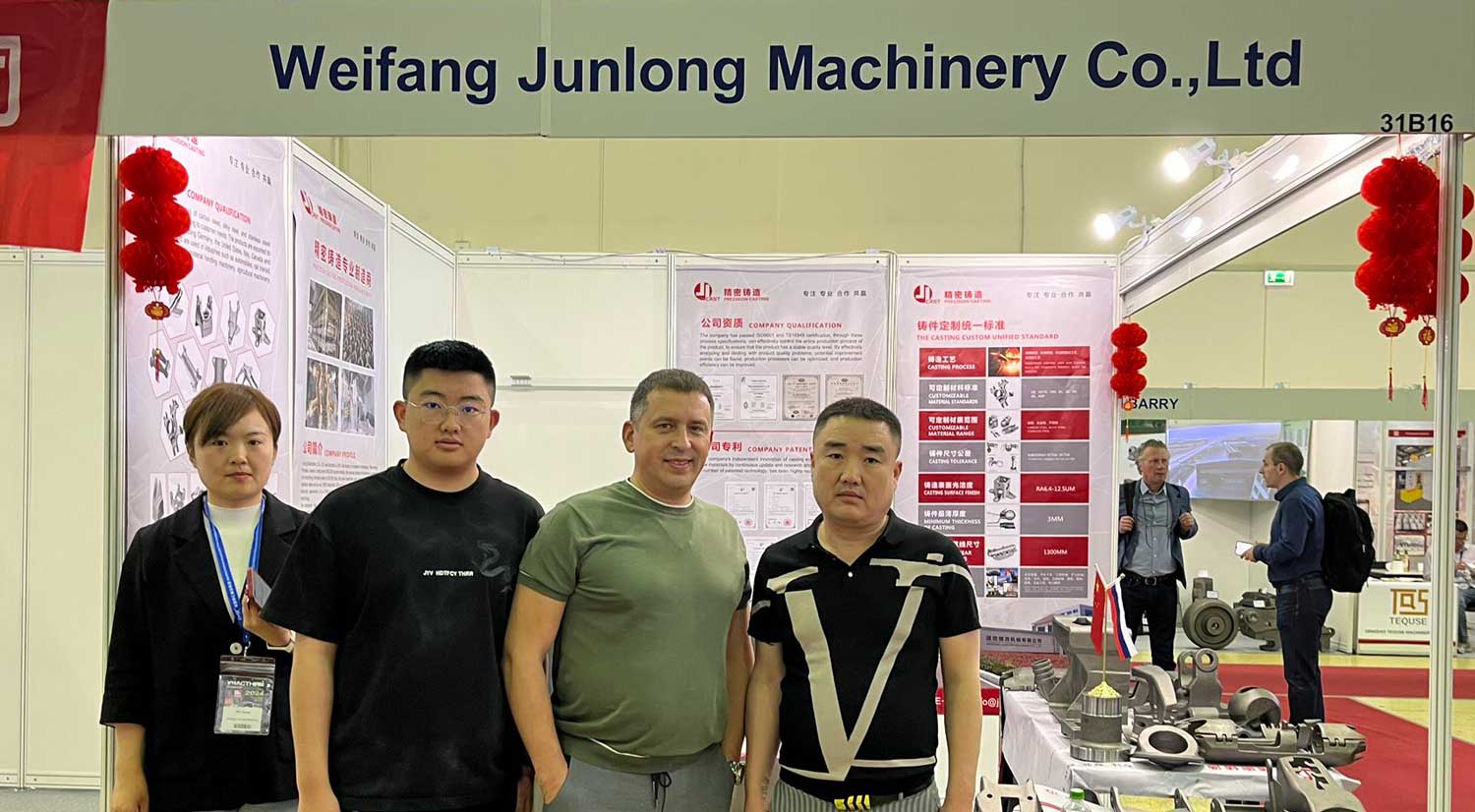
JUNLONG Machinery Co., Ltd. was founded in 2014. Located in Weifang, Shandong, the company covers a total area of 60,000 square meters and has an annual production capacity of 20,000 tons of precision castings and machined finished parts. It specializes in materials such as carbon steel, alloy steel, and stainless steel.
With over 200 employees, including more than 30 engineering technicians, the company is a high-quality casting supplier integrating precision casting and deep processing.
The future of railway part manufacturing lies in the synergy between traditional casting expertise and digital transformation. As an industry leader, our roadmap includes several key technological frontiers:
Utilizing 3D printed wax patterns to eliminate mold costs for prototypes and small-batch complex railway components.
Advanced solidification simulation software to predict and eliminate casting defects like shrinkage and porosity before production.
Developing cryogenic-resistant alloy steels for rail transport in Arctic and extreme cold climates.
Integrating AI-driven visual inspection and X-ray NDT (Non-Destructive Testing) for 100% defect detection.
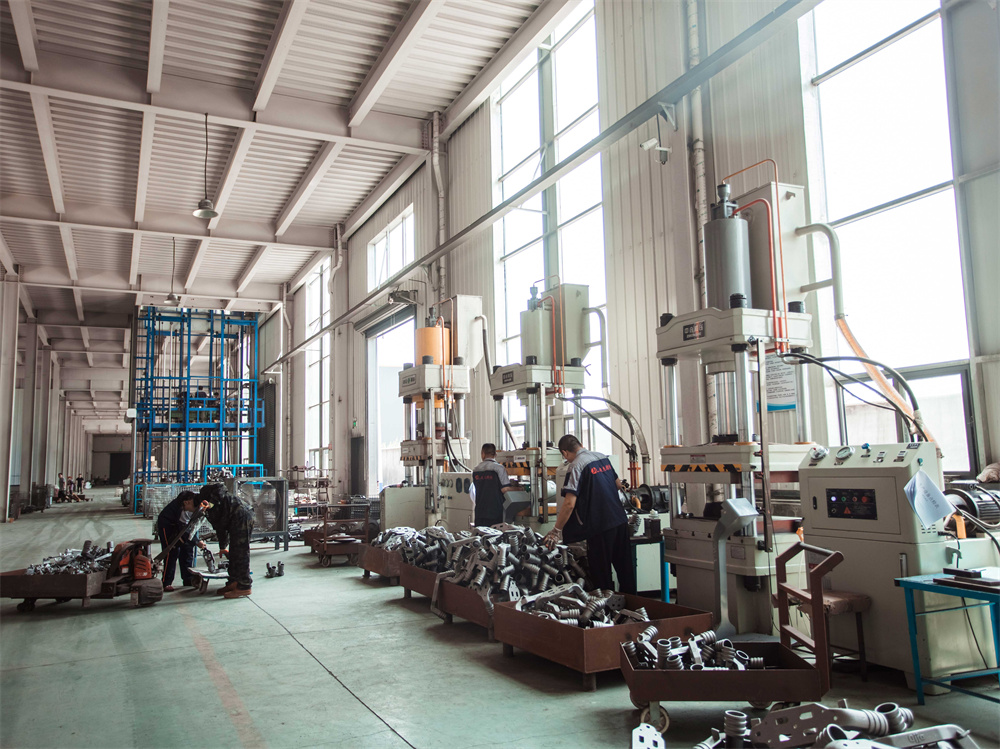
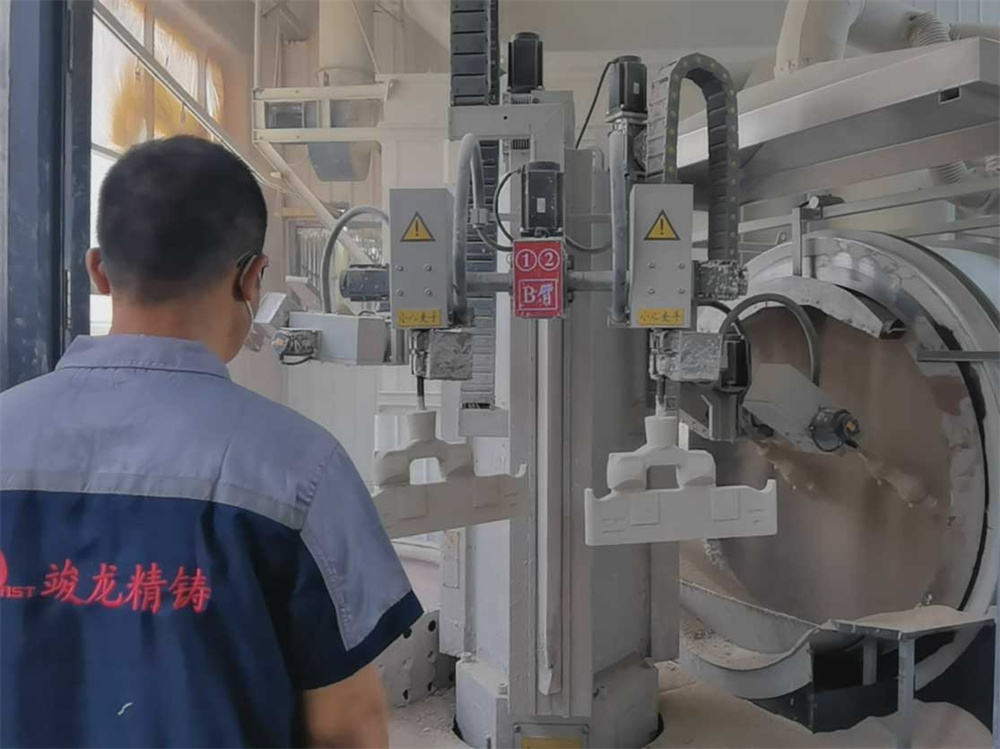
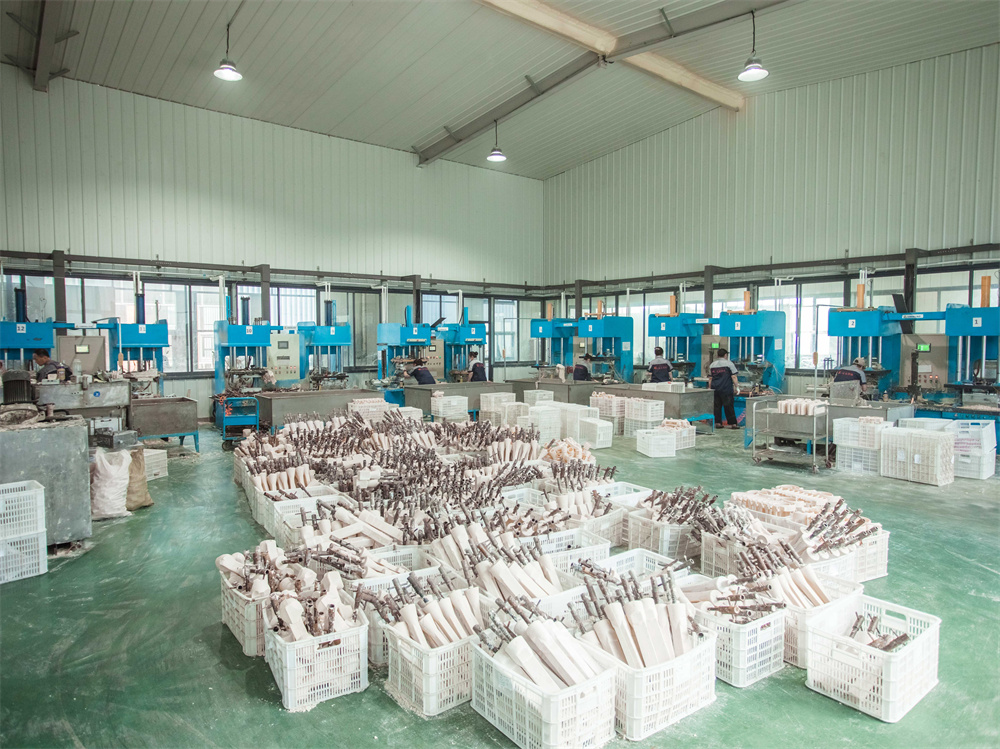
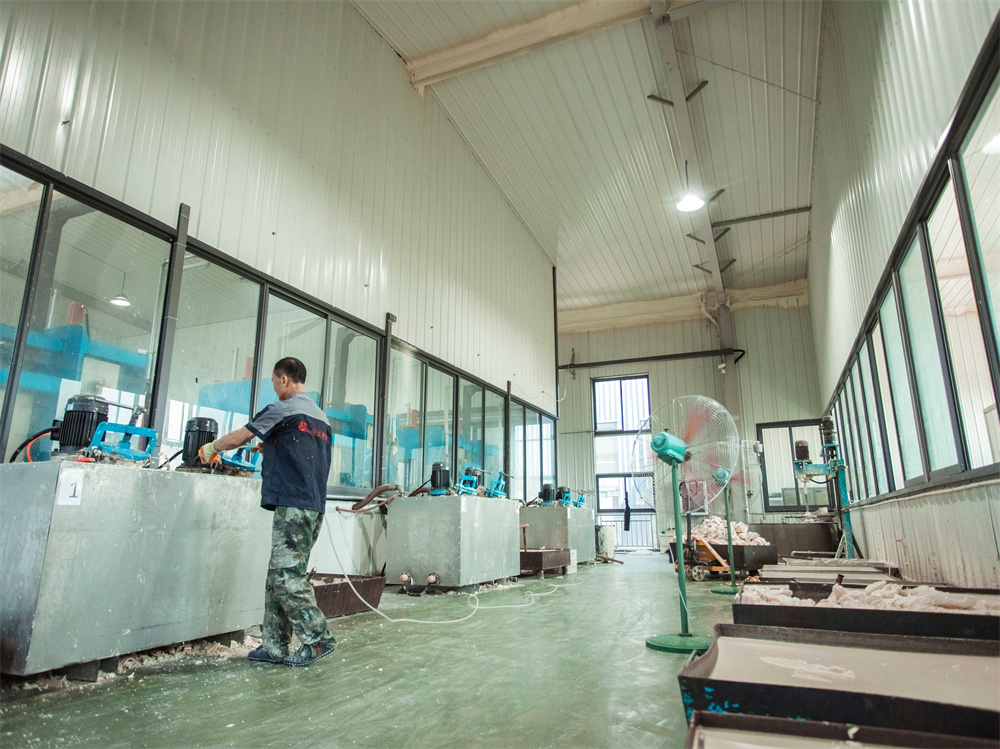
Equipped with internationally advanced automated casting production facilities and comprehensive physical and chemical analysis equipment, the company significantly enhances manufacturing efficiency and product quality stability.
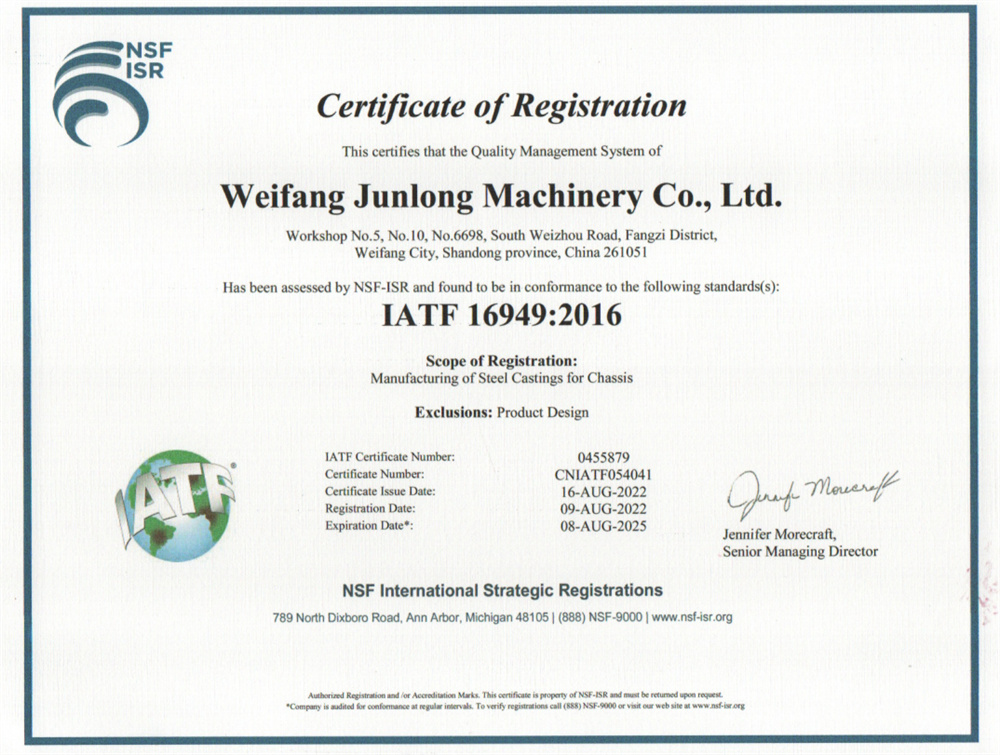
ISO 9001 / TS 16949 Certified
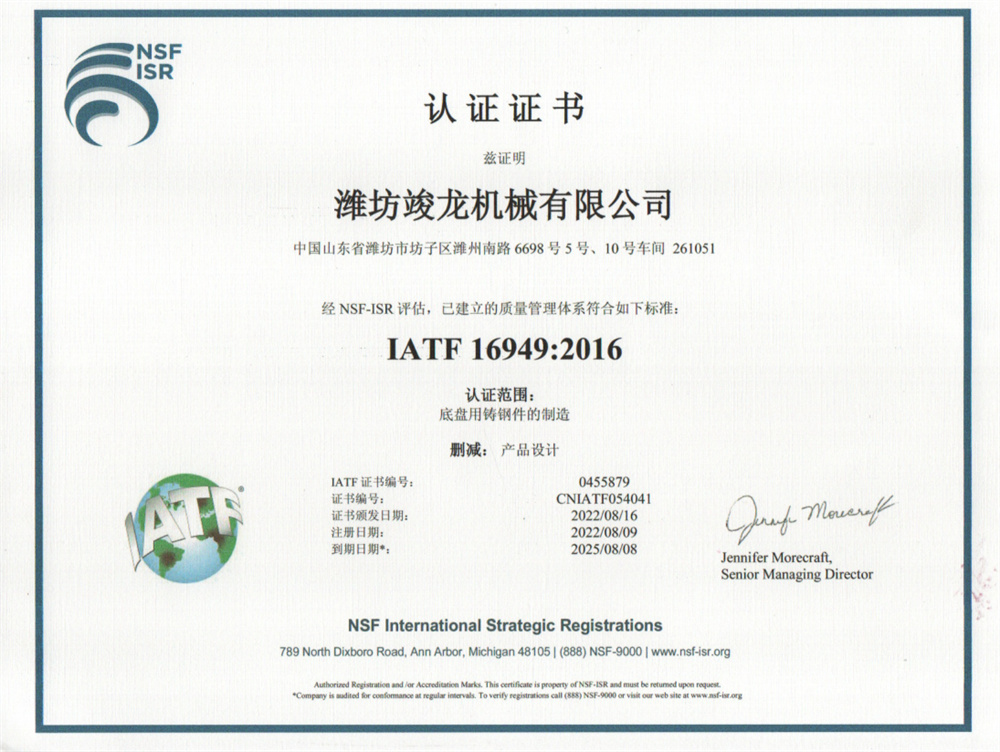
International Quality Standards

Full Process Traceability
Precision cast brake discs, calipers, and valve bodies using high-thermal conductivity alloys for safety-critical applications.
Structural components that demand high fatigue strength and dimensional stability to ensure passenger comfort and stability.
Heavy-duty carbon steel investment castings designed to manage massive longitudinal forces in freight locomotives.
Stainless steel architectural hardware and seating components that combine aesthetic finish with fire-safety requirements.
The company also serves as a key supplier of high-tech precision castings for industries such as automotive, rail transportation, engineering machinery, material handling machinery, agricultural machinery, and petroleum machinery.
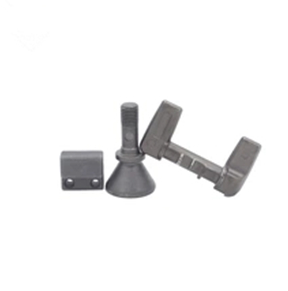
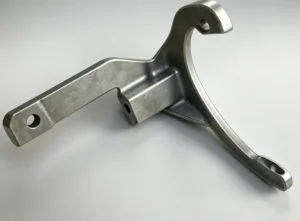
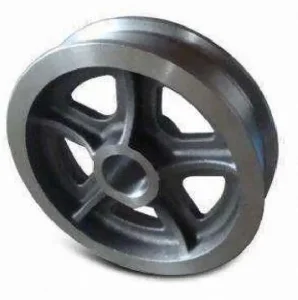
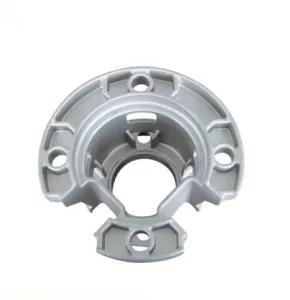
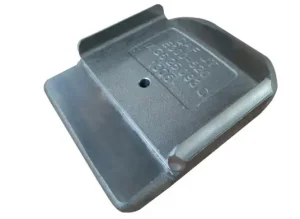
Precision Castings for Machinery Parts
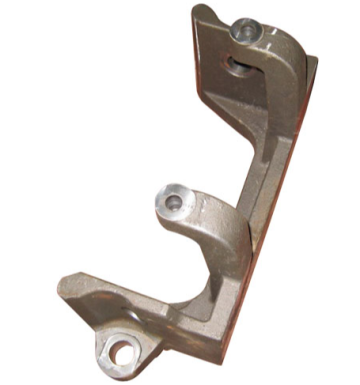
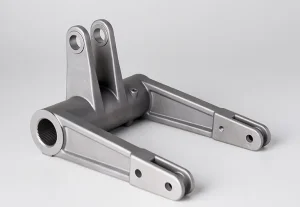
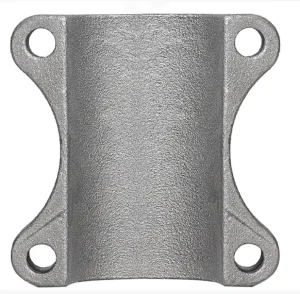
Precision casting of machinery
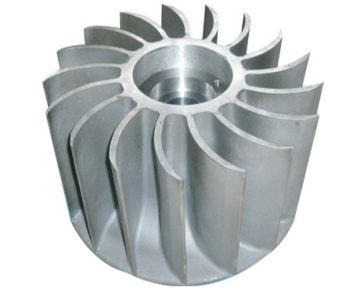
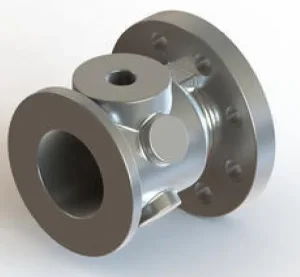
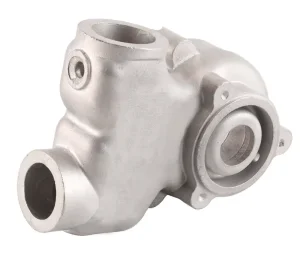
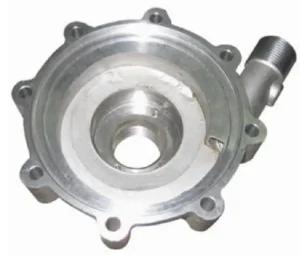
Pump Valve Accessories Precision Casting
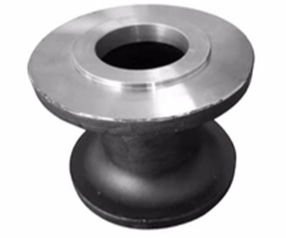
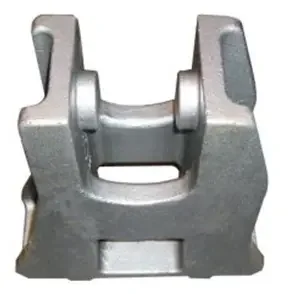
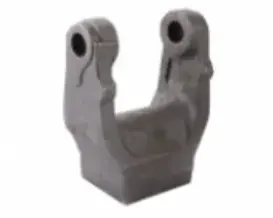
Alloy Steel Investment Casting of Forklift Part
Our company will continue to strengthen research and development efforts for new products and technologies, integrate advanced management and technical resources, build a powerful brand, and strive to become a world-class precision casting supplier!
REQUEST A CUSTOM QUOTE NOW Junlong