High-quality Casting Material
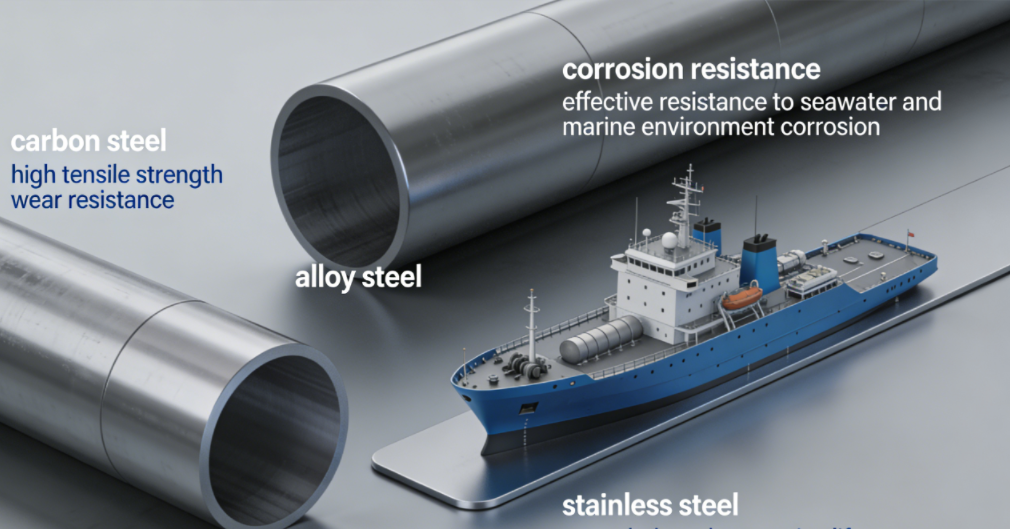
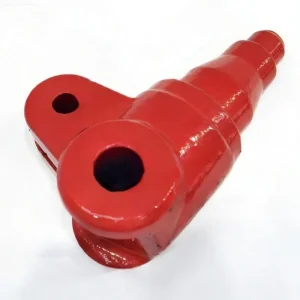
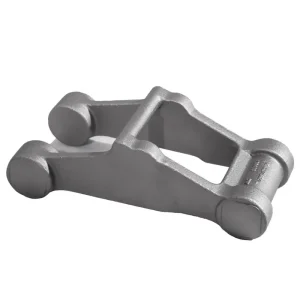
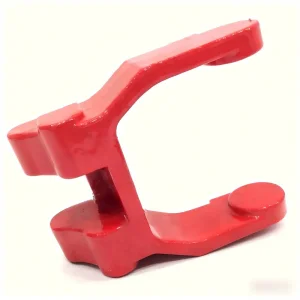
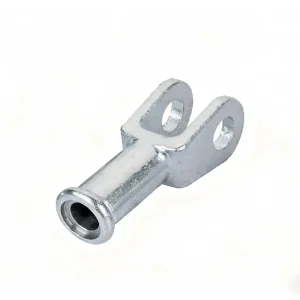
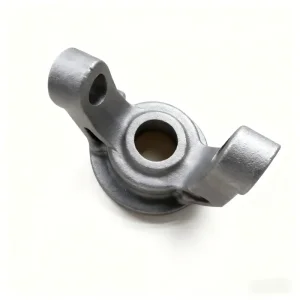
Adopt carbon steel, alloy steel or stainless steel raw materials meeting marine industry standards, with high tensile strength, wear resistance and corrosion resistance, effectively resisting the corrosion of seawater and marine environment, and extending the service life of the product.
Precision Casting Process
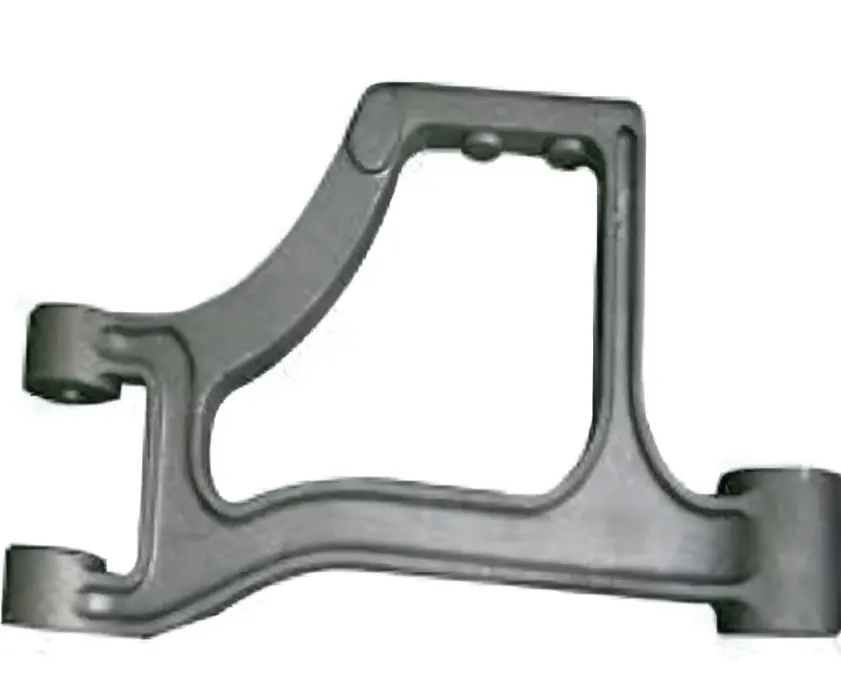
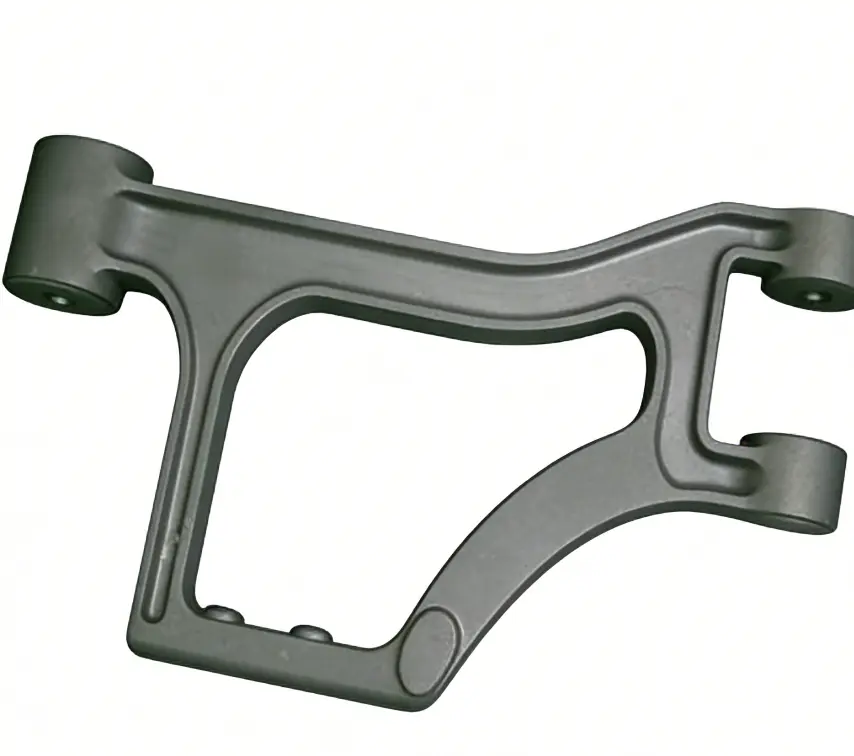
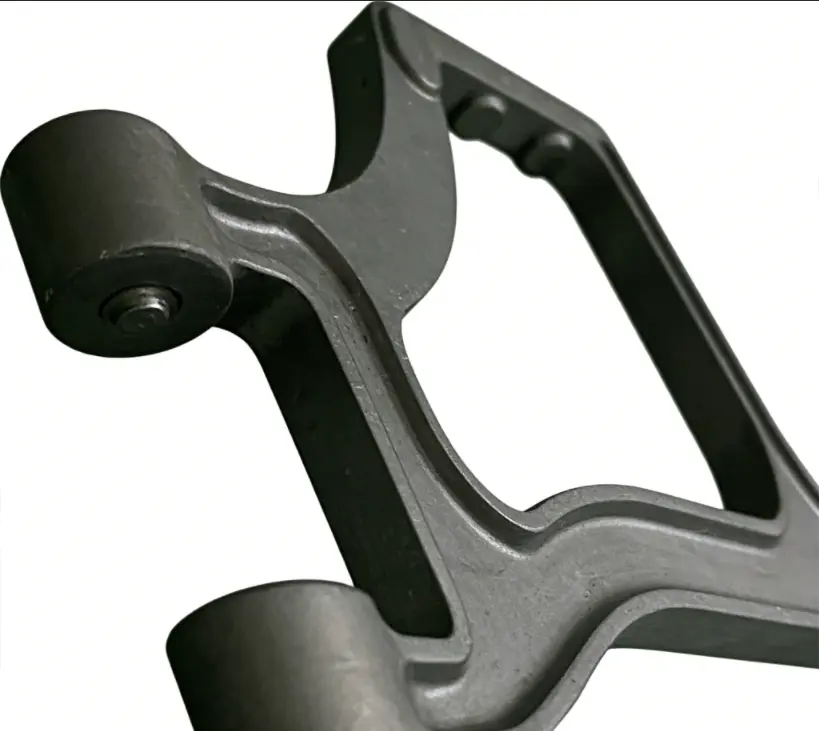
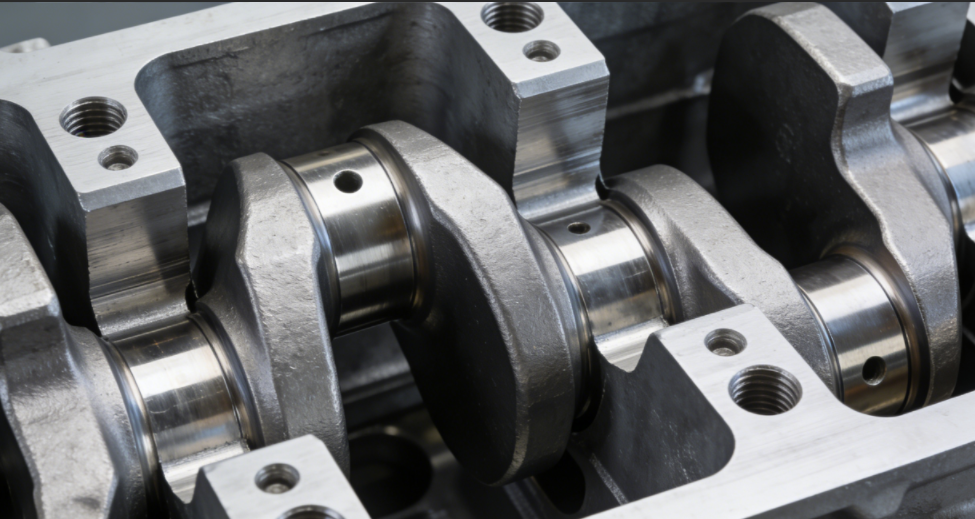
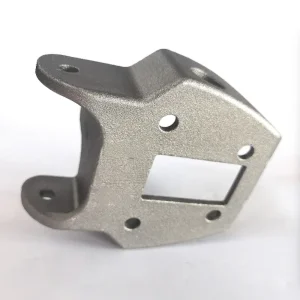
Adopt advanced precision casting technology, with high dimensional accuracy and smooth surface of the product, no obvious casting defects such as shrinkage cavity and sand hole. The matching gap with piston and crankshaft is strictly controlled to ensure stable and non-jamming power transmission.
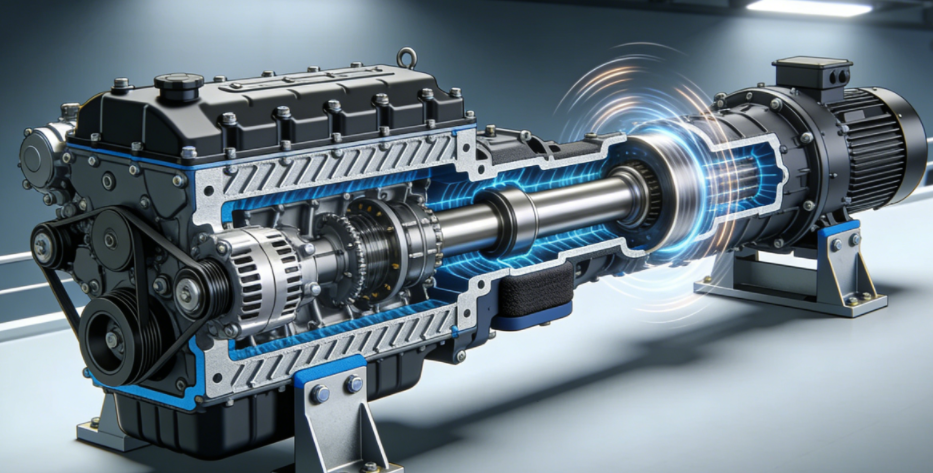
Optimize the structural design according to the mechanical characteristics of ship power systems, increase the structural strength of stress points, and adapt to the high-vibration and high-load working conditions of ships during navigation, with strong impact resistance and stable performance.
Frequently Asked Questions
Q1: What types of materials are used for these marine castings?
We utilize high-grade carbon steel, alloy steel, and stainless steel that strictly meet marine industry standards for maximum durability.
Q2: How do your products resist seawater corrosion?
By using corrosion-resistant raw materials specifically chosen for marine environments, our products effectively withstand harsh salt spray and seawater conditions.
Q3: What makes your precision casting process superior?
Our advanced technology ensures high dimensional accuracy, smooth surfaces, and eliminates common defects like shrinkage cavities or sand holes.
Q4: Are these parts compatible with high-vibration environments?
Yes, our special marine design optimizes structural strength at key stress points to handle high-vibration and high-load navigation conditions.
Q5: How is the mechanical fit ensured for engine components?
The matching gaps between critical parts like pistons and crankshafts are strictly controlled during casting to ensure smooth, non-jamming power transmission.
Q6: Does the design focus on long-term service life?
Absolutely. Between the material selection and structural optimization, our components are engineered to extend the service life of ship power systems.
 Junlong