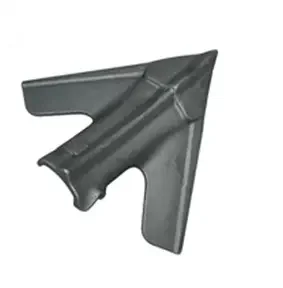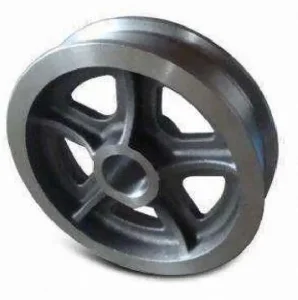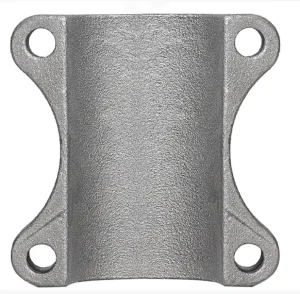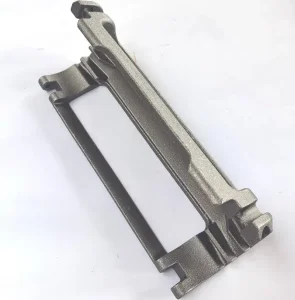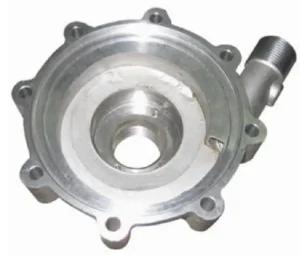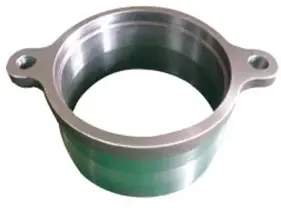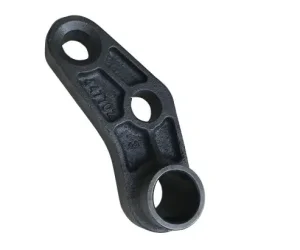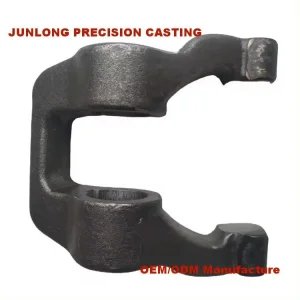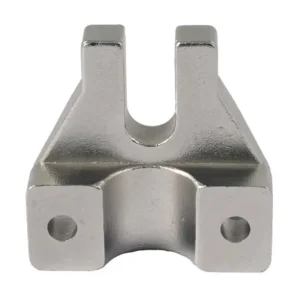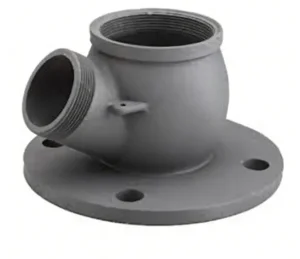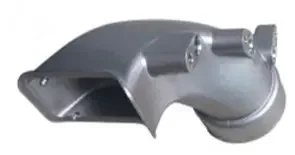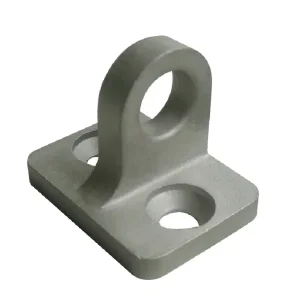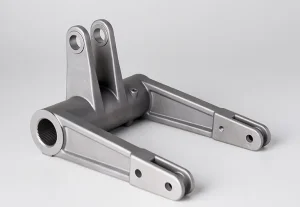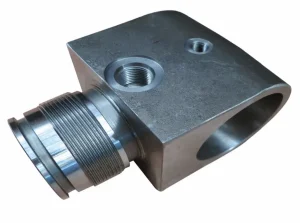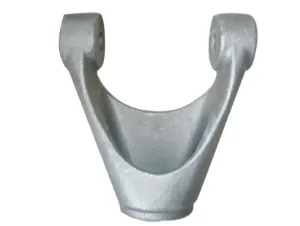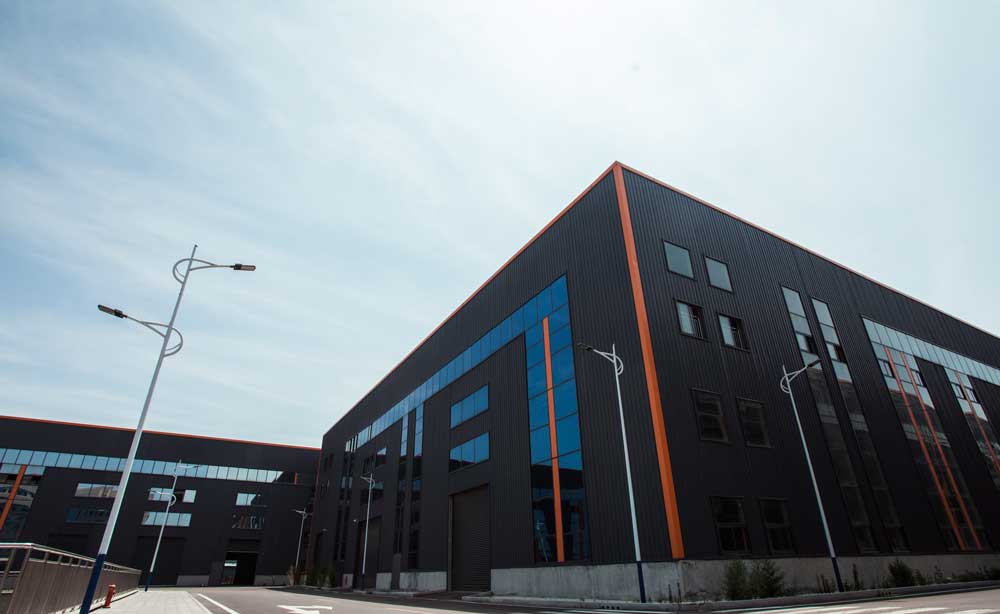
In the rapidly evolving landscape of global transit, the demand for high-reliability components is paramount. JUNLONG Machinery Co., Ltd., founded in 2014 and located in Weifang, Shandong, stands as a beacon of excellence in the field of Railway Part Investment Casting. With a sprawling 60,000 m² facility and an annual capacity of 20,000 tons, we specialize in bridging the gap between complex engineering designs and high-performance physical components.
Investment casting, often referred to as "lost wax casting," provides the geometric complexity and surface finish required for critical railway applications where traditional sand casting falls short. From bogie components to brake systems, our parts are engineered for durability, safety, and performance under extreme mechanical loads.
The strategic advantage of Chinese precision manufacturing in the rail sector.
Chinese leading factories like Junlong have transitioned to Industry 4.0. Our automated precision casting lines minimize human error, ensuring consistent metallurgical properties across large-scale production runs.
We provide a wide spectrum of materials including Carbon Steel (20Mn5), Alloy Steel, and 316 Stainless Steel. This versatility allows us to meet specific hardness, tensile strength, and corrosion resistance requirements for different rail environments.
By integrating the full industrial chain—from mold design to precision machining—we eliminate mid-layer costs and provide competitive pricing without compromising the safety standards required by global rail authorities.
Our proximity to major ports and established logistics networks allows for seamless export to Germany, the United States, Italy, and Canada, ensuring "Just-in-Time" delivery for modern assembly lines.
Utilizing 3D printed wax patterns and simulation software, we can reduce the lead time for new railway part development from months to weeks, facilitating faster innovation for our clients.
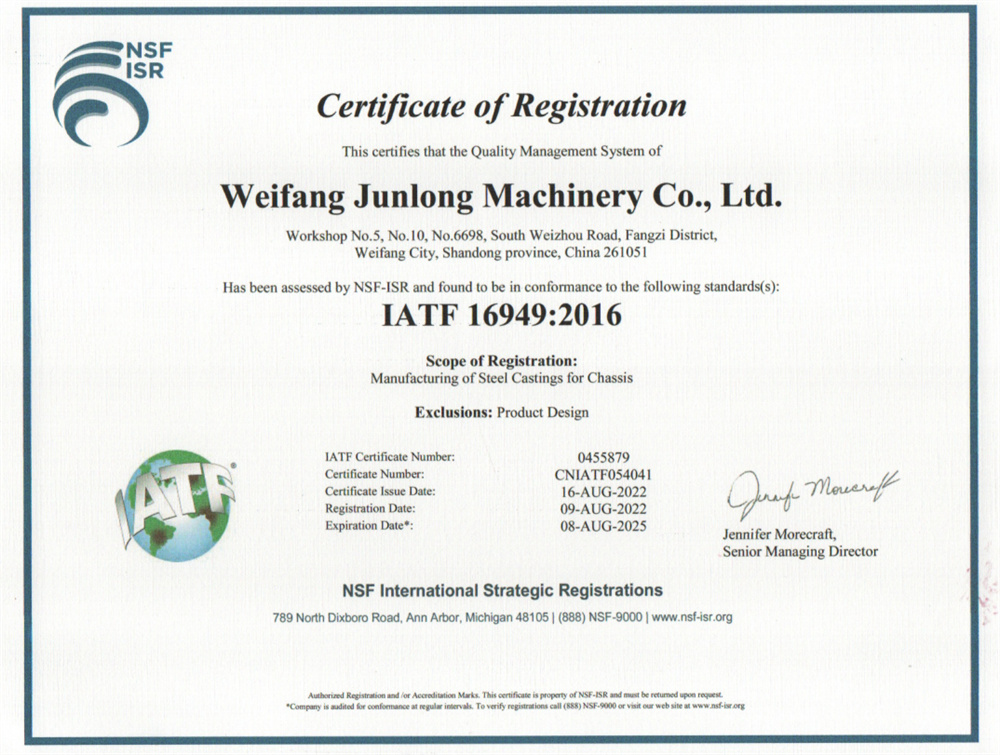
With ISO 9001 and TS 16949 certifications, every batch undergoes non-destructive testing (NDT), chemical analysis, and mechanical property verification to ensure zero-defect delivery.
As high-speed rail networks expand globally, there is a massive push for lightweight materials that do not sacrifice strength. Investment casting allows for thin-walled, complex geometries that reduce the weight of bogie frames and interior components, directly contributing to energy efficiency and reduced track wear.
Modern factories are shifting toward green casting. This includes the recycling of wax, sand, and metal scrap. Junlong is committed to reducing the carbon footprint of railway parts by optimizing furnace efficiency and utilizing sustainable energy sources in our 60,000 m² facility.
Before the first drop of metal is poured, our engineers use advanced simulation software to predict solidification patterns. This "Digital Twin" approach eliminates internal porosity and shrinkage defects, ensuring that parts like brake discs and couplers meet the highest safety ratings.
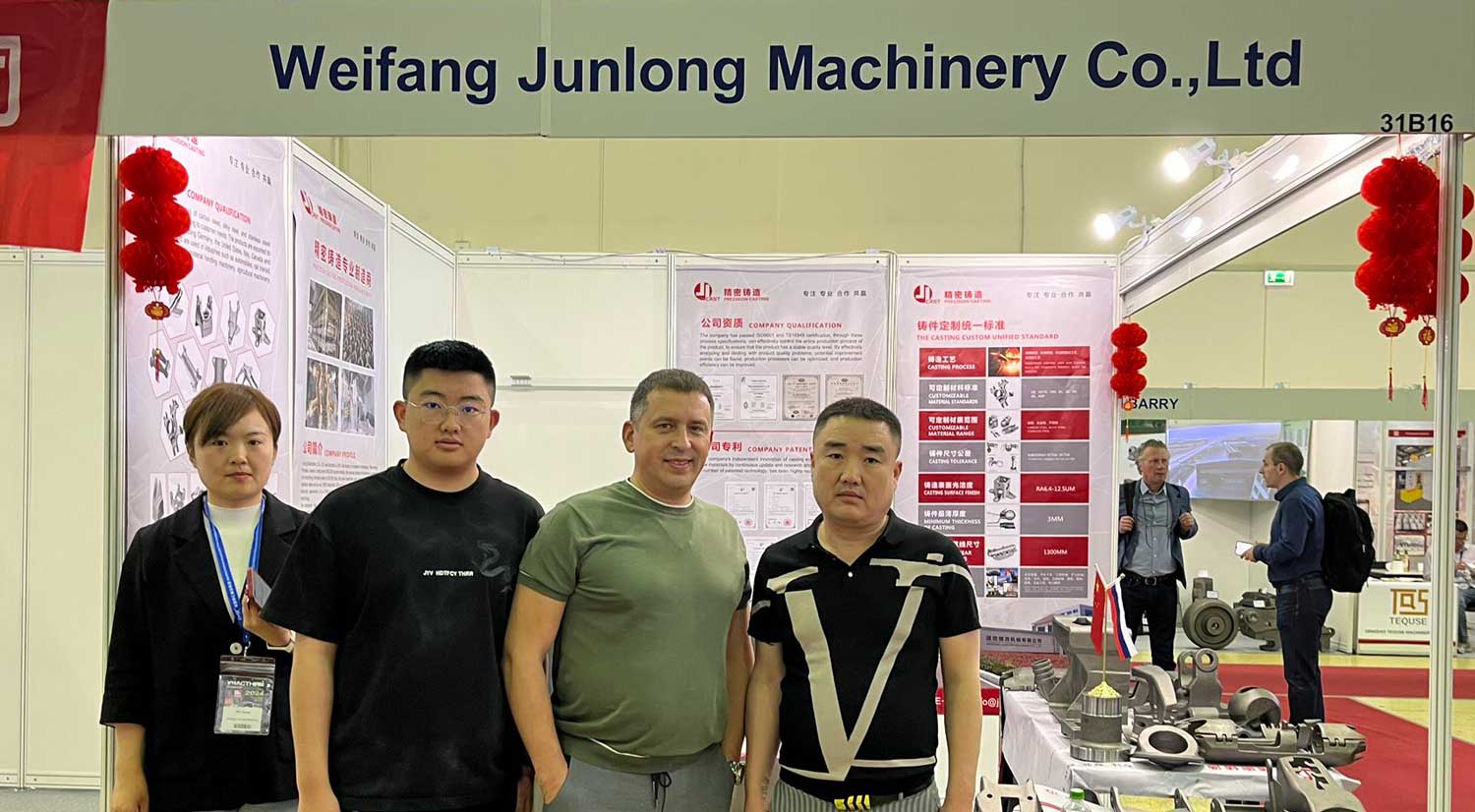
From Concept to Finished Component - A One-Stop Precision Partner
In-house CNC mold making ensures dimensional accuracy at the source, supporting complex internal structures and undercuts.
Utilizing lost wax technology for intricate parts with tight tolerances that other methods cannot achieve.
Equipped with horizontal and vertical machining centers for high-precision finishing and assembly-ready parts.
Comprehensive coating, plating, and heat treatment services to enhance wear resistance and longevity in the field.
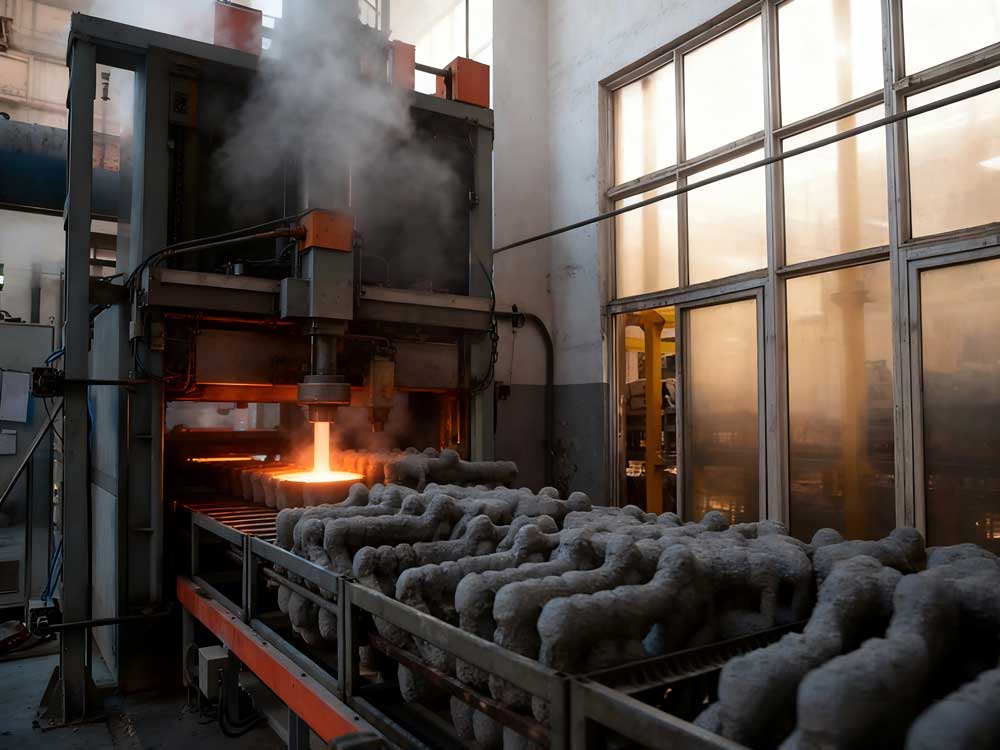
Our railway parts are not just components; they are critical safety elements used in various localized scenarios:
Ensuring process control over every production detail.
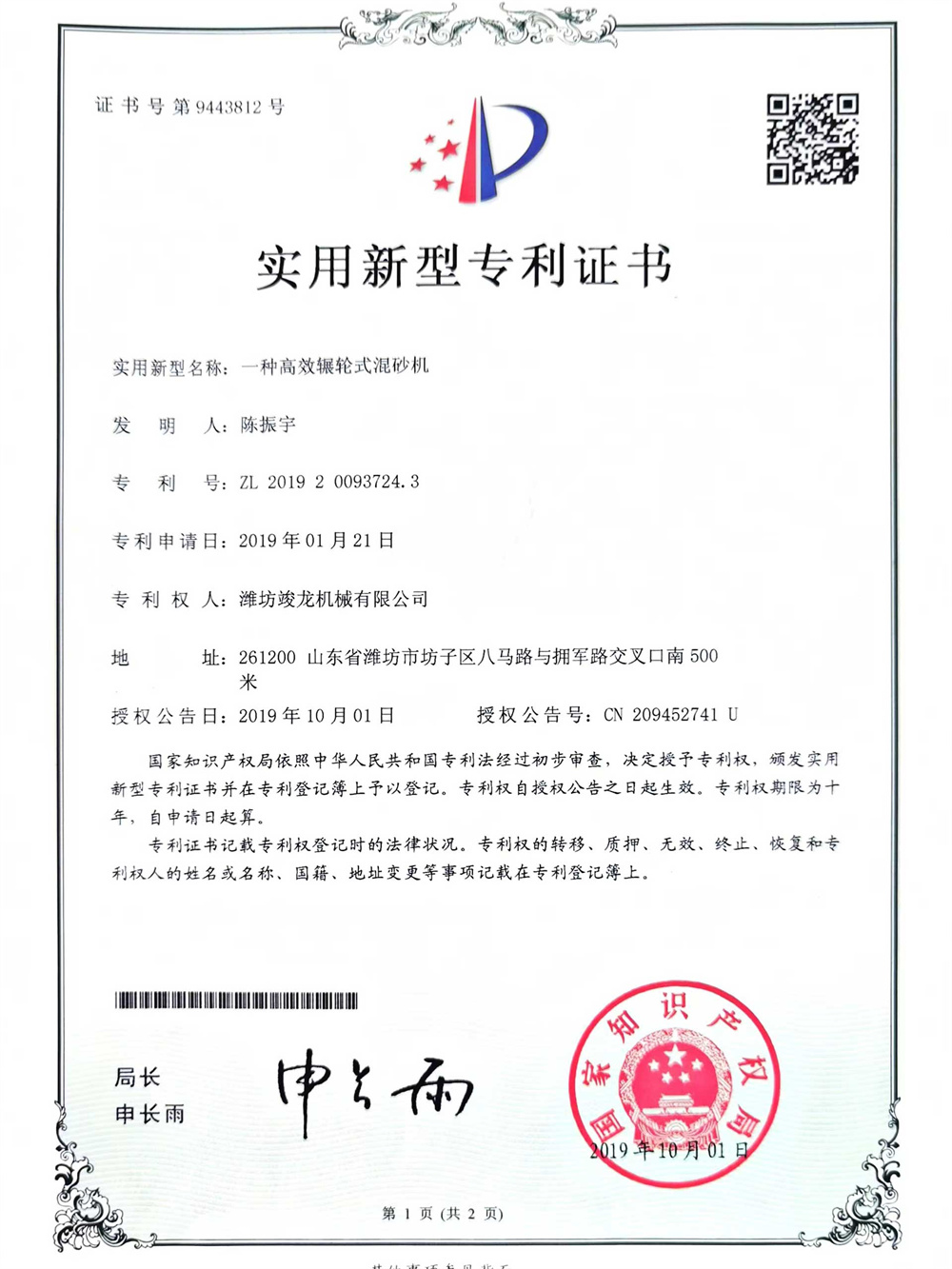
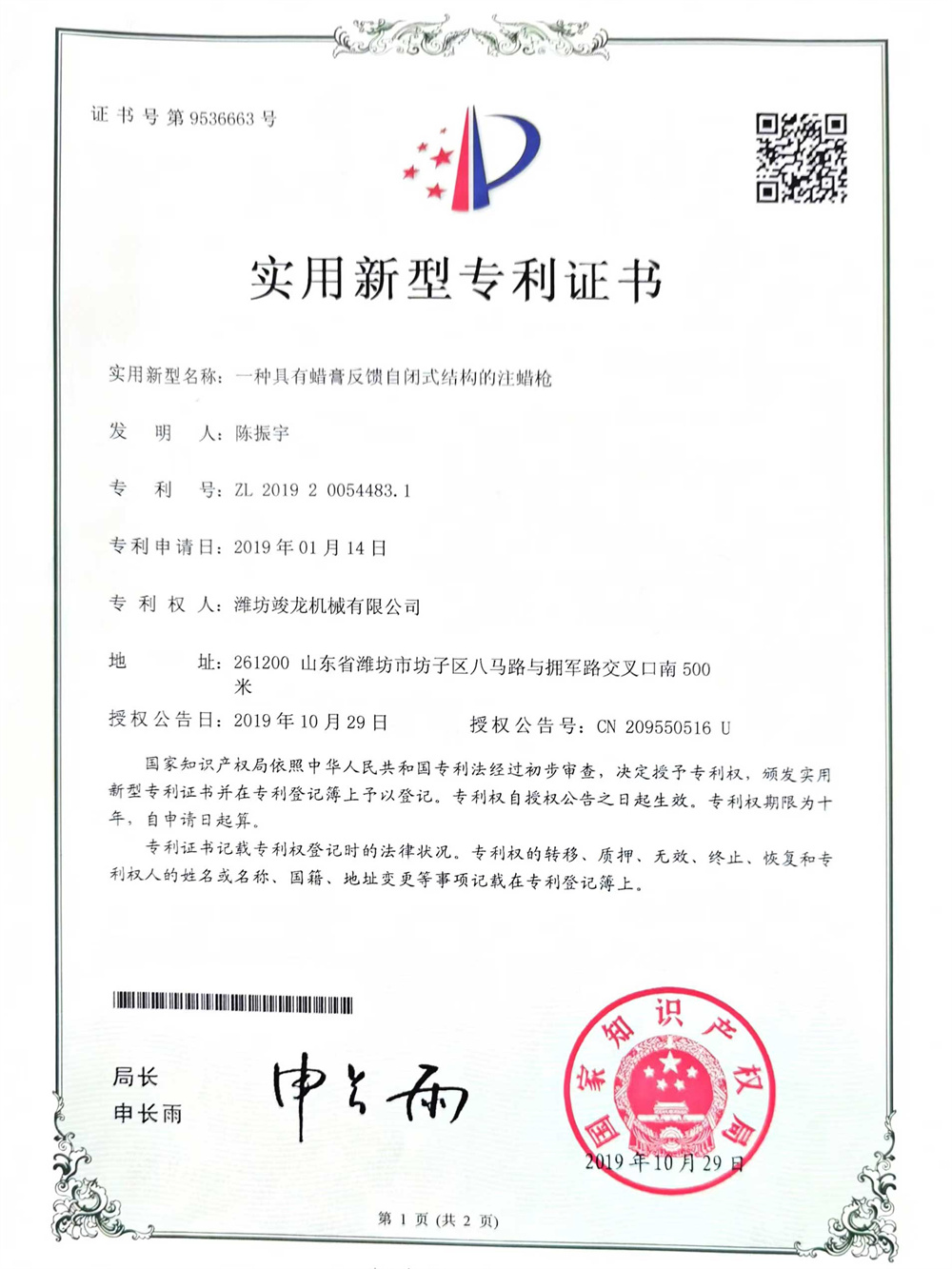
Answering common queries regarding Railway Casting procurement and technical specs.
 Junlong