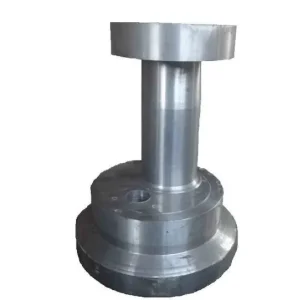
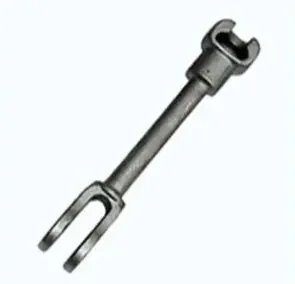
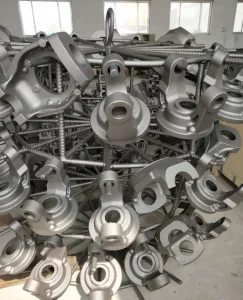
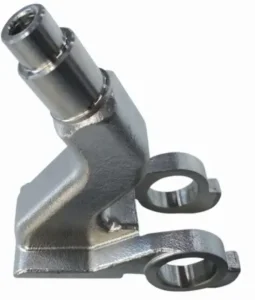
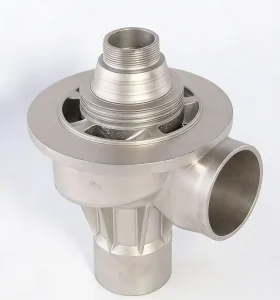
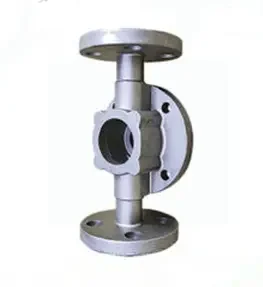
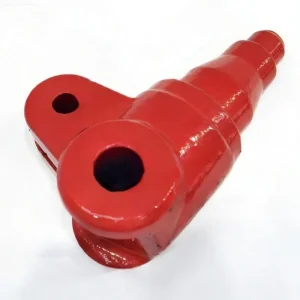
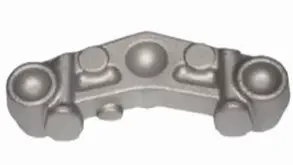
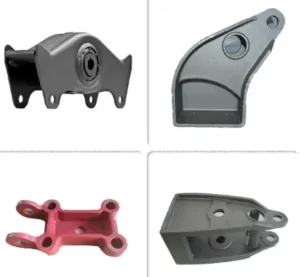
The global forklift market is undergoing a paradigm shift, driven by warehouse automation, the rise of e-commerce, and the transition to electric powertrains. For Forklift Suppliers & Manufacturers, the reliability of structural components is paramount. Alloy steel investment casting, particularly the lost wax process, stands as the gold standard for producing complex, high-strength parts like steering knuckles, hydraulic cylinders, and carriage brackets.
Currently, the demand for Custom Alloy Steel Investment Casting is surging at a CAGR of 6.5%. As forklifts operate in increasingly extreme environments—from sub-zero cold storage to high-heat foundries—the metallurgy of alloy steel must be tailored for specific impact toughness and fatigue resistance.
The industry is moving toward "Lightweighting" without compromising strength. By utilizing alloys like 4140 or 8620 steel through investment casting, manufacturers can reduce the weight of components while enhancing load-bearing capacity, directly contributing to energy efficiency in electric forklifts.
Global manufacturers are shifting toward vertically integrated suppliers who can provide "Cast-to-Finish" solutions. This reduces lead times and minimizes the risk of dimensional non-conformity between different production stages.
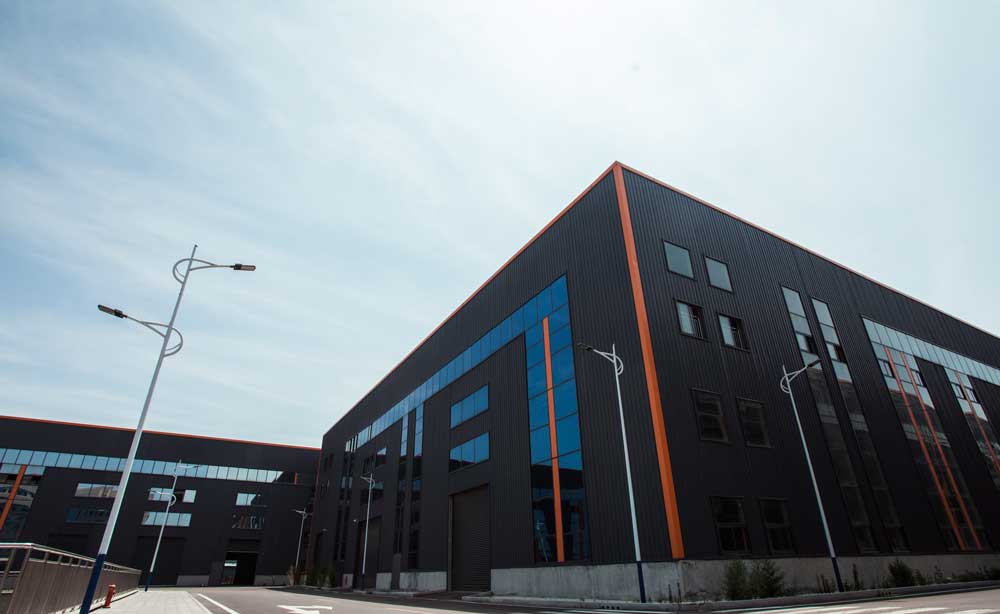
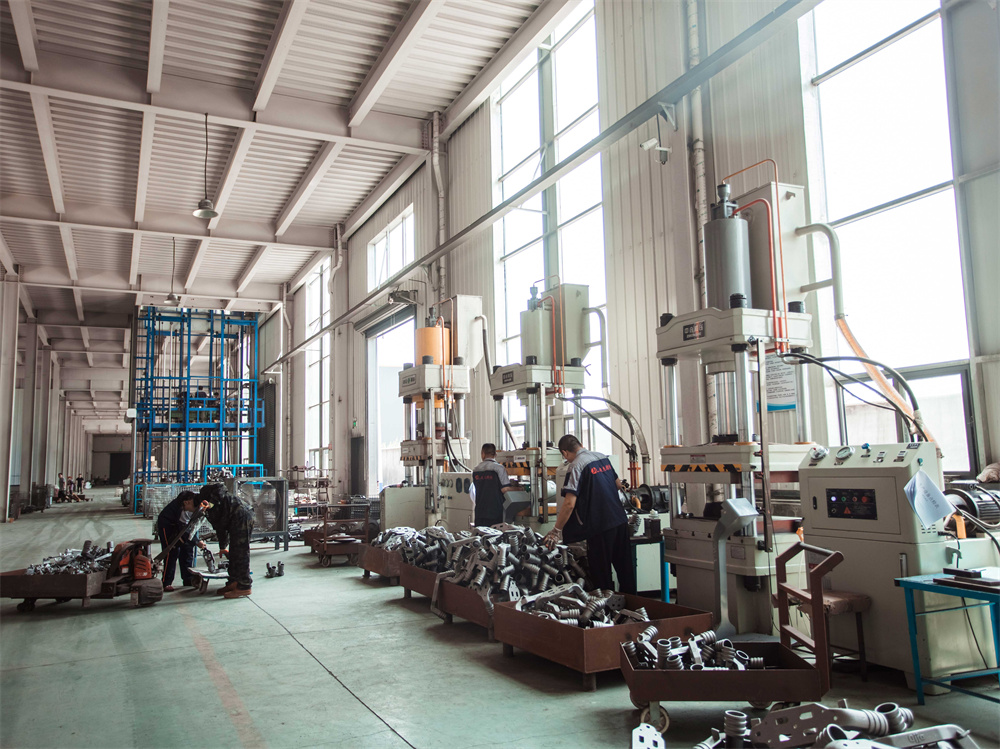
JUNLONG Machinery Co., Ltd., founded in 2014 and located in Weifang, Shandong, has established itself as a premier global hub for precision metal components. With a sprawling 60,000 square meter facility and an annual production capacity of 20,000 tons, we bridge the gap between complex engineering designs and high-performance physical reality.
Specializing in carbon steel, alloy steel, and stainless steel, our team of over 200 employees, including 30+ dedicated engineering technicians, ensures that every casting meets the rigorous standards of international forklift manufacturers.
Year Founded
Total Area
Annual Capacity
Expert Employees
Our commitment to R&D ensures that we are not just following industry trends, but setting them through advanced manufacturing processes.
Utilizing MagmaSoft for casting simulation to eliminate porosity and shrinkage before the first wax pattern is even injected. This "Right First Time" approach saves weeks in the development cycle.
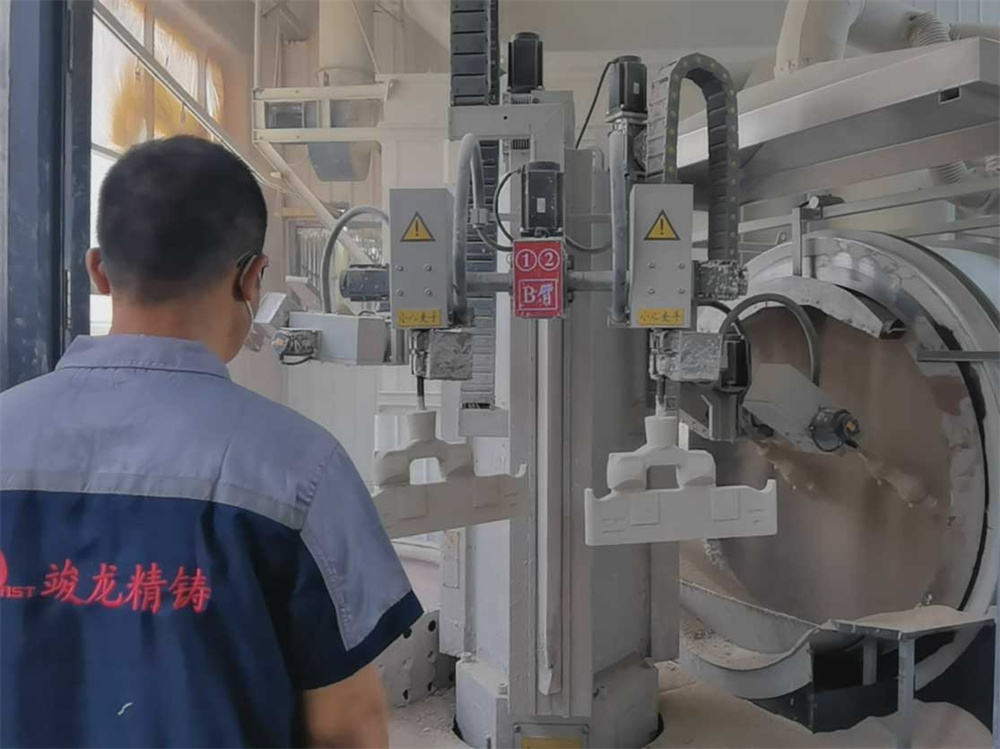
Transitioning to automated ceramic shell dipping and robotic grinding. Automation ensures consistent surface finishes and eliminates human error in high-volume forklift part production.
Integrating OES spectral analysis and X-ray NDT results into a digital cloud, allowing our global clients in the US and Germany to verify material integrity in real-time.
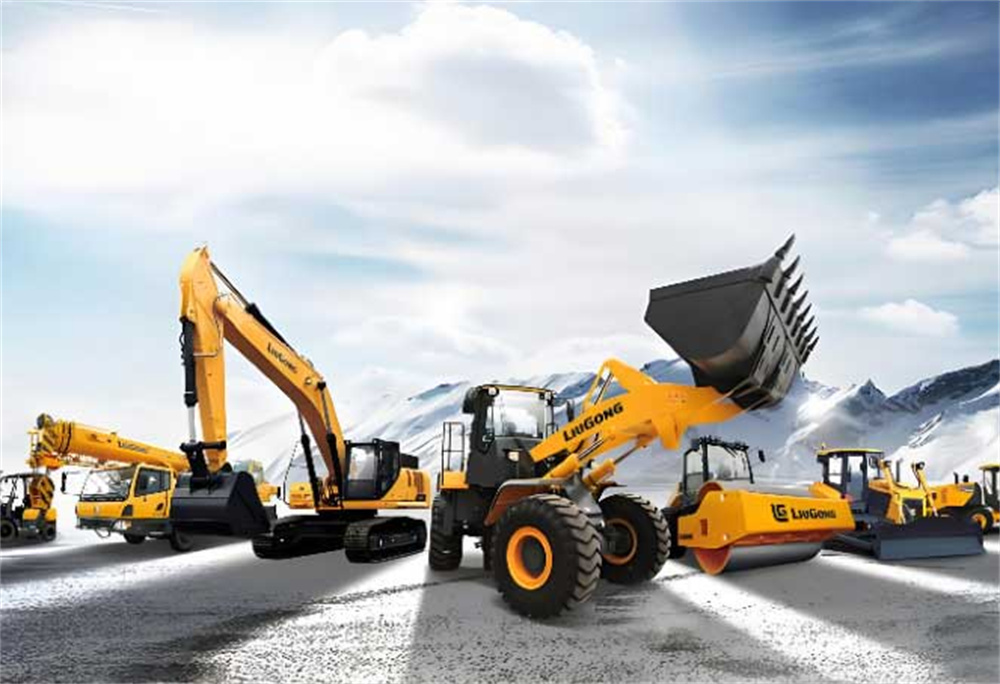
Forklifts used in mining and outdoor construction require alloy steel castings that can withstand high impact loads and corrosive dust. Our parts are heat-treated to ensure maximum surface hardness and core toughness.
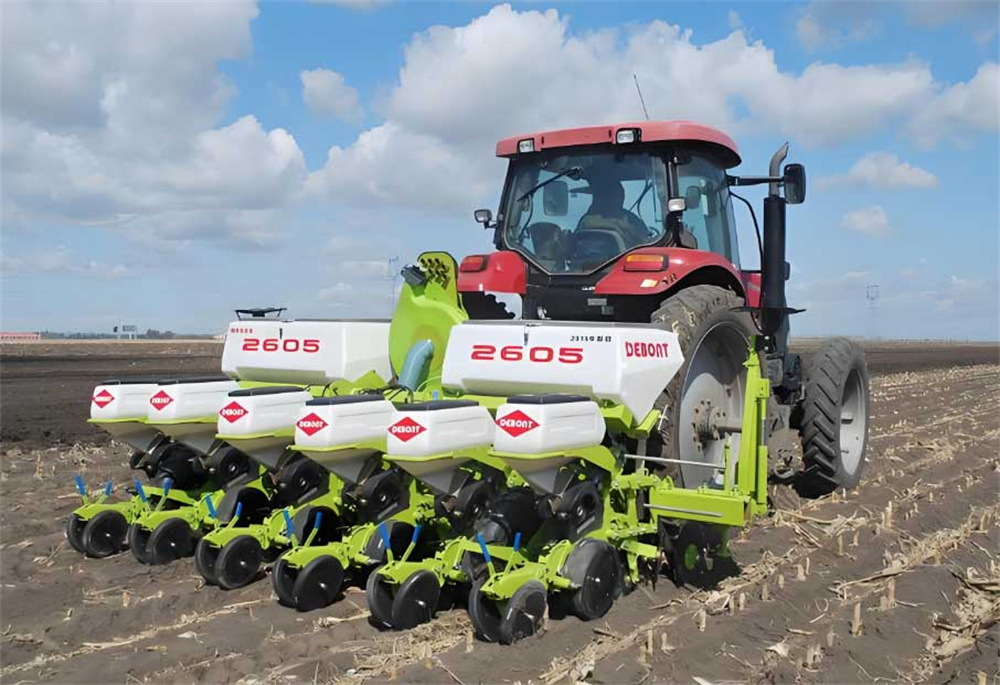
In farming and food processing, precision is key for attachment systems. Our lost wax casting process provides the tight tolerances necessary for quick-attach forklift accessories.
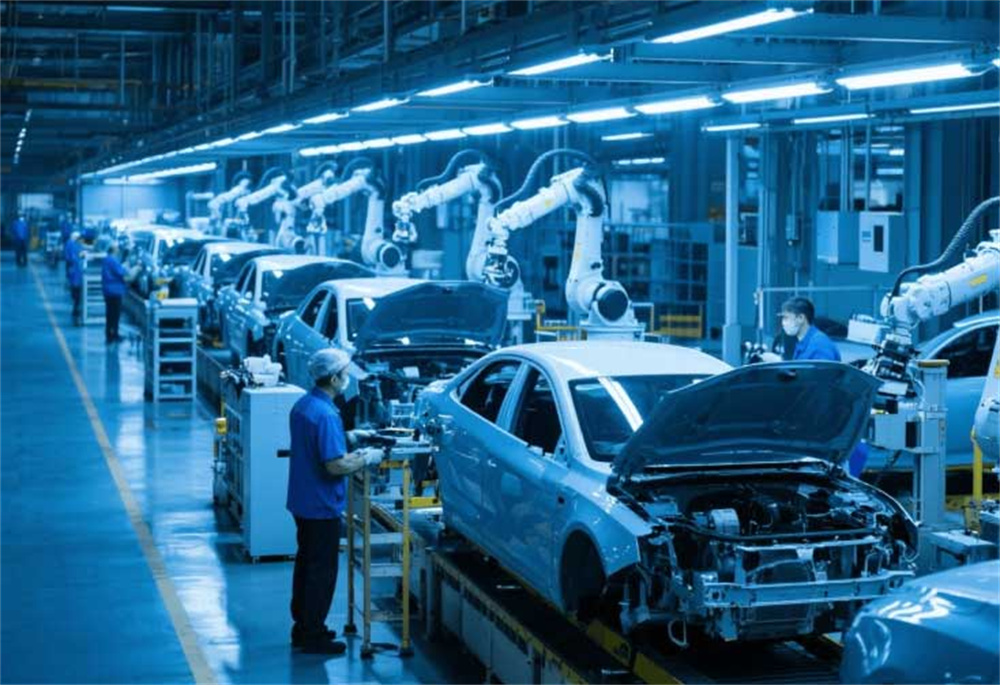
For AGVs and automated reach trucks, component weight directly impacts battery life. We use precision casting to create hollow, high-strength structures that traditional sand casting cannot achieve.
We solve the "Fragile Supply Chain" problem by offering a one-stop precision manufacturing partnership. Our core competitive advantage lies in the seamless integration of four key pillars:
In-house CNC toolroom ensures that dimensional accuracy is controlled from the source. We handle complex internal geometries that others find impossible.
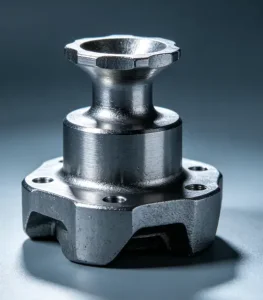
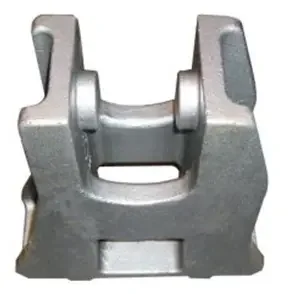
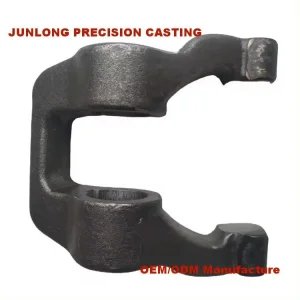
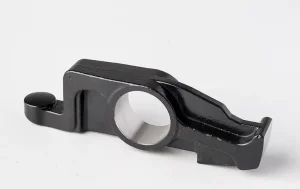
The core process where molten alloy steel is transformed into near-net-shape components with a superior surface finish (Ra 3.2-6.3).
Equipped with horizontal and vertical machining centers, CNC lathes, and grinders, providing ready-to-assemble finished parts.
From zinc plating to powder coating and heat treatment, we ensure the component survives the aesthetics and durability tests of the modern market.
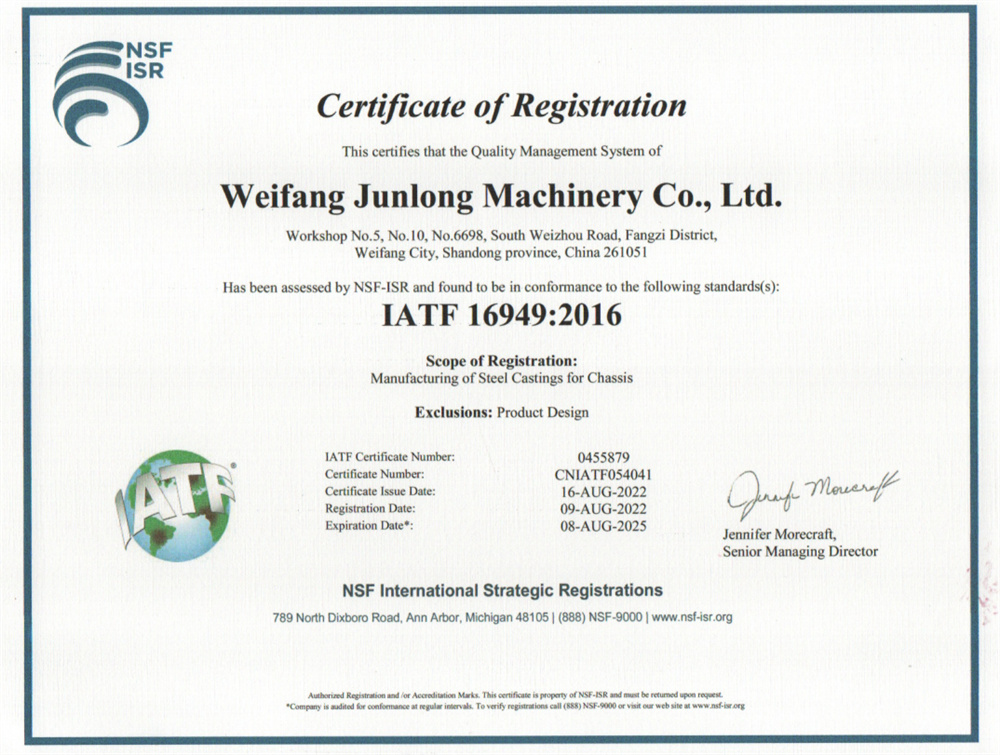
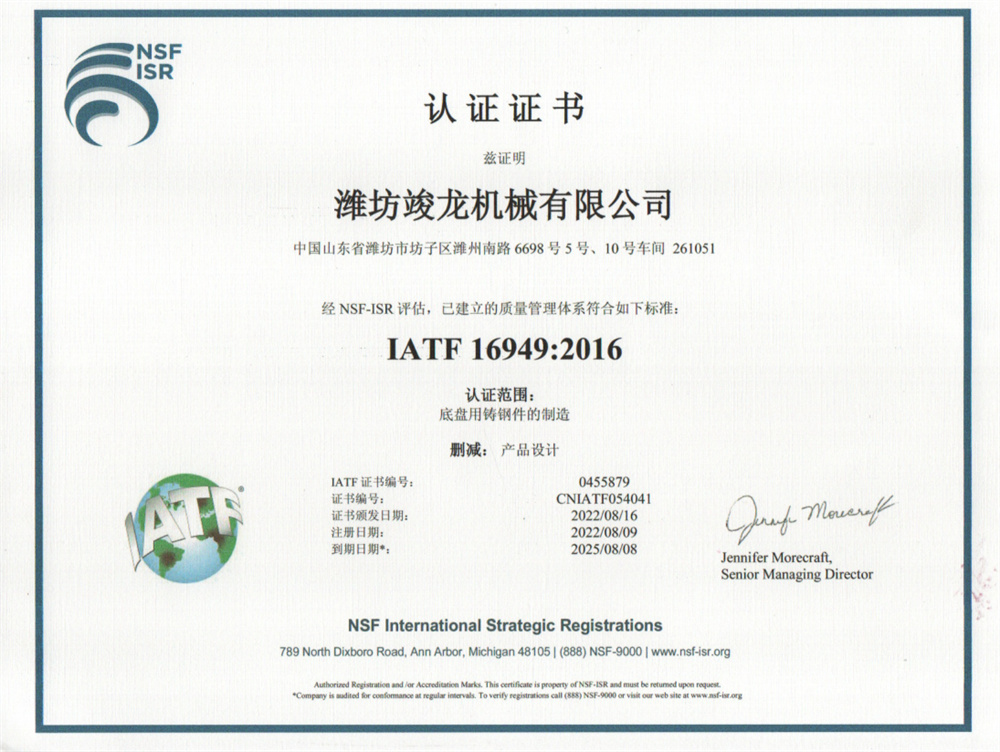
In the world of heavy machinery, Trust is earned through Verification. Our facilities are certified to the highest international standards, ensuring every part we ship is traceable and safe.
Advanced physical and chemical analysis equipment ensures stable mechanical performance across every batch.
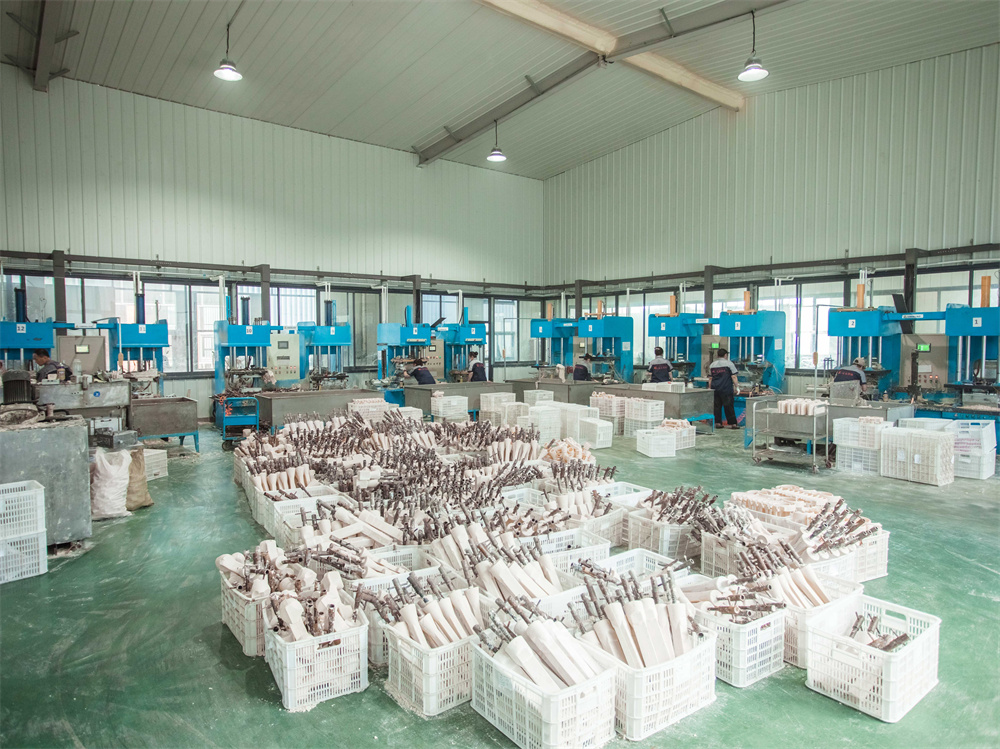
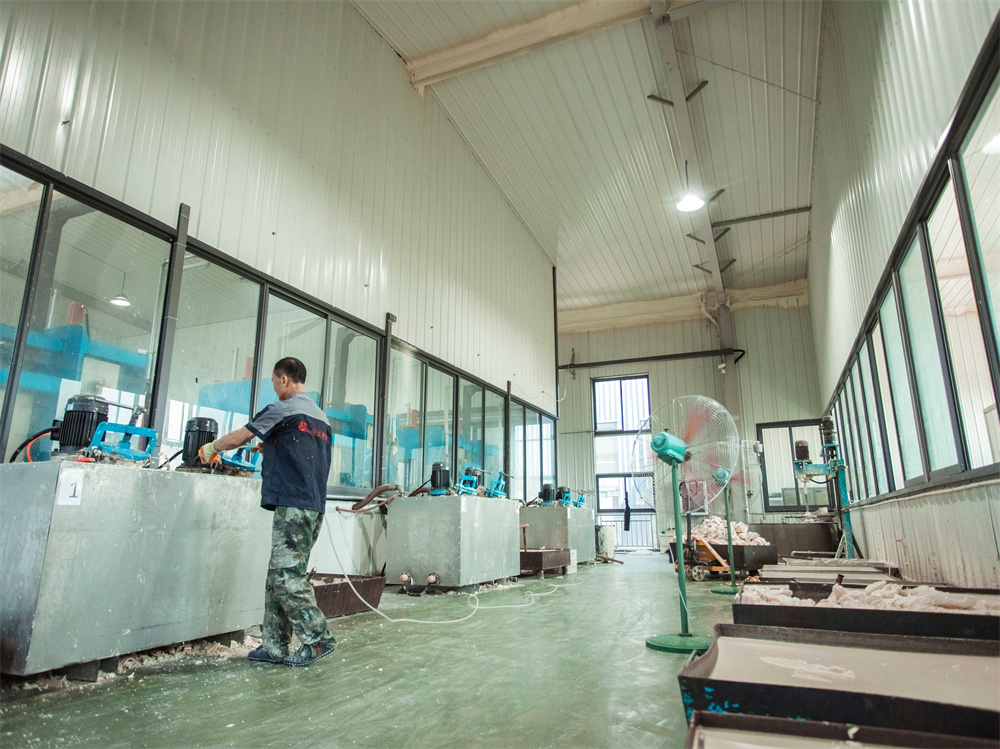
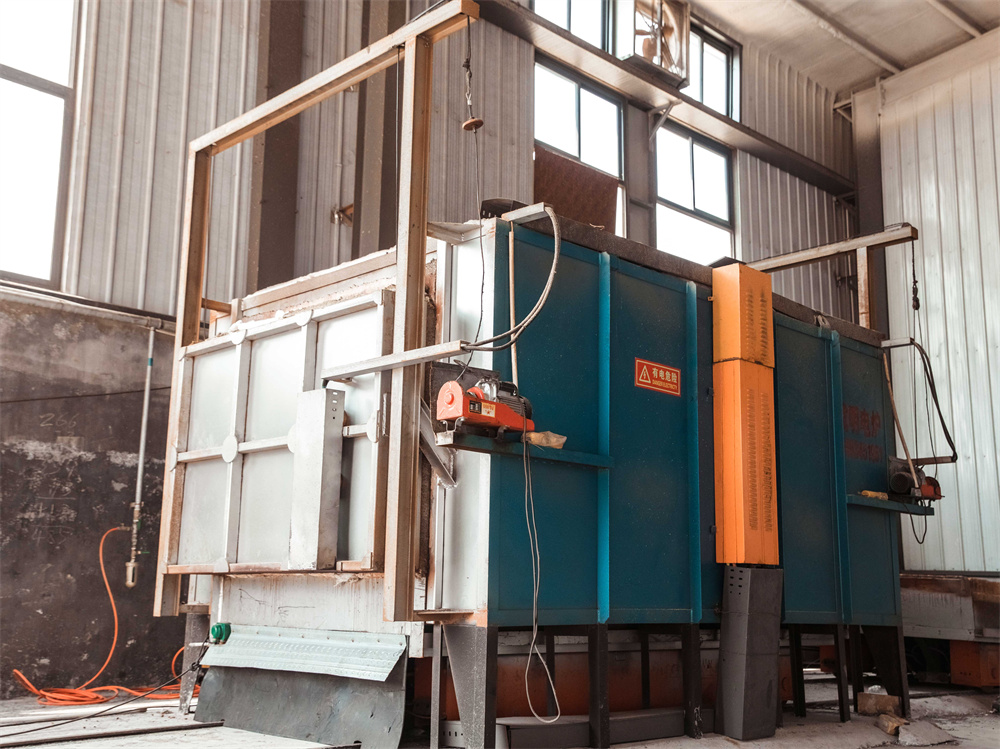
Alloy steel contains additional elements like chromium, molybdenum, and nickel, which significantly enhance wear resistance, toughness, and tensile strength—critical for forklift components under constant stress.
Typically, mold manufacturing takes 2-4 weeks, depending on complexity. Our in-house CNC shop allows us to expedite this process for urgent prototype requirements.
Yes, every batch is accompanied by a Material Test Report (MTR) including spectral analysis results and mechanical property testing (Tensile, Yield, Hardness, Impact).
We typically achieve CT5-CT6 tolerances according to ISO 8062, which reduces or eliminates the need for secondary machining on non-critical surfaces.
Absolutely. Our flexible production lines allow us to handle both high-volume OEM contracts and specialized small-batch runs for custom material handling equipment.
Ready to optimize your forklift components? Our engineering team is standing by to review your blueprints and provide a comprehensive casting solution that balances cost, performance, and lead time.
Inquiry Now & Get a 24-Hour Response
 Junlong