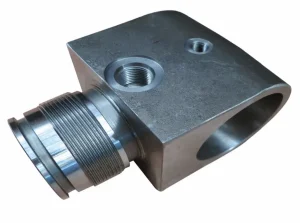
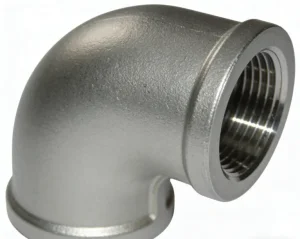
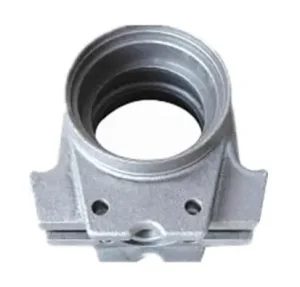
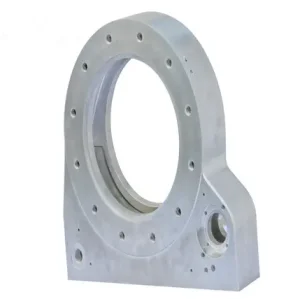
The global precision casting market, particularly in the realm of Carbon Steel Pump Valve Precision Casting, is undergoing a seismic shift. As industrial infrastructure projects expand across Southeast Asia, North America, and Europe, the demand for high-integrity fluid control components has reached an all-time high. Carbon steel remains the material of choice due to its exceptional balance of tensile strength, ductility, and cost-effectiveness. In 2024, the market for valve castings alone is projected to grow at a CAGR of 5.8%, driven by the resurgence of the petrochemical and water treatment industries.
Modern "Smart Factories" are no longer just casting metal; they are integrating AI-driven simulation software to predict solidification patterns and minimize defects. This technological evolution ensures that manufacturers like JUNLONG Machinery can deliver "zero-defect" products to stringent global markets including Germany, the USA, and Italy.
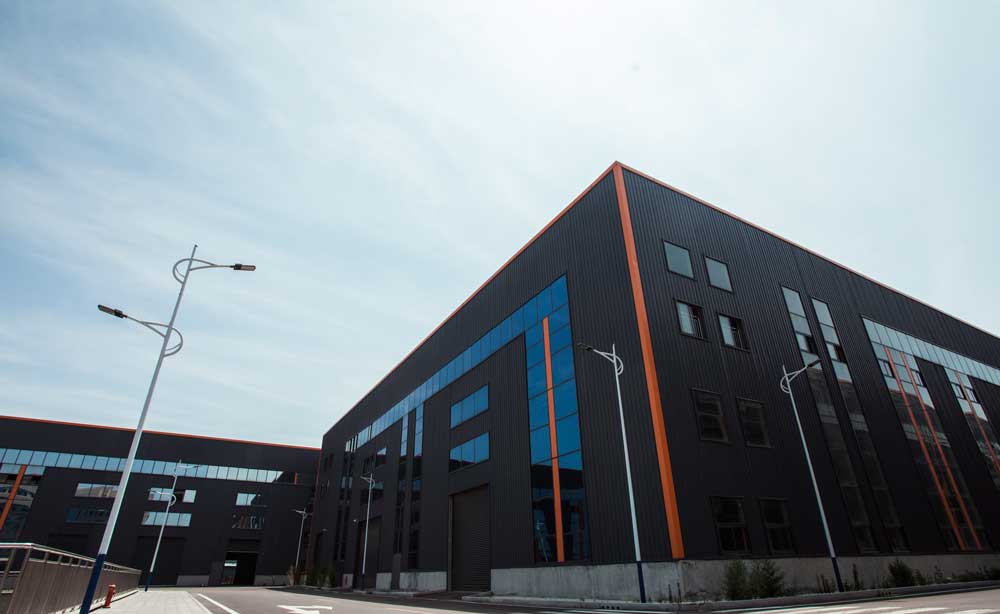
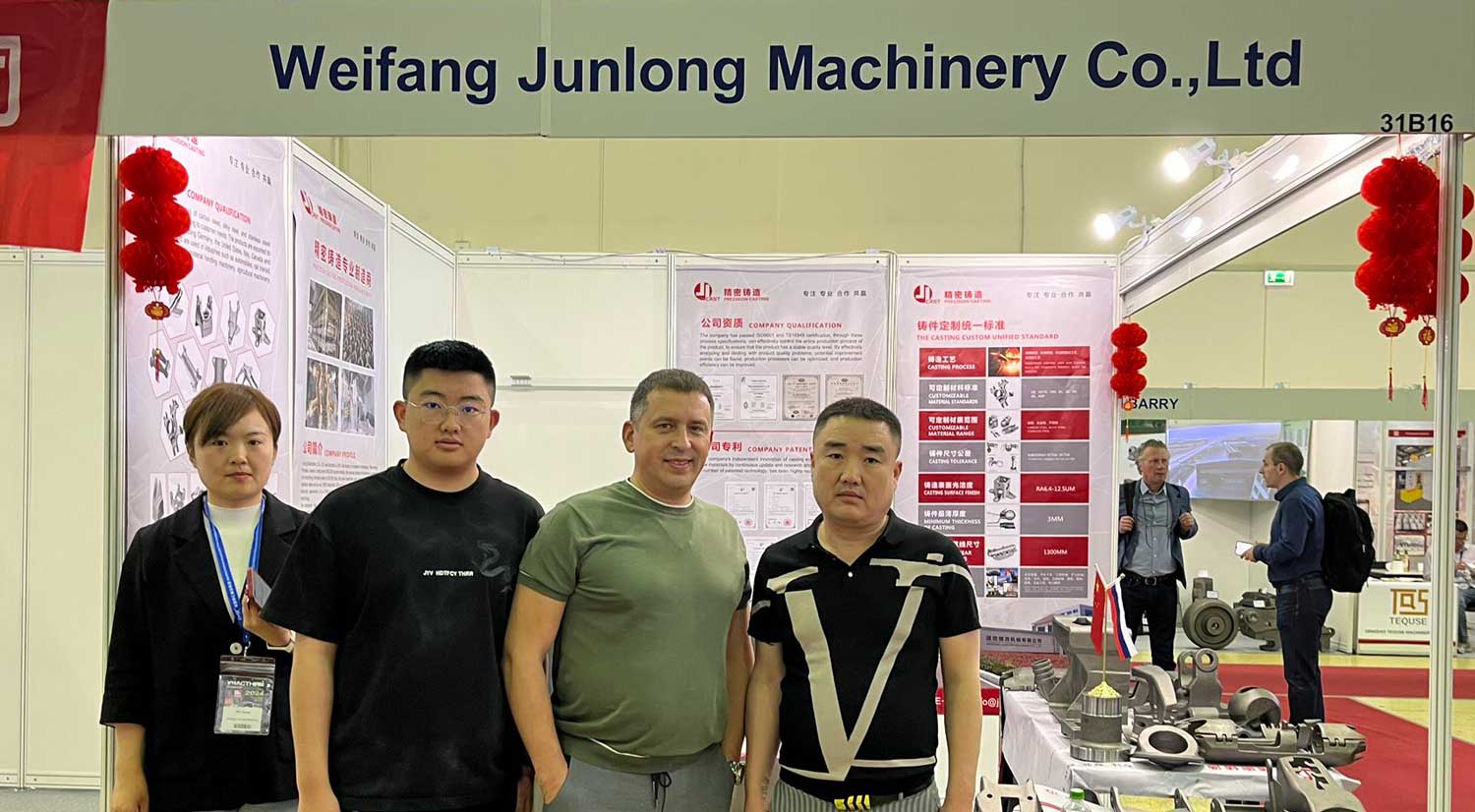
Founded in 2014 and located in Weifang, Shandong, JUNLONG Machinery Co., Ltd. has established itself as a premier global casting leader. With over 200 dedicated employees, including 30+ senior engineering technicians, we bridge the gap between complex engineering concepts and physical precision components.
Our facility covers 60,000 square meters, housing advanced automated casting lines that specialize in Carbon Steel, Alloy Steel, and Stainless Steel. We are not just a supplier; we are an engineering partner for mid-to-high-end clients in Europe and America.

Utilizing CAD/CAM and MagmaSoft simulation to analyze thermal balance, ensuring the integrity of complex valve internal galleries.
High-precision wax injection creates identical replicas of the final part, allowing for tolerances as tight as ISO 8062-3 CT5.
Multi-layered robotic dipping and stuccoing creates a robust mold capable of withstanding the intense pressure of molten carbon steel.
Induction melting under controlled atmospheres ensures the chemical composition (C, Mn, Si) matches international standards like ASTM A216.
| Material Grade | Tensile Strength (min) | Yield Strength (min) | Key Applications |
|---|---|---|---|
| WCB (Standard Carbon Steel) | 485 MPa | 250 MPa | General purpose valves & pumps |
| WCC (High Ductility) | 485 MPa | 275 MPa | High-pressure pipeline components |
| LCB/LCC (Low Temp) | 450-485 MPa | 240-275 MPa | Cryogenic gas handling, Arctic pipelines |
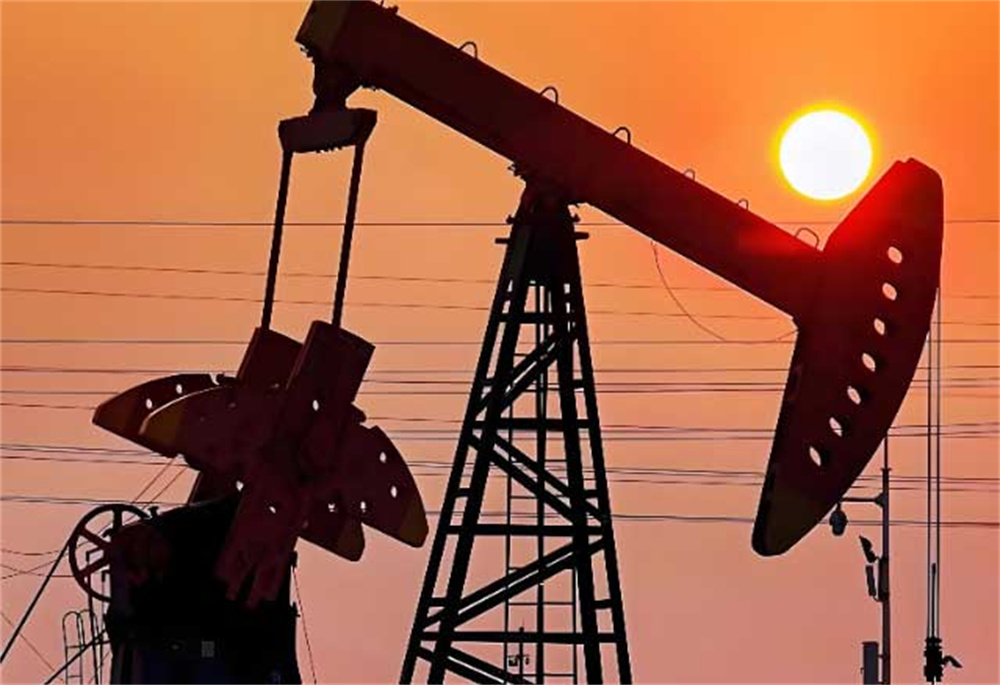
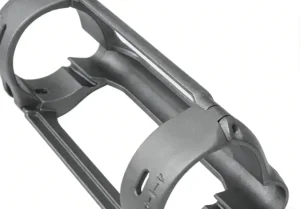
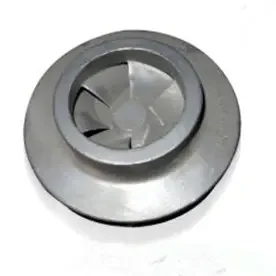
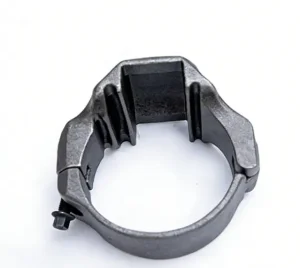
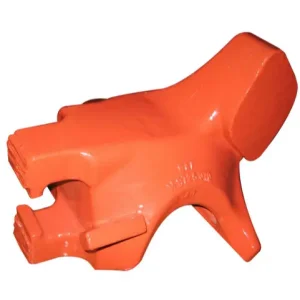
Our OEM oil cable centralizers and pump housings are engineered for extreme depth and corrosive environments, meeting API standards.
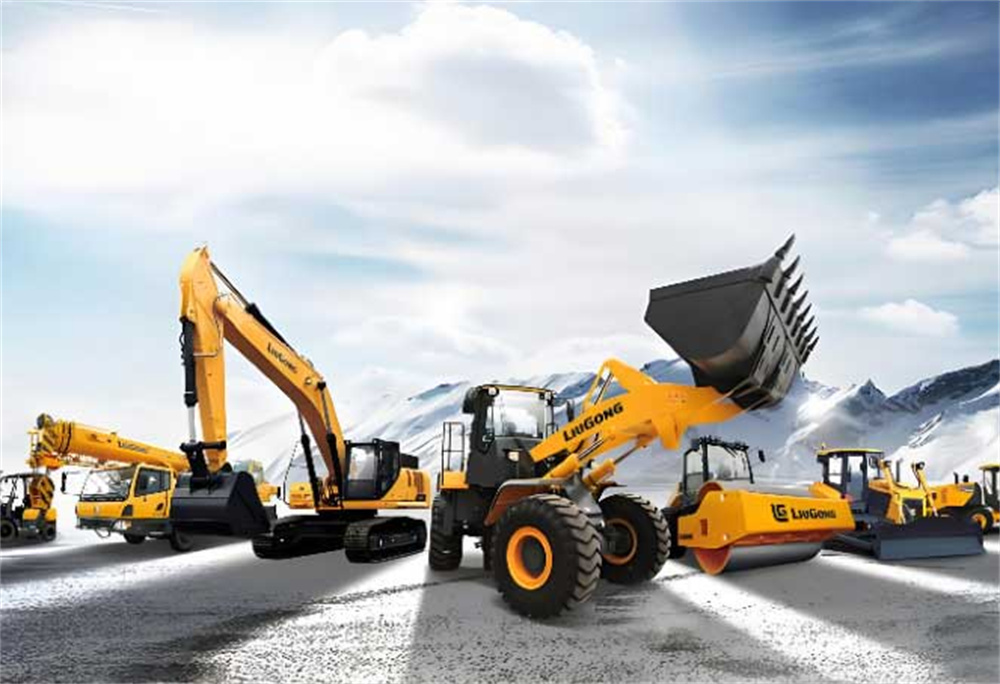
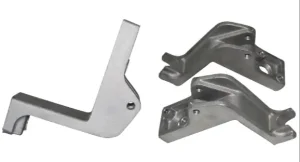
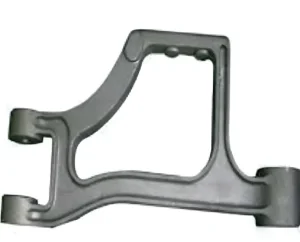
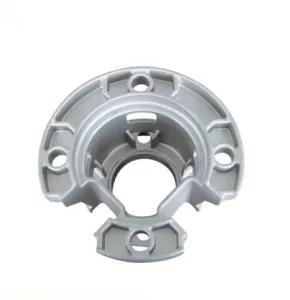
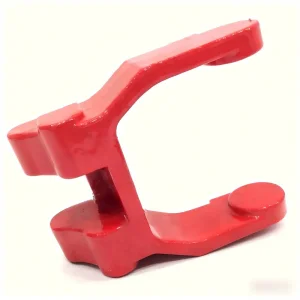
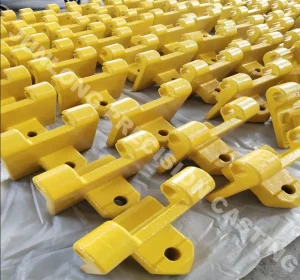
Providing structurally complex, high-load-bearing components for excavators and cranes using high-strength Q235 and 16Mn steel.
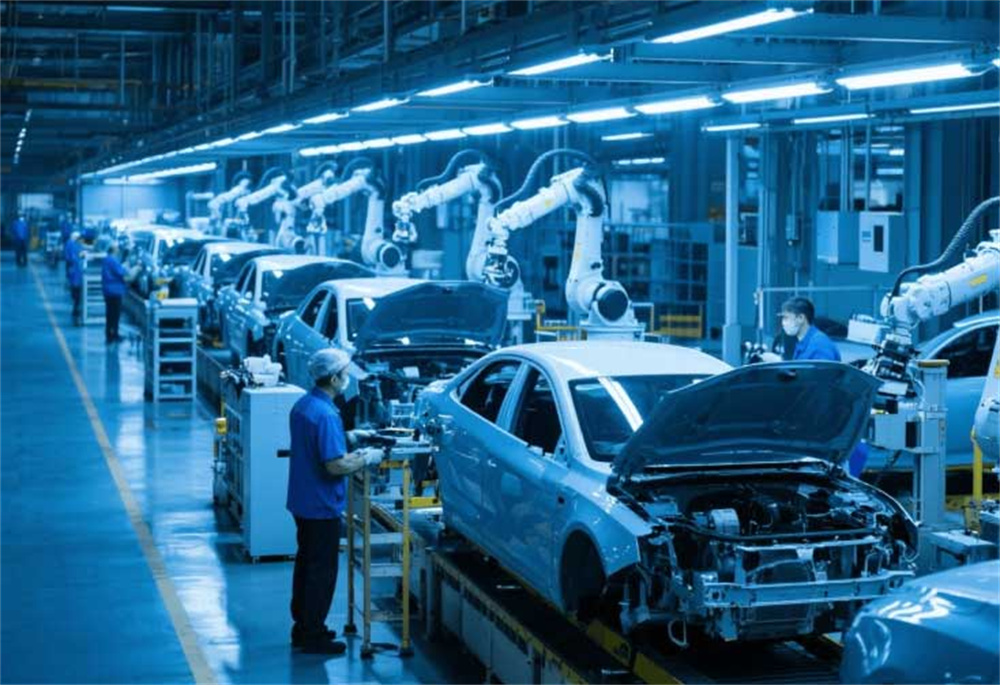
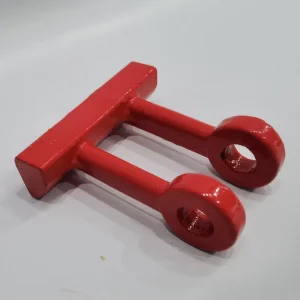
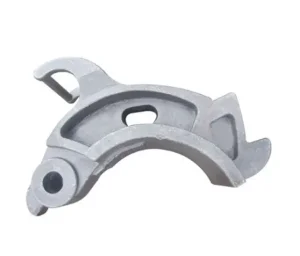
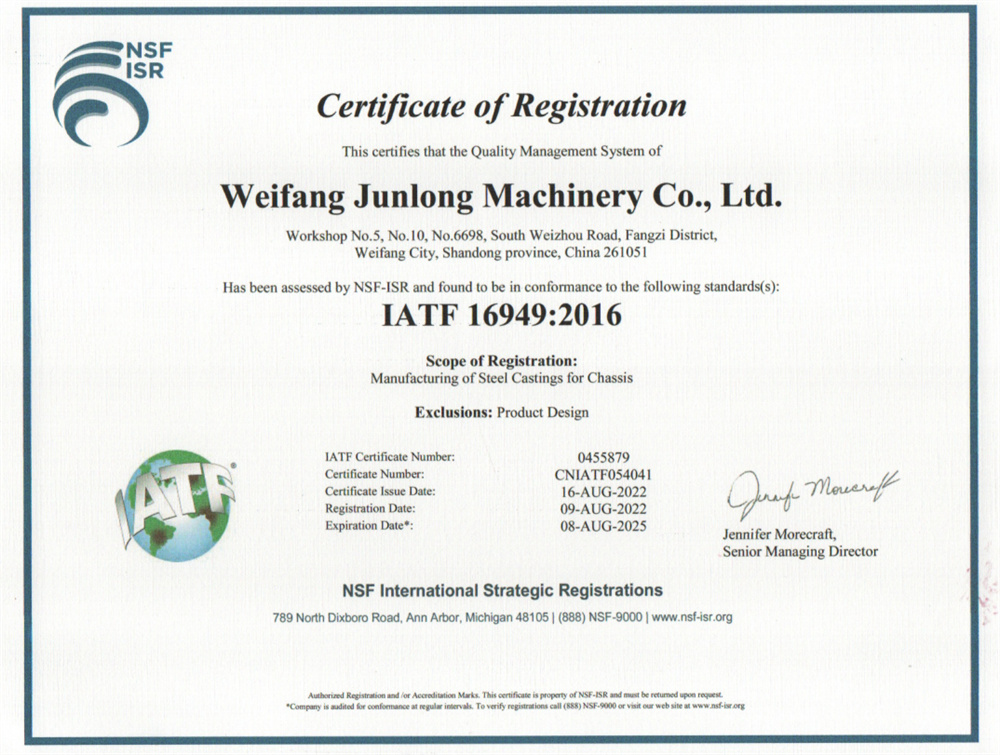
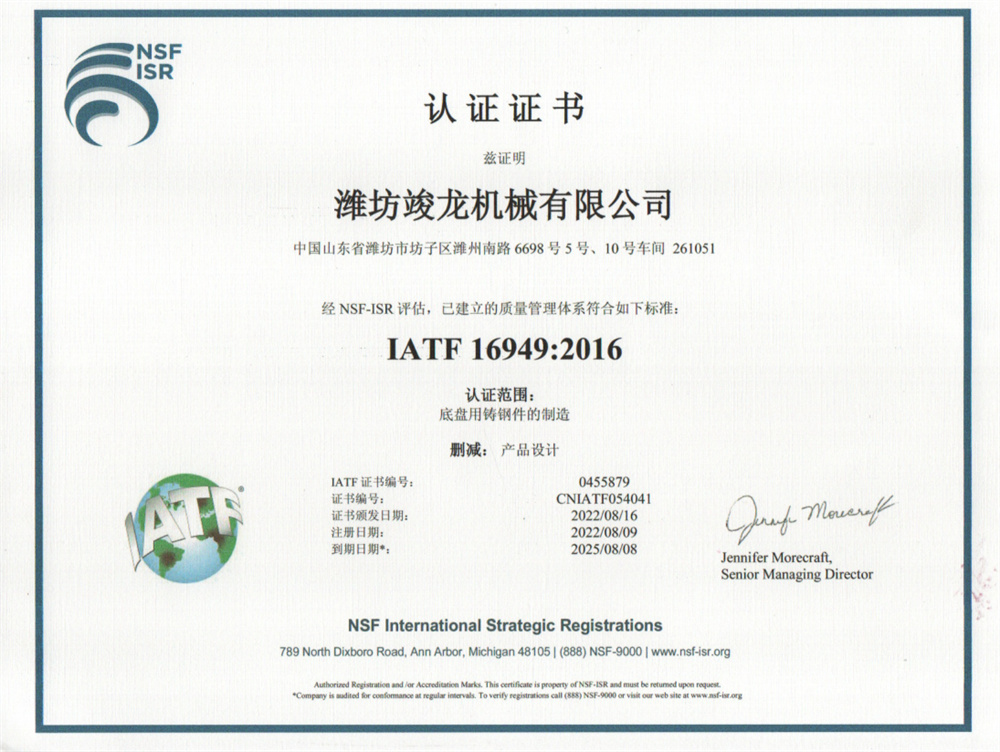
TS 16949 certified manufacturing for safety-critical components in rail transit and heavy-duty automotive braking systems.
As we look toward 2030, the "Foundry of the Future" will be defined by Information Gain through data. JUNLONG Machinery is actively integrating IoT sensors into our automated casting lines to monitor real-time molten metal temperatures and pouring speeds. This data-driven approach allows us to refine our "Digital Twin" models, reducing lead times by 30%.
Moreover, the localized application of precision casting is shifting. In North America, the focus is on Remanufacturing and Sustainability, while in Europe, the Hydrogen Economy is creating a demand for new valve alloys that prevent hydrogen embrittlement. Our R&D team is currently developing carbon steel hybrids that offer superior resistance to high-pressure hydrogen flow.
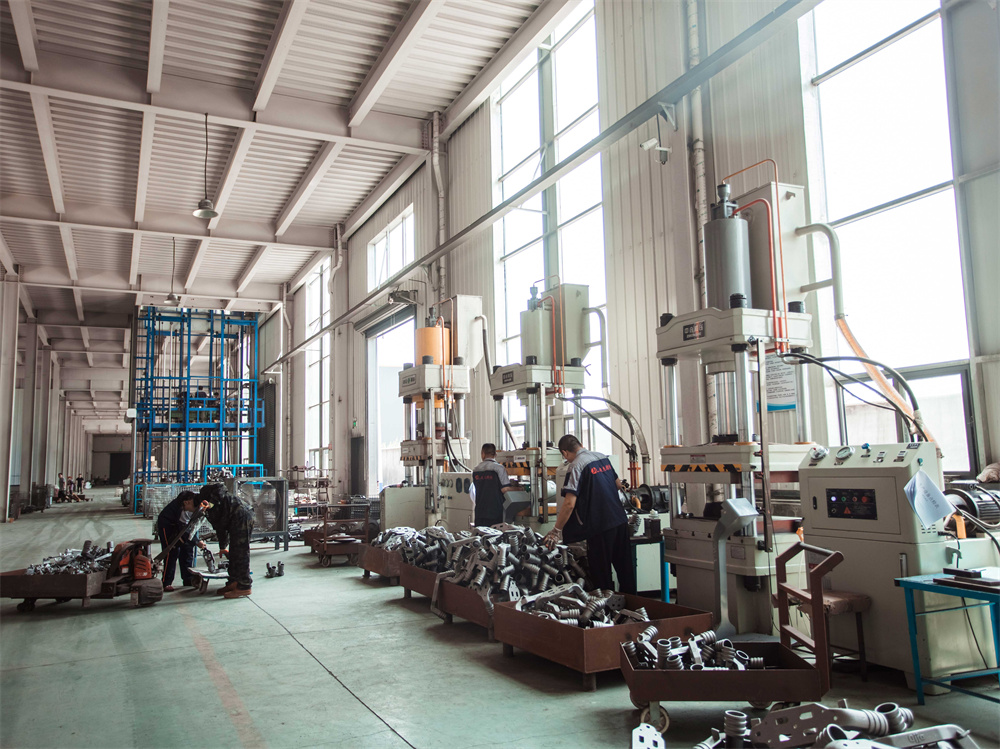
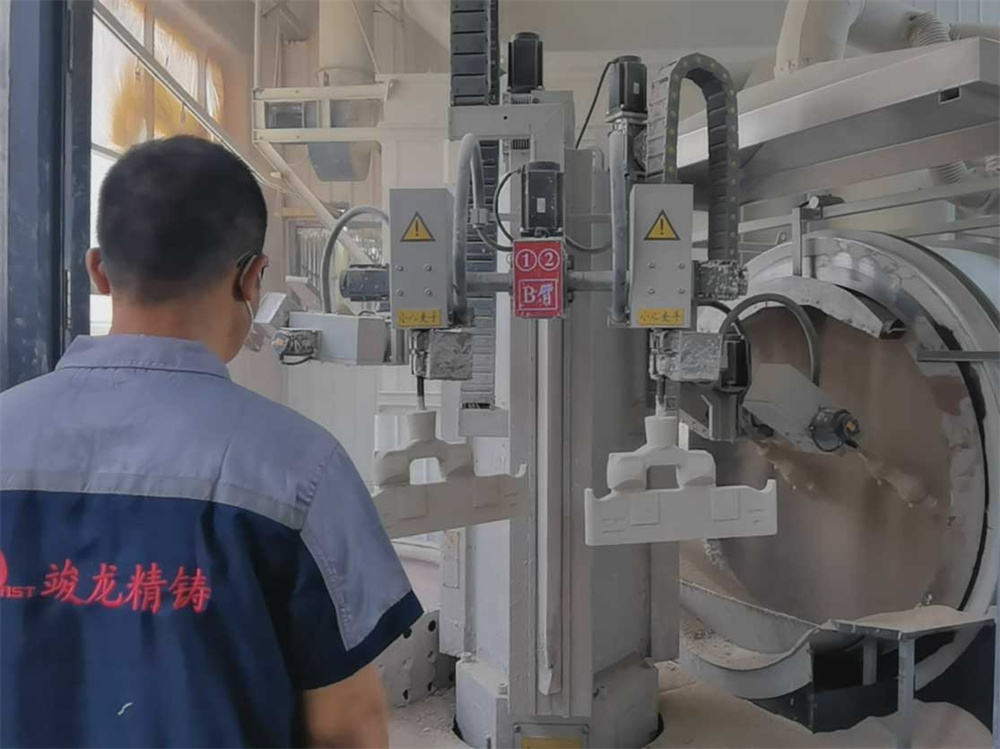
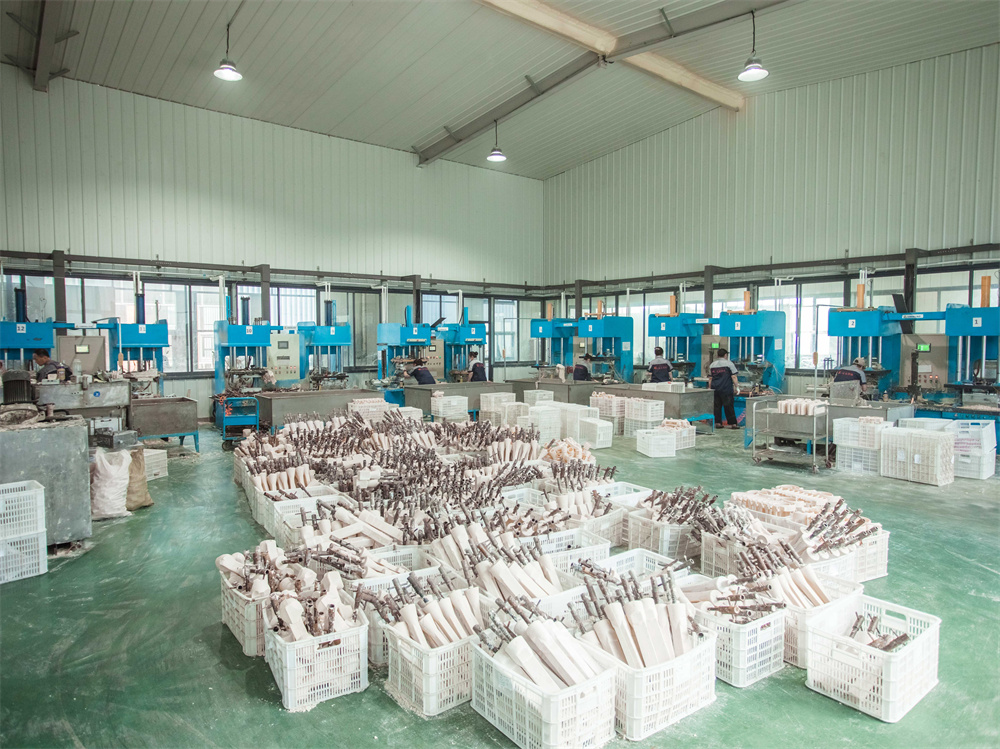
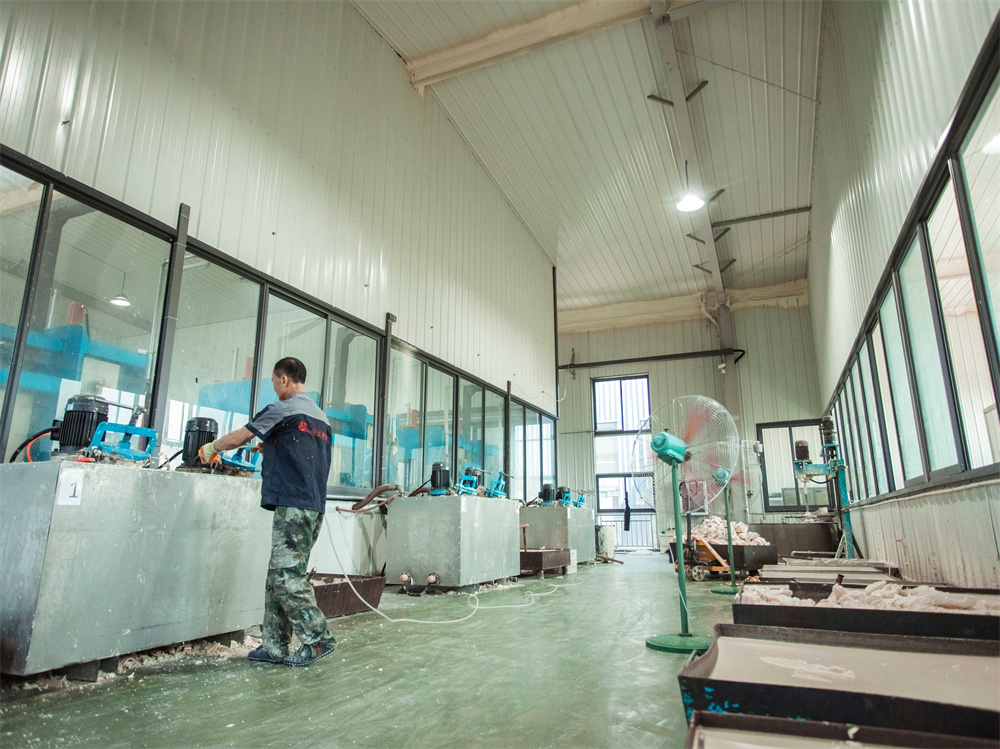
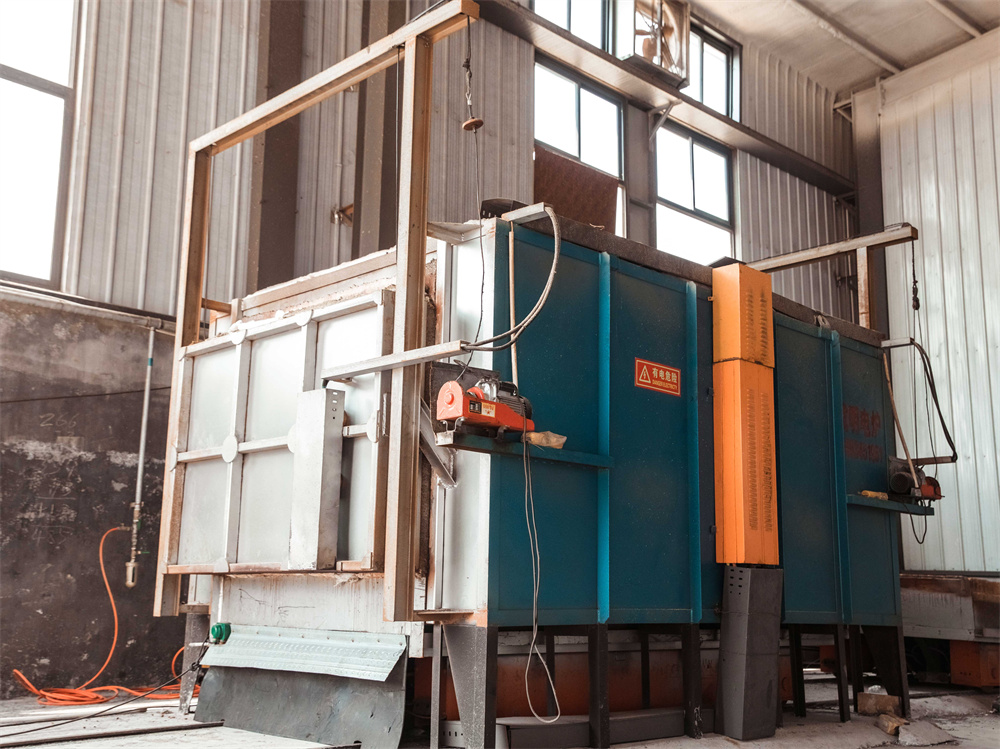
Equipped with horizontal/vertical machining centers, CNC lathes, and physical/chemical analysis labs to ensure full-process quality traceability.
Carbon steel provides excellent strength-to-weight ratios, is highly weldable for repair or assembly, and offers better impact resistance compared to cast iron. It is ideal for high-pressure applications where cost is a factor but durability cannot be compromised.
We use Investment Casting (Lost Wax), which allows for intricate internal geometries that are impossible with sand casting. Our automated production line ensures repeatable accuracy within CT4-CT6 tolerances.
Yes, every batch comes with 3.1 Material Certification, including chemical analysis, mechanical property testing (Tensile, Yield, Elongation), and non-destructive testing (NDT) reports as required.
We provide sandblasting, shot blasting, zinc plating, chrome plating, and epoxy coating to protect against oxidation and atmospheric corrosion during transit and operation.
Absolutely. Our engineering team specializes in transitioning your 3D models into production-ready molds, supporting both rapid prototyping and mass-scale production up to 20,000 tons annually.
 Junlong