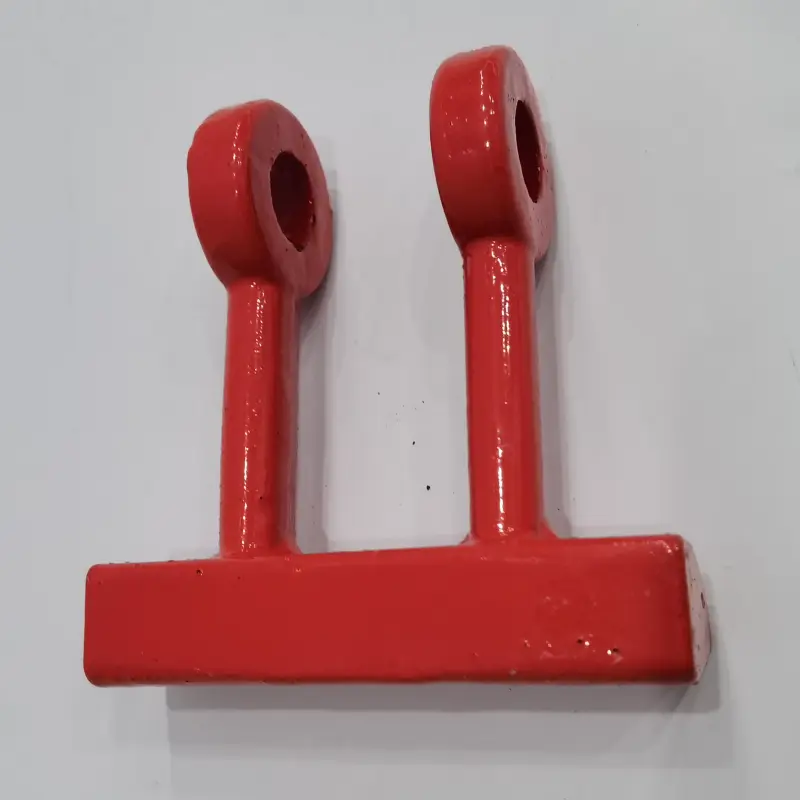
OEM Precision Casting in Carbon Steel Manufacturer, Factories

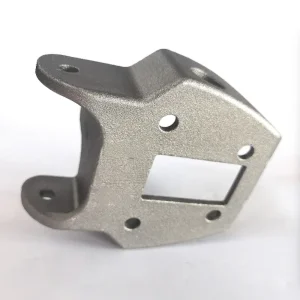
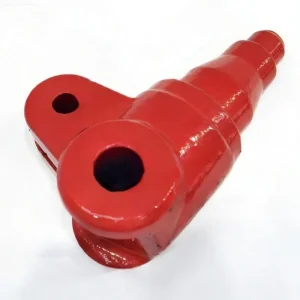
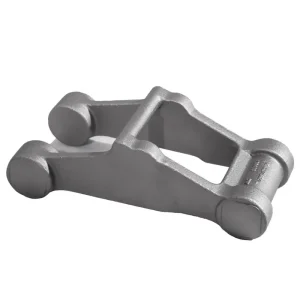
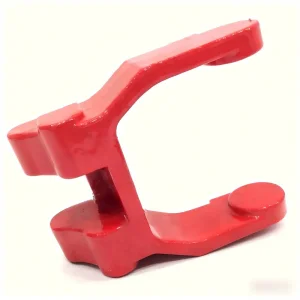
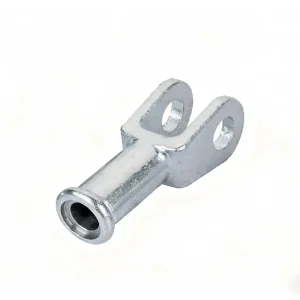
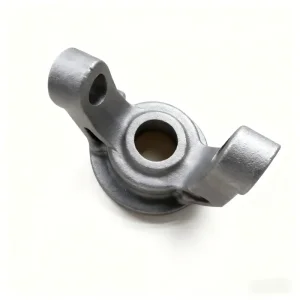
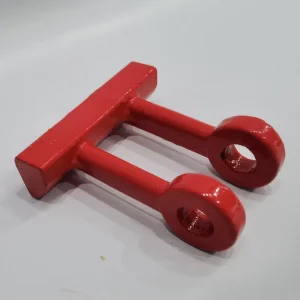
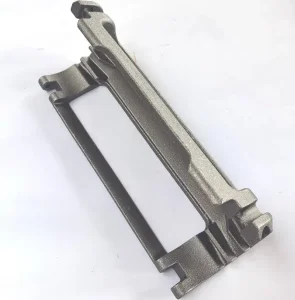
Our Precision Casting in Carbon Steel is a high-performance, cost-effective solution tailored for industrial machinery, engineering equipment, and structural components, leveraging advanced investment casting (lost wax casting) technology to achieve exceptional dimensional accuracy and surface finish. As a core product in our precision casting lineup, it combines the excellent mechanical properties of carbon steel with the precision of near-net-shape forming, effectively reducing post-processing costs and improving production efficiency for our global customers.

Product Description

Core Material Advantages

We primarily adopt high-quality carbon steel grades, with 45# carbon steel as the most widely used variant, supplemented by other customizable grades (e.g., 20#, 35#, Q235) to meet diverse application requirements:
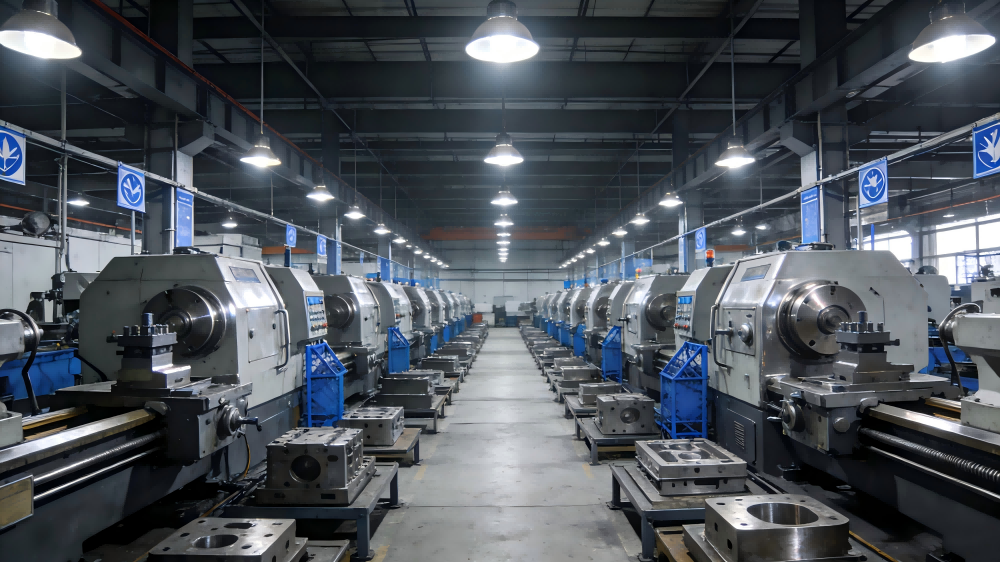
Superior Mechanical Properties: Featured with balanced strength and ductility, the as-normalized carbon steel castings have a tensile strength of ≥600MPa, yield strength of ≥355MPa, and elongation of ≥16%.
Excellent Machinability: Good cutting performance with low resistance. Surface roughness can reach Ra≤1.6μm after precision processing.
Cost-Effective & Easily Accessible: Obvious cost advantages over alloy and stainless steel with a mature raw material supply chain.
Customizable Heat Treatment: Hardness and wear resistance can be adjusted (up to HRC55-60) via quenching and tempering.
Carbon Steel Material Advantages

Advanced Production Process

Manufactured through strict investment casting (lost wax casting) process to ensure international standards:
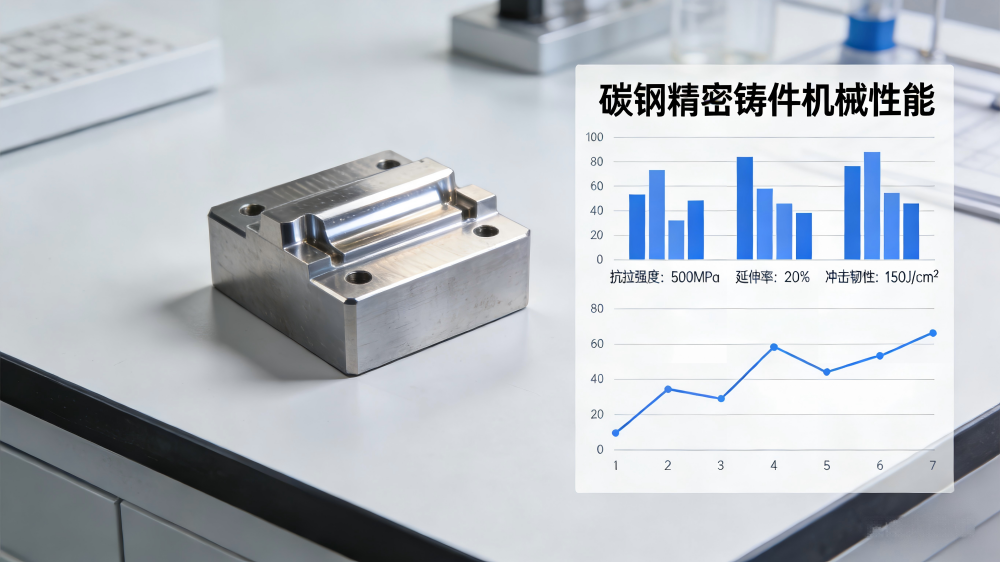
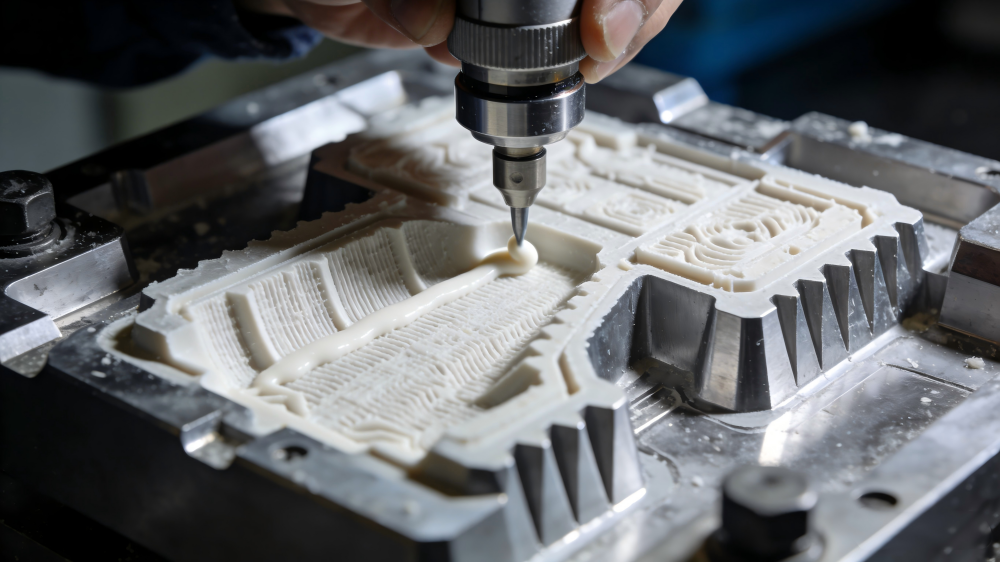
01 Wax Mold Making: High-quality low-temperature wax used with linear shrinkage ≤0.8% and burr ≤0.03mm.
02 Shell Making: Adopting zircon sand and silica sol, coated with 3-8 layers for high strength and air permeability.
03 Dewaxing & Roasting: High-pressure steam dewaxing (rate ≥99%) and roasted at 1000-1150℃.
04 Melting & Pouring: Vacuum induction furnace melting with real-time spectrometer detection (element deviation ≤0.02%).
05 Post-Processing: Sand cleaning, heat treatment, sandblasting, and pickling for a smooth, defect-free surface.
Investment Casting Process

Key Specifications & Quality Control

Dimensional Accuracy
Tolerance ±0.05~0.1mm, complying with ISO 8062 CT4-CT6, key dimension CPK ≥1.33.
Surface Finish
Ra≤1.6μm (up to Ra≤0.8μm after precision polishing), no burr or oxidation.
Quality Inspection
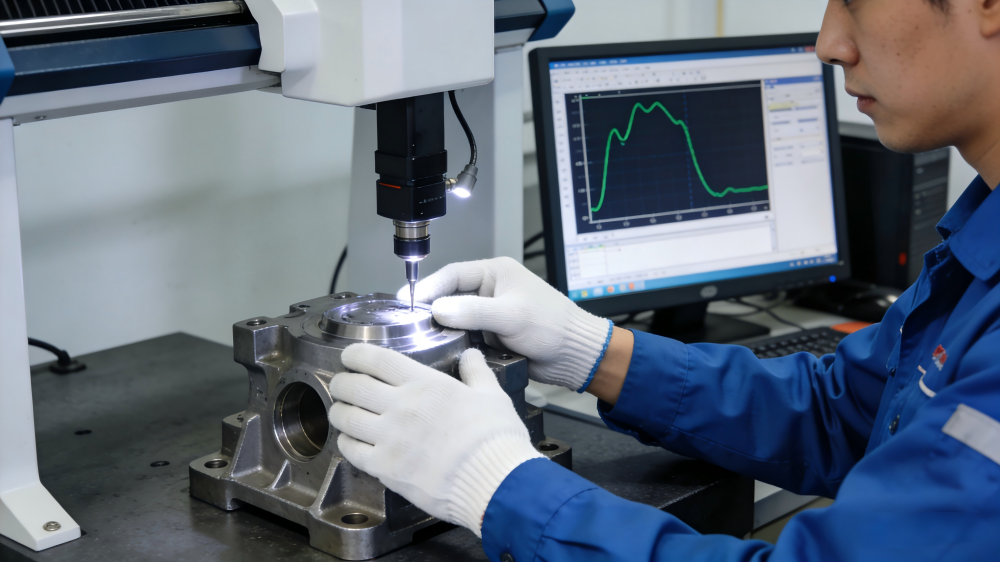
Full-process: CMM measurement, PT surface inspection, RT/UT internal inspection, and mechanical tests.
Customization
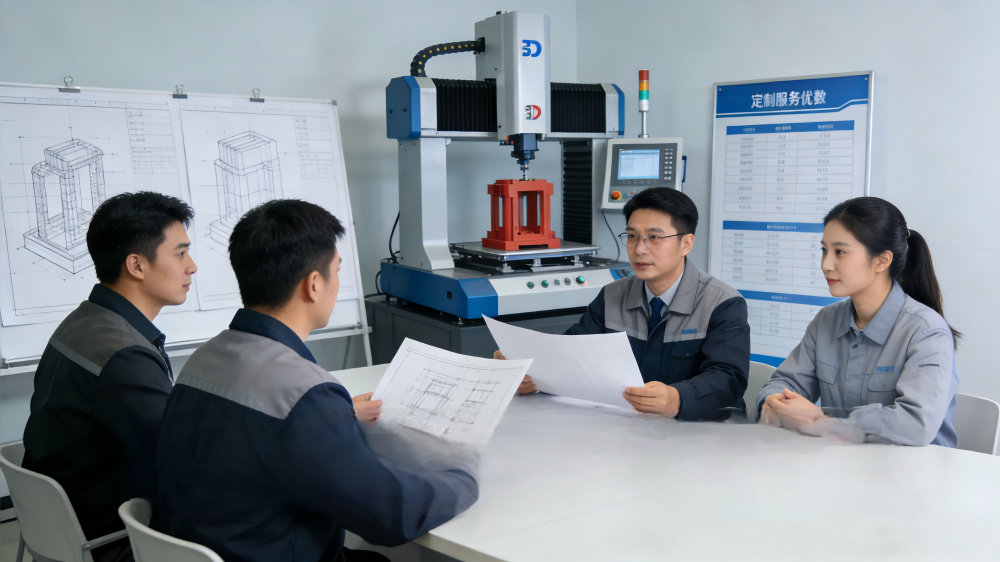
Support for custom design, size, shape, and heat treatment schemes for all batch sizes.
Quality Control Inspection

Application Fields

Our carbon steel precision castings are suitable for core components requiring high precision and mechanical strength:
Mechanical Transmission: Gears, shafts, connecting rods, bushings.
Engineering Machinery: Pump bodies, valves, flanges, hydraulic parts.
Power Industry: Cable protectors, fittings, transformer components.
Automotive Industry: Engine accessories, brake parts, brackets.
General Industry: Fasteners, hardware tools, structural parts.
Industrial Applications

Our Core Advantages

Professional R&D Team: Years of precision casting experience for customized solutions.
Advanced Equipment: 3D printing wax mold equipment, vacuum induction furnaces, and automatic lines.
Global Service: One-stop service from design to sample development and mass production.
Green Production: Environmentally friendly wax recycling (≥95%) and sand regeneration (≥80%).
Company Advantages

Frequently Asked Questions

Q1: Which carbon steel grades are most commonly used for casting?
We primarily use 45# carbon steel for its balanced strength and ductility, but we also support 20#, 35#, Q235, and other customizable grades to meet specific mechanical requirements.
Q2: What is the typical dimensional accuracy of your precision castings?
Our castings achieve a tolerance of ±0.05~0.1mm, complying with international ISO 8062 CT4-CT6 standards, ensuring high precision for complex components.
Q3: Can the hardness of the carbon steel castings be adjusted?
Yes, through heat treatment processes like quenching and tempering, we can adjust the hardness up to HRC55-60 to suit high-wear working conditions.
Q4: What quality inspection methods do you employ?
We use a comprehensive suite of inspections including CMM (Coordinate Measuring Machine), PT (Surface Penetrant Testing), RT/UT (Radiographic/Ultrasonic Internal Inspection), and mechanical property testing.
Q5: Do you offer OEM or customized design services?
Absolutely. We provide one-stop OEM/ODM services from initial product design and sample development to mass production and logistics.
Q6: How does your production process support environmental sustainability?
We practice green manufacturing by realizing a waste wax recovery rate of ≥95% and a waste sand regeneration rate of ≥80%, complying with global environmental standards.

Related Products