Uzbekistan is currently undergoing a massive economic transformation. With the "New Uzbekistan" Development Strategy, the demand for high-quality carbon steel casting has skyrocketed in sectors like the Navoi Mining and Metallurgical Combinat (NMMC) and the expanding agricultural clusters in the Fergana Valley. Local manufacturers require components that can withstand extreme temperature fluctuations and abrasive soil conditions.
The shift toward localized manufacturing in Tashkent and Samarkand means that global procurement is no longer just about buying "parts"—it's about finding a partner who understands supply chain resilience. Carbon steel, known for its weldability and toughness, has become the backbone of Uzbekistan’s new oil-gas pipelines and renewable energy infrastructure.
Enterprises globally are moving away from fragile supply chains. The Uzbekistan market specifically seeks "One-Stop Shop" solutions where Mold Manufacturing, Casting, and CNC Machining are integrated under one roof to minimize logistics risks and lead times across the Belt and Road corridors.
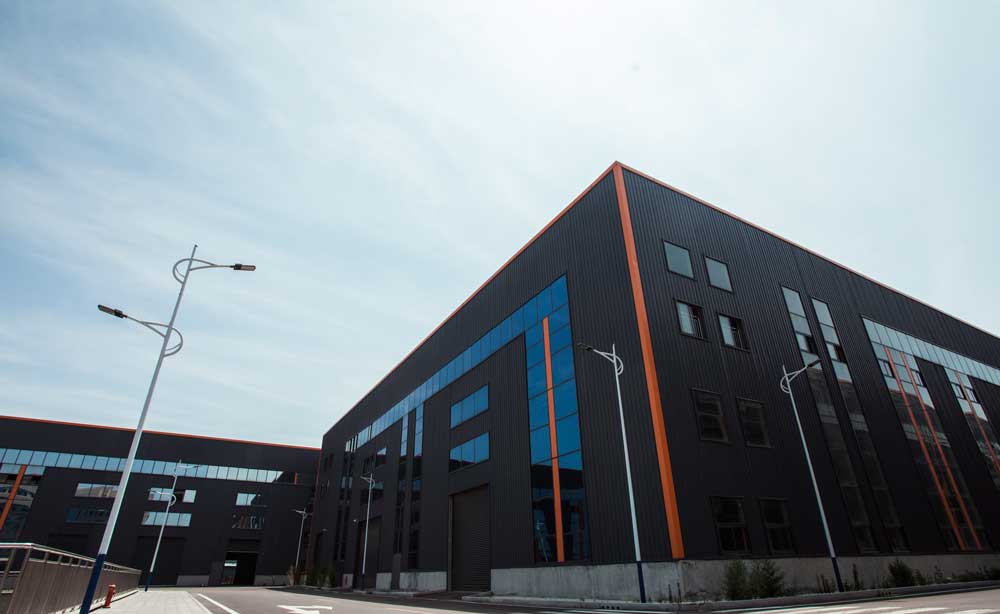
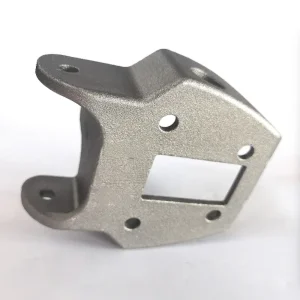
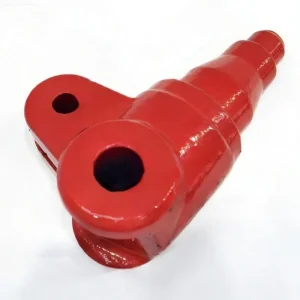
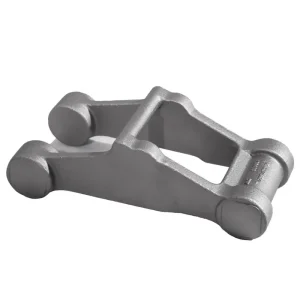
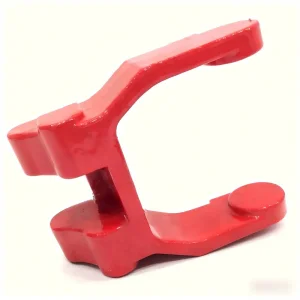
JUNLONG Machinery Co., Ltd., founded in 2014, is a high-quality casting supplier integrating precision casting and deep processing. Located in Weifang, Shandong, our facility covers 60,000 square meters. We are not just a factory; we are a hub of China Industry 4.0 innovation, leveraging automated casting lines to ensure that every carbon steel component—from agricultural blades to oilfield protectors—meets the highest mechanical stability standards.
With over 200 employees, including more than 30 engineering technicians, we serve global industry leaders in Germany, the United States, Italy, Canada, and now extensively in Uzbekistan. Our expertise covers carbon steel, alloy steel, and stainless steel with a focus on investment casting (lost wax) technology.
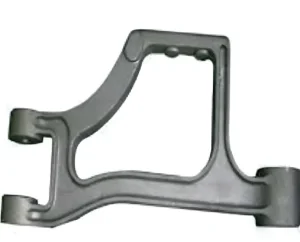
Uzbekistan’s cotton and grain sectors require high-durability harvester parts. Our Q345 carbon steel castings provide the necessary impact resistance for heavy-duty farming in the arid Uzbek plains.
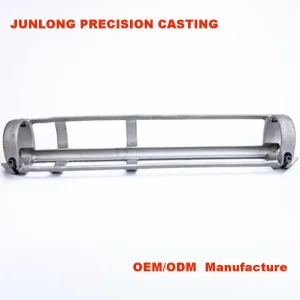
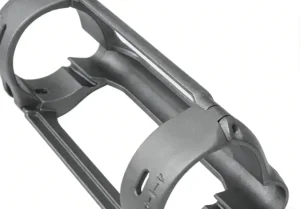
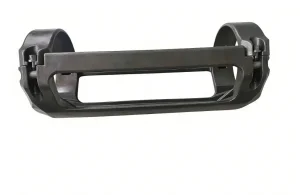
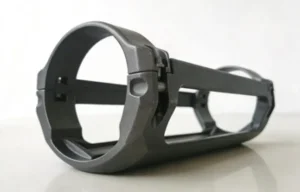
Serving the Bukhara and Khiva regions, we provide ESP cross coupling cable protectors and oil cable centralizers, ensuring deep-well drilling efficiency in harsh geological environments.
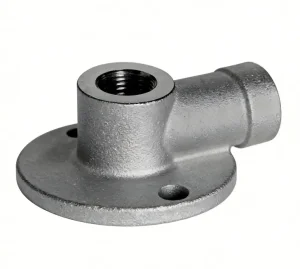
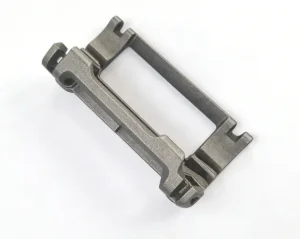
As Tashkent expands its subway and rail network, our precision cast steel machinery parts offer the structural integrity required for high-tech rail transportation and heavy construction.
In the post-pandemic era, Uzbekistan industrial buyers value reliability over mere cost. Junlong’s automated precision casting facilities utilize AI-driven physical and chemical analysis. This "Information Gain" approach means we provide our Uzbek clients with complete traceability: from the spectral analysis of the molten carbon steel to the final 3D coordinate measurement of the machined part.
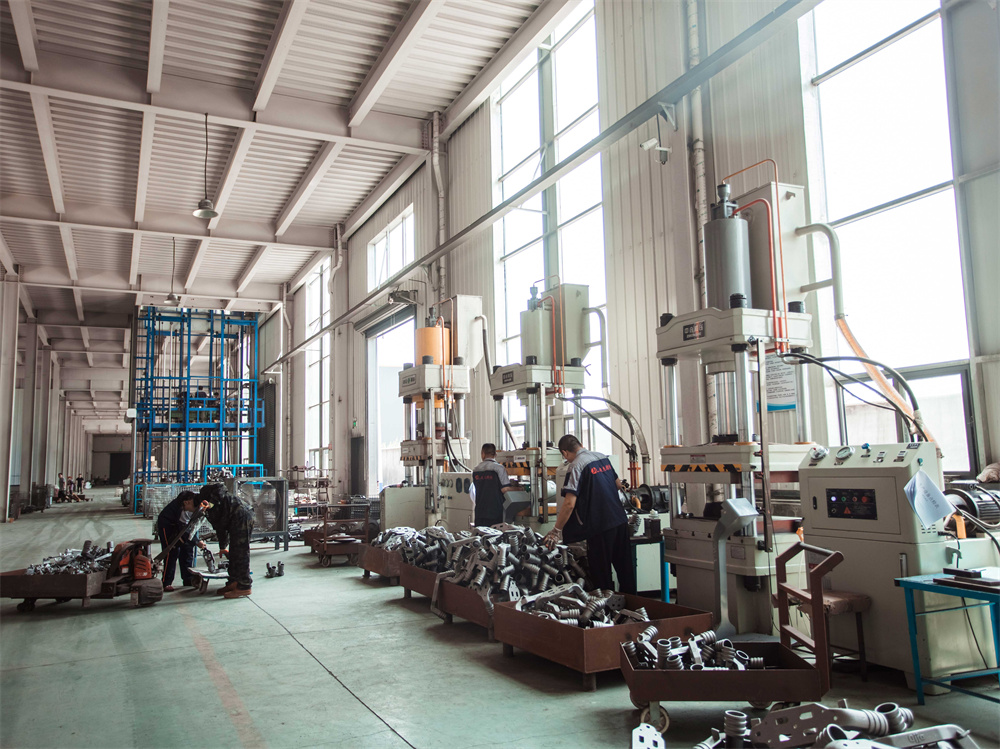
Our Full Industrial Chain Integrated Manufacturing allows us to control the mold making, casting, heat treatment, and surface finishing in-house. This reduces the carbon footprint and lead times, specifically benefiting the "Made in Uzbekistan" initiative by providing high-quality semi-finished or finished components for local assembly.
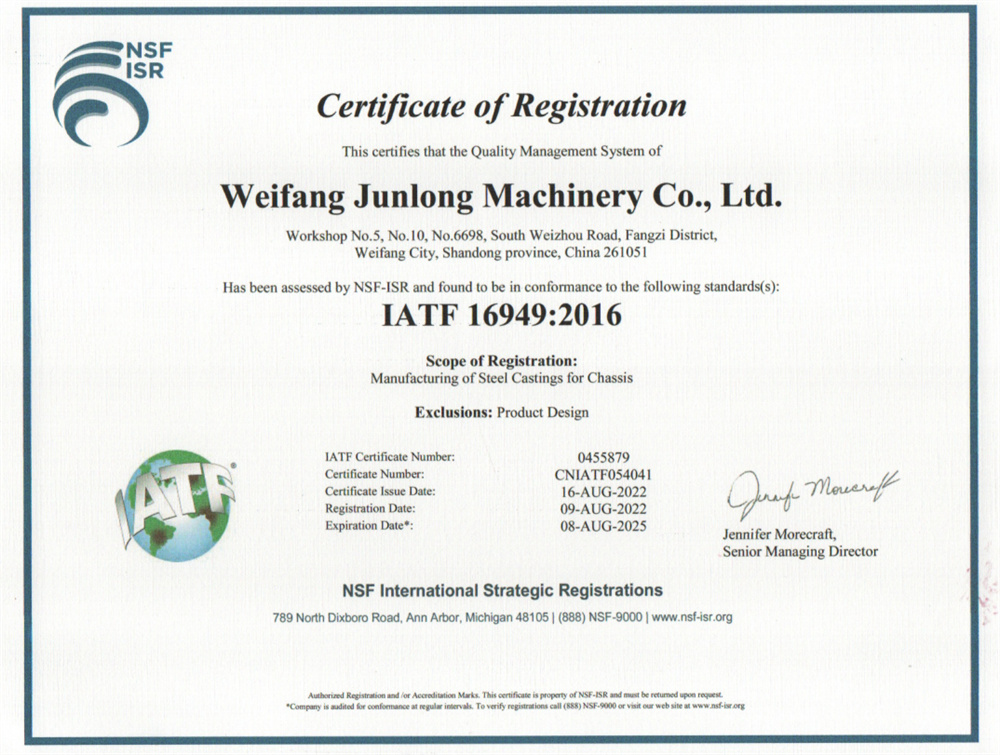
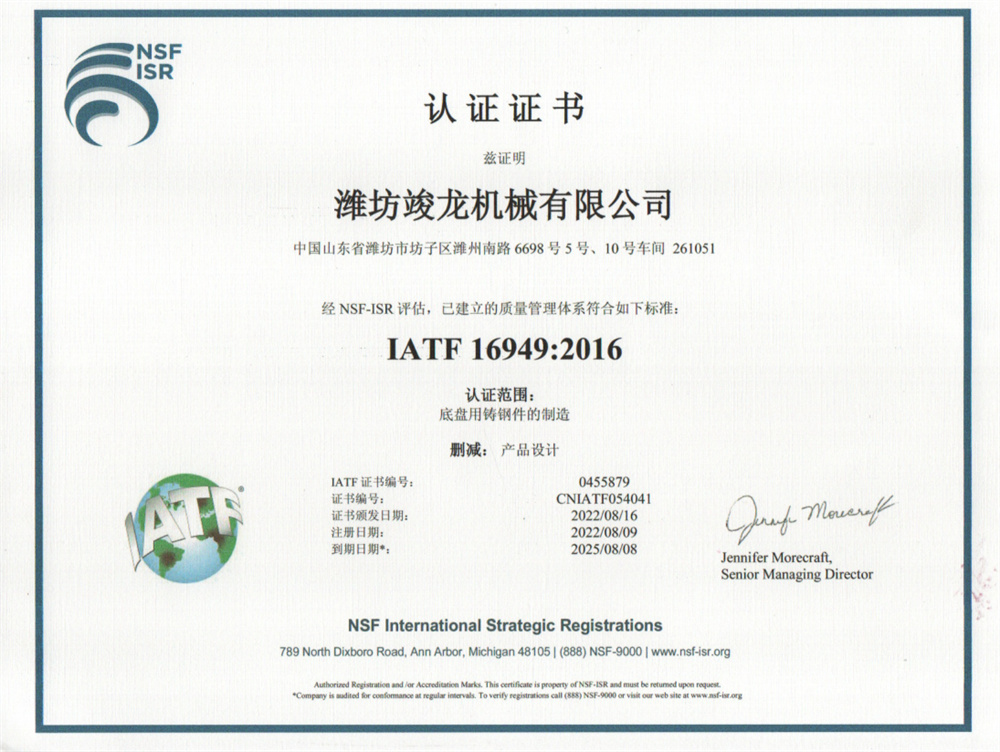
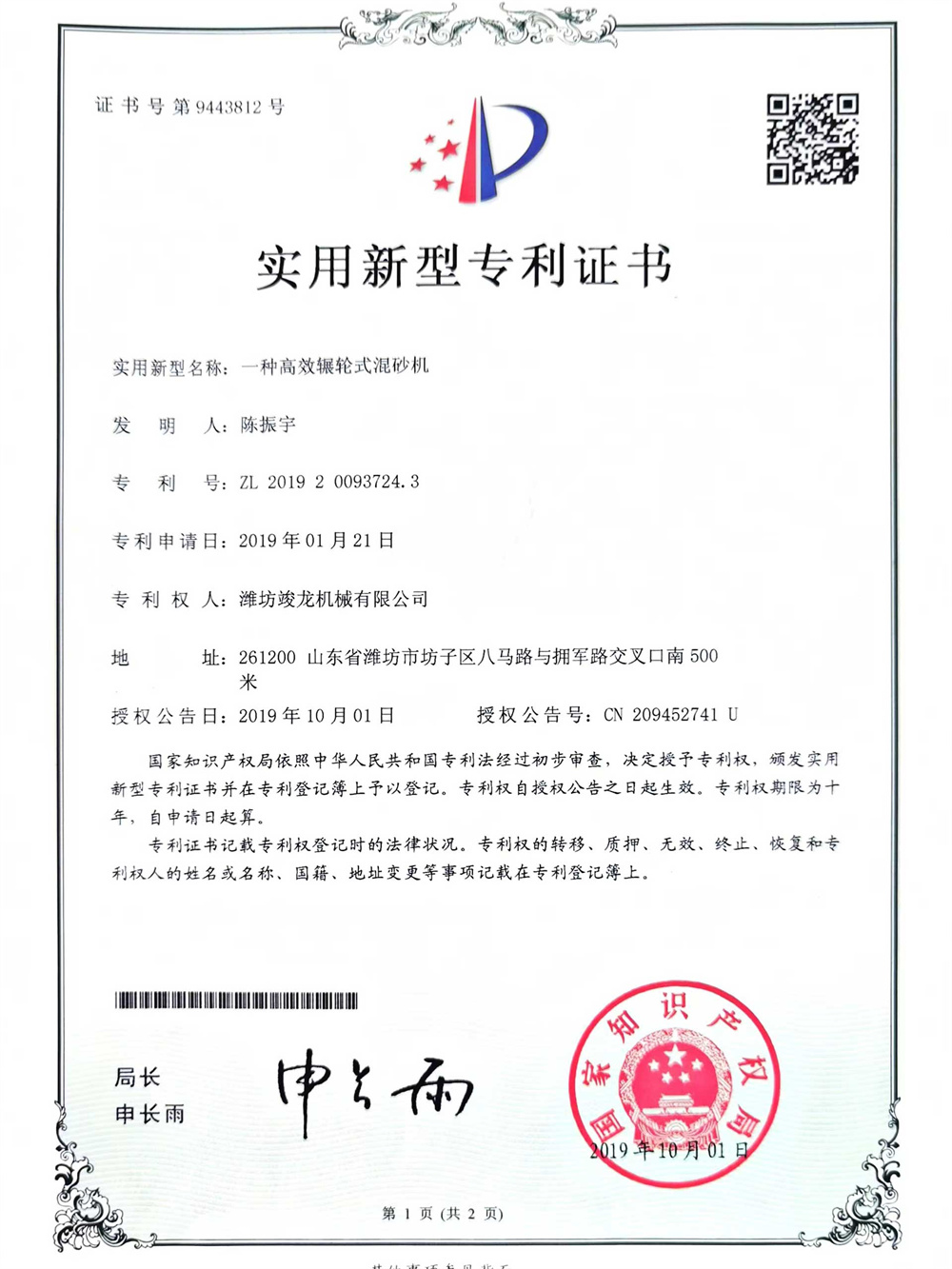
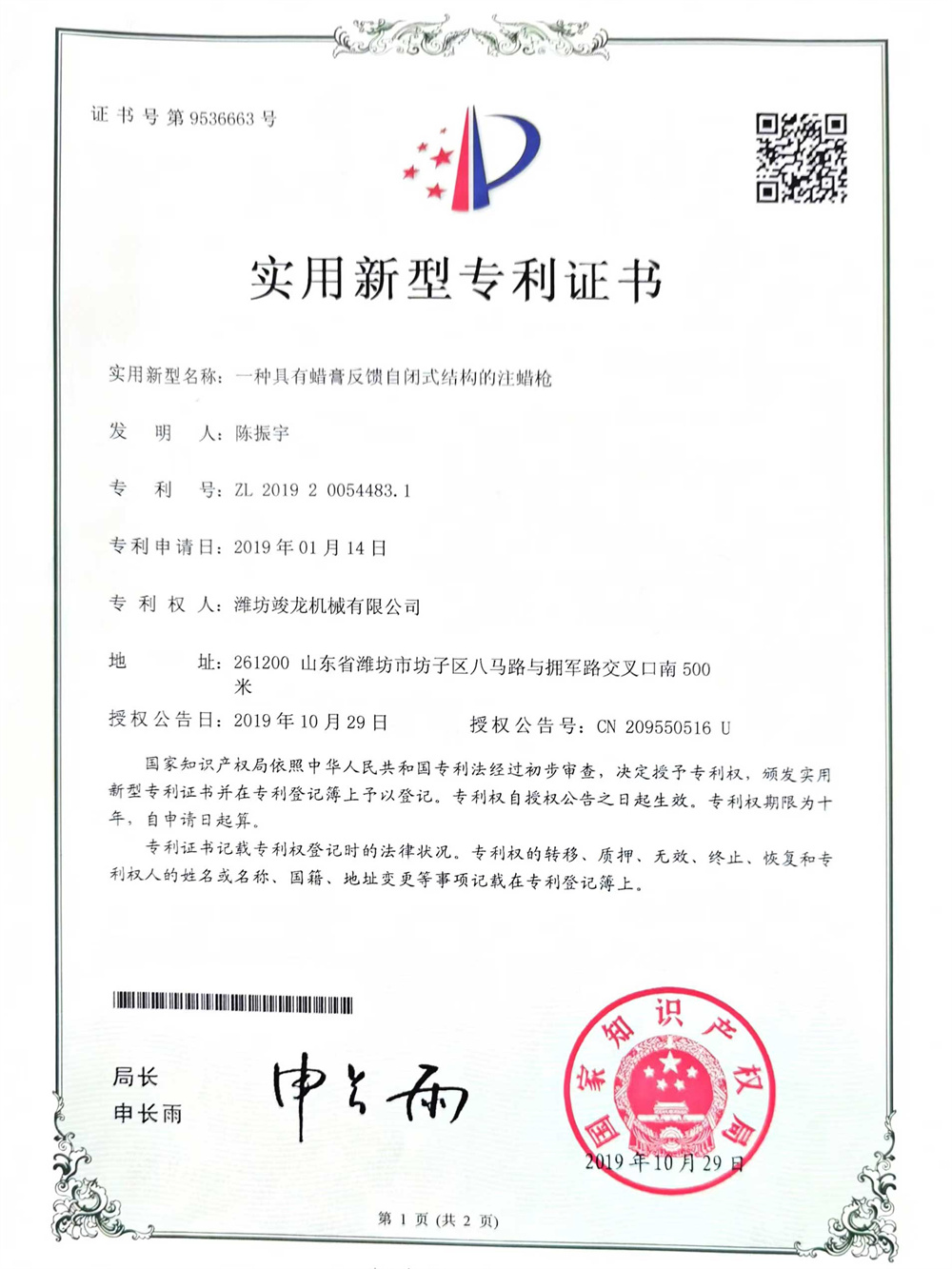
Our company has obtained ISO 9001, TS 16949, UL, and other quality management system certifications, ensuring process control over every production detail.
A: China’s casting industry has reached Industry 4.0 maturity. Suppliers like Junlong offer a superior cost-to-performance ratio, advanced material grades like Q345 for extreme durability, and integrated machining that local Central Asian workshops might lack. Furthermore, the rail connectivity between China and Tashkent ensures stable logistics.
A: Yes. We are familiar with global standards including DIN, ASTM, and can adapt to specific GOST requirements often found in Uzbekistan’s Soviet-era infrastructure upgrades, ensuring seamless replacement and integration.
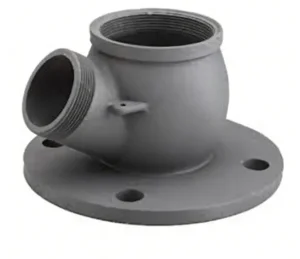
A: We use high-precision investment casting (lost wax) which offers excellent surface finish and dimensional accuracy. For oilfield protectors and centralizers, we perform non-destructive testing (NDT) to ensure no internal defects, crucial for high-pressure environments.
A: Mold development usually takes 15-20 days, followed by a production cycle of 30 days. Shipping via the China-Kyrgyzstan-Uzbekistan corridor is increasingly efficient, typically adding 10-15 days for delivery.
 Junlong