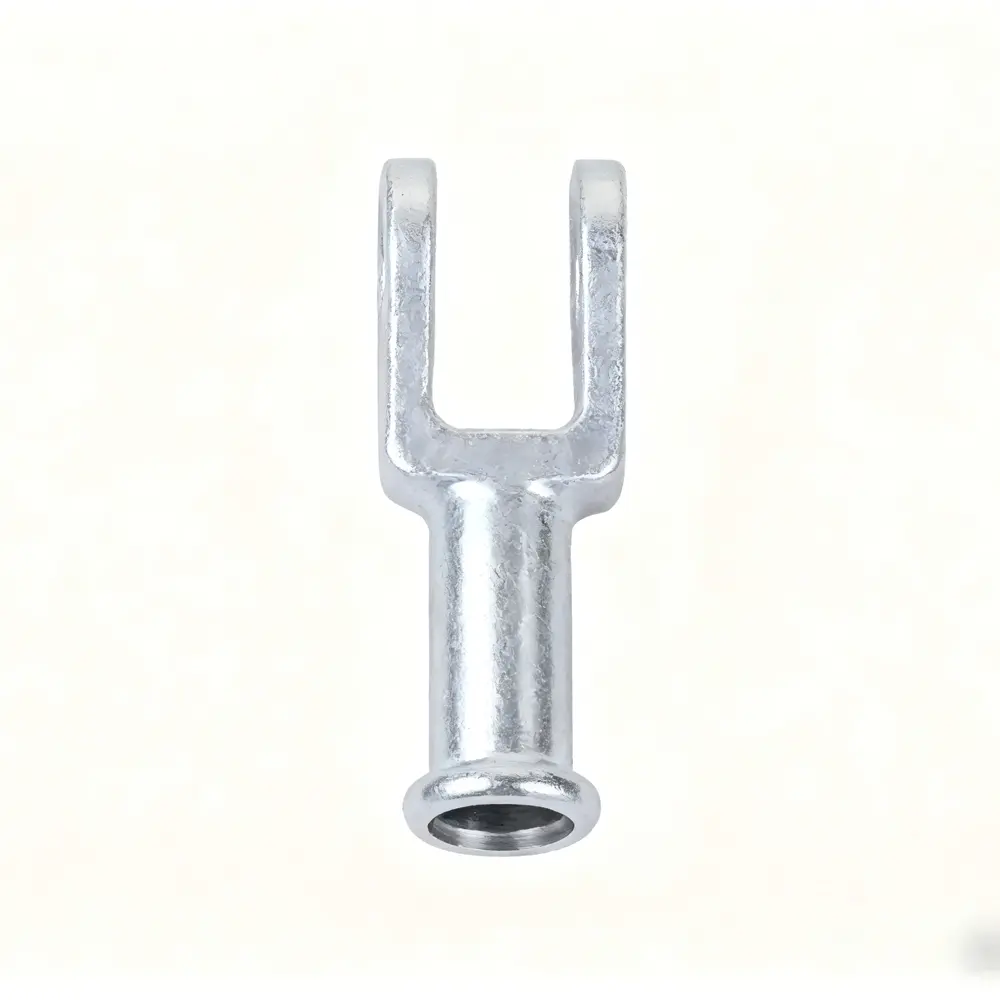
Custom Precision Casting Parts for Photovoltaic Power Plants Supplier, Factories

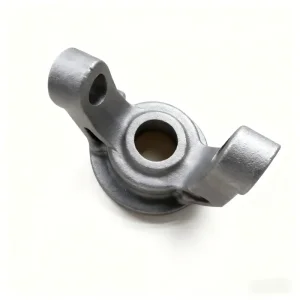
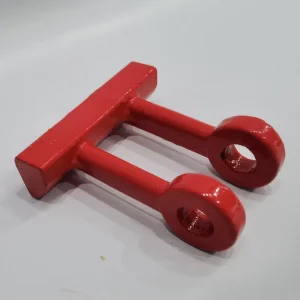
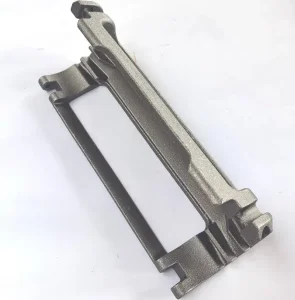
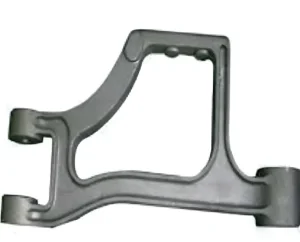
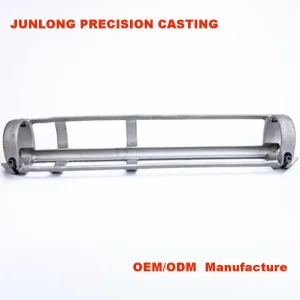
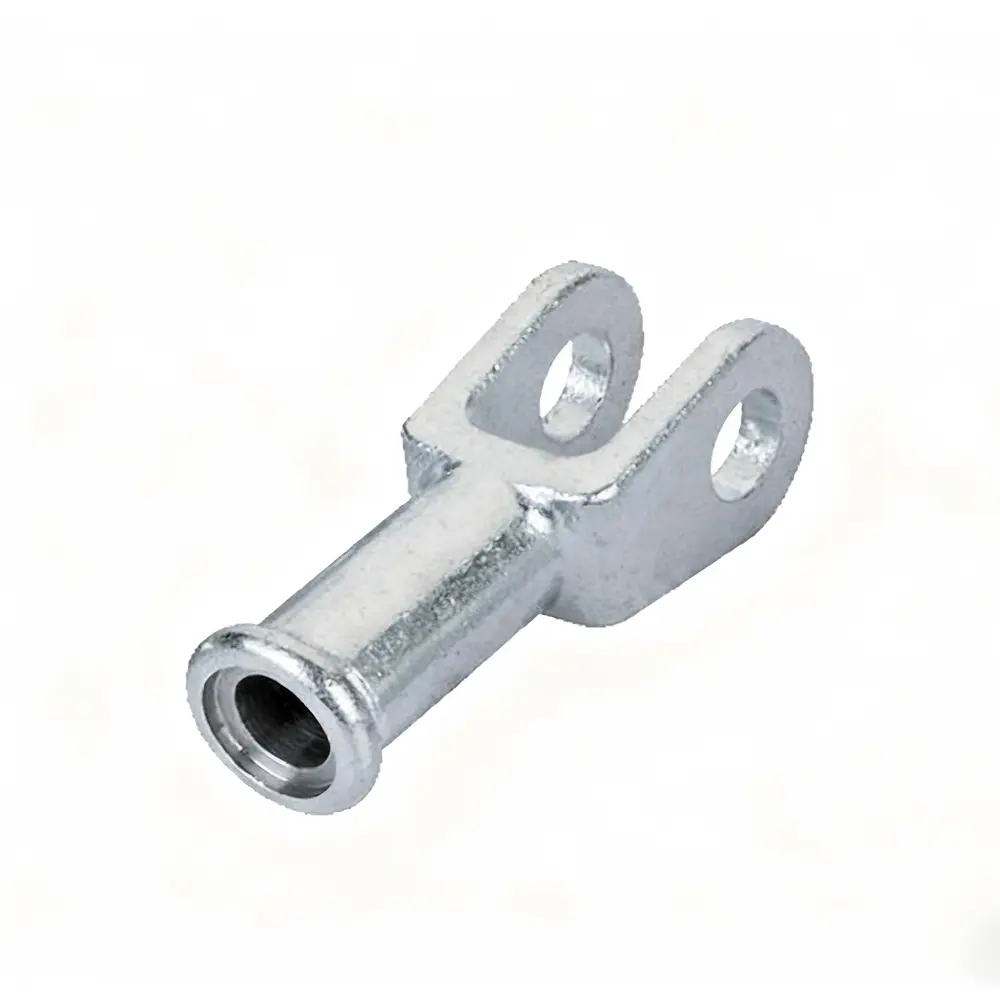
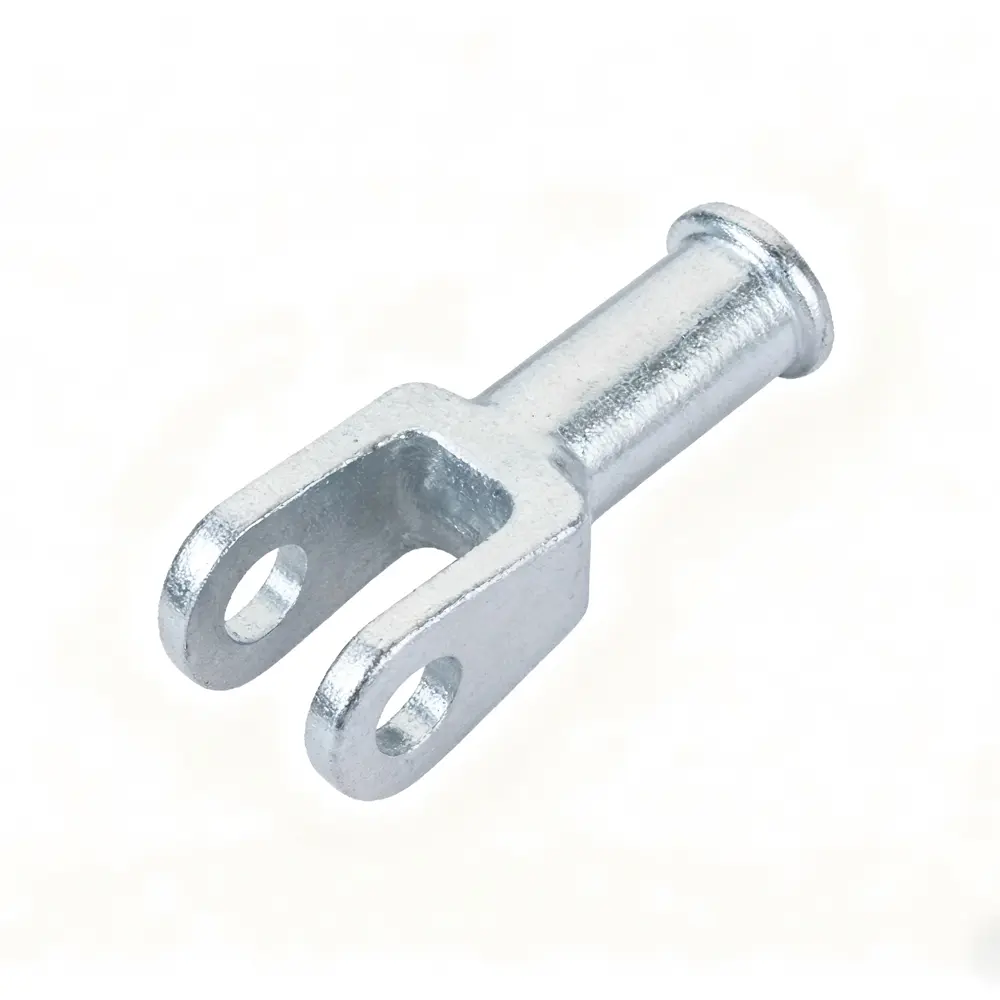
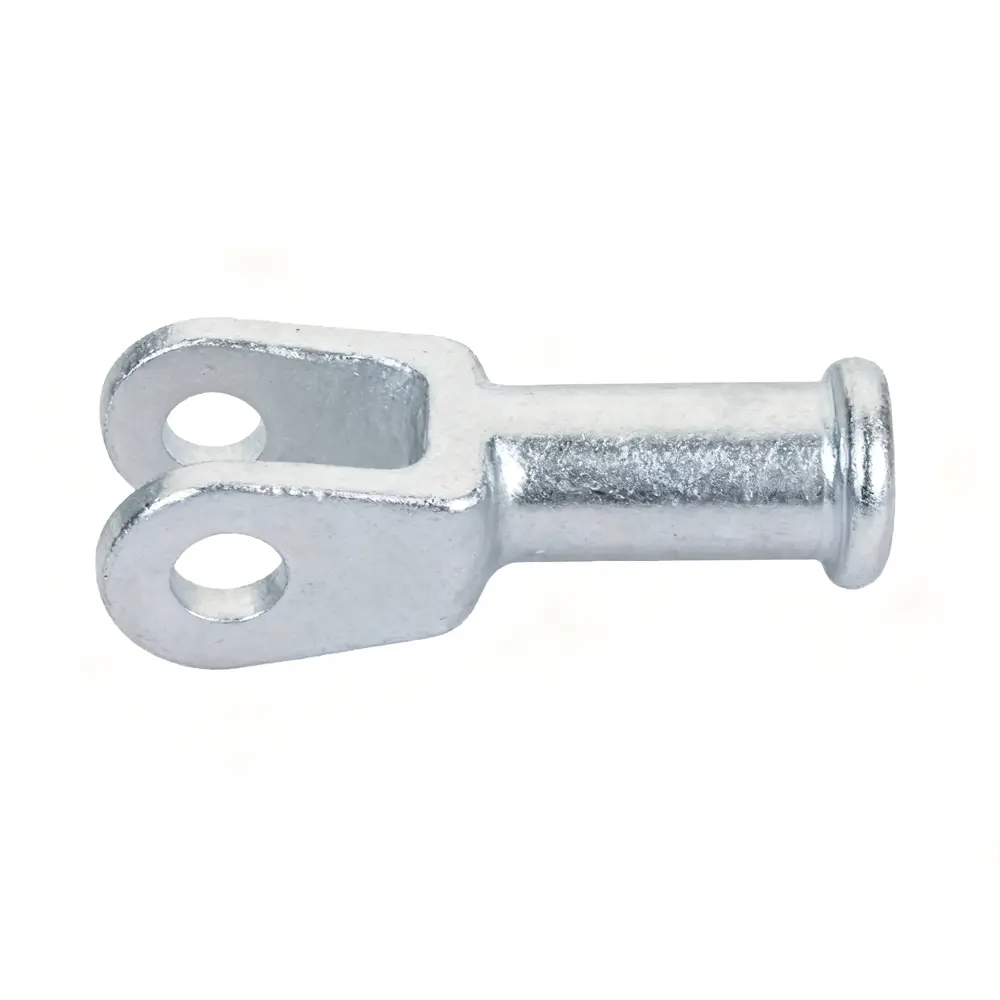
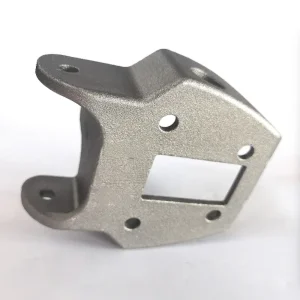
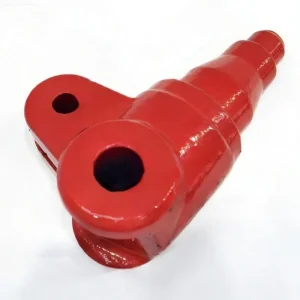
These precision casting parts for photovoltaic power plants adopt the lost-wax precision casting process, featuring high strength and excellent corrosion resistance. Ideal for PV bracket/connector applications, they serve as reliable metal components ensuring stable power plant operation.

PV precision casting products are essential core components customized for photovoltaic systems, specifically engineered to withstand harsh operating conditions such as strong winds, extreme temperature changes, and salt spray corrosion, while meeting strict high-precision assembly requirements. Widely applied in key parts including PV tracking bracket connectors, inverter housings, PV module frames, and energy storage system thermal management components, they serve as a solid guarantee for the efficient, stable, and long-term operation of photovoltaic systems.

Product Description

Core Advantages

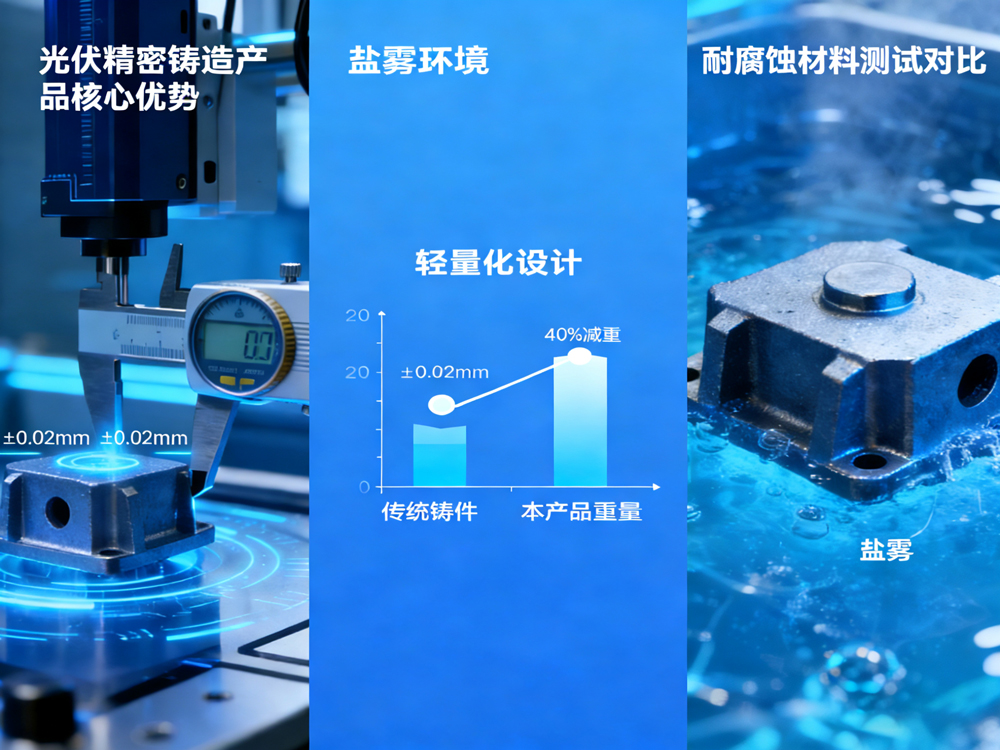
The products stand out with multiple core strengths: First, ultra-high precision control—relying on advanced equipment such as CNC machining centers and wire-cut electrical discharge machines, key dimensional tolerance reaches ±0.02mm and surface roughness Ra ≤1.6μm, enabling seamless assembly without extensive subsequent machining and greatly improving installation efficiency.

Second, superior material performance—adopting high-quality corrosion-resistant aluminum alloys (e.g., Mo and Zr modified alloys) and 6063 aluminum alloy, which features excellent tensile strength (≥260MPa) and resistance to chloride ion corrosion and ultraviolet aging, ensuring stable service in harsh environments.

Third, reliable quality guarantee—advanced full-process precision control from melting (720-760℃) to homogenization (540-550℃) achieves a product qualification rate of over 99%. Additionally, the green lightweight design, optimized via topology technology, makes them 15-20% lighter than traditional castings, reducing transportation and system load costs.
Core Value

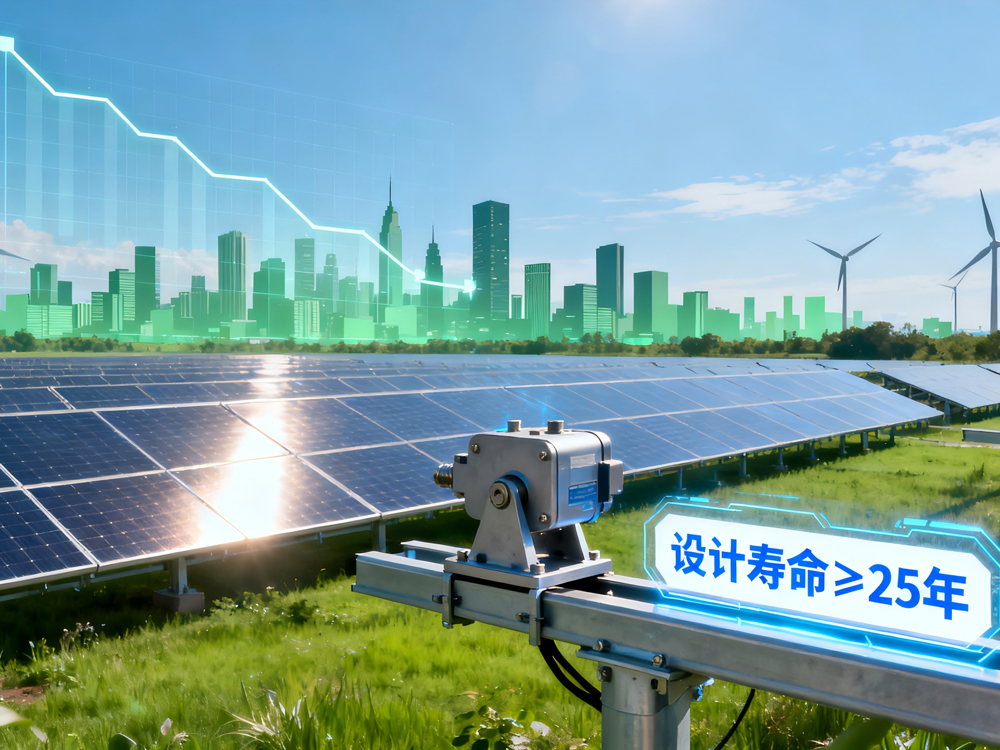
These precision casting products serve as the "musculoskeletal" of photovoltaic systems, significantly enhancing the reliability and service life of photovoltaic systems (design life ≥25 years) and effectively lowering the whole-life cycle costs including procurement, installation, and operation and maintenance.

By integrating high precision, durability, and environmental friendliness, they play a vital role in promoting the lightweight, energy-saving, and green transformation of the photovoltaic industry. Fully certified by ISO9001 quality management system and ISO14001 environmental management system, the products have gained wide trust from major global photovoltaic enterprises.

They are widely used in large-scale ground PV power plants, distributed rooftop PV projects, and offshore PV farms, providing strong support for the global energy transition and carbon neutrality goals.
Frequently Asked Questions
What is the manufacturing precision of these casting products?
We achieve ultra-high precision through CNC machining and wire-cut EDM, with key dimensional tolerances reaching ±0.02mm and surface roughness Ra ≤1.6μm.
What materials are used for better corrosion resistance?
We use high-quality corrosion-resistant aluminum alloys, including Mo and Zr modified alloys and 6063 aluminum alloy, which are resistant to chloride ion corrosion and UV aging.
How long is the expected service life of the PV components?
The products are designed for long-term durability with a service life of ≥25 years, even in harsh environments like offshore or desert locations.
Are the products certified for quality and environment?
Yes, the products are fully certified by the ISO9001 quality management system and ISO14001 environmental management system.
What are the benefits of the lightweight design?
Our green lightweight design makes products 15-20% lighter than traditional castings, which reduces transportation costs and system load while maintaining high tensile strength (≥260MPa).
In which scenarios can these precision castings be applied?
They are ideal for large-scale ground PV power plants, distributed rooftop PV projects, and offshore PV farms.

Related Products